
 4 weeks ago
77
4 weeks ago
77
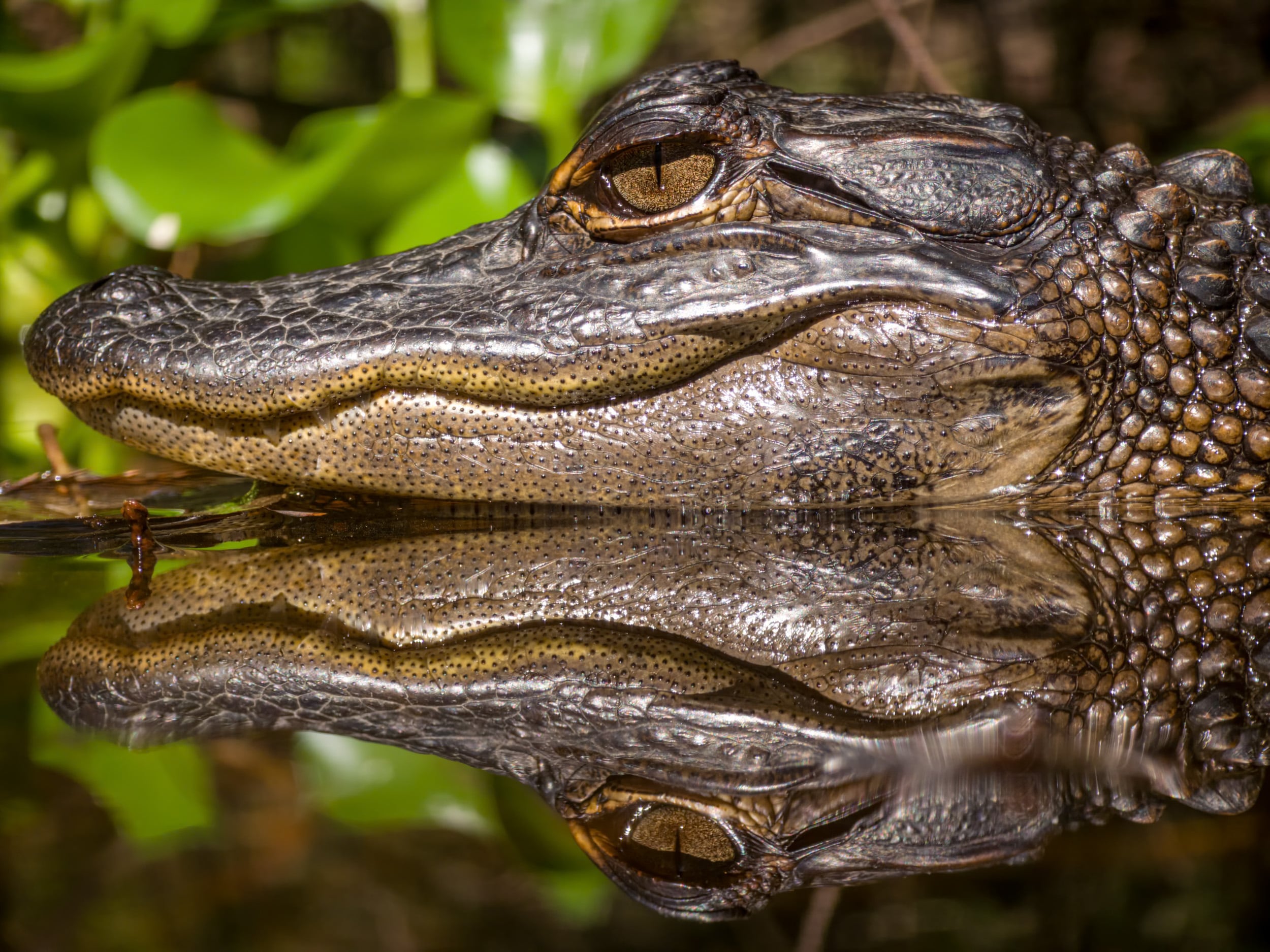 Critics have found it difficult to believe that photos like this one were taken on a smartphone. | Steve Scott Grogin
Logging into his profile on the 35 Awards photo competition, Steve Scott Grogin received a notification telling him his photo of an alligator’s eye had been disqualified from the Mobile Phone category. The reason? The organizers believed it had been taken with “professional camera equipment.”
Grogin tells PetaPixel that’s not true, and he shot the photo the same way he shoots the rest of his work: with a Samsung Galaxy S25 Ultra using Samsung Expert RAW format.
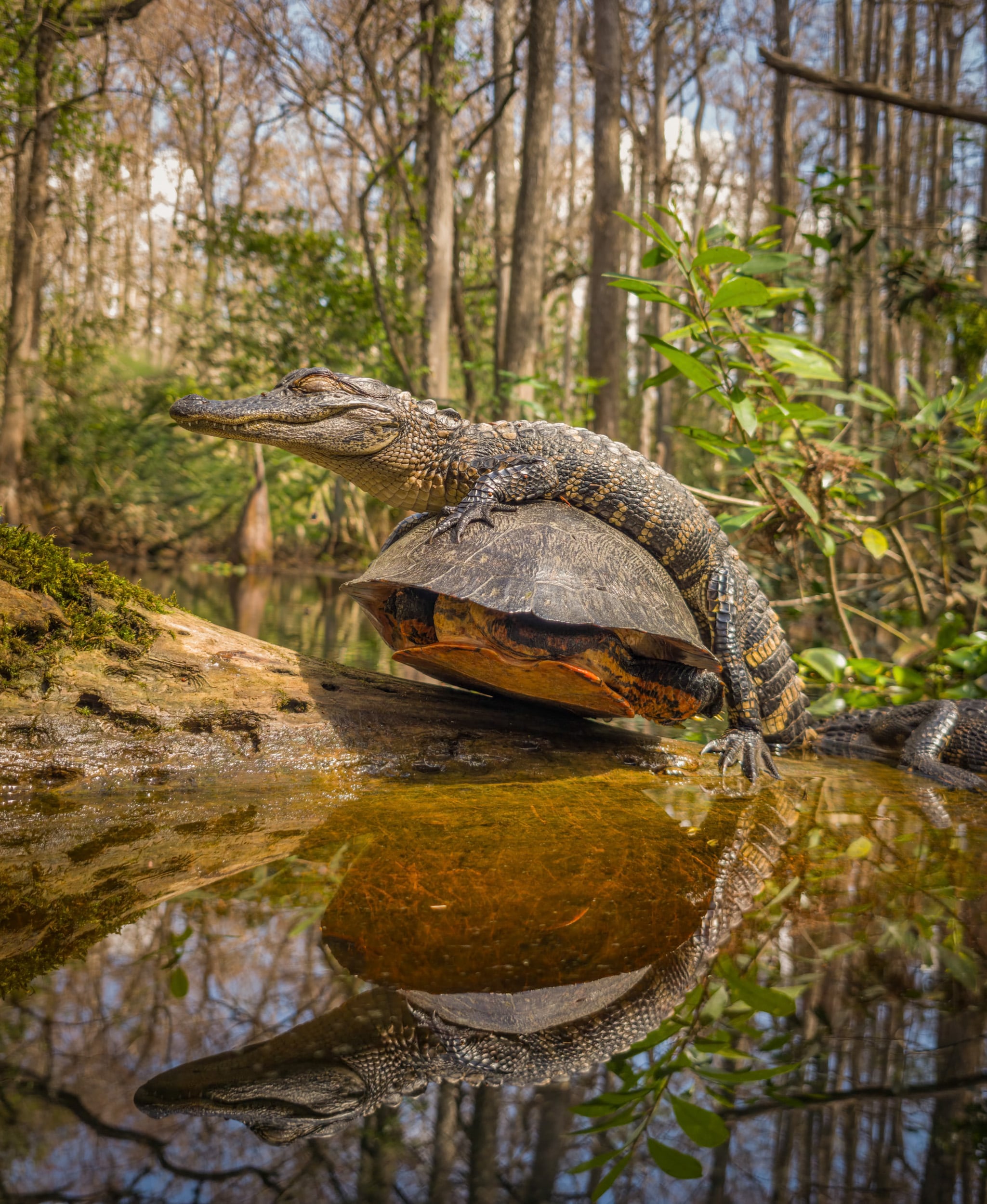 Alligator and turtle.
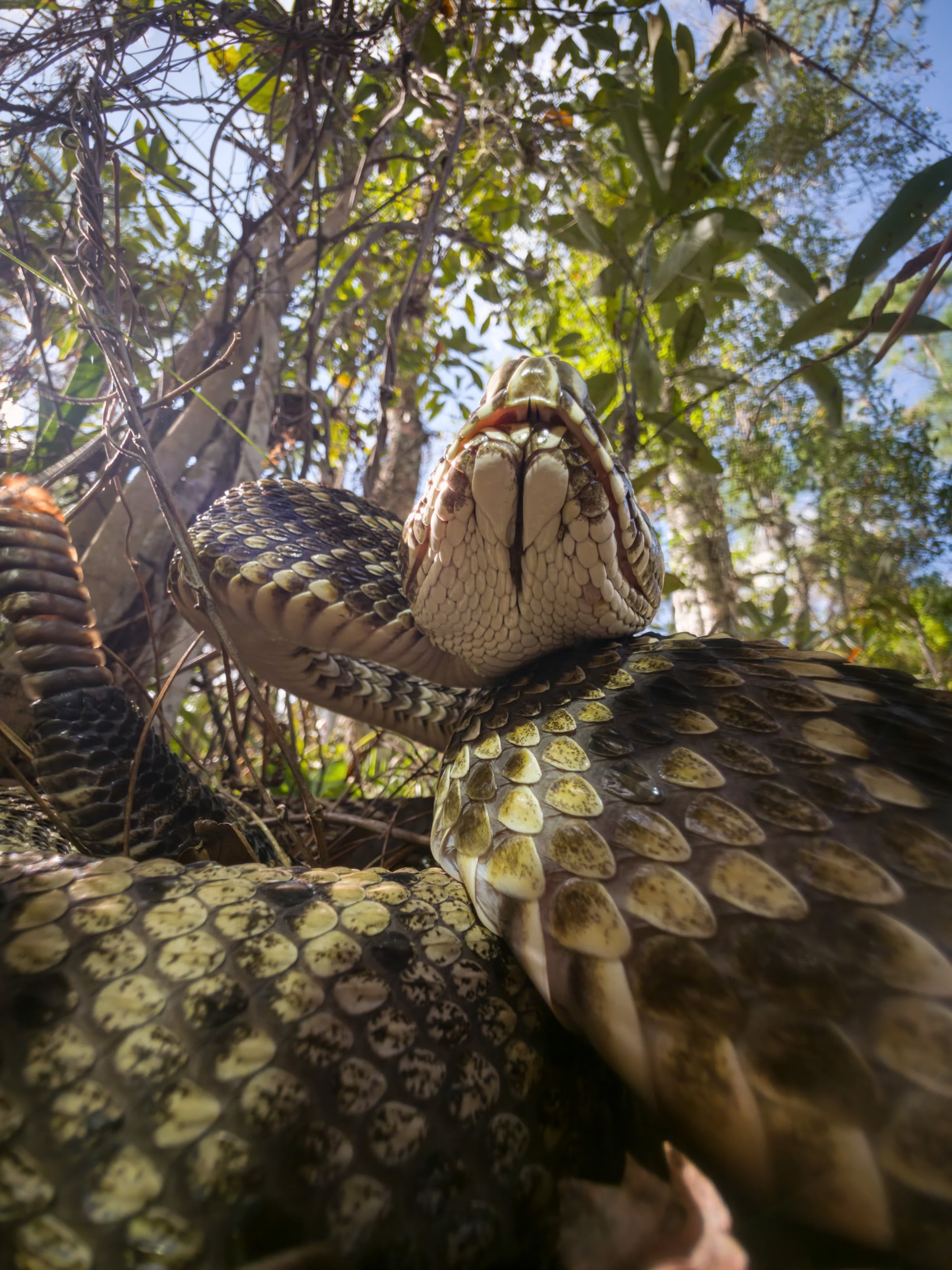 Eastern diamondback rattlesnake.
Grogin uses an extendable selfie stick paired with a Bluetooth remote shutter release to capture water-level images of alligators, frogs, snakes, moths, insects, and swamp species.
“I position the phone remotely at very low angles, often close to the surface or near the subject while keeping myself farther back to reduce disturbance,” Grogin, who shoots in Florida and Michigan, says.
“A big part of the work is fieldcraft: finding wild subjects, understanding their behavior, approaching carefully, and using the small size of the phone to get perspectives that would be extremely difficult with a traditional camera body and lens. I shoot in Samsung Expert RAW and keep the original RAW files for verification.”
It’s handy that he does because Grogin says people have accused his images of being fake, AI-generated, or shot with a traditional camera instead of a phone. “I understand why,” he says. “Because the perspectives can look unfamiliar at first glance.”
PetaPixel asks Grogin about one image in particular: an alligator family all piled on top of each other, which does look slightly uncanny. He sent PetaPixel the 200-megapixel, 16-bit RAW file for inspection; there’s nothing untoward.
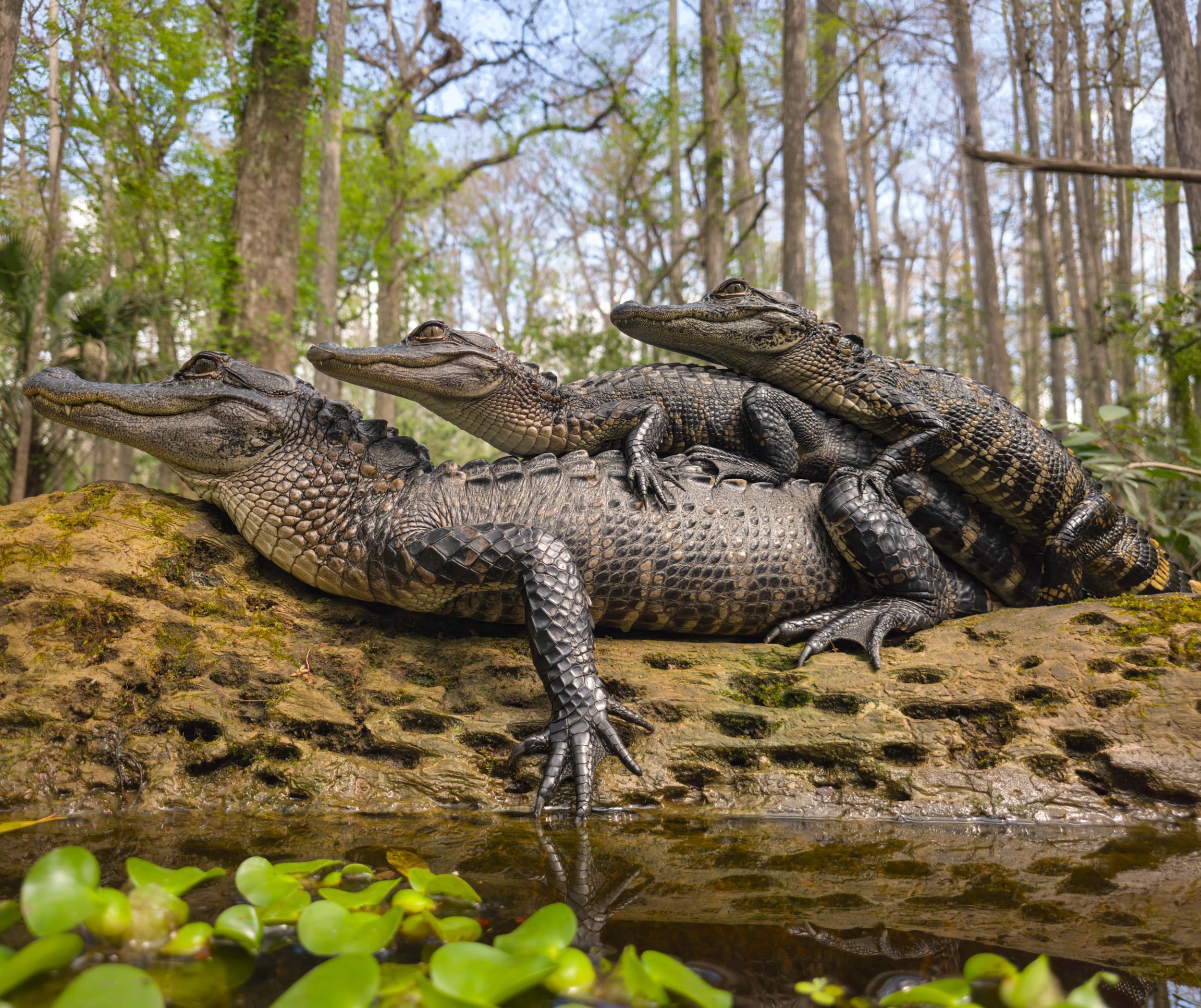 “It was the first time I had ever seen young alligators stacked like that in my life,” he explains. “The situation was calm and safe enough for me to briefly enter the water and place the phone very low and close from a perspective that would be difficult to achieve with a larger camera body and lens. That angle makes the behavior feel almost surreal, even though it was a real wild moment.”
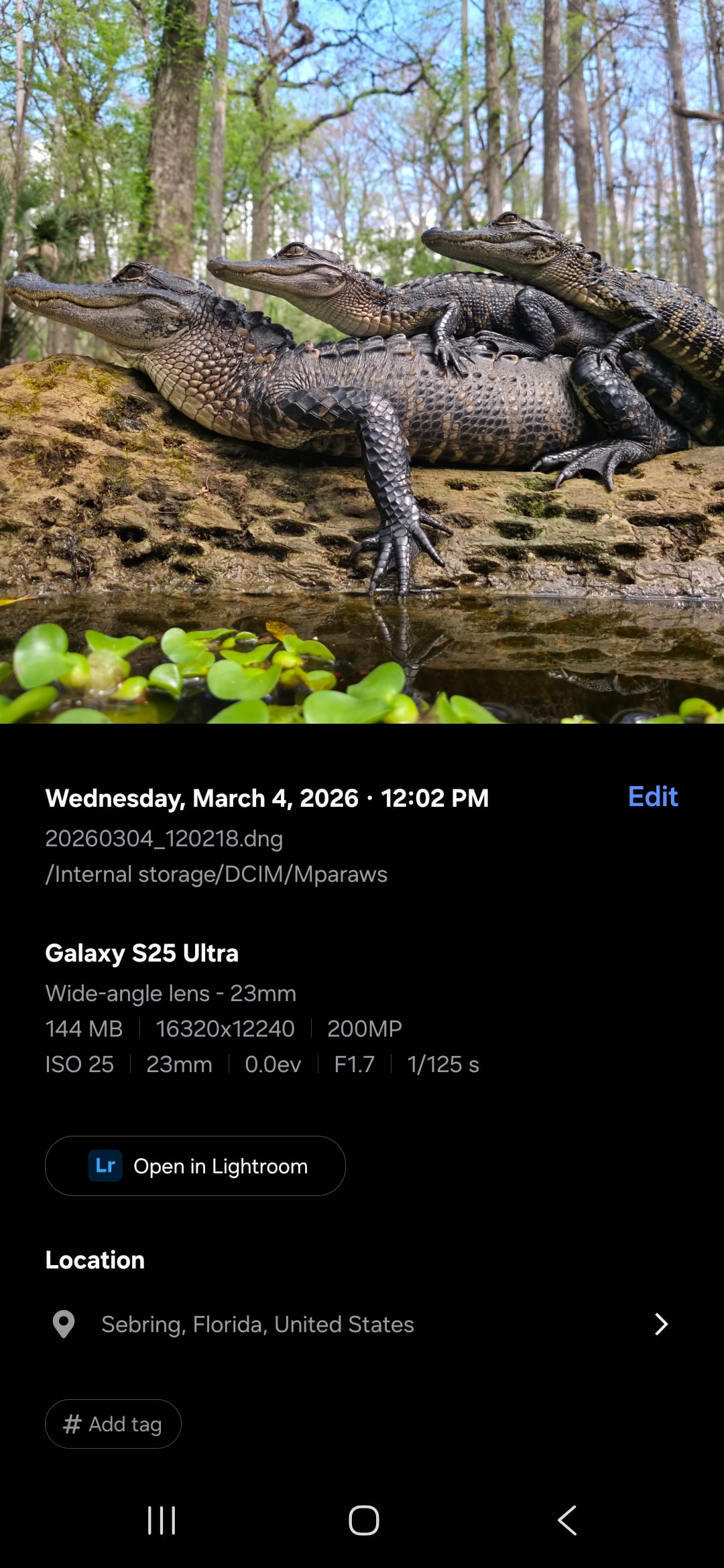 EXIF data.
Grogin says that his work is built around real wildlife encounters and doesn’t do captive setups. “In a way, the accusations have become part of the story: the images look unusual because the phone allows access to positions and perspectives people are not used to seeing in wildlife photography,” he says.
But despite some accusations of trickery, Grogin has been rewarded in international photography competitions, including the 35 Awards, in which he ranked in the top 100 for mobile and wildlife photography.
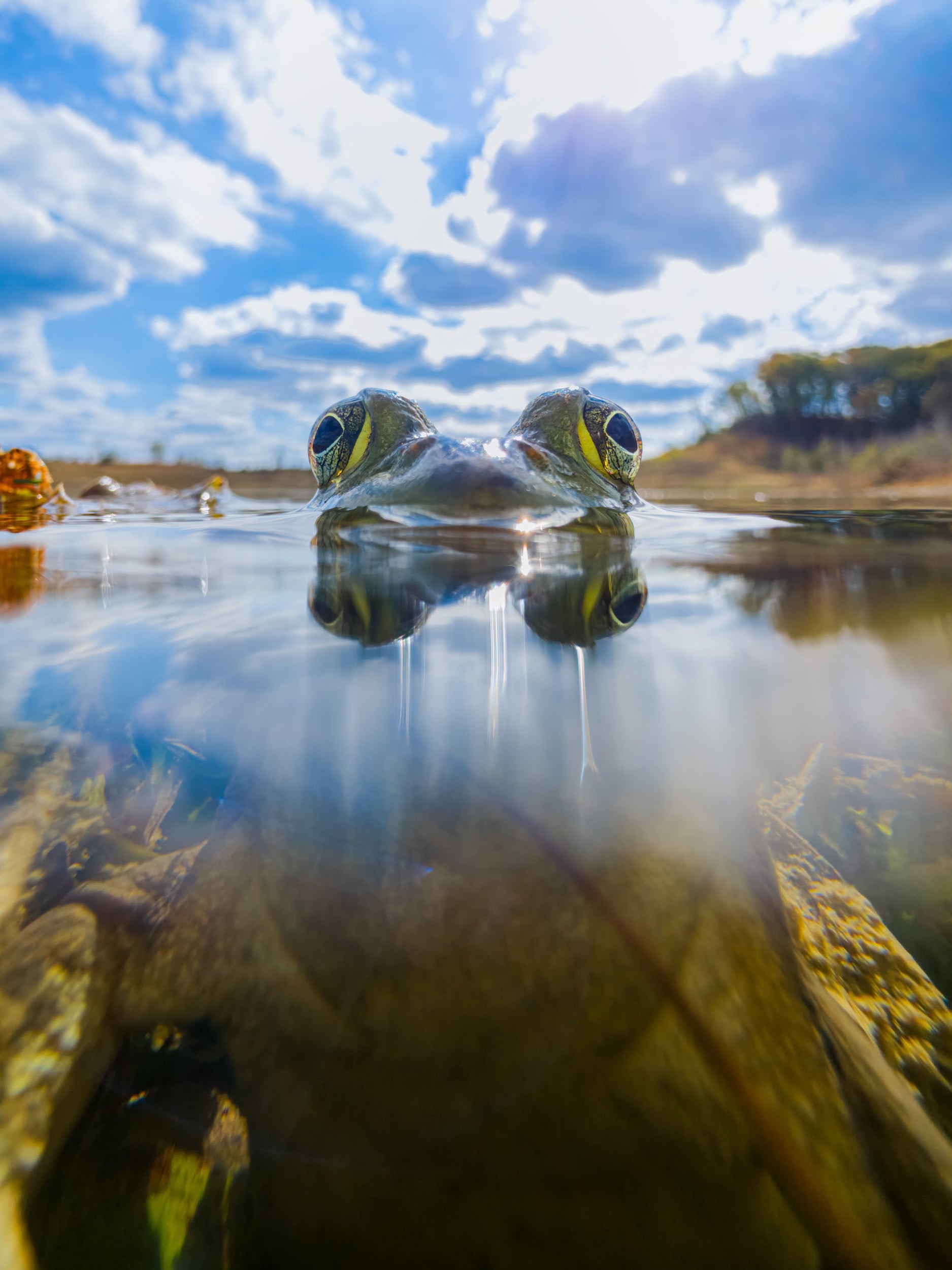 Split shot of a frog.
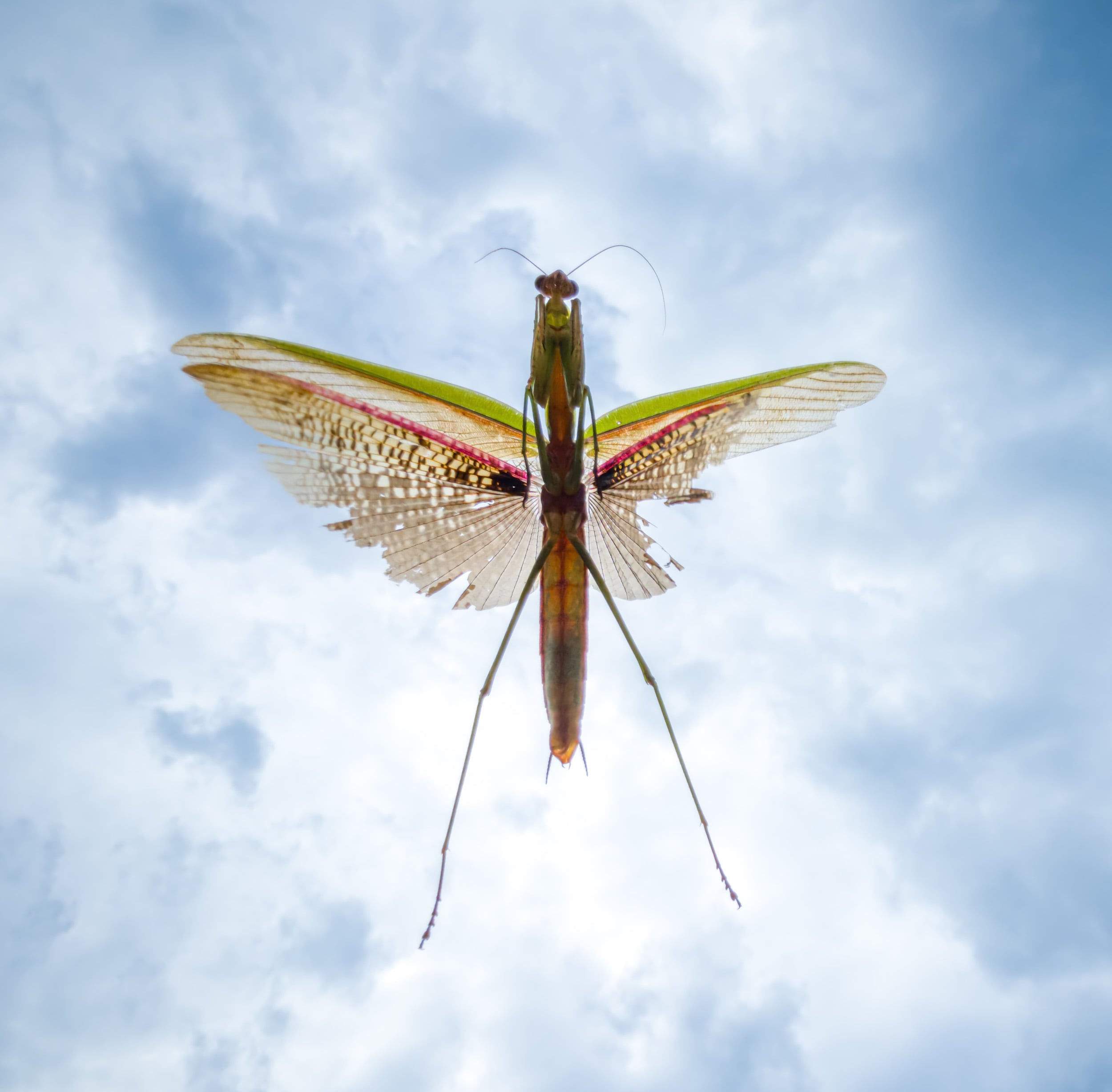 Mantis in flight.
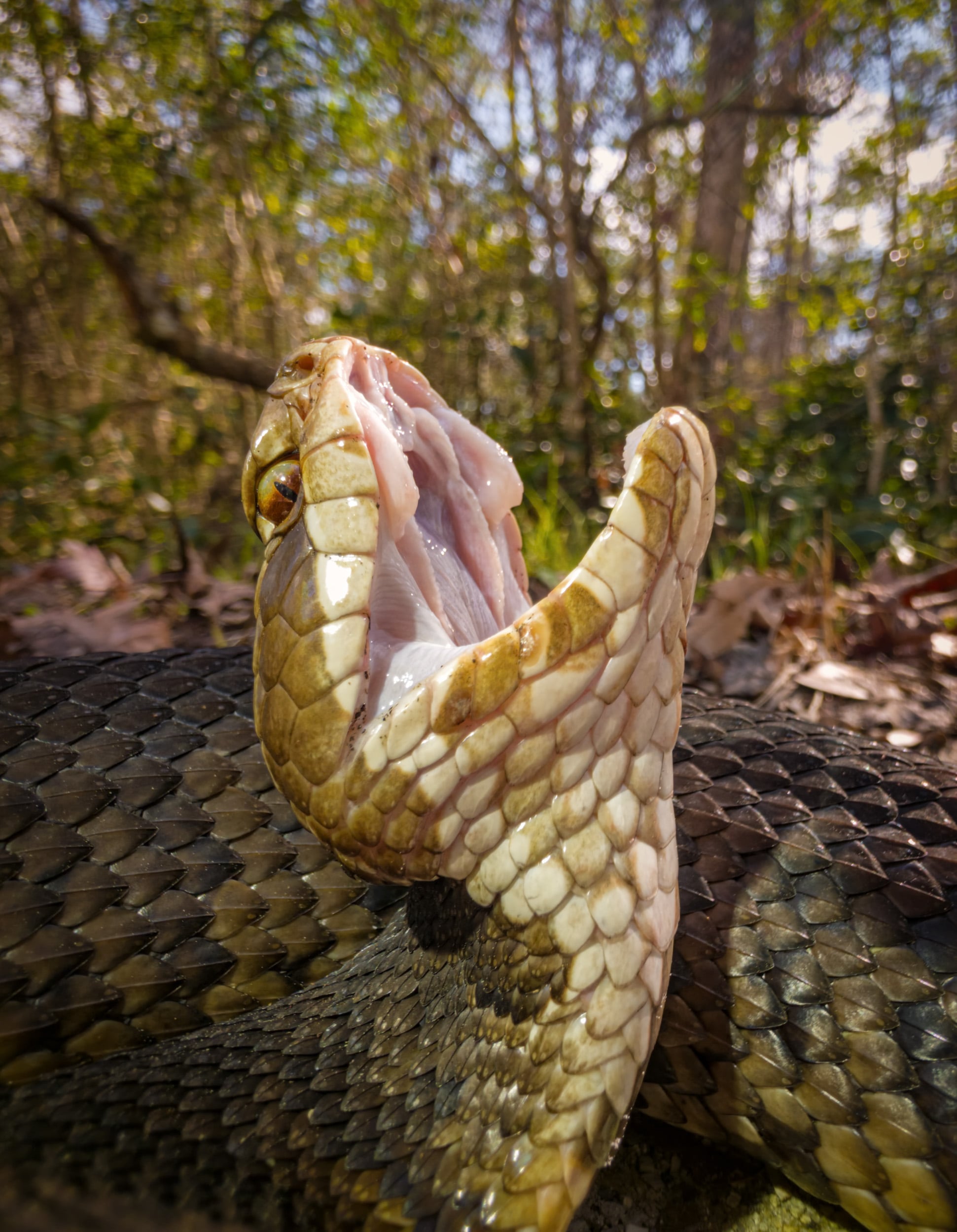 Cottonmouth gape.
More of his work can be found on his website and 500px.
Image credits: Photographs by Steve Scott Grogin






 English (US) ·