
 3 hours ago
8
3 hours ago
8
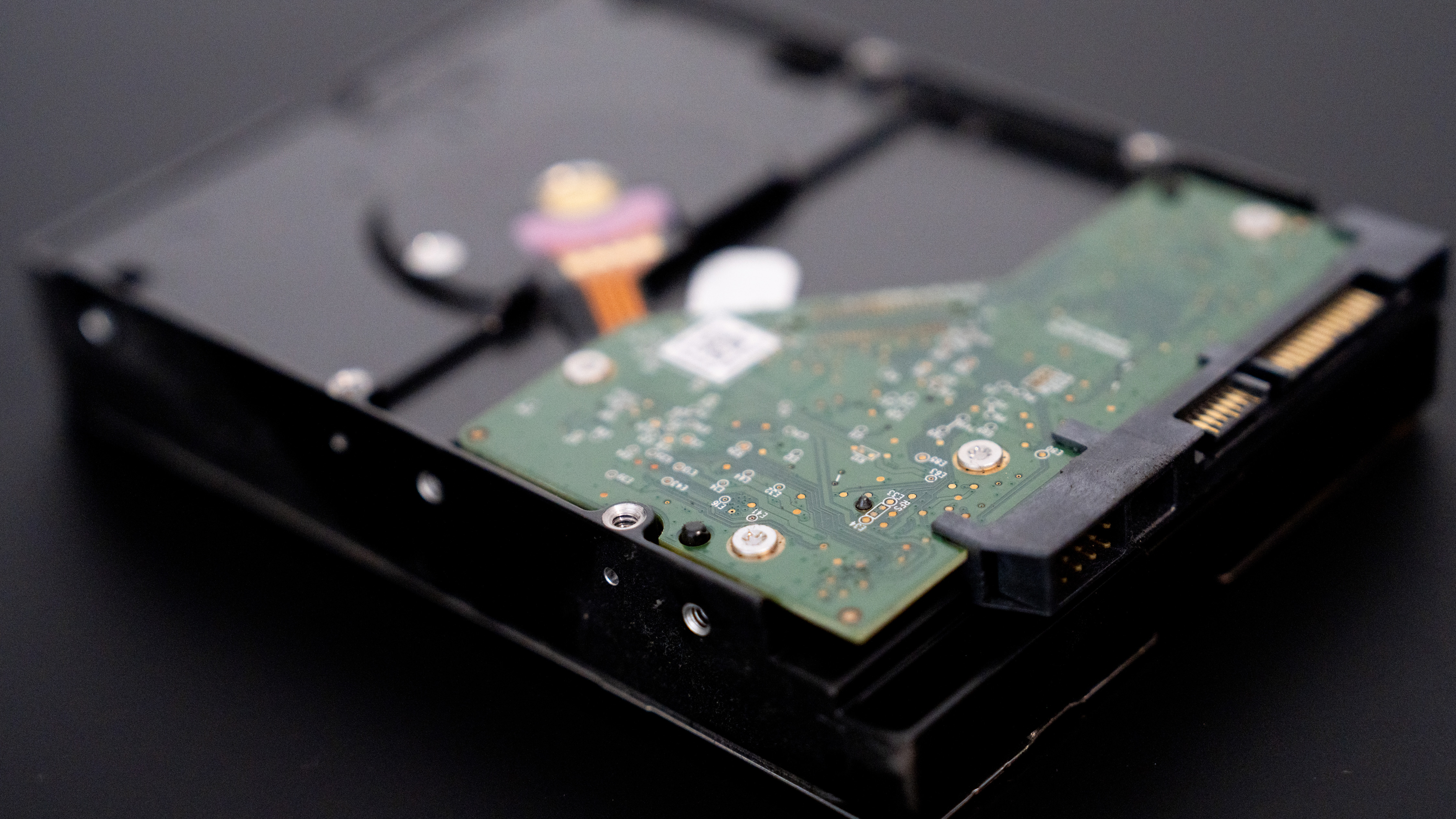
Economists Christoph Siemroth of the University of Essex and Yeomyung Park of Sungkyunkwan University have published a peer-reviewed IEEE study that re-crunches 12 years of Backblaze's public drive data, covering 443,156 hard drives and more than 1.66 million drive-years from 2013 through Q2 2025, and finds that HGST drives fail at roughly 41% of Seagate's rate when drives of matched age, capacity, form factor, and operating temperature are compared. WD comes in at about 52% of Seagate's failure rate, while Toshiba sits in last at 107%. As for the most reliable brand in the ranking? HGST, one you can't buy new after WD acquired it in 2012 and wound it down.
Go deeper with TH Premium: AI and data centers
Backblaze's quarterly reports compare whichever drives are available at the time, and the authors argue that approach stacks old drives against young ones because each manufacturer's fleet skews to a different era. HGST led new installations in 2014, Seagate dominated from 2015 to 2020, Toshiba topped 2023, and WD topped 2024, so raw annualized figures pit aging Seagate and HGST stock against much fresher Toshiba and WD units. A further 146,943 drives, about 31% of the sample, exited the dataset without ever failing, mostly pulled during capacity upgrades.
Toshiba's monthly failure rate more than quadruples once its drives pass 60 months in service, a monolithic jump that no other manufacturer in the dataset shows at any age. Between 50 and 100 months, Toshiba units failed at five to six per 1,000 drives per month, while the other three brands generally stayed at or below 2.5. Seagate's failure rate started highest among young drives but held steady with age. Backblaze's own analysis of its dead drives previously found most failures happened before three years of service.
Each additional one-degree Celsius of average drive temperature raised failure rates by 2.1% in the models, compounding to roughly 23% across a 10 degrees Celsius increase. Each extra terabyte of capacity cut failure rates by about 3.4%, which the authors attribute partly to helium-filled enclosures and newer head-fabrication processes in higher-capacity designs.
The dataset consists of enterprise drives run in Backblaze's data centers, so the ranking may not carry over to consumer models. Backblaze doesn't record comparable workload data across manufacturers, and only 0.52% of sampled drives ran longer than a decade, so the estimates reflect short- to medium-term reliability.
The authors also suggest WD's ownership of HGST plausibly explains why the two brands sit closest together, given the potential for shared technology. Backblaze's most recent annual report, published in February, put its fleet-wide annualized failure rate for 2025 at 1.36%.

Follow Tom's Hardware on Google News, or add us as a preferred source, to get our latest news, analysis, & reviews in your feeds.



 English (US) ·