
 8 hours ago
4
8 hours ago
4
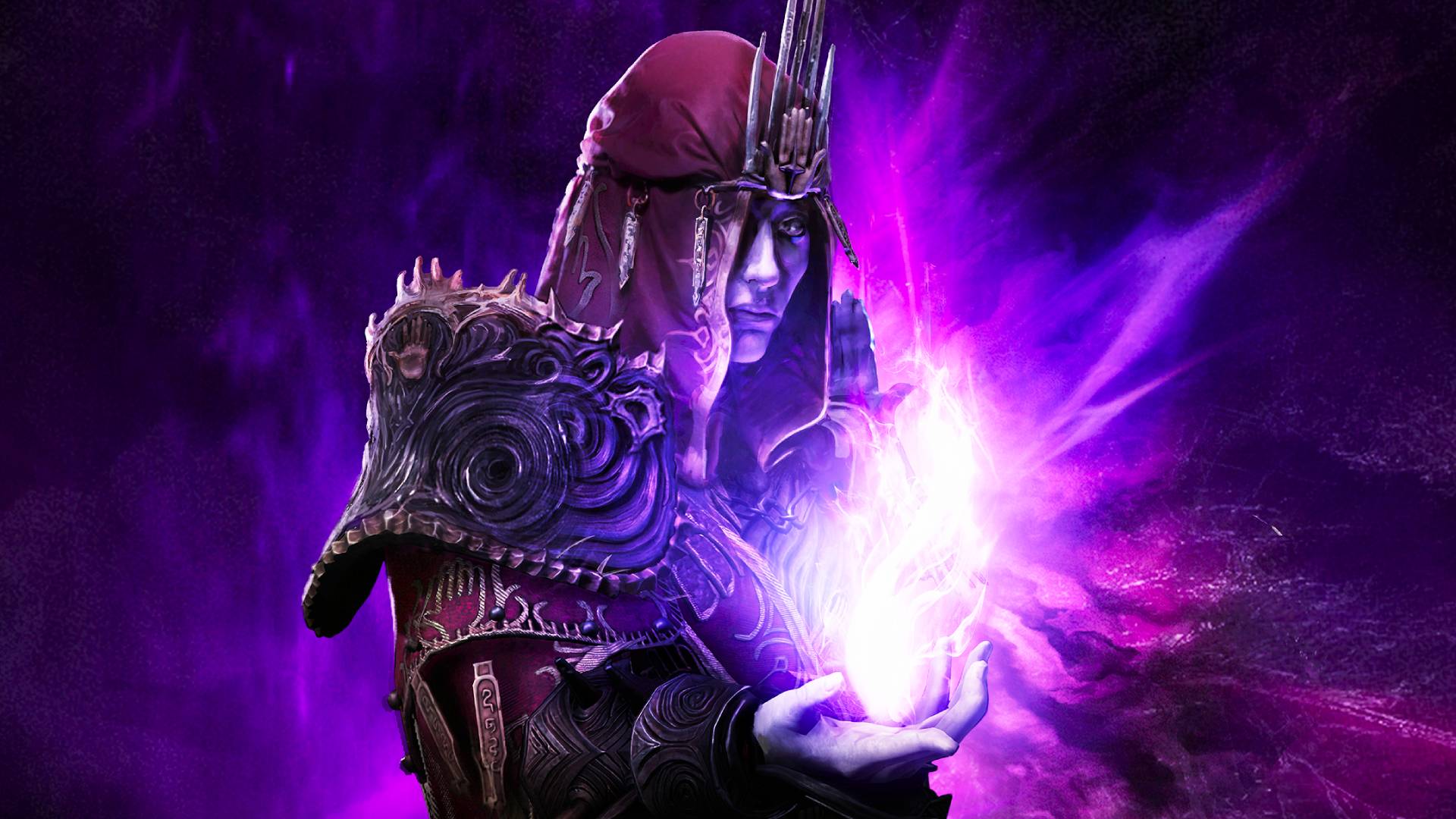
It's easy for us, sitting in our chairs of critique and our long, weary experience with the live service wringer, to decry the model as something inherently toxic for the industry. And yet we participate in a society—I mean, er—still play them. And while monetisation's gone far off the reservation in recent years, leaving us craving good singleplayer, one-and-done games, it's hard to forget that there was a time where live service really seemed like the future.
A person who bought into that glimmering well of potential was Chris Wilson, co-creator of Path of Exile, who left Grinding Gear Games in 2023 and has started a new studio since then. He's also, as many seasoned developers have done, begun a YouTube channel where he shares his thoughts (thanks, GamesRadar+).
One-Year Channel Update and Q&A - YouTube

In a recent Q&A, Wilson spoke on his changing opinions about game development. One such ideological shift? "10 years ago, I felt that live service was entirely upside, in all cases.
"It often meant that a game could be free, it meant that a game had variable monetisation, so people who didn't want to spend money didn't need to spend very much money … it meant that because a game was getting constant updates, there was always more to the game."
Seems like a win-win for everyone involved on paper, though 10 years in the live service wringer and we're all certain that's not the truth. Wilson says that, naturally, "there are also some drawbacks related to a game constantly needing to change to keep up with stuff and the relationship that community feedback has on the way that a game changes".
For instance, "a situation where you have to make certain changes, even if you do not believe that it's the right thing for the game because otherwise, your release will get boycotted, or you'll get review bombed … games that do not have any changes because they're just finished and complete often don't have these pressures because the players aren't going to be getting any patches".
Wilson makes a point that this isn't him dunking on live service games, particularly given that he was the creator of one of the most successful ones—after all, taking from Diablo's plate is no small feat: "I'm not arguing that one is necessarily better than the other."
However, he's "come to realise this is a far more nuanced field than I thought it was 10 years ago, where I just basically thought live service games were the future and I would've scoffed at something like Baldur's Gate 3 … There are so many different ways to monetise a game, every one of them has drawbacks."
I'm about to split hairs on poor Wilson, here—but Baldur's Gate 3 is an interesting game to cite, because it did sort of blend the two for a time. Not that I'd suggest Larian's masterwork is a live service game, but it went through an extensive early access period with suggestions from the community, and eight significant patches with new features. Technically-speaking, that's around a year and a half of continued support.
But it is absolutely a game that's done, finished, polished to a sheen—and personally-speaking, I do like it when videogames start and finish, as well as an appealing dopamine-hit grind. It's past time the pendulum swung the other way, especially given the mass graveyard of live service games plaguing the industry at the moment.








 English (US) ·