
 2 weeks ago
10
2 weeks ago
10

Panasonic has unveiled the Lumix ZS300, a successor to the Lumix ZS200 announced back in early 2018. Like its predecessor, the ZS300, also known as the TZ300, combines a 15x optical zoom lens and a 20.1-megapixel Type 1 CMOS image sensor inside a compact, pocket-sized body. However, it also features a major downgrade in user experience.
Although there are minimal upgrades on offer in the new Lumix ZS300, and certainly no headline-grabbing improvements, the camera’s arrival has one notable benefit that has little to do with the camera itself. Its predecessor, the ZS200, has been discontinued for some time and is quite difficult to find on the market. With the arrival of the ZS300, photographers will once again be able to get their hands on this compact camera series at retailers.
There are two notable differences between the ZS200 and the new ZS300, aside from the move away from the two-tone gray and red aesthetic. There is now a USB-C port. The ZS200, given when it arrived, unsurprisingly featured a micro-USB port for data transfer and in-camera charging. Although the move to USB-C is likely due in part to relatively new European regulations, it is still a welcome change given the ubiquity of USB-C cables and power adapters these days.
The bigger change is that the ZS200’s 2.33-million-dot EVF has been removed. In its place is more plastic. This is the same move Panasonic made with its ZS99 point-and-shoot camera in late 2024.
 No more EVF.
Otherwise, the Panasonic Lumix ZS300 is a very familiar camera. As mentioned, it maintains the same imaging pipeline as before, including the 20.1-megapixel BSI CMOS Type 1 image sensor and Leica-certified 24-360mm equivalent 15x zoom lens. The zoom lens has a variable aperture ranging from f/3.3 at the wide end to f/6.4 as the user zooms. The camera’s native ISO range is 125 to 12800; it records JPEG and RAW (.RW2) photos, and it includes 22 built-in creative filters. The camera also has a built-in flash.

The ZS300 (TZ300) also has some speed. The camera can capture 4K Photo (8-megapixel) images at up to 30 frames per second and full-resolution photos at 10 frames per second. It also includes an AF Macro mode with a close focusing distance of just three centimeters (1.2 inches). The camera has five-axis Hybrid O.I.S. and Power O.I.S. to keep photos blur-free at slower shutter speeds and maintain stable video footage, even while moving.

Speaking of video, these specs are the same. The Lumix ZS300 records 4Kp30 video and Full HD footage at up to 120p.
The camera can connect to the accompanying Panasonic Image App on smartphones via Wi-Fi or Bluetooth, which Panasonic promises makes image transferring and sharing “fast and convenient.”
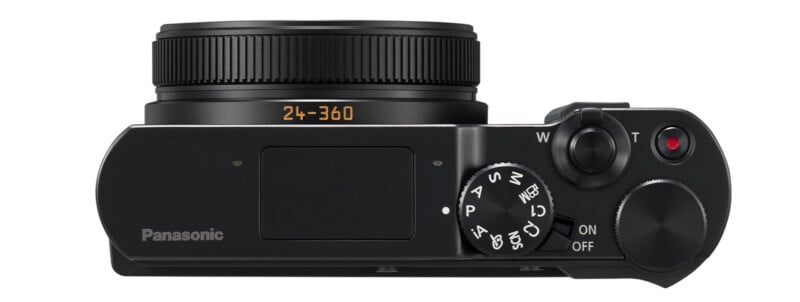
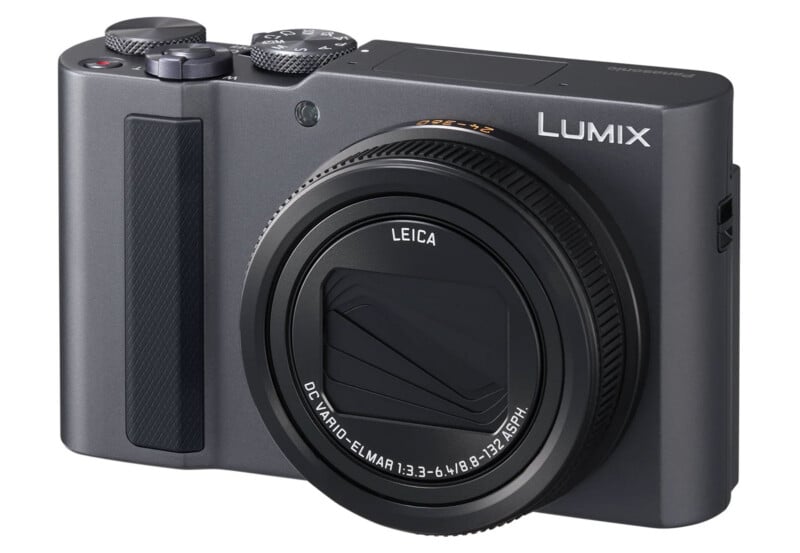 The Panasonic Lumix ZS300 (TZ300) also comes in silver, although it no longer features the red accent the ZS200 had.
Pricing and Availability
The Panasonic Lumix ZS300 will be available soon in black and silver colorways, priced at $899.99. This is a $100 increase over the ZS200’s launch price in early 2018.
Image credits: Panasonic







 English (US) ·