
 3 weeks ago
11
3 weeks ago
11

In the same way that top-fuel dragsters have no bearing on how we use everyday cars, overclocking the twangers off a CPU using extreme cooling methods doesn't have much practical use, but it's super fun to watch. The case in point here is that there's a new world record for the highest clock speed achieved by any desktop processor: 9,206 MHz with an Intel Core i9 14900KF.
You can check out the details of the record over at HWBot, but the first thing of note here is that the chip used isn't a 14900KS, the typical choice of chip for record breakers. That Raptor Lake processor was Intel's last hurrah in its previous era of 'clock speed beats all and power usage be damned'.
Only one P-core is actually fired up to the dizzying heights of 9.2 GHz, but even so, it's still one heck of an achievement. What makes it stand out to me, though, is that the fact that it's not all that far off 10 GHz, and when it comes to Intel's processors, that's somewhat of a legendary goalpost.
Back in 2000, when Intel launched the Pentium 4 processor, the chip giant was suggesting that 10 GHz processors could potentially become a reality within the space of five or so years, because of the rapid advances being made in photolithography and wafer process nodes.
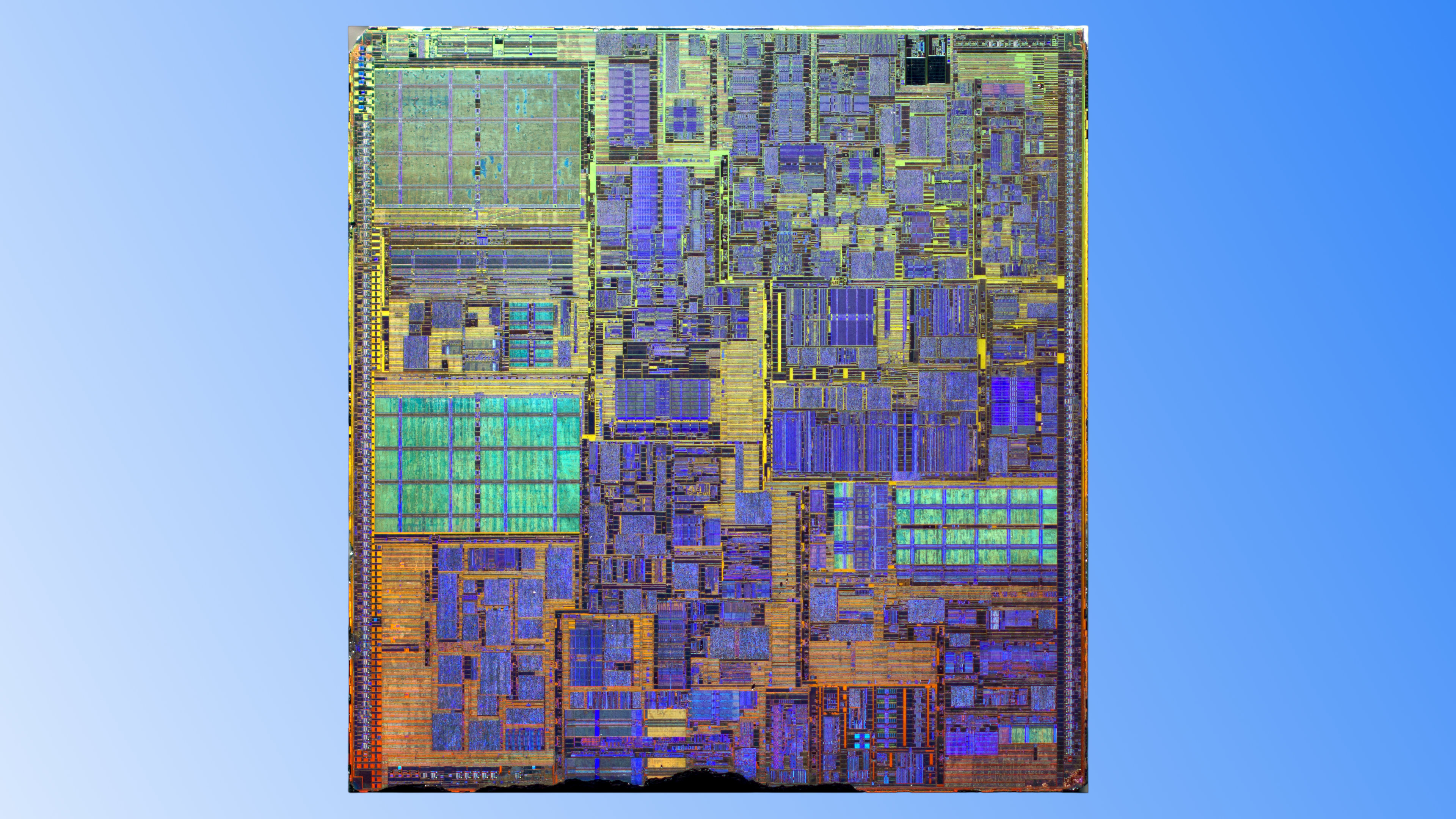
Intel employed all kinds of tricks to ramp up the clock speeds of its Netburst architecture, but ultimately ran into a massive power issue at around 3.8 to 4.0 GHz. At those speeds, the transistors were leaking so much energy that no amount of additional voltage or cooling could get the nanoscale switches to operate correctly.
Ultimately, Intel would abandon Netburst and its quest for 10 GHz in favour of a slower but more capable architecture that would come to be known as Core, and as the saying goes, the rest is history. Not that Team Blue would entirely give up chasing clock speeds, as Raptor Lake amply demonstrates.
With Arrow Lake and presumably Nova Lake, Intel has stepped back once more (power being once again a major issue), so we're unlikely to see top overclockers breaking the new world record with one of those chips. Still, you never know: Like mountain climbers of old, staring at the terrifying heights of Everest, K2, or Annapurna, that ten gig mark is now only 800 MHz away.
That's just 9% higher than what's been achieved. Just. Only. We're so close, but still oh so far away.






 English (US) ·