
- Osprey’s UK charging network is among the first to offer Autocharge tech
- Feature automatically charges registered accounts
- Dynamic pricing can result in cheaper charging sessions, too
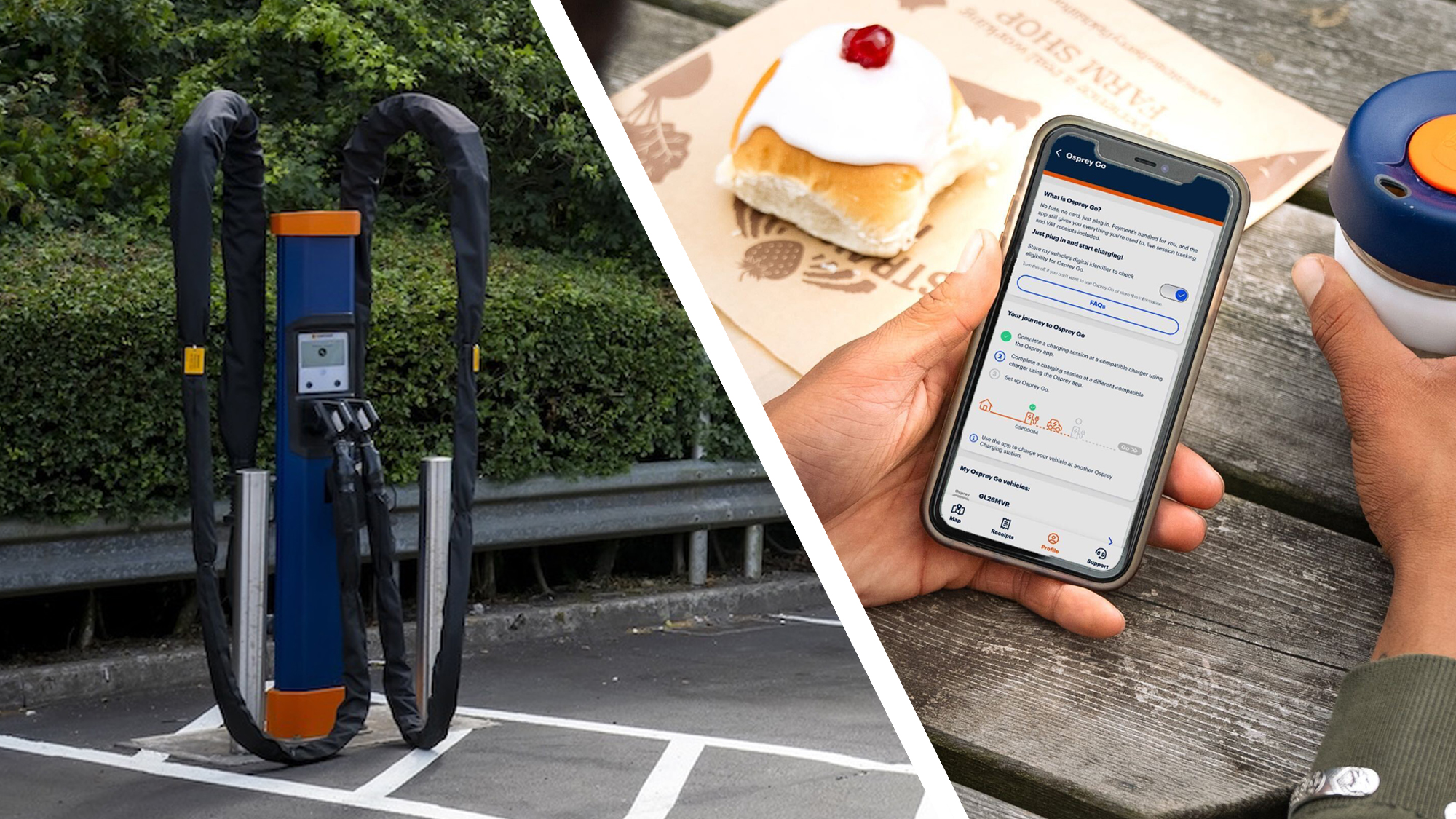
Osprey hopes to solve one of the most common EV charging headaches with new software that delivers automatic payment authentication and dynamic pricing to users of its rapidly expanding charging network.
Dubbed Osprey Go, the new app builds on existing Autocharge technology to authenticate vehicles automatically at the point of plug-in, which means drivers don’t have to fumble around with payment cards, nor do they have to download myriad apps in order to commence a charging session.
The company says its in-house-developed Osprey Iris platform underpins the app and takes care of everything from dynamic charging pricing to charge point management. It has been upgraded so it can now automatically identify compatible electric vehicles and proceed with a charging session without the pain points.
Once the customer has set up Osprey Go and entered their billing details, the software then requires two sessions started via the Osprey app to register the vehicle in its systems.
After that, Osprey Iris identifies the vehicle, starts the charging session and applies the best pricing, all without further input. Drivers simply plug in and walk away.
Osprey says it also applies the best charging rates for each customer based on the site and time of charging. Those plugging in during off-peak periods can get access to better rates at ultra-rapid charging sites.
“Osprey Go is a significant improvement to the EV customer experience,” Olly Cooper, CTO of Osprey, explains.
“We took Autocharge and we made it Osprey: building a simple set-up flow, testing it thoroughly, and offering the functionality to the widest range of drivers,” Cooper added.
Analysis: EV charging is still fragmented
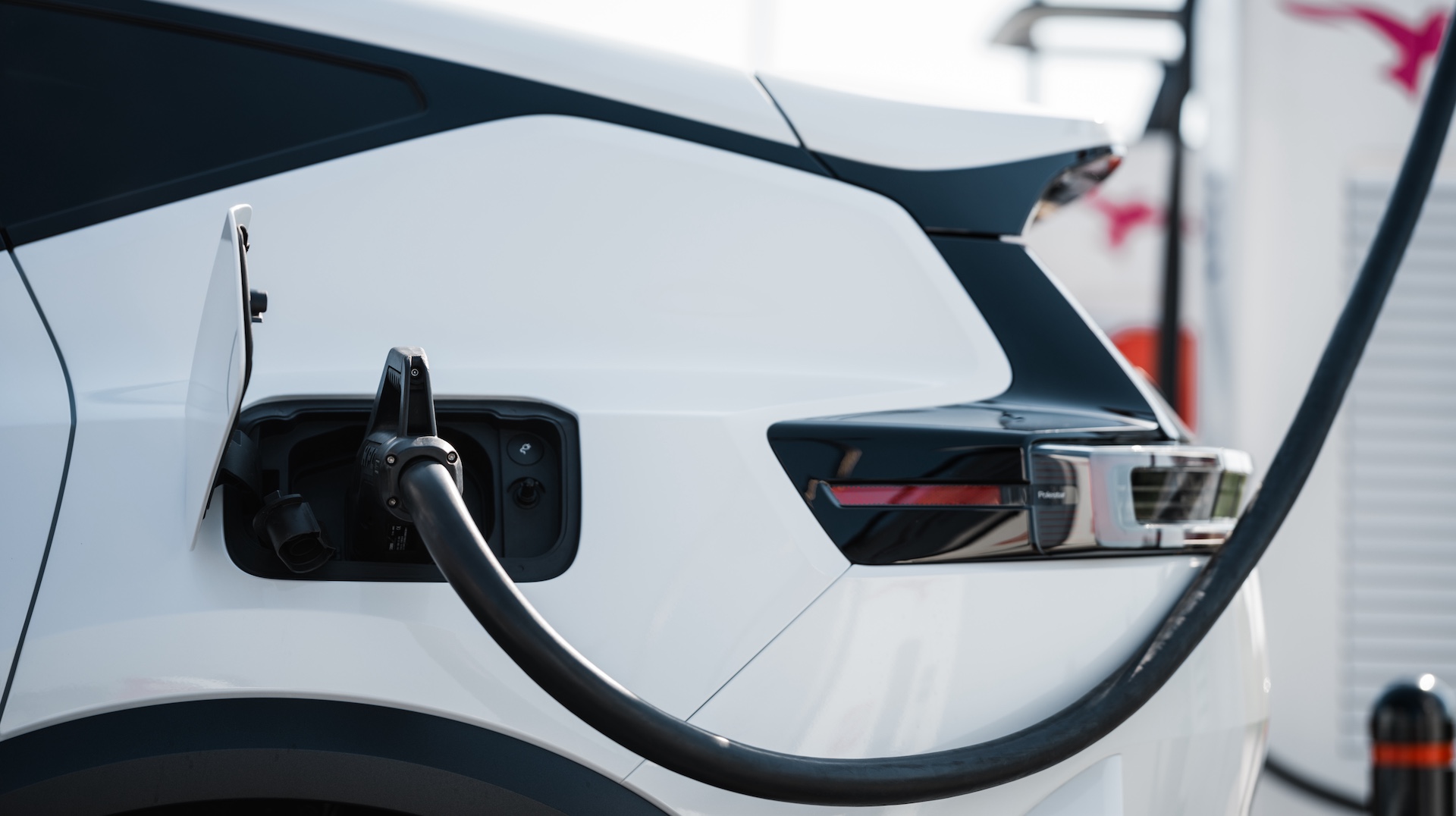
Although Osprey's technology might sound a lot like Plug & Charge, an ISO 15118-based authentication standard that stores payment details within the car and automatically commences charging sessions, it actually operates independently of it, meaning a much wider number of EVs can take advantage of the convenience.
But despite more manufacturers taking advantage of Plug & Charge, or similar in-house-derived variants of this, the network remains relatively fragmented.
There are a huge number of Charge Point Operators (CPOs) that all offer a variety of payment methods, ranging from RFID cards linked to their own accounts to tap-to-pay credit card options that sometimes require a temporary pre-authorization on your bank account that can take days to refund.
Osprey’s solution is undeniably convenient, but it is still limited to its own network, while it admits that Plug & Charge capability is planned as a "future addition to the platform". Anyone used to an automated payment system will have to download Osprey's app for now.
While those with regular commutes that pass the same charging networks will find that a solution like Osprey’s or Plug & Charge is perfectly amenable, it’s still not all-encompassing.
Unfortunately, EV owners still have to occasionally resort to fumbling with credit cards or frantically downloading an obscure app in an attempt to top up their batteries when venturing off the beaten path.

Follow TechRadar on Google News and add us as a preferred source to get our expert news, reviews, and opinion in your feeds.







 English (US) ·