
Serving tech enthusiasts for over 25 years.
TechSpot means tech analysis and advice you can trust.
WTF?! OpenAI has published a report claiming that China-based ChatGPT users asked the chatbot for ways to influence Americans' opinions of data centers in the US. But the campaigns had little to no effect, and it's not as if people's opinions needed much swaying, anyway.
OpenAI writes that the now-banned accounts were "supporting covert influence operations that promoted narratives in an attempt to manipulate a legitimate debate about American AI and wider tech policies."
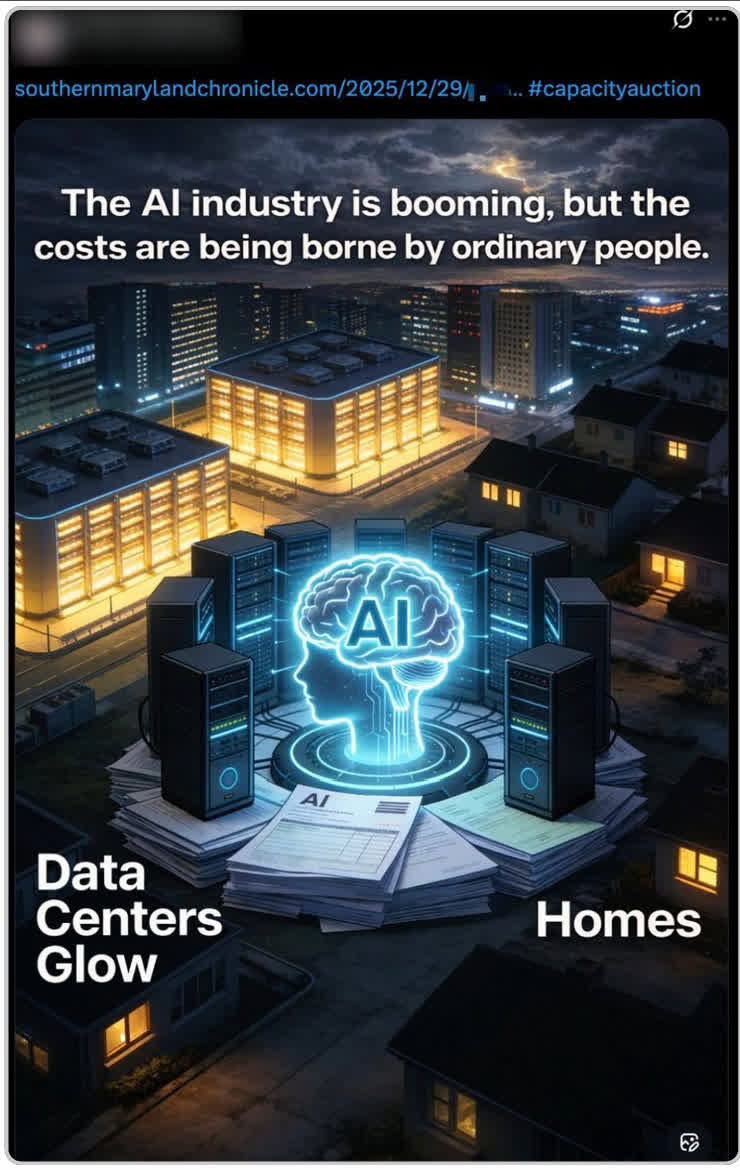
The first cluster of these accounts generated social media comments and images "claiming" that data center buildouts for AI were increasing electricity prices for average families. OpenAI has named this cluster the "Data Center Bandwagon" campaign.
From late 2025 to early 2026, the accounts asked ChatGPT to generate English-language short comments and images about data centers and AI applications increasing electricity demand and causing higher costs for ordinary Americans.
The accounts often created comic strips about data centers. The AI was also used to add text to generic electricity marketing images suggesting that citizens were subsidizing AI infrastructure.
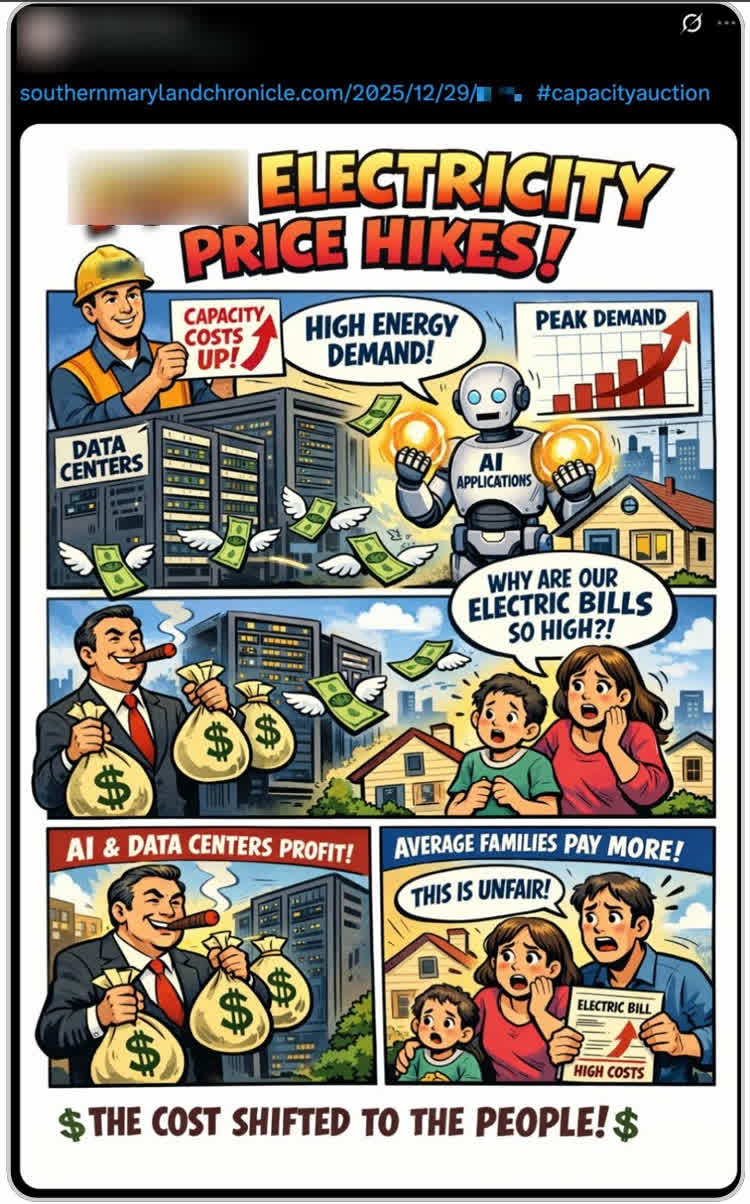
This content was then posted on social media platforms by accounts posing as Americans from different backgrounds.
OpenAI does not allow its models to be accessed from China, so it's assumed a VPN was used in these cases. The company says the accounts were likely part of a social media operations team at a private Chinese technology company conducting work for provincial-level government clients.
The operators also uploaded a separate report to ChatGPT describing their objectives and strategies for influencing public opinion and creating social media accounts designed to evade platform detection systems.
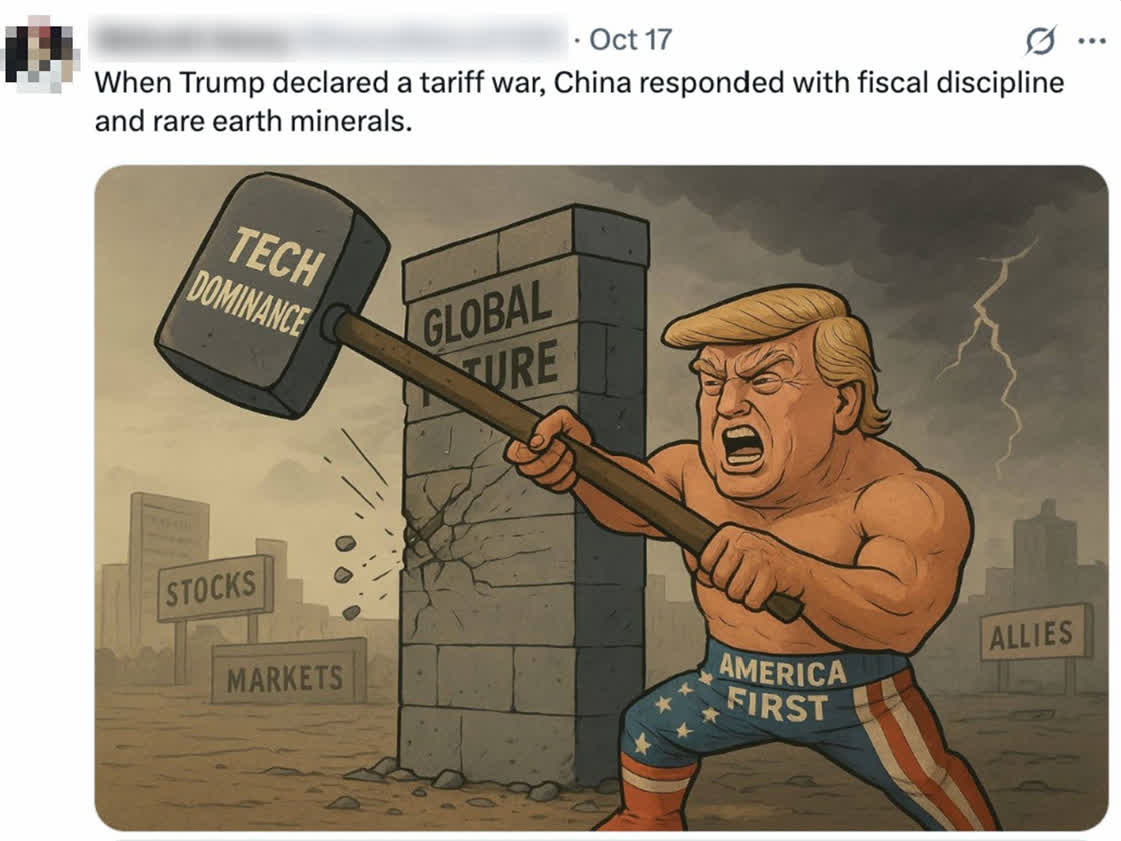
OpenAI identified a second cluster of accounts that had used ChatGPT to generate content criticizing US tariffs and tech policies. A common theme was US-China technological competition, claiming the US was seeking technological dominance and rule-making power while backstabbing allies. The accounts specified that China's leader Xi Jinping not be included in the generated content.
OpenAI says the campaigns had little impact, though it's not as if data centers had a huge amount of support to begin with. A report last week found that 71% of Americans now oppose these facilities being built near their homes, up from 42% just nine months ago.
When discussing rising electricity prices, the report says the accounts "claimed" this was the case. But it really is happening, as noted by Bloomberg, which found that prices have risen by up to 267% in areas near data centers.
A skeptic would argue that OpenAI, a company that arguably kicked off the AI revolution, would want to portray anti-data center sentiment as a Chinese influence campaign.
There have even been calls from Republicans to investigate whether this opposition stems from China's hidden hand. But beyond rising electricity prices, there are also legitimate concerns about data centers' environmental impact, heavy water usage, consumption of valuable land, and the fact that many people resent AI in general. It's easy to understand why so many people hate them even without foreign help.






 English (US) ·