
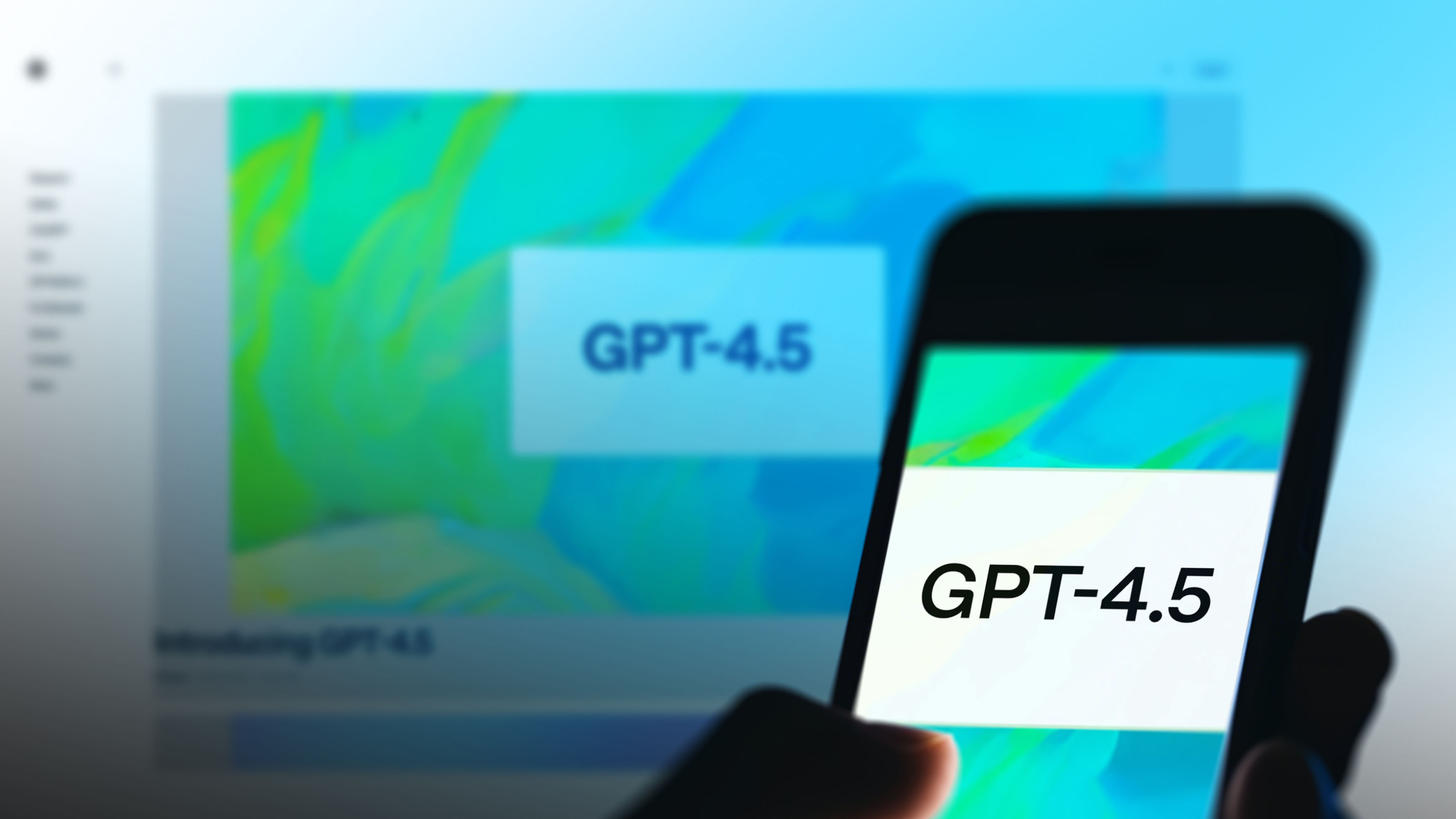
- OpenAI is retiring GPT-4.5, the final GPT-4 model still available in ChatGPT
- The move closes the chapter on the AI model that helped spark the generative AI boom
- Some people are already nostalgic for GPT-4 and GPT-4o, despite newer models being more capable
It was easy to miss because there was no big announcement, but OpenAI has confirmed it is retiring the last of the GPT-4 models from ChatGPT. A simple post in ChatGPT’s release notes said: “Today, we’re continuing to retire older models with limited usage in ChatGPT so we can better serve our newer, most capable models.”
OpenAI o3 will be retired from ChatGPT on August 26, 2026 following a 90-day sunset period, and GPT-4.5 will disappear on June 27, 2026 following a 30-day sunset period, so you still have a limited time to use the models.
Both o3 and GPT-4.5 are currently only available to paid ChatGPT users via its model settings.
User reaction on X.com from ChatGPT users expressed many people’s annoyance that these two models were being retired. “To this day, 4.5 is the best writing model. o3 was a native pure reasoning model. 5 series still doesn't match what those two had”, commented X user Striver.
The AI that changed everything
In many ways, GPT-4 and its offshoots — especially GPT-4o — were the models that changed everything. It was the replacement of ChatGPT-4o by the newer ChatGPT-5 that created such a large user backlash that OpenAI actually brought it back for a limited period of time, before ultimately carrying out its threat of removing it forever, once ChatGPT-5 had improved.
The retirement of GPT-4.5 means there are now no GPT-4 models left inside ChatGPT, signaling the end of a remarkable chapter in AI history.
GPT-4 was the model that convinced millions of people that AI was no longer a futuristic curiosity. It wrote essays, passed exams, coded apps, analyzed images, and sparked both excitement and anxiety about what might come next. For many people, it was the first AI that felt genuinely intelligent.
Today, when people argue about whether GPT-4, GPT-4o, GPT-5, or the latest reasoning models are "better," it's often more to do with how they feel than what they can do. As my colleague Eric Hal Schwartz recently discovered, the personality of a chatbot can have more influence on whether you prefer it than almost anything else.
Bigger, better, less?
AI progress doesn't always feel like a straight line. New models arrive with better benchmarks, faster responses, and more capabilities. Yet they can also lose some of the qualities that made people connect with earlier versions.
OpenAI is betting that few people will miss GPT-4.5 now successors like GPT-5.5 have taken over. Yet the backlash that followed GPT-4o's retirement suggests otherwise. For the first time in computing history, people aren't just nostalgic for old software. They're nostalgic for old personalities.
GPT-4 and its offshoots like 4o were the models that transformed AI from a fascinating curiosity into something people genuinely used, relied on, argued about, and in some cases even fell in love with. It feels like today's retirement deserved more than a passing mention on a product release page.
Enjoy your retirement, GPT-4. You've earned it.

Follow TechRadar on Google News and add us as a preferred source to get our expert news, reviews, and opinion in your feeds.






 English (US) ·