
Onimusha: Way of the Sword has blown me away after 30 hours with its engaging, emotional, and immersive narrative, filled with epic combat encounters. Capcom nailed the sword-fighting in almost all areas, further aided by some of the best boss battles I've ever played in the action-adventure genre.
Review info
Platform reviewed: PC
Available on: PS5, Xbox Series X, Xbox Series S, PC, Nintendo Switch 2
Release date: September 4, 2026
The enemy variety in Way of the Sword appears a little weak initially, but fortunately, there is surprisingly a decent number of diverse enemy types to tackle, some of which will put players' skills to the test, and enemies that tie directly to some of the darker and morbid aspects of the story — giving me every bit of motivation to defeat those responsible.
Much like previous games in the Onimusha series, upgrades and enhancements work by collecting red souls from defeating enemies or by finding other necessary resources to stay well-equipped for more difficult encounters or boss fights (because there are many of them).
Latest Videos FromTechRadar
Capcom has blended elements from the beloved franchise with modern elements (notably thanks to the RE Engine, used in Resident Evil Requiem), creating a sword-fighting, narrative-driven experience that successfully revitalizes the franchise for future entries — and yet again, it proves that it's in the best form it's ever been in.
What it takes to be the strongest
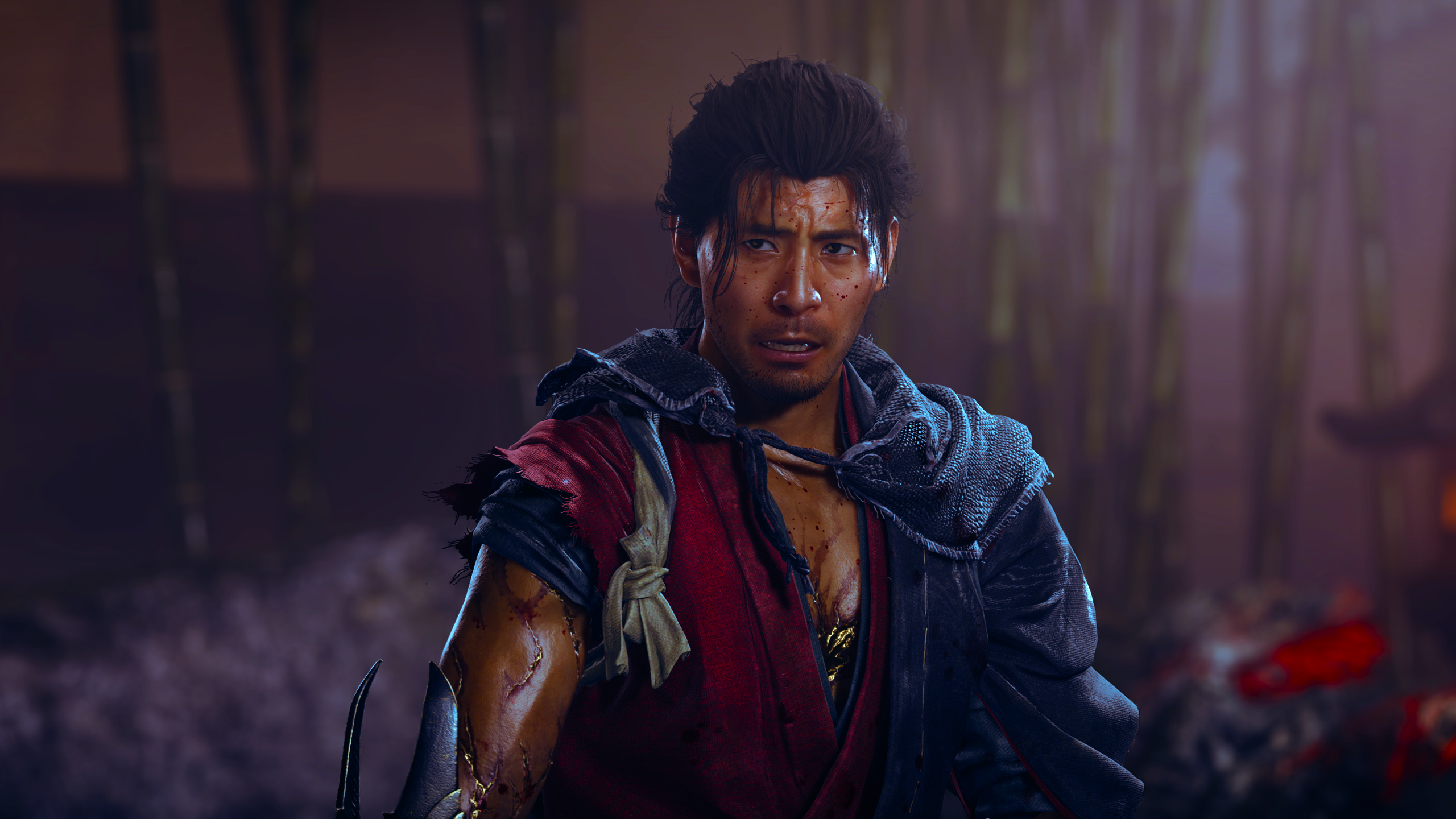
In Onimusha: Way of the Sword, we follow Miyamoto Musashi, a confident young samurai looking to climb to the very top to be the best swordsman there is, battling rivals and those with the same goal. When an encounter with a fierce rival, Sasaki Ganryu, goes wrong, both Musashi and Ganryu are thrust into lives and roles neither could ever expect.
Genma (demons) are seeping into Kyoto, Japan, from the depths of hell, and chaos is unfolding, with the lives of innocents taken brutally, and formidable Genma tormenting those who are vulnerable.
Musashi and Ganryu seek the same goal: master the blade and become the ultimate swordsman. However, both will eventually learn that far more important matters are at stake: humanity's attempt to repel Genma is in dire need of attention, and with Ganryu led astray, it's up to Musashi to forge the right path to heroism.
Equipped with Oni gauntlets, Musashi and Ganryu possess strengths far above the ordinary human, with plenty of abilities to challenge and defeat Genma. However, as expected, with that power comes plenty of responsibility.
Do strength and power derive from one's own efforts? Is it honorable to seek absolute power with the sacrifice of innocents? These are questions Musashi is left to answer throughout his journey, learning through victory but also through trial and error, ultimately creating an engaging rollercoaster that kept me on the edge of my seat.
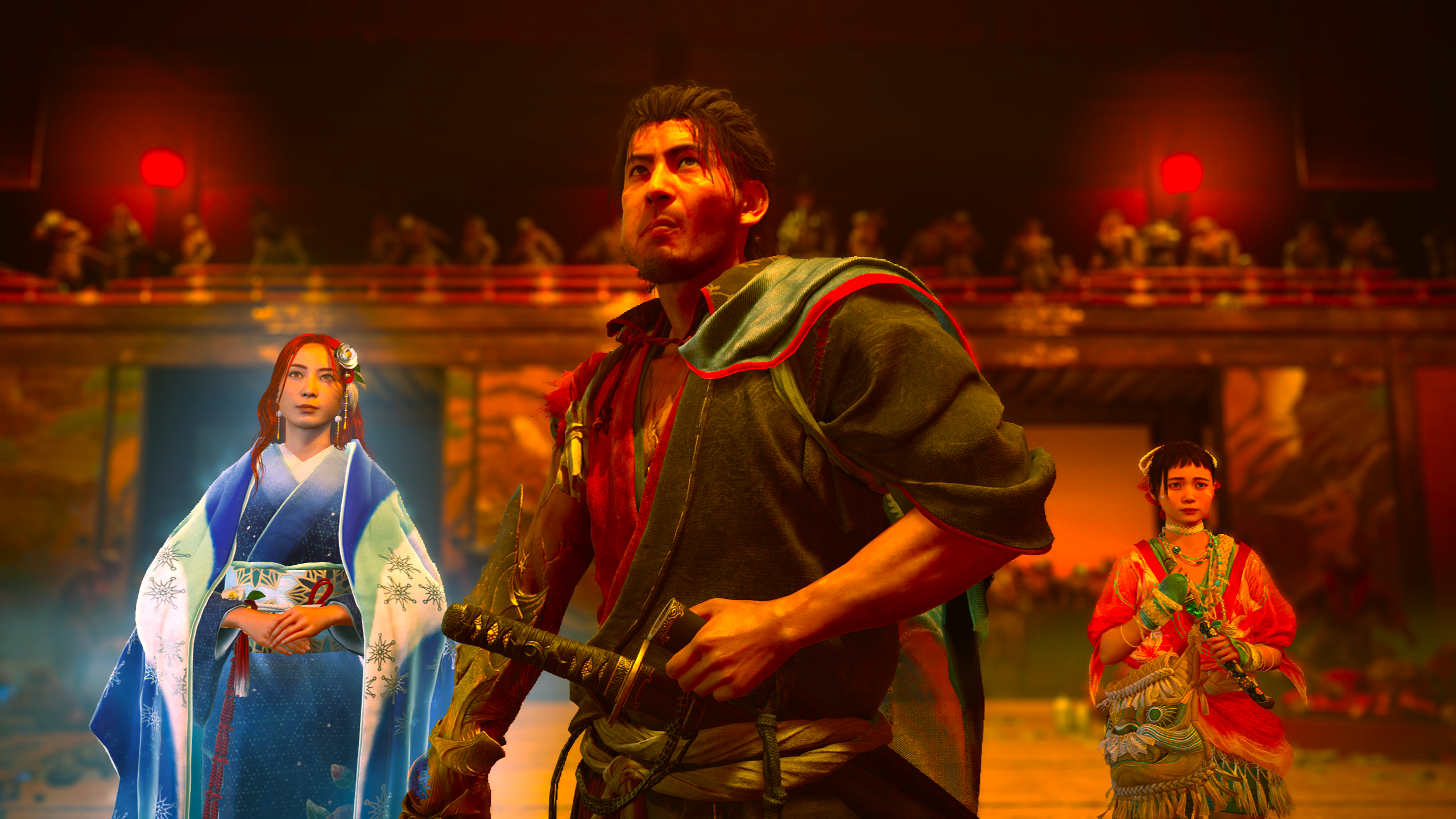
Musashi is far from perfect in his use of Oni powers, but the character's development throughout the Way of the Sword and his bravado (significantly amped by the face model of the late and legendary Toshiro Mifune) are the strongest aspects of the game, keeping you coming back for more after each main story mission.
Miyamoto Musashi shines in every single cutscene, with a level of charisma that accurately represents the legendary Japanese figure, Musashi himself, and Toshiro Mifune's prowess. (Video Credit: Capcom)
As much as Onimusha: Way of the Sword maintains a strong focus on sword combat, it's very much a strong cinematic experience, with cutscenes that are absolutely phenomenal. The level of detail in every character's facial expressions and speech makes it feel like you're watching a movie at times.
Unfortunately, that makes the switch back to gameplay and dialogue sequences quite jarring. It's not that the visuals aren't great during gameplay; it just doesn't match up to those cinematic sequences, and I found myself constantly wishing gameplay looked as great as those important cutscenes — but ultimately, those beautiful visuals are designed for what's most important: the story.
Exceptional, addictive sword combat
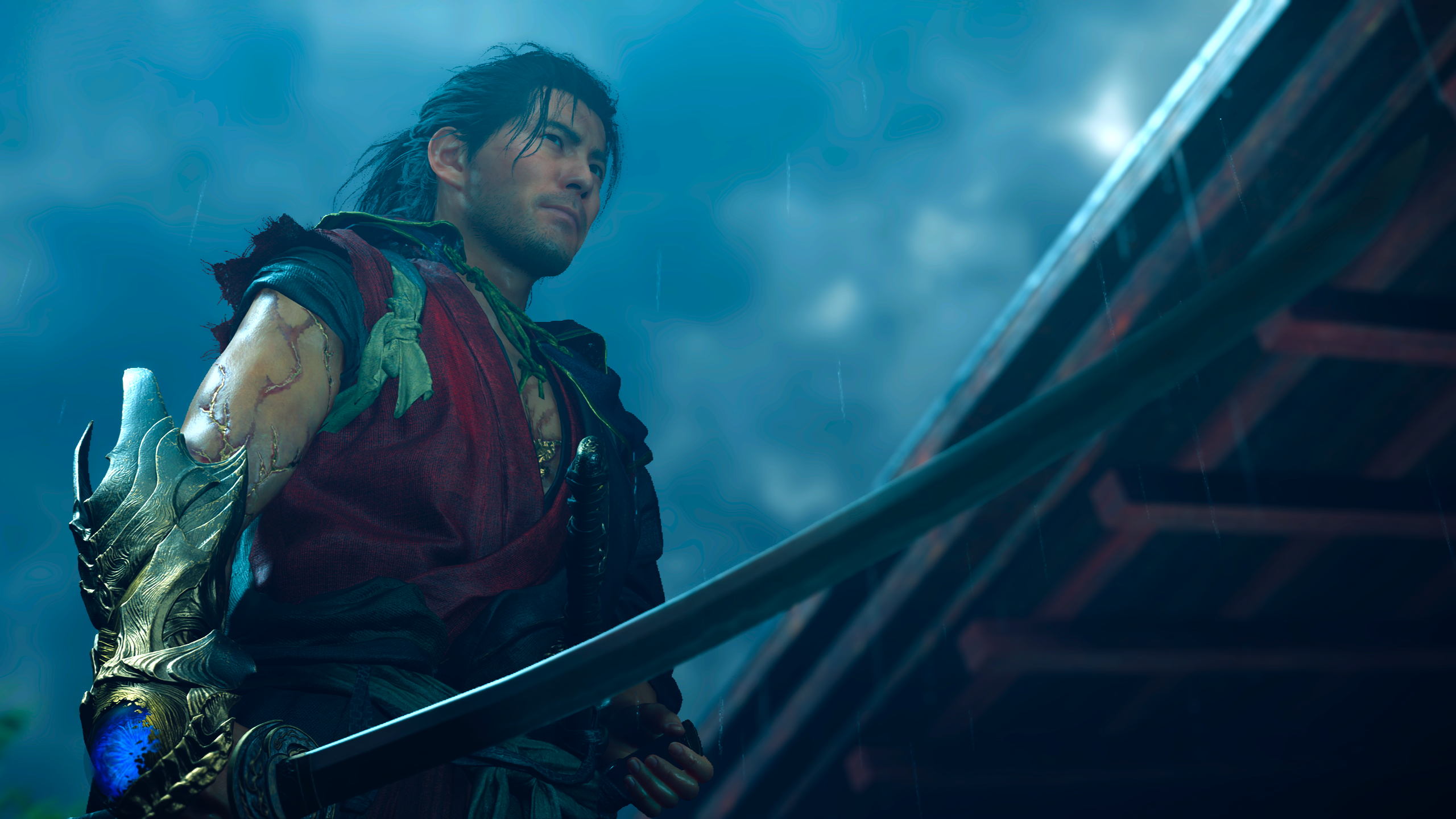
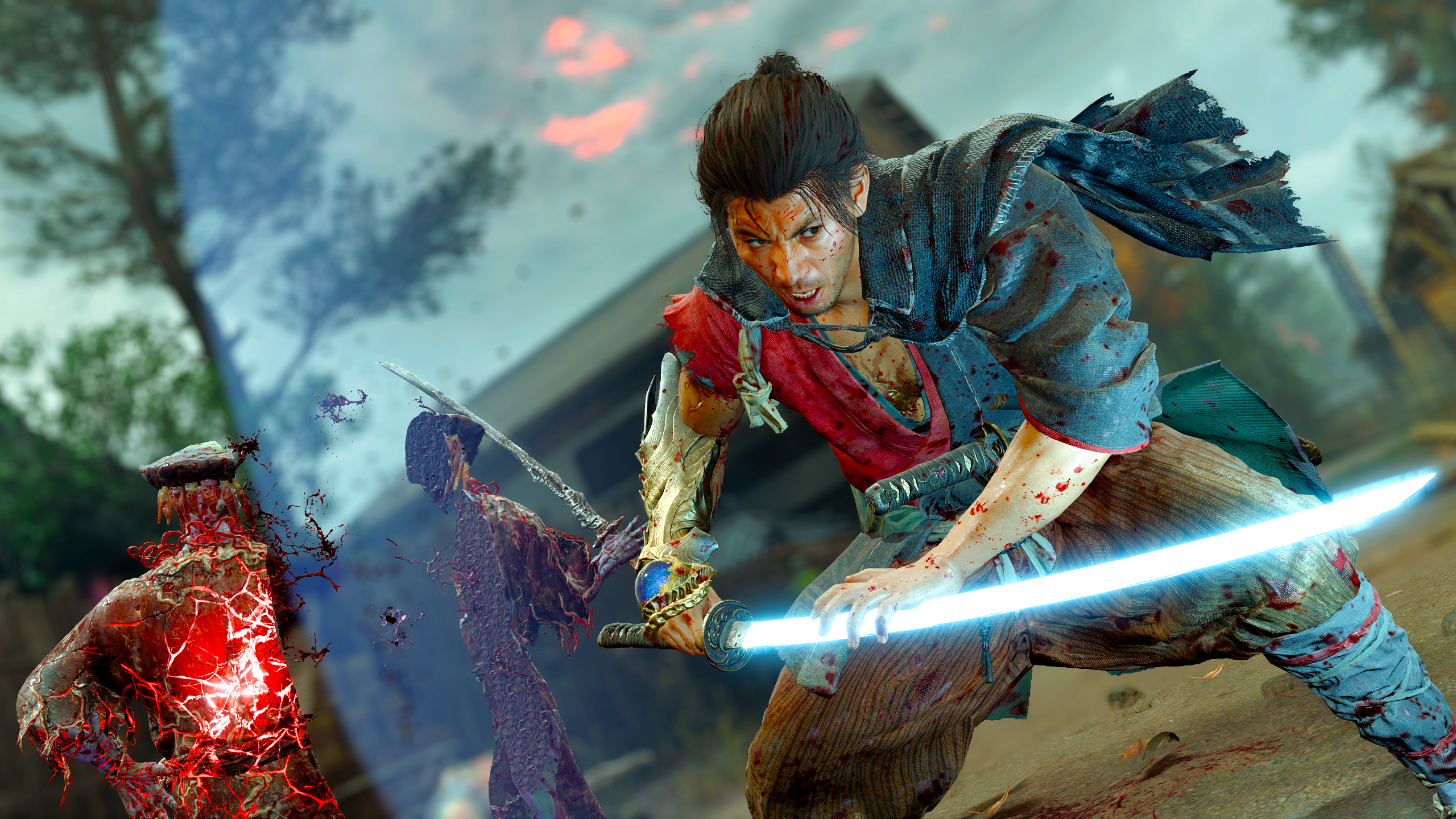
Unsurprisingly, the combat in Onimusha: Way of the Sword is fantastic, taking fundamentals from what series veterans are accustomed to, alongside new and exciting skills, making every encounter entertaining.
As mentioned in my preview, the Issen technique makes its return, allowing players to viciously strike enemies right before being hit, and it makes for an incredible spectacle.
More importantly, parrying and deflecting are pivotal to overcoming foes in Way of the Sword. Just like Sekiro: Shadows Die Twice by FromSoftware, both defence options significantly deplete enemy stamina or 'posture', leaving them open to attacks for huge damage.
Way of the Sword treats Sekiro's 'deathblows' slightly differently; instead of one central area to attack, players have several options for areas to strike against bosses.
In scenarios where Musashi runs out of Hozuki (used for quick healing), most bosses will have a limb or part of a weapon (notably with the Byakue boss) highlighted in purple that is filled with red, yellow, blue, and purple souls, but does less damage to the enemy compared to the traditional main attack.
It's an aspect of combat that creates a dynamic back-and-forth between Musashi and various bosses, especially if you need more yellow souls for health from dealing too much damage earlier on.
Patience is key when attempting to execute Issen or Chain Issen, as the timing window is very narrow, more so than those for parries and deflects. When mastered, though, you'll overcome most enemies with ease. (Video Credit: Capcom)
Capcom did promise that enemies further into the game's story would be more difficult, after players voiced concerns that the demo was too easy. While I can say that endgame enemies are certainly more formidable and aggressive, some even making me sweat when in larger numbers, most basic enemy encounters are still easy.
This is directly due to Capcom's design for Way of the Sword's combat, which is very obviously focused on replicating samurai-like fights, taking after historical samurai duels that often ended in a single strike. Enemies won't attack Musashi in groups, making clashes with enemies easy, but I can see what director Satoru Nihei was aiming for with slower, more deliberate, and steadily paced sword clashes.
Fortunately, once you beat the game, you'll unlock the hard mode, Carnage, which is encouraged for use in New Game Plus. This raises the stakes to a new level, as a single hit could result in death, similar to Sucker Punch's Ghost of Tsushima and its Lethal difficulty.
While that doesn't directly address the fundamental aspect of enemies not attacking Musashi all at once, it will keep players on their toes to remain efficient in combat.
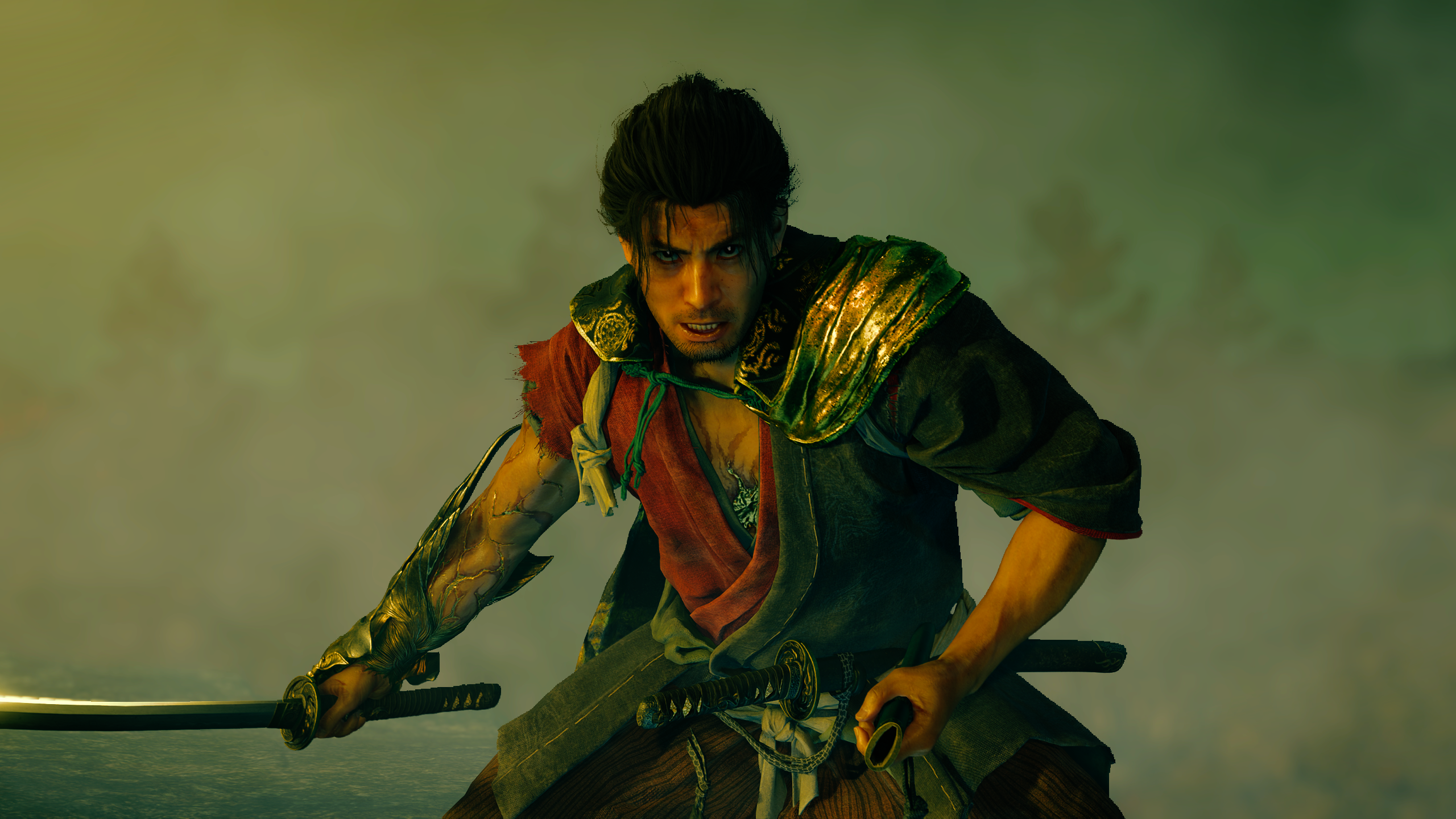
Onimusha: Way of the Sword genuinely has some of the best animations I've ever seen in any video game, particularly when parrying. Musashi oozes so much swagger in every single fight, making his confident and cocky attitude shine through combat, not just dialogue and cutscenes.
At the same time, I was slightly disappointed to see that Musashi's katana is the only primary weapon to use throughout the game. Yes, you'll find Oni Armaments on the journey, which effectively act as secondary weapons, but they require blue souls to pull off special attacks. It's a step away from a series tradition, where characters like Samonsuke or Jean Reno had a wide arsenal of weapons to use on the fly.
The game excels at its parry and deflect animations, but is surprisingly lacking in the number of animations for enemy finishers — and I couldn't help but feel like another primary weapon besides the katana would instantly fix that.
Nonetheless, Onimusha: Way of the Sword's boss fights make up for it, as they are easily the standout in an already immersive and addictive game experience. While some of the boss encounters are repeated too often, particularly during the game's climax, they are easily among some of the most epic boss battles I've played in games.
Besides the final boss battle, Dohatsu-ten is a strong favourite of mine, putting my reflexes to parry fast attacks to the test, and its design reminds me of Capcom's very own familiar and beloved half-demon, half-human demon hunter, Dante. (Video Credit: Capcom)
Best Bit
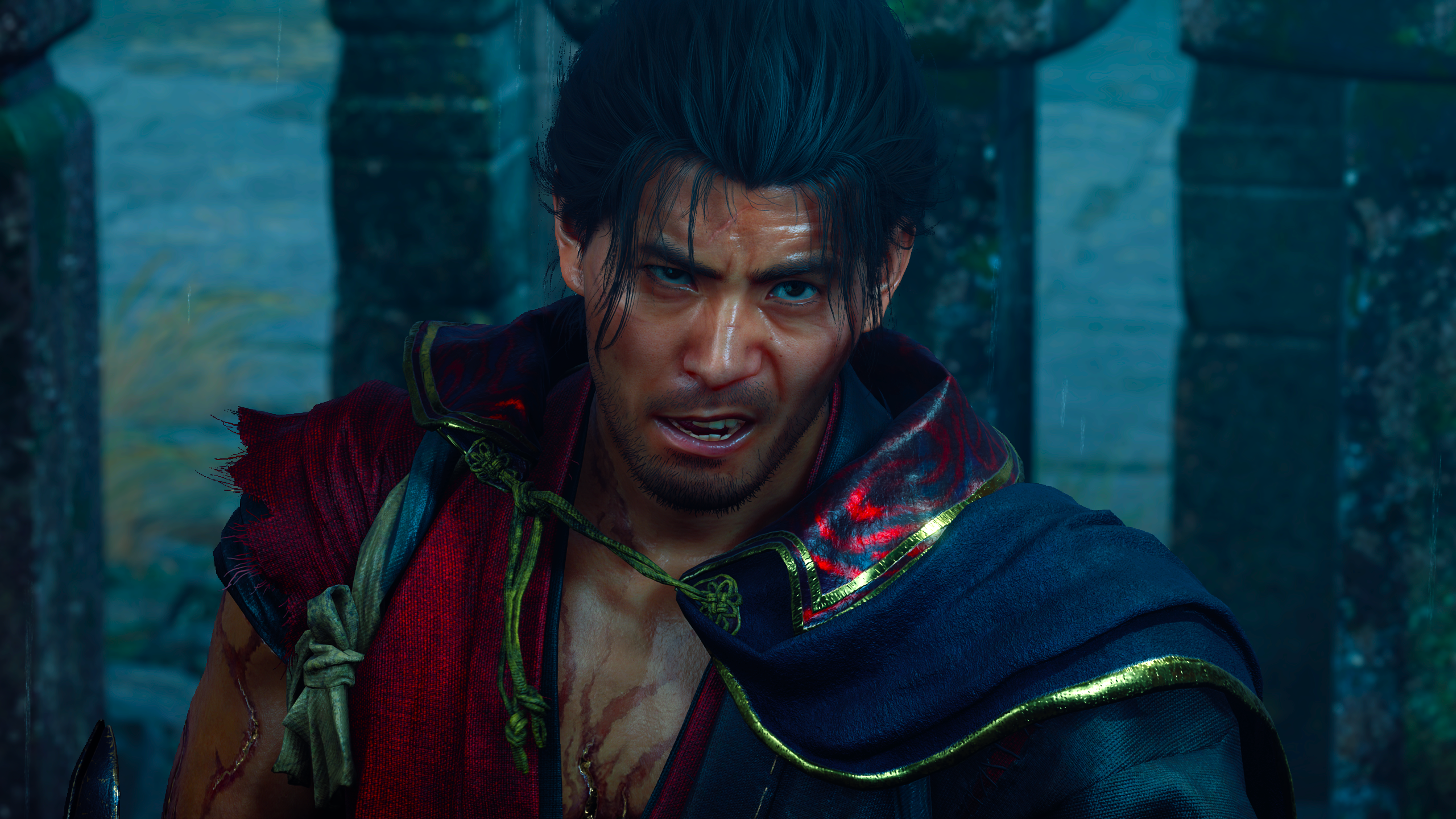
Onimusha: Way of the Sword has several breathtaking boss encounters from start to finish, but the very final boss fight is perhaps now among the best I've ever played in gaming. Without diving into spoiler territory, it was a battle that gave me the true sword fighting back-and-forth I was yearning for throughout the game. Capcom nailed this boss encounter, as it quite literally pushes you utilize every single skill and maneuver Musashi has learned, to overcome an incredibly ferocious and fast foe — and I can only imagine how challenging it will be on the hard mode difficulty.
If difficulty is a major concern, fear not, because not only are the boss fights a fantastic spectacle, but they're also very challenging. Bosses will often launch attacks (where swords have a purple glow) that can't be dodged or blocked, so players must parry or deflect them or lose plenty of souls in the process.
Losing souls from being hit by an enemy's unblockable attack is very risky, as they'll be collected and used to make them even stronger mid-fight — and this is the last thing you'll want to happen during the final boss fight, which I won't spoil.
Players will also have to look out for bosses attempting to grab Musashi by hitting the dodge button just before it lands, as mistiming this results in serious damage and can single-handedly decide a fight. Pulling off well-timed dodges, parries, deflects, and counters to grabs makes the entire combat experience addictive, and once you unlock the Oni transformation, the game takes a new leap to greater heights.
What about performance?
I played Onimusha: Way of the Sword on my main desktop gaming PC, equipped with an RTX 4080 Super and an AMD Ryzen 7 5700X3D processor, and performance was the least of my concerns. Through most of my 30-hour playthrough, I played at maximum graphics settings at the 3440x1440 display resolution, with DLSS Quality enabled, and consistently stayed above the 100 fps mark.
When testing the game on my Lenovo Legion Go S Z1 Extreme handheld gaming PC, I could easily hit around 40fps with graphics settings preset to medium, with FSR set to balanced, at around 24W (power consumption).
This is another Capcom game that runs very smoothly, which was a worry considering some of its semi-open world hubs. The RE Engine seems to struggle in open-world (open-area) games like Dragon's Dogma 2 and Monster Hunter Wilds, rather than those with linear environments in Capcom's Resident Evil games.
I did experience a few odd moments of heavy frame rate dips during some cutscenes, but these were few and far between, so it didn't break the flow of important narrative development.
There is full ultrawide support in both cutscenes and gameplay, which isn't exactly common for PC ports, as the former is often restricted to the 16:9 aspect ratio.
Should you play Onimusha: Way of the Sword?
Play it if...
You love games that heavily rely on parries and counters
Onimusha: Way of the Sword is a sword-fighting fan's dream, with enough combat and duels that will keep you addicted to rematching the toughest bosses, and frankly, should be enough to encourage a second playthrough.
You love the Onimusha games
Without a doubt, Onimusha: Way of the Sword is the best game in the Onimusha series, with Capcom managing to keep mechanics from the original games while adding new content for a modern audience, thanks to the help of the RE Engine.
Don't play it if...
You're looking for a soulslike challenging experience
Onimusha has never been, and seemingly never will be, the franchise that follows in the footsteps of soulslike experiences. Way of the Sword is challenging, but it doesn't punish players for mistakes in the same way something like Elden Ring or Lies of P would.
You hate repetitive boss encounters
Boss fights are the highlight of Onimusha: Way of the Sword, but it's clear to see that there are far too many boss battles that are repeated at different segments of the game.
Accessibility features
Onimusha: Way of the Sword has plenty of accessibility options, notably color blindness aids alongside visual and auditory accessibility presets. Within those presets lie options such as subtitles (toggle on or off), subtitle size, subtitle background, menu text size, and HUD size.
There are also numerous options to change the blood color, disable dismemberment, remove action prompts, and motion sickness reduction settings.
Players can also change keybinds for mouse and keyboard play, while there are several different options for sprint control (toggle or hold), deflect control, menu cursor speed, and even one to disable the Windows key's functionality.
The game ships with DLSS 4.5 and FSR 3 frame generation, CPU performance presets, and ray tracing, which doesn't seem heavy to run — at least on a high-end gaming system.
How I reviewed Onimusha: Way of the Sword
Most of my 30-hour playthrough of Onimusha: Way of the Sword was on my main gaming PC, using the LG 45GS95QE OLED ultrawide display, providing exceptional immersion thanks to its 800R curvature.
During my trip to Gamescom, I put Onimusha's performance to the test by lowering my Lenovo Legion Go S handheld's TDP as much as possible, and was quite impressed by how steady it was around 40fps. It's certainly possible to achieve 60fps, but it would require lowering graphics settings further and increasing the TDP.
First reviewed August 2026








 English (US) ·