
 3 weeks ago
37
3 weeks ago
37
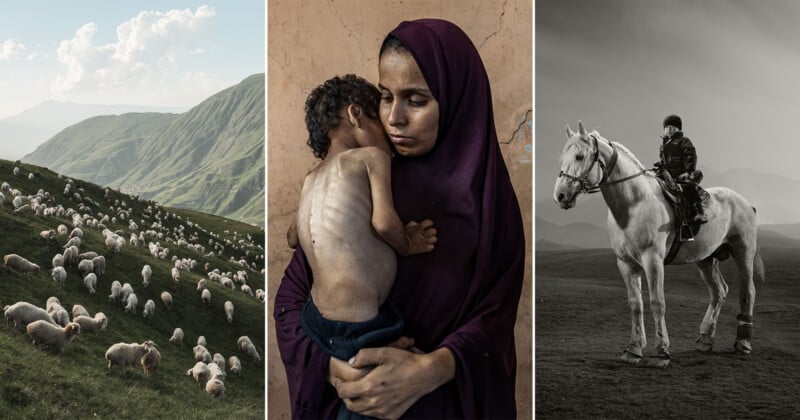
An international jury has selected the 12 shortlisted finalists for the 46th Leica Oskar Barnack Award (LOBA), one of the most prestigious photography prizes in the world.
The 12 finalists below were selected through an extensive, multi-stage judging process and will be presented in expanded detail over the coming weeks.
Further, for the first time, the jury also selected the winner of the newly established LOBA Women Grant. The winner of the LOBA Women Grant will have their work presented next year.
The winners of the Leica Oskar Barnack Award Main Prize, the Newcomer Award, and the LOBA Women Grant will all be announced on October 8, 2026, at an awards ceremony in Wetzlar, Germany.
The Leica Oskar Barnack Newcomer Award is selected from photographers nominated by experts at 28 international institutions in 18 countries.
Today, only the finalists for the Main Prize are being unveiled.
The LOBA awards have recognized exceptional photographic talent annually since 1980. This year’s jury selected shortlisted photographers from a much larger pool of photographers nominated by 130 photography experts across 48 countries. Each nominator can select up to three photo series to nominate.
Without further ado, the 2026 Leica Oskar Barnack Award finalists.
2026 LOBA Main Prize Shortlist
Saher Alghorra
Palestinian photojournalist Saher Alghorra documented the war in Gaza for his series, Witnessing Gaza. This 2025 series shows scenes of scarcity and starvation, violence, and loss. Beyond the moments that made global headlines, Alghorra’s work also looks more closely at the interpersonal stories on a smaller scale that never make the news.
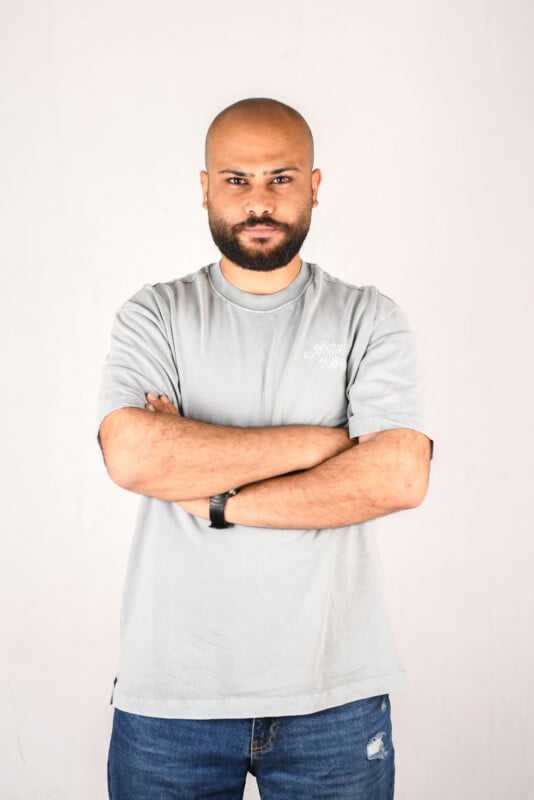 Photographer Saher Alghorra
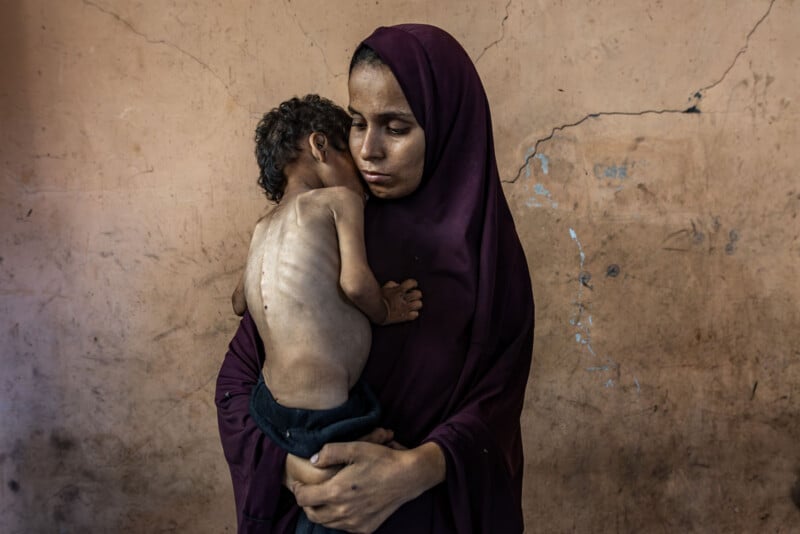 Two-year-old Yazan Abu Foul suffers from severe malnutrition, Al-Shati refugee camp, Gaza City, July 2025. From the series “Witnessing Gaza” | © Saher Alghorra/LOBA 2026
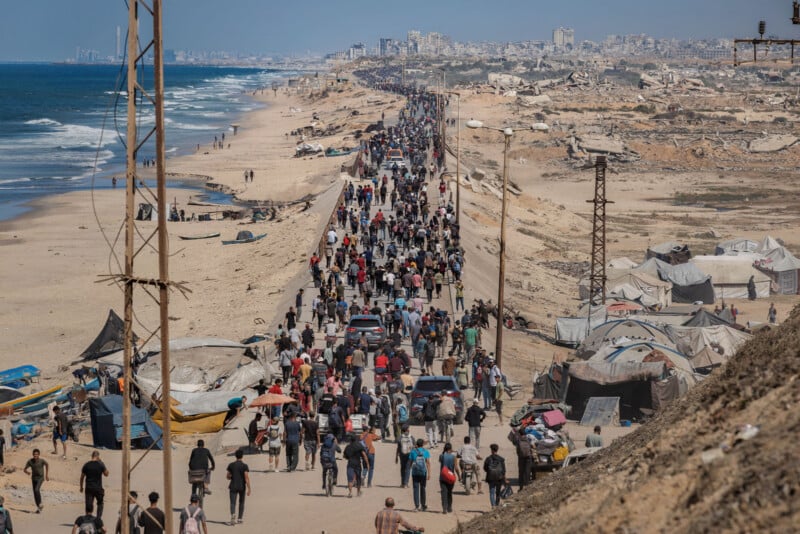 Displaced Palestinians cross Wadi Gaza Bridge on their return to Gaza City following the ceasefire, October 2025. From the series “Witnessing Gaza” | © Saher Alghorra/LOBA 2026
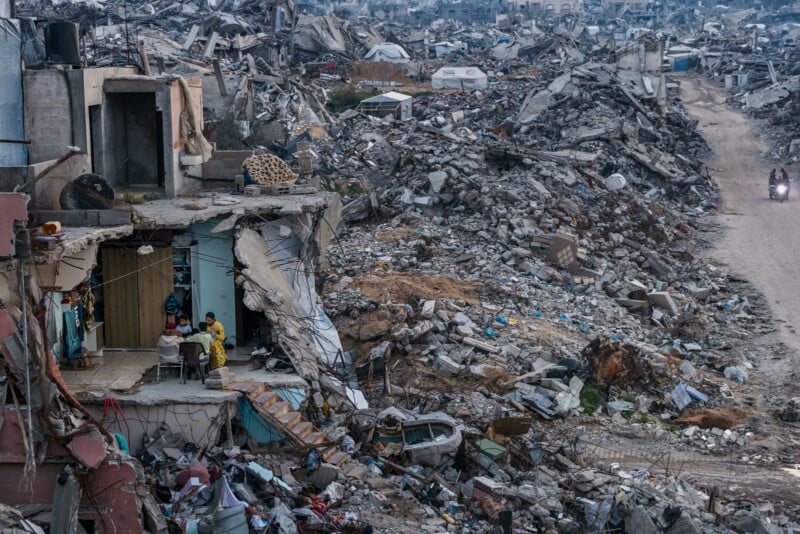 Displaced Palestinians cross Wadi Gaza Bridge on their return to Gaza City following the ceasefire, October 2025. From the series “Witnessing Gaza” | © Saher Alghorra/LOBA 2026
Todd Antony
New Zealander Todd Antony’s series, Buzkashi, delivers striking black-and-white photographs of the archaic traditions of the eponymous sport played on horseback. This sport is practiced today in Tajikistan and involves combatants fighting over a headless goat cadaver. The sport has been played for thousands of years after it was invented by nomadic horse-riding cultures in Central Asia.
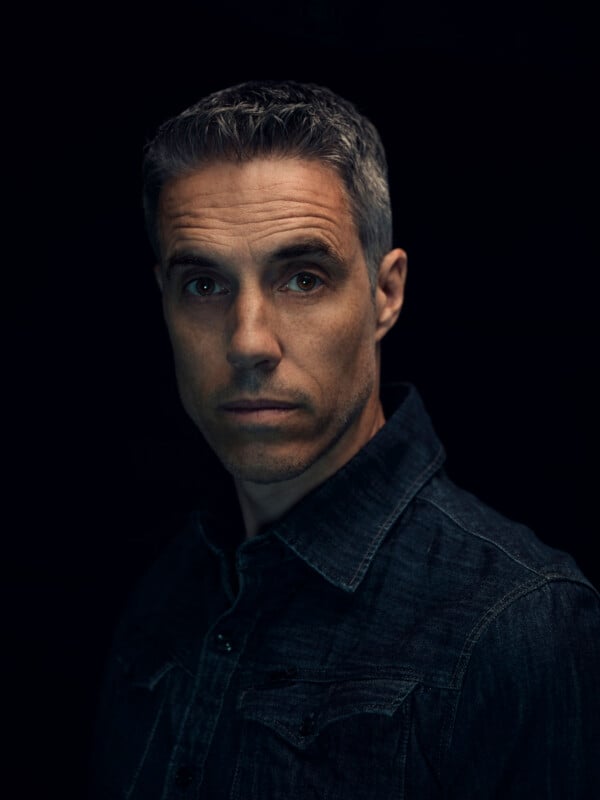 Photographer Todd Antony
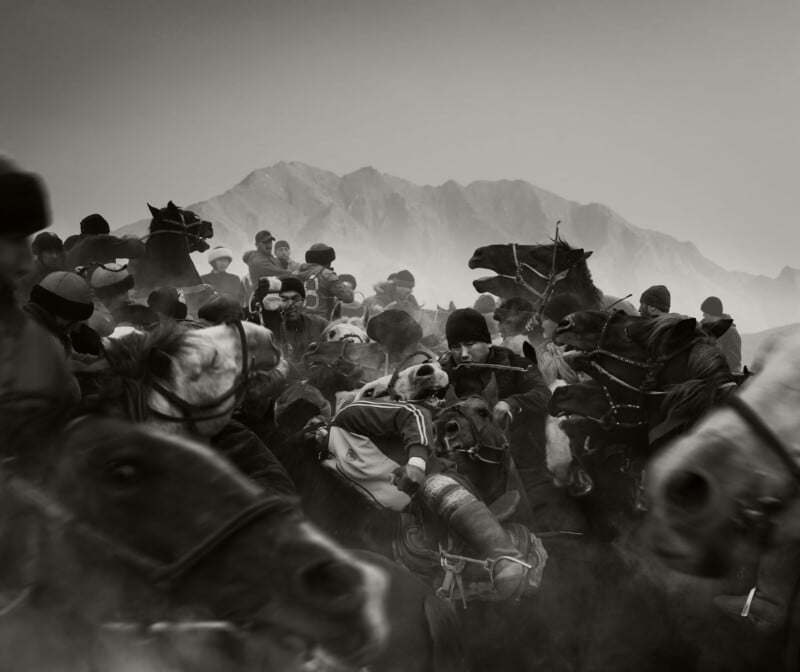 “Buzkashi” is more than just a sport. It is centuries of history and politics handed down from generation to generation, Tajikistan 2026. From the series “Buzkashi” | © Todd Antony/LOBA 2026
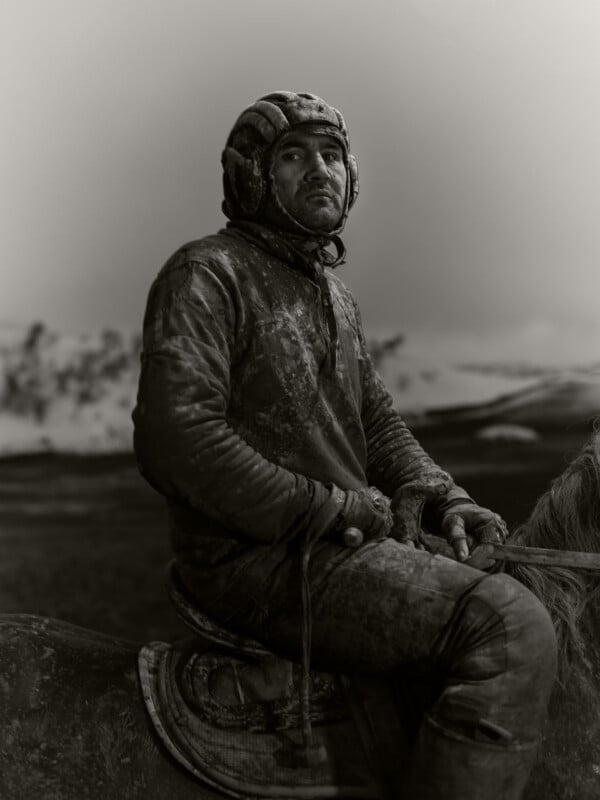 Buzkashi player, Tajikistan 2026. From the series “Buzkashi” | © Todd Antony/LOBA 2026
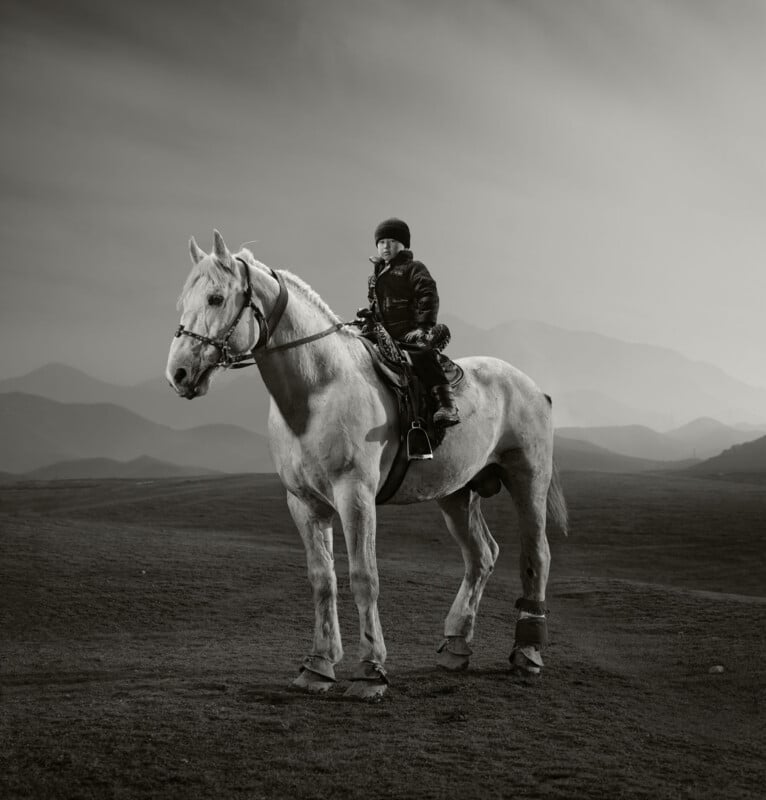 Four-year-old Abdulqadir on a horse, 2025, Tajikistan 2026. From the series “Buzkashi” | © Todd Antony/LOBA 2026
Anush Babajanyan
Photographer Anush Babajanyan’s series, The Aral Sea and the Battered Waters of Central Asia, does as its name suggests and looks at the Aral Sea, which was once the world’s fourth-largest lake. The lake shrank over 90 percent because of Soviet hydro projects, creating an environmental crisis that affects Uzbek and Kazakh communities to this day. The people there have been forced to adapt, and thanks to the Dike Kokaral dam, have been able to begin recovering.
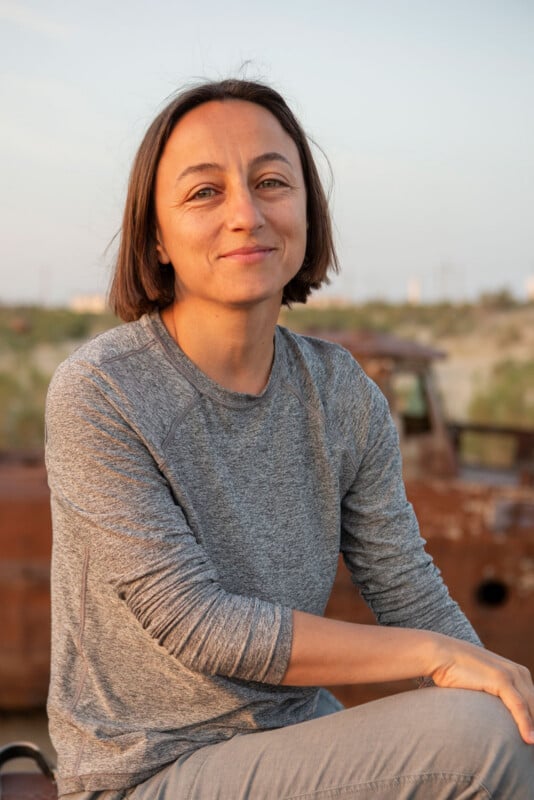 Photographer Anush Babajanyan | Photo by Martin Zinggl
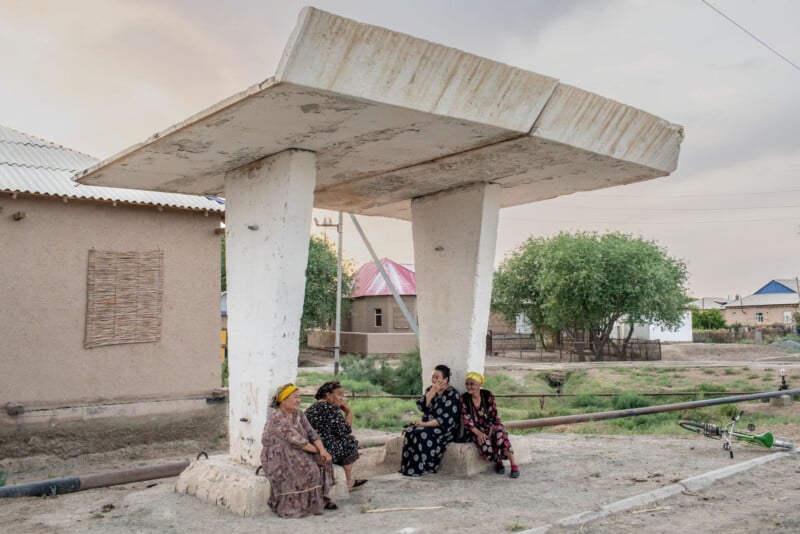 Women spend the evening near a Soviet-era bus stop in Altynkul village, Kungrad, Uzbekistan 2025. From the series “The Aral Sea and the Battered Waters of Central Asia” | © Anush Babajanyan/LOBA 2026
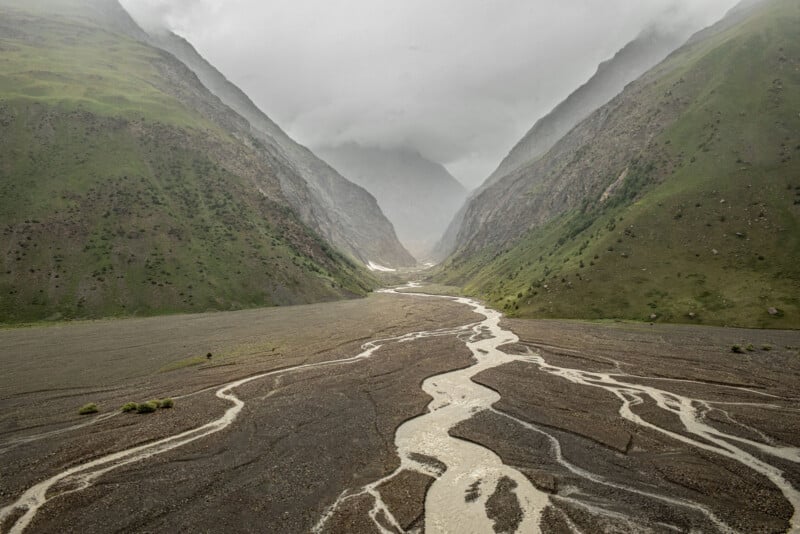 Trees grow on the former bed of Zeravshan River. Its glacier has retreated for nearly a kilometer in the last 20 years, Tajikistan 2021. From the series “The Aral Sea and the Battered Waters of Central Asia” | © Anush Babajanyan/LOBA 2026
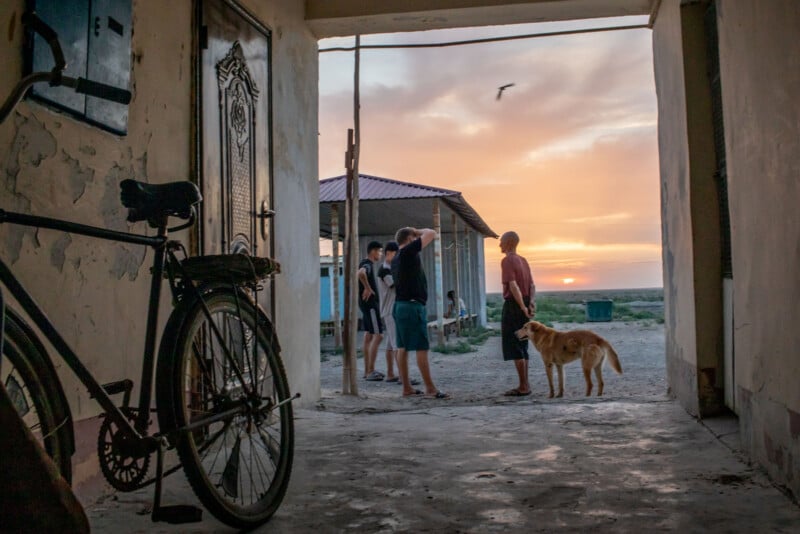 In the outskirts of Moynaq, neighbors gather for an evening together. Once a thriving port, the city now sits 105 kilometers from the Aral Sea’s receded shoreline, Uzbekistan, 2025. From the series “The Aral Sea and the Battered Waters of Central Asia” | © Anush Babajanyan/LOBA 2026
Damir Faizulin
Damir Faizulin, a Russian photographer, looks at nature and how people live alongside it in the mountainous Dagestan region. Faizulin’s series, Preserving Nature as Preserving Ourselves, grapples with how people live alongside nature, balance often conflicting goals, and carve out a new future constantly affected by the past.
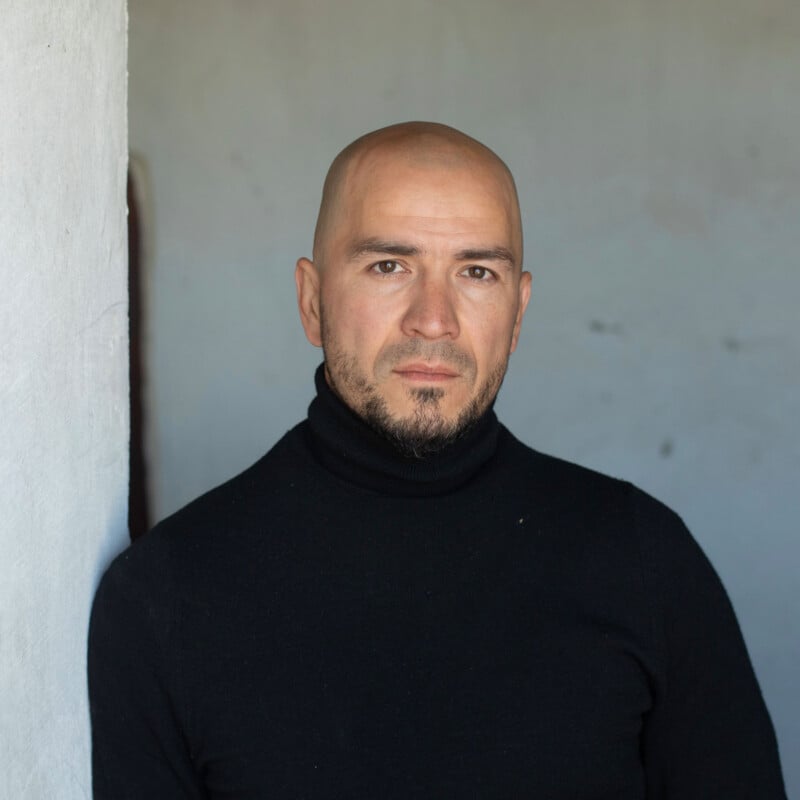 Photographer Damir Faizulin | Photo by Anna Zakharova
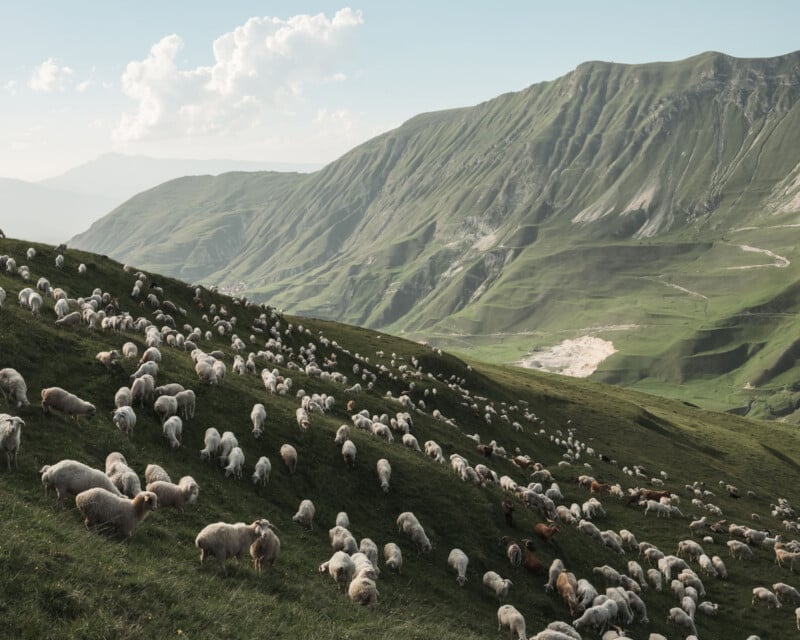 Spring: The sheep’s first grazing season in the mountains, Khunzakh, May 2024. From the series “Preserving Nature as Preserving Ourselves” | © Damir Faizulin/LOBA 2026
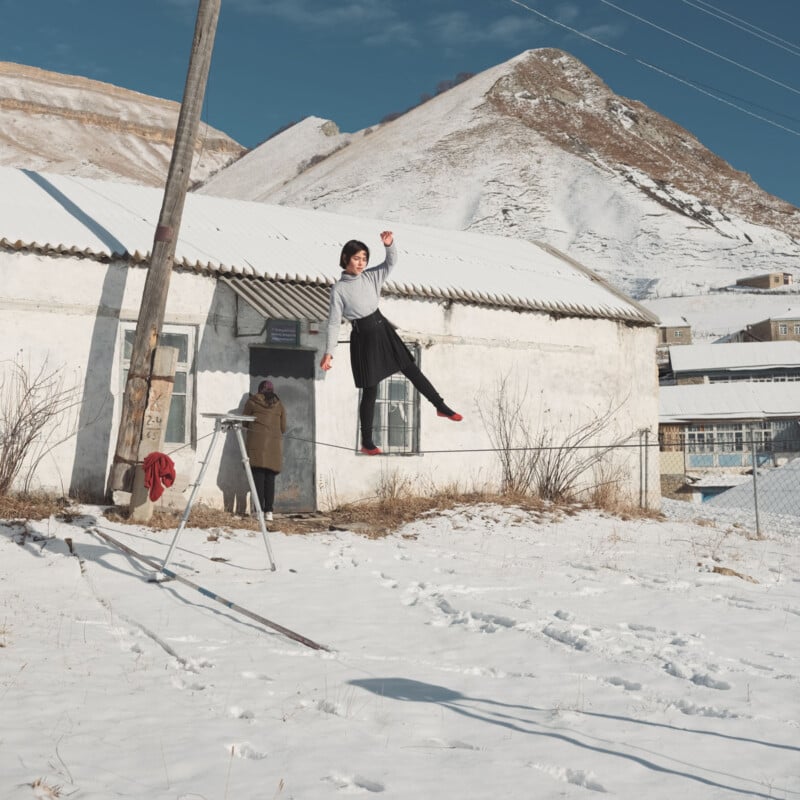 The village of Tsovkra is known for its tightrope-walking tradition. A schoolgirl during a break between lessons, January 2025. From the series “Preserving Nature as Preserving Ourselves” | © Damir Faizulin/LOBA 2026
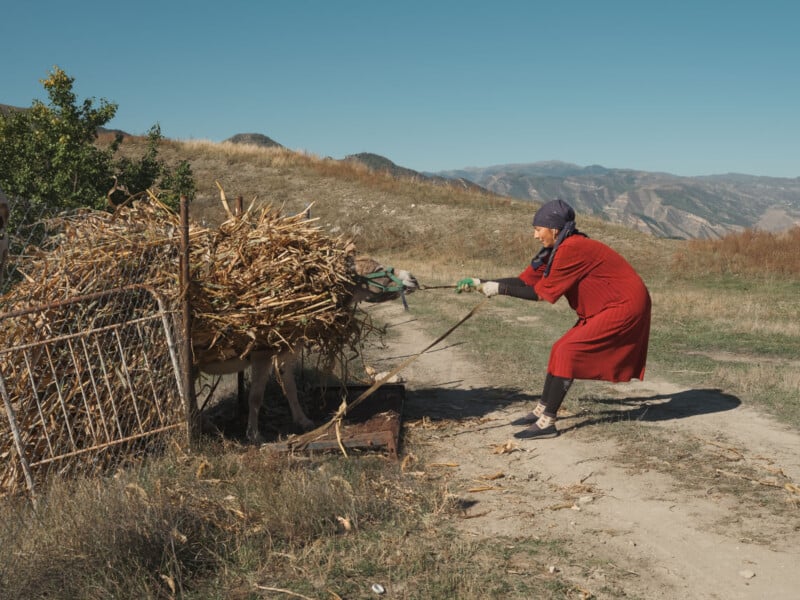 A woman trying to transport the harvest, Chokh, June 2025. From the series “Preserving Nature as Preserving Ourselves” | © Damir Faizulin/LOBA 2026
William Keo
Extramuros is the work of French photographer William Keo. The series looks at the young people living in banlieues today. While the word translates to “suburbs,” these are essentially the housing projects of Paris, and the neighborhoods have long been scarred by social violence, economic crisis, and controversial government housing policies. But the banlieues are also the birthplace of incredible creativity and innovation. Keo deals with all of that and more in Extramuros.
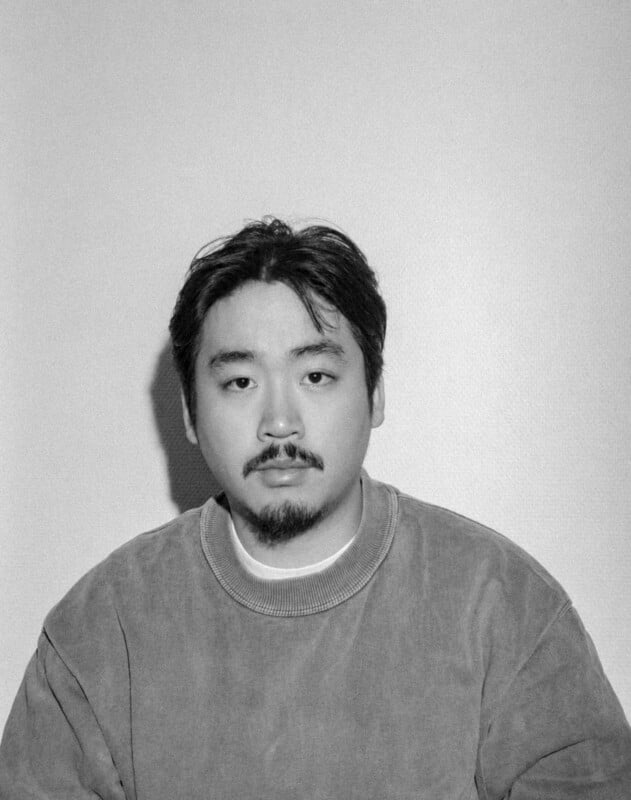 Photographer William Keo | Photo by Axelle Kane
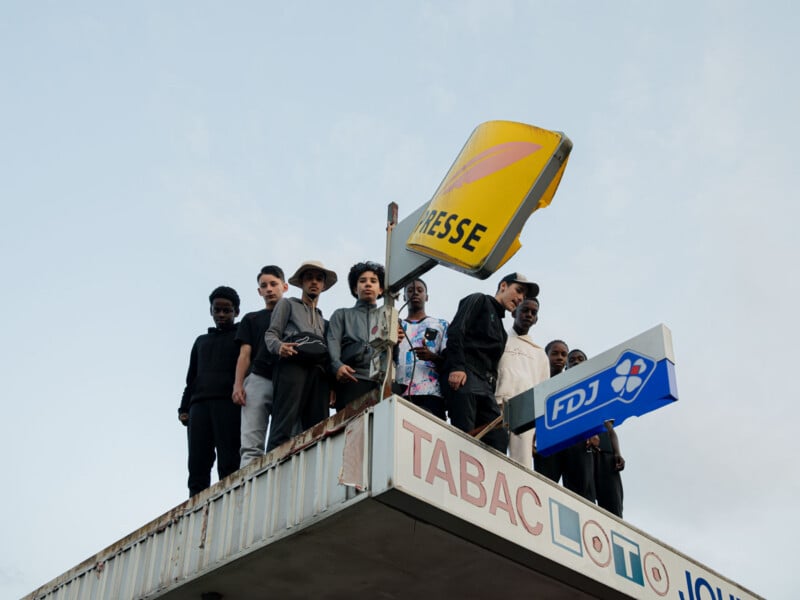 Young people from the “Red Bricks” housing projects get together for a barbecue to pass the time, Verneuil-sur-Seine, France 2023. From the series “Extramuros” | © William Keo/LOBA 2026
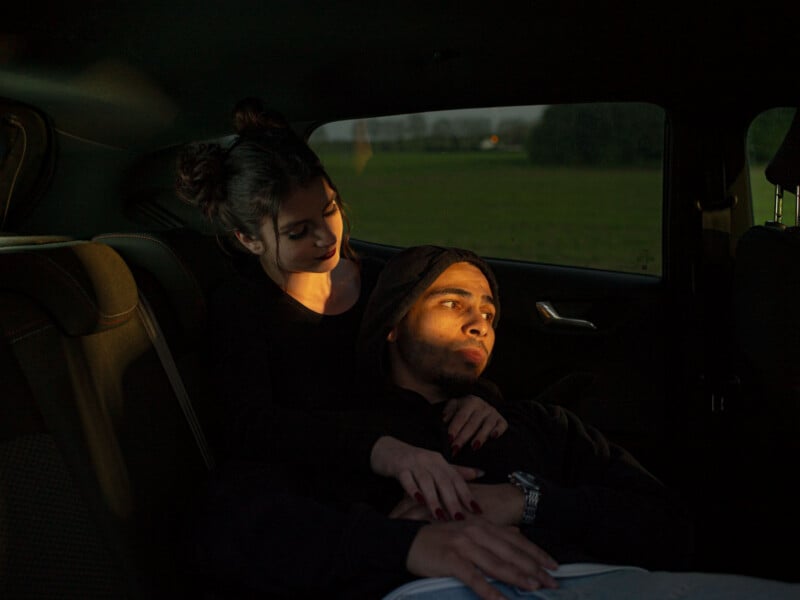 Younes and Sandra, Seine-Saint-Denis, France 2024. From the series “Extramuros” | © William Keo/LOBA 2026
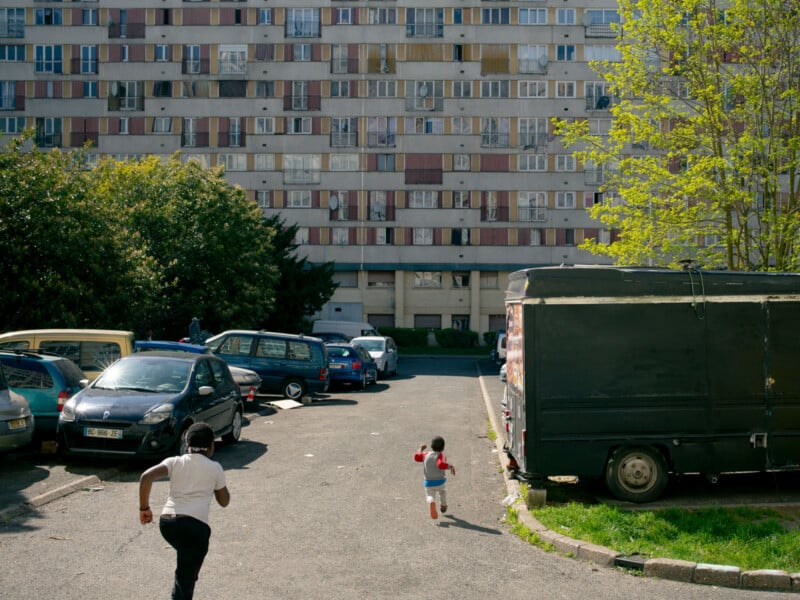 The Chêne Pointu housing estate in the 93rd arrondissement of Paris is known as the starting point for riots in France’s banlieues in 2005, Montfermeil, France 2022. From the series “Extramuros” | © William Keo/LOBA 2026
Slava Lyu-fa
In Russia’s extreme Arctic regions, life is exceptionally difficult and even more fragile. Photographer Slava Lyu-fa points his lens at how Russia’s Arctic communities work together to survive for the series, Inner Distance.
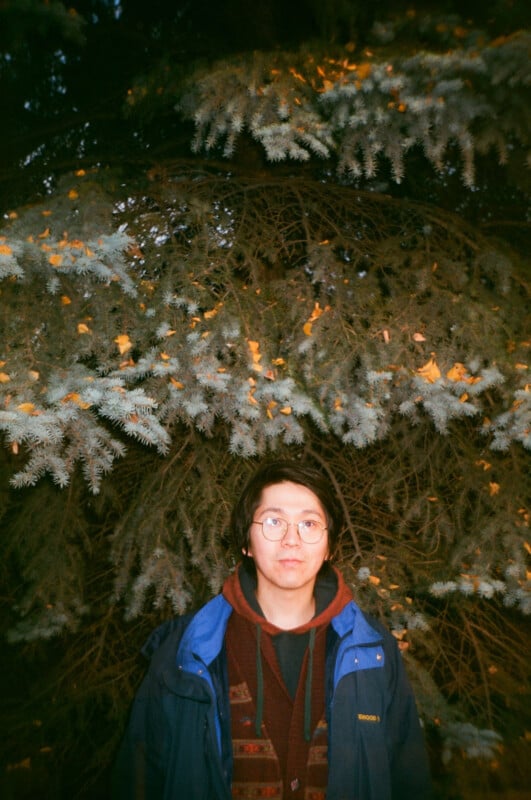 Photographer Slava Lyu-fa | Photo by Maria Lyu-fa
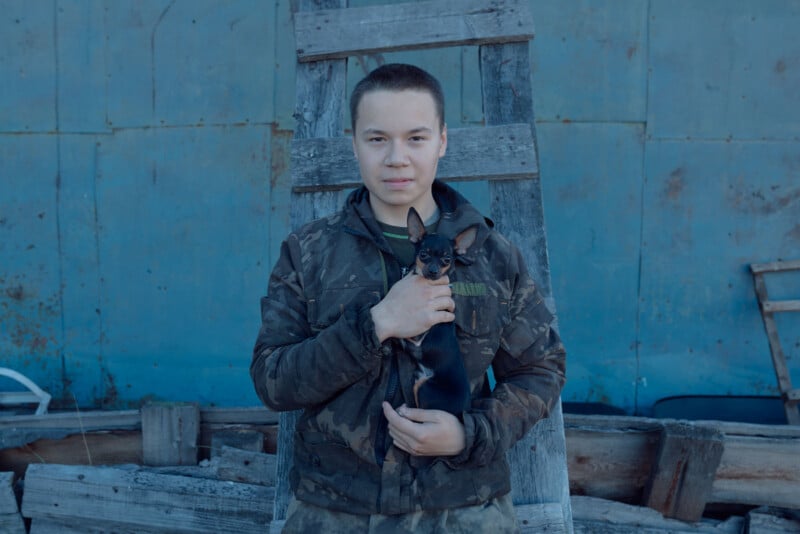 A resident of Pokhodsk holds a toy terrier — nearly every family has a pedigree dog for breeding and selling puppies, Sakha Republic, Russian Federation 2025. From the series “Inner Distance” | © Slava Lyu-fa/LOBA 2026
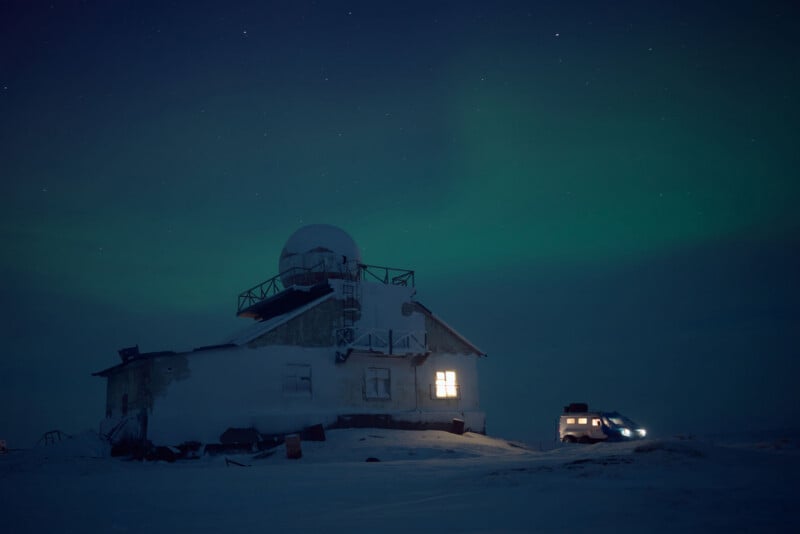 The Meteorite aerological station on Chetyrekhstolbovoy Island, Nizhnekolymsky District, Russian Federation 2022. From the series “Inner Distance” | © Slava Lyu-fa/LOBA 2026
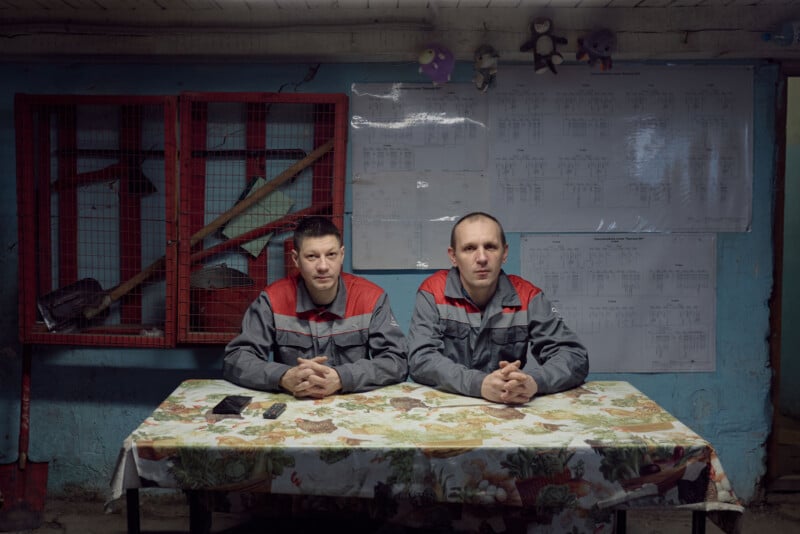 Workers of the Yakutsk poultry factory, one of the largest enterprises in the republic, Russian Federation 2025. From the series “Inner Distance” | © Slava Lyu-fa/LOBA 2026
Valery Melnikov
Another Russian photographer, Valery Melnikov, focuses on the Ukrainian city of Mariupol in Mariupol: Open Wounds. Melnikov’s documentary series documents how Russia’s invasion of Ukraine devastated the city and its people. Melnikov has spent his career documenting war and conflict, including in Chechnya, Georgia, Lebanon, and Syria. He began working in eastern Ukraine over a decade ago when Russia first began military operations in Crimea.
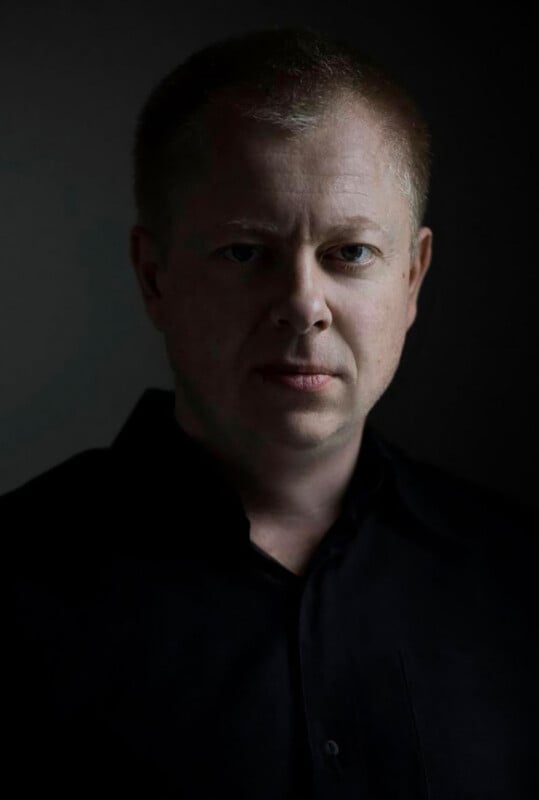 Photographer Valery Melnikov | Photo by Alexandra Anikeeva
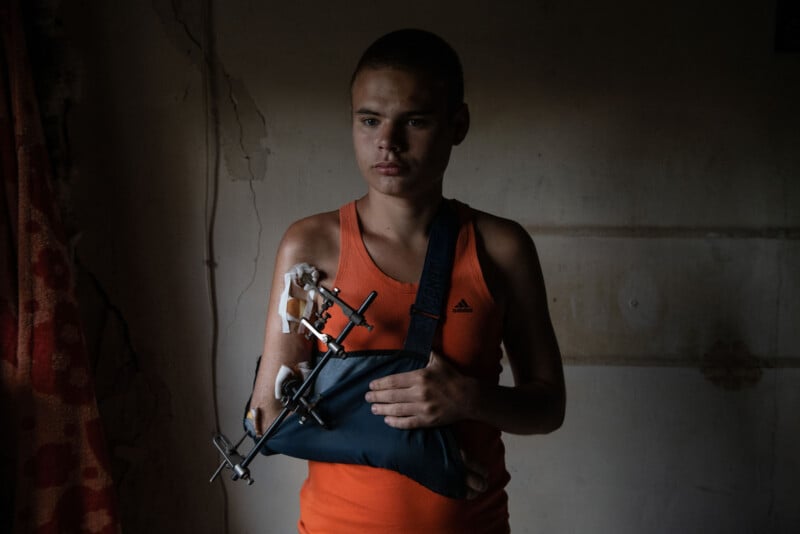 Local resident Daniel (18) was wounded in the arm during a shell explosion near his house, Mariupol, Ukraine 2022. From the series “Mariupol — Open Wounds” | © Valery Melnikov/LOBA 2026
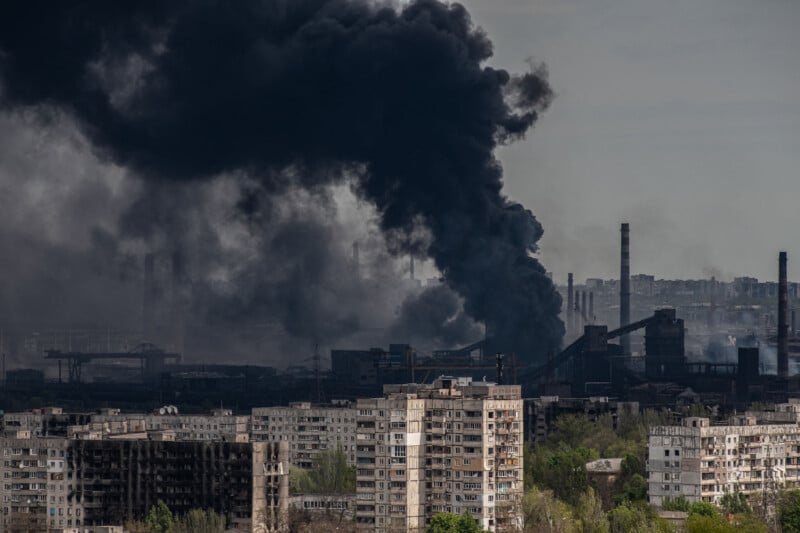 The Azovstal plant was the site of the fiercest fighting and was completely destroyed during the fighting between Ukrainian and Russian armed forces, Mariupol, Ukraine, 2022. From the series “Mariupol — Open Wounds” | © Valery Melnikov/LOBA 2026
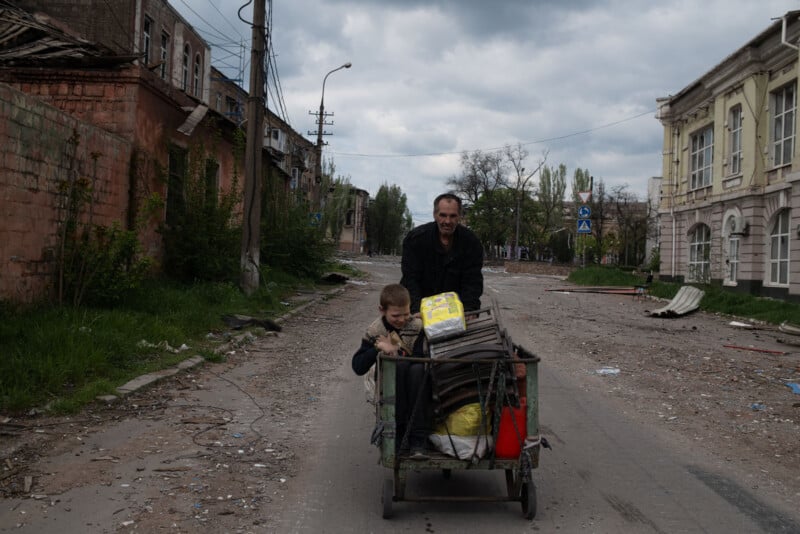 Local residents, father and son, are leaving the city, Mariupol, Ukraine 2022. From the series “Mariupol — Open Wounds” | © Valery Melnikov/LOBA 2026
Benedikt Renč
Czech photographer Benedikt Renč’s series, Cairo, offers a personal perspective of Cairo, Egypt’s capital city. Cairo is undergoing radical changes, and Renč says he wanted to “document the last generation to live in this raw and uncouth reality.” The photographer says Cairo will soon change beyond recognition, and he hopes his photos help preserve how the city once was.
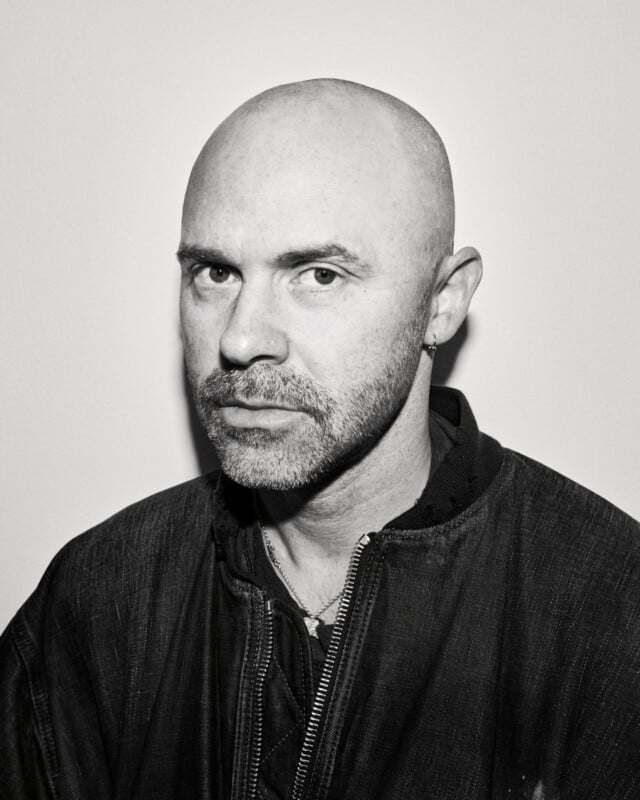 Photographer Benedict Renč | Photo by Tess Rencova
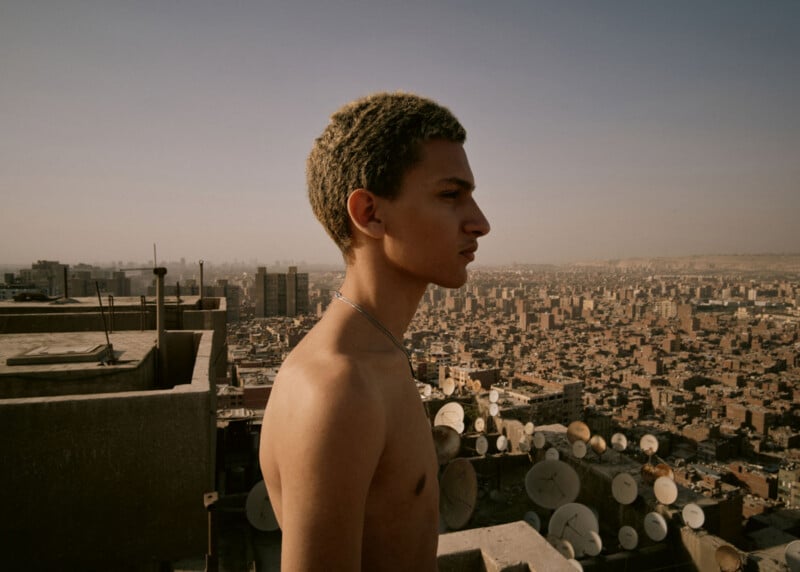 Cairo, Egypt 2025. From the series “Cairo” | © Benedikt Renč/LOBA 2026
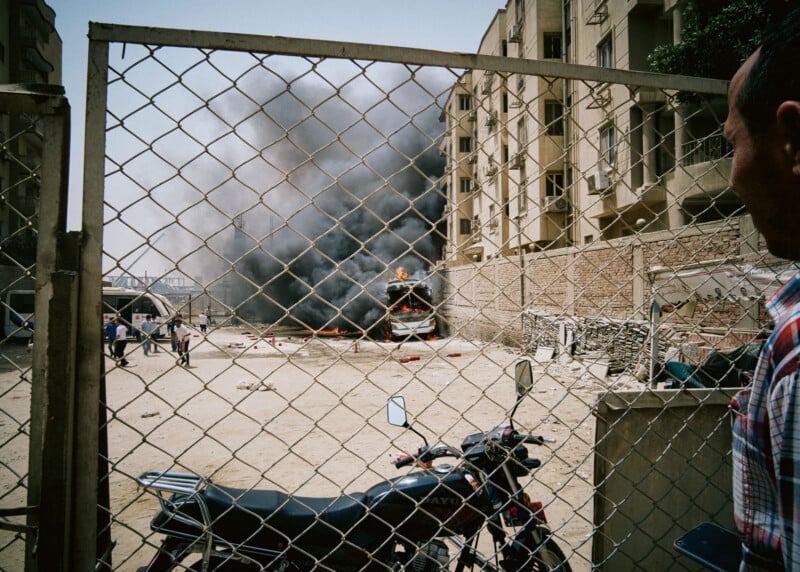 Cairo, Egypt 2025. From the series “Cairo” | © Benedikt Renč/LOBA 2026
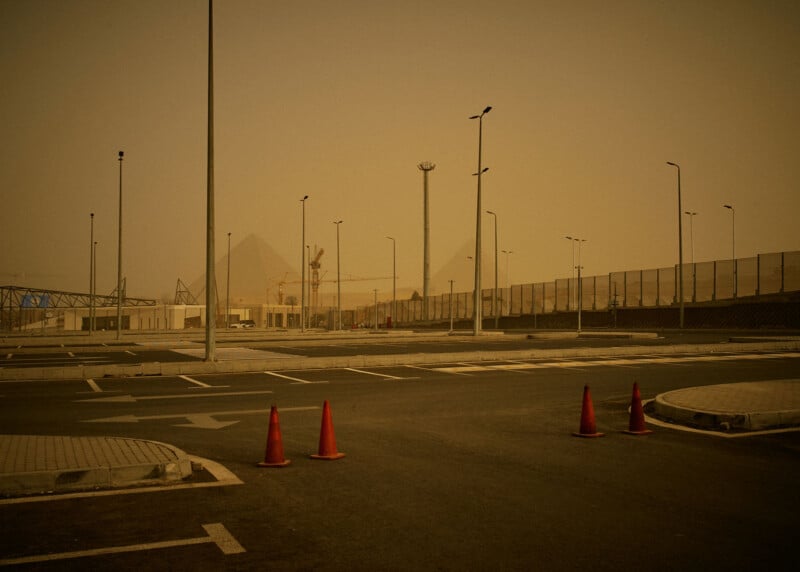 Cairo, Egypt 2025. From the series “Cairo” | © Benedikt Renč/LOBA 2026
Elliot Ross
Taiwanese-American photographer Elliot Ross’ series, A Question of Balance, documents the history of water supply in the Navajo Nation, the largest Native American reservation in the United States. Ross considers how the water supply has been shaped by conflict between Indigenous people and settlers, droughts, and excessive water consumption by those living far off the reservation.
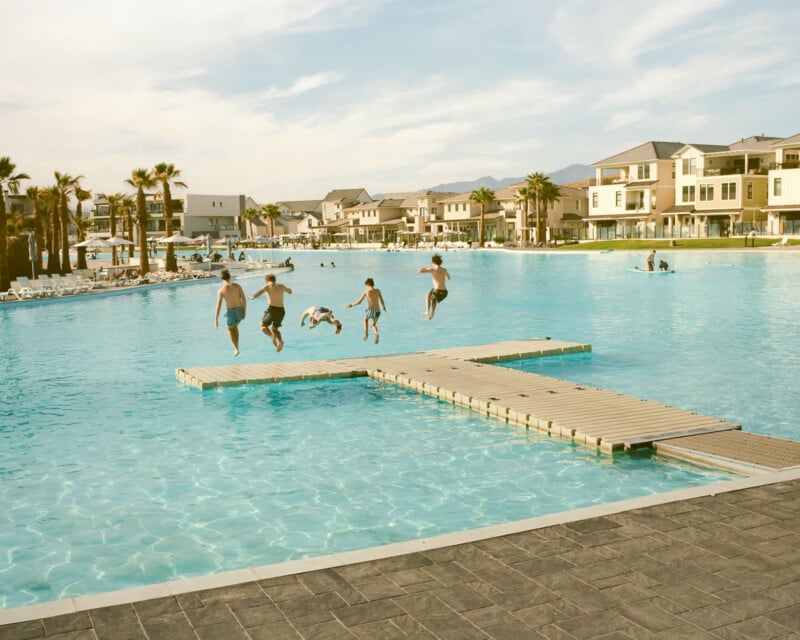 The 2.4-hectare swimming pool in a housing estate is one of the ten largest in the world, Washington County, Utah, June 2024. From the series “A Question of Balance” | © Elliot Ross/LOBA 2026
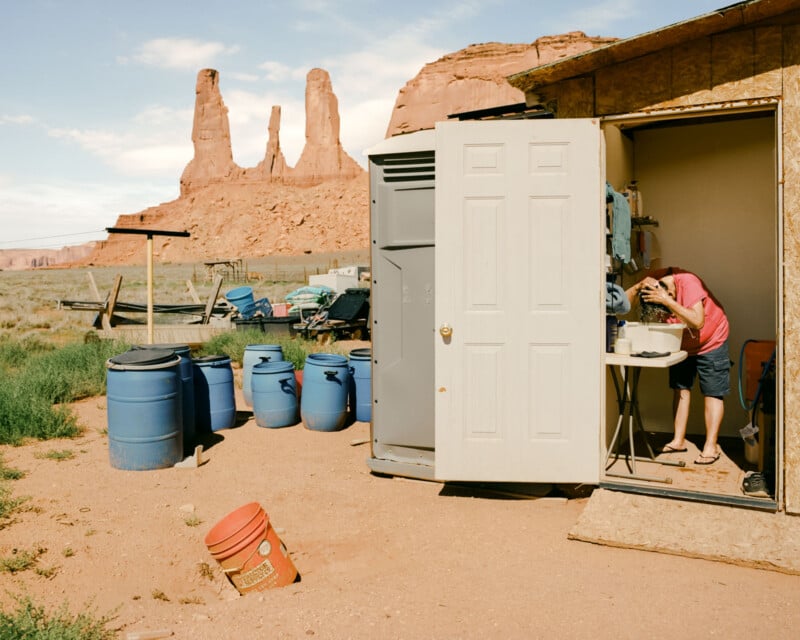 Linda washes her hair with water from Goulding, half an hour’s drive away, Monument Valley, Arizona, June 2024. From the series “A Question of Balance” | © Elliot Ross/LOBA 2026
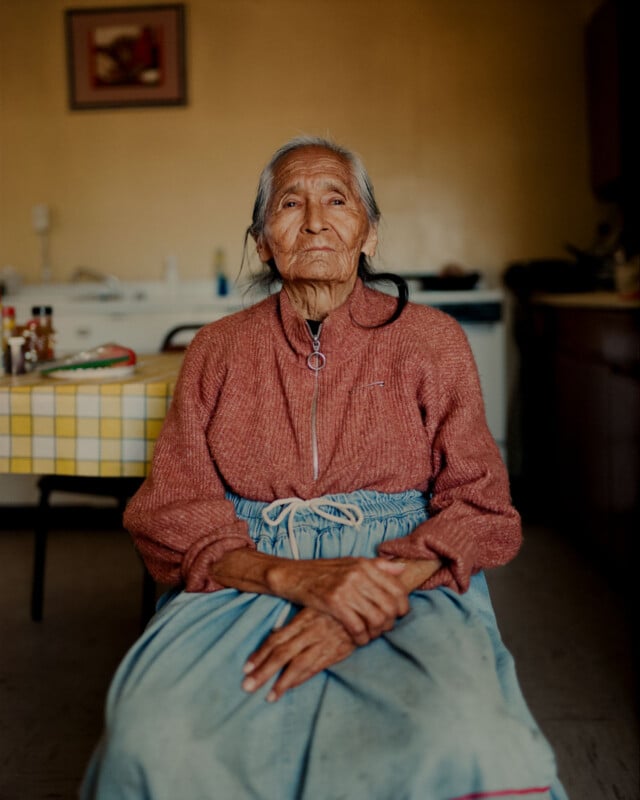 Florence Neztsosie, aged 90, has no running water and has only had electricity in her kitchen for two weeks, Navajo Mountain, Arizona, December 2025. From the series “A Question of Balance” | © Elliot Ross/LOBA 2026
Annie Sakkab
Annie Sakkab is a Palestinian-Jordanian photographer who also focused on water for her series. We Used to Watch the Rivers Go By looks at how water is much more than just a resource for people.
 Photographer Annie Sakkab
“What began as curiosity about a resource turned into a deep dive into my own history and my heritage, a search for roots in a country shaped by centuries of change and hardship. This is not only a study of water; it is also a story about people,” Sakkab says.
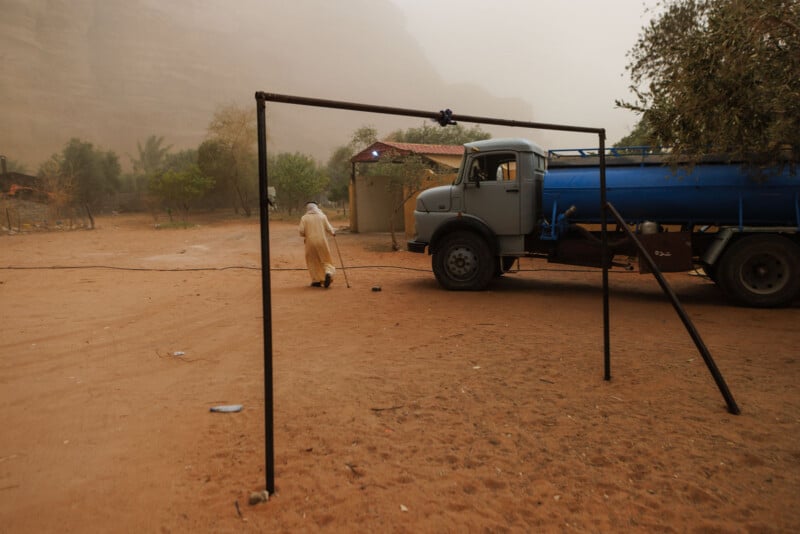 Against the backdrop of a swirling sandstorm in the Wadi Rum desert, 71-year-old Mohammad Al Zawaideh navigates the landscape, Jordan 2025. From the series “We Used to Watch the Rivers Go By” | © Annie Sakkab/LOBA 2026
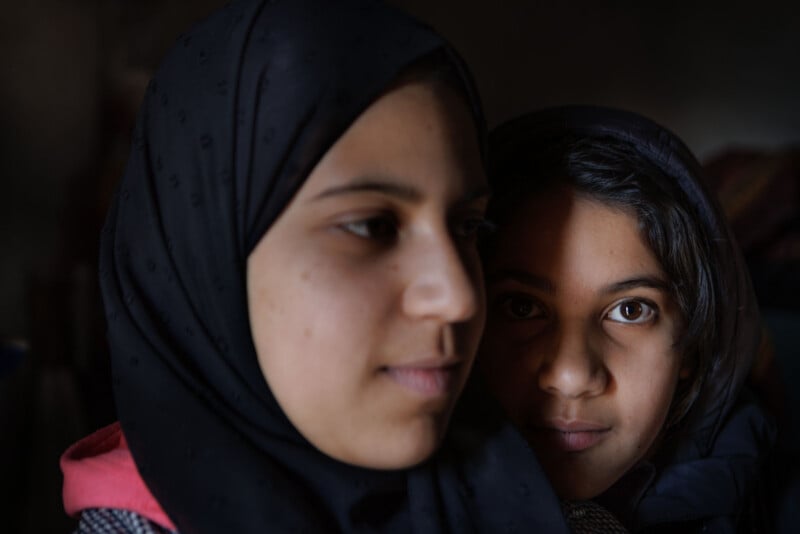 In the northern reaches of Jordan’s “Black Desert” sisters Maisa and Mona Al Bnayyan pose for a portrait in their family kitchen in the village of Jbayya, Jordan 2026. From the series “We Used to Watch the Rivers Go By” | © Annie Sakkab/LOBA 2026
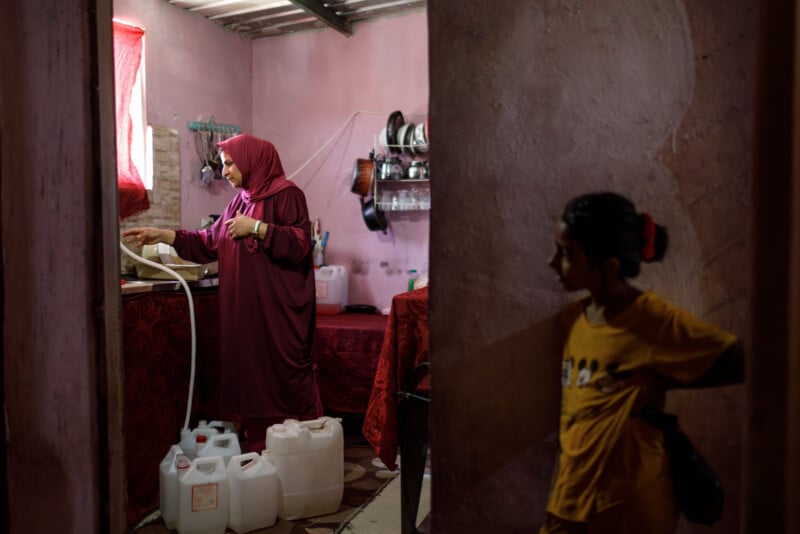 Water scarcity in Jordan disproportionately affects lower-income neighborhoods and refugee camps, unlike larger cities, where access is more regular, Jordan 2023. From the series “We Used to Watch the Rivers Go By” | © Annie Sakkab/LOBA 2026
David Sládek
Czechoslovakian-born photographer David Sládek, who now lives in the United Kingdom and Ireland, made the Slovakian village of Šumiac his second home nearly 20 years ago. Since then, Sládek has been photographing daily life there. His black-and-white series, People of Šumiac, presents this long-term project and how a creek in the village separates two distinct groups of people, local Slovaks and the Roma who live there. As Sládek comments, the water is not the only thing that separates these two groups of people in Šumiac.
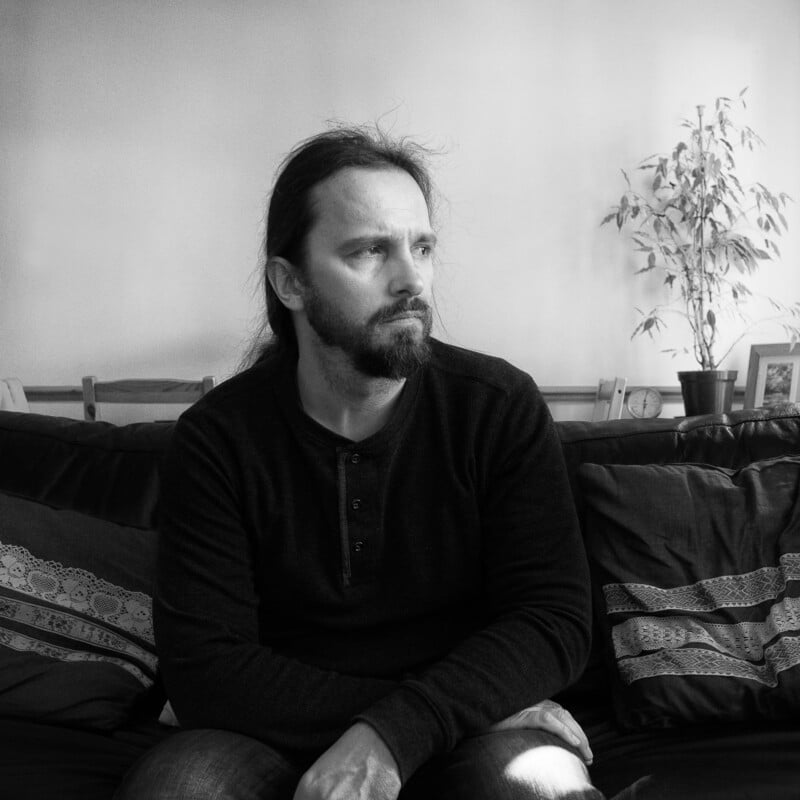 Photographer David Sládek
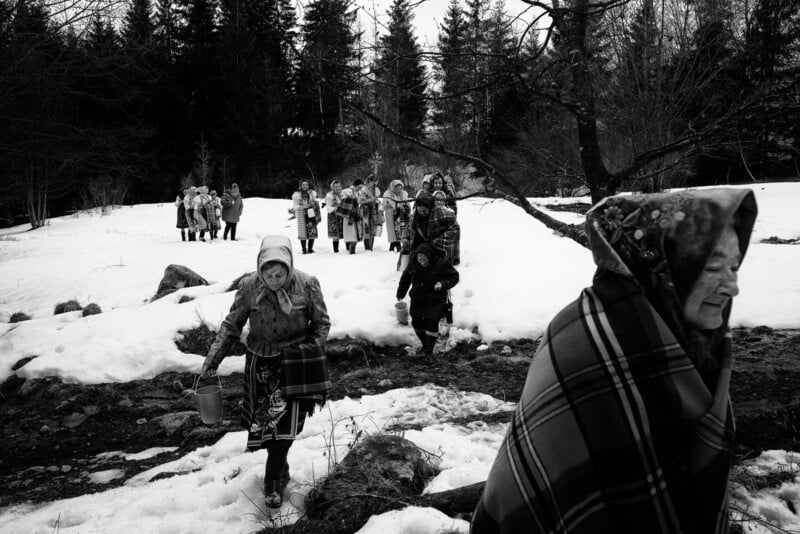 Šumiac, Slovakia 2019. From the series “People of Šumiac” | © David Sládek/LOBA 2026
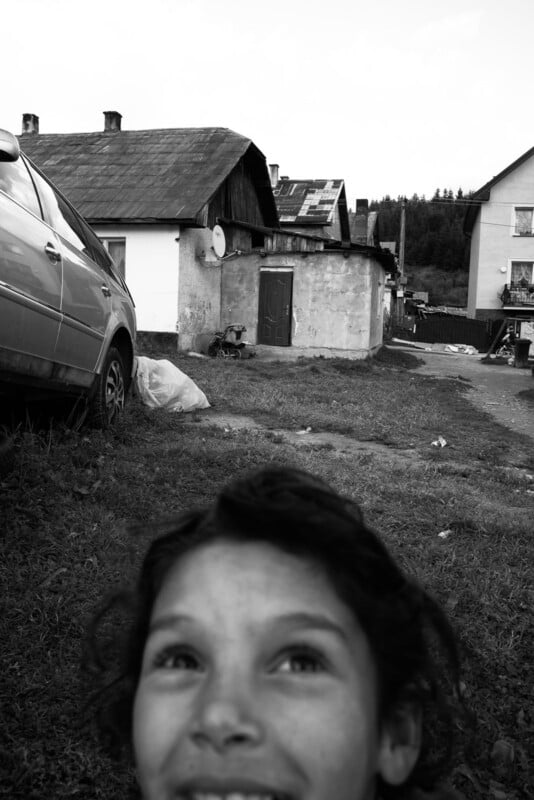 ac, Slovakia 2021. From the series “People of Šumiac” | © David Sládek/LOBA 2026
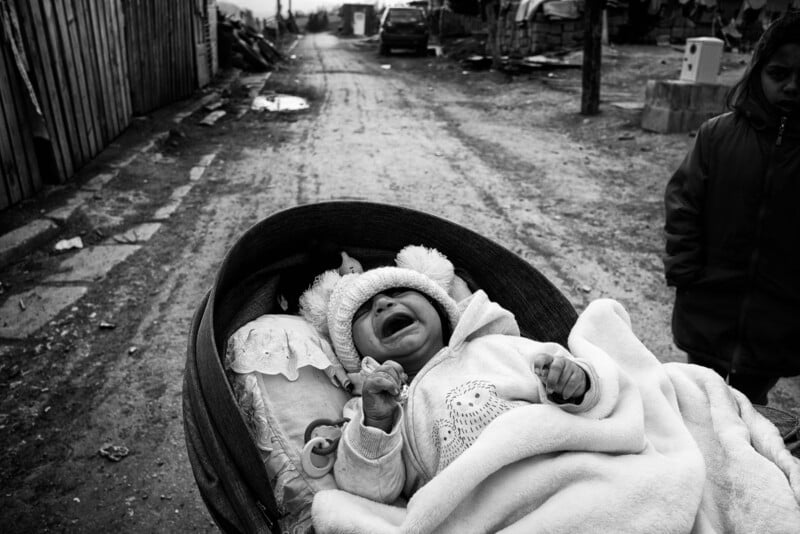 Šumiac, Slovakia 2023. From the series “People of Šumiac” | © David Sládek/LOBA 2026
Laila AnnMarie Stevens
American photographer Laila AnnMarie Stevens’ work, Clayton Sisterhood Project, was inspired by her desire to feel connected to her ancestors, a legacy of strong Black women. The series focuses on Stevens’ two sisters, who, along with her four nieces, moved from Queens in New York City to a shared house and plot of land in Clayton, North Caroline, to create new lives for themselves.
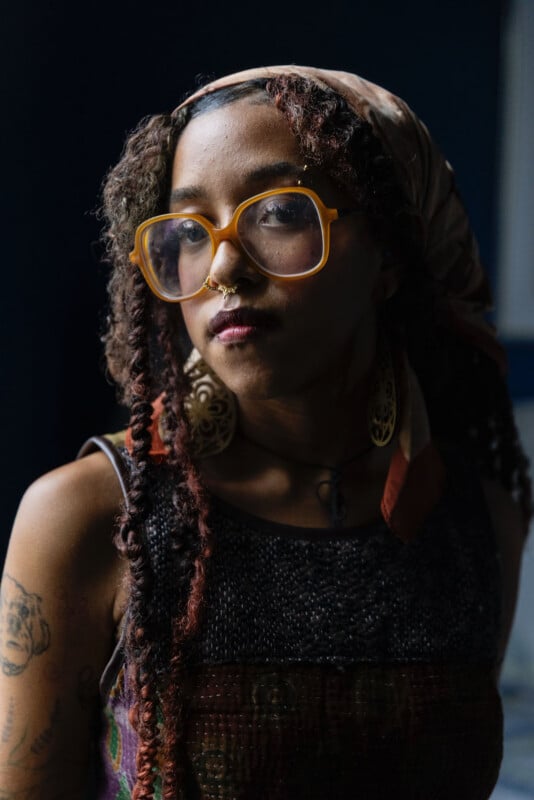 Photographer Laila AnnMarie Stevens | Photo by Amber N. Ford
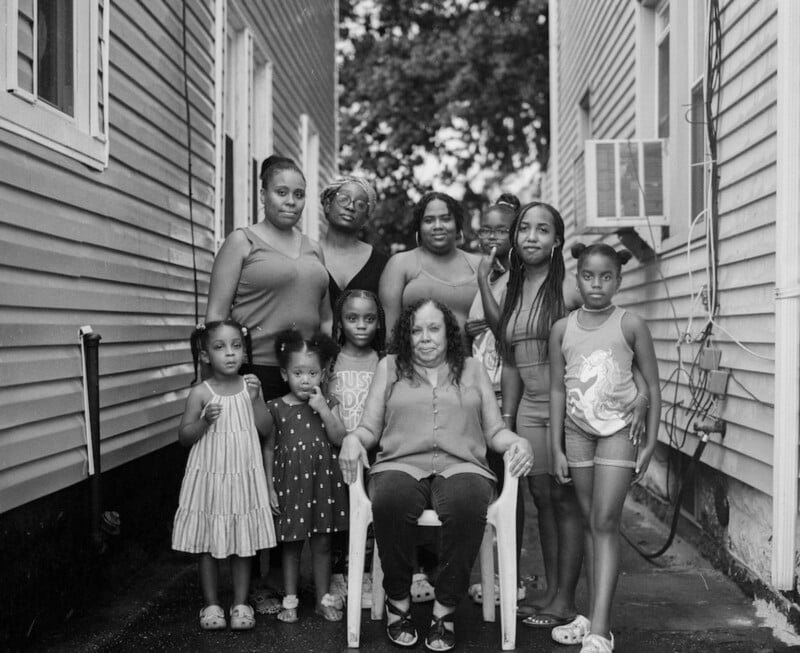 Three generations: Geneva, Jennifer and Shantell, Bayside, Queens 2022. From the series “Clayton Sisterhood Project” | © Laila AnnMarie Stevens/LOBA 2026
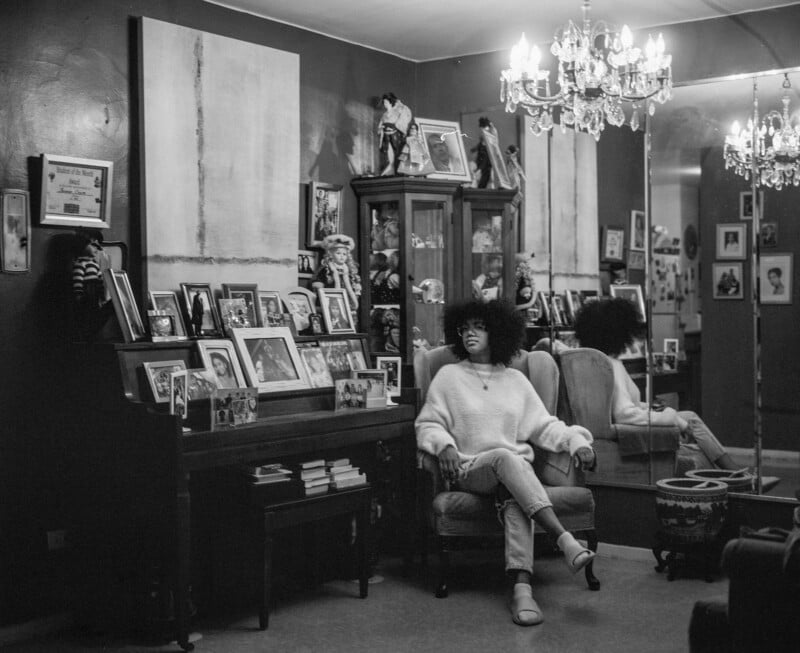 Anaïs in front of a gallery of framed photographs of her women-majority family, Rego Park, Queens, New York, 2021. From the series “Clayton Sisterhood Project” | © Laila AnnMarie Stevens/LOBA 2026
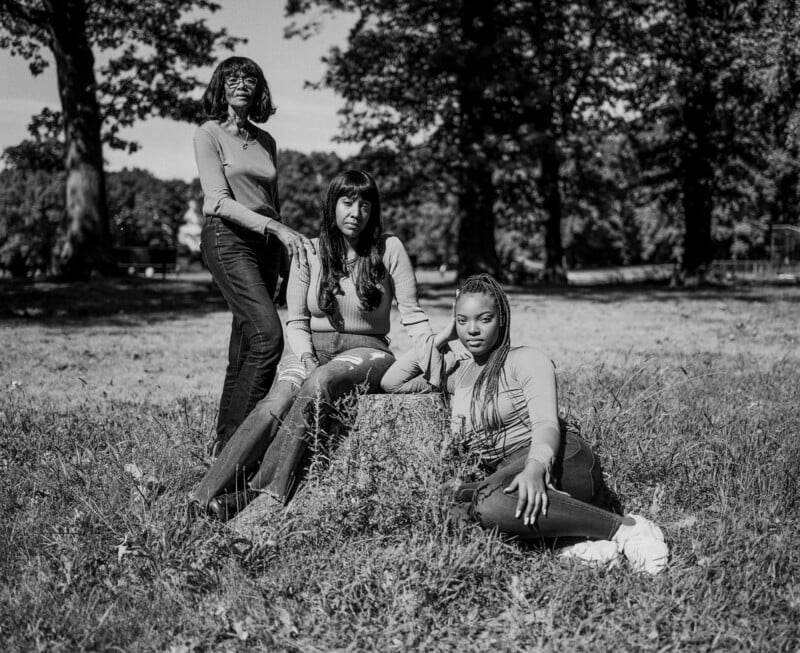 Stevens Family Portrait, South Jamaica, Queens, New York, 2021. From the series “Clayton Sisterhood Project” | © Laila AnnMarie Stevens/LOBA 2026
Winners Will Be Announced on October 8, 2026
The winners of the Leica Oskar Barnack Award, LOBA Newcomer Award, and new LOBA Women Grant will be unveiled on October 8, 2026, at an awards ceremony in Wetzlar, Germany.
“The Leica Oskar Barnack Award celebrates not only exceptional photographic quality but also photography’s ability to make societal change visible and to create connections between people,” says Leica’s Karin Rehn-Kaufmann, Art Director and Chief Representative of Leica Galleries International.
“The LOBA draws attention to longstanding projects, which would not receive the visibility they deserve without this platform.”
Image creditsLeica Oskar Barnack Award. Individual photographers are credited in the captions.






 English (US) ·