
 3 weeks ago
55
3 weeks ago
55
The idea behind the original Olympus PEN camera was deeply poignant. Like an actual pen, the PEN camera should be something you can take anywhere. It offers utility, for example, to sign a check or write in a tip on a receipt. But it is also a creative tool for sketching, writing a poem, or whatever inspires you along the way. The humble pen also has a third layer: it need not always be humble. It can instead be a stylish piece of functional jewelry, showing a touch of class peeking out of a suit pocket or from a couture handbag.
In a very simplistic and maybe cynical way of looking at it, the PEN is just a street-styled OM-5 II.
Pros
- Stylish and simple
- Has a full feature set and proper EVF
- New color modes are fun
- IBIS and CP modes are genuinely useful
- Excellent battery life
Cons
- Primarily technology we have seen before
- More basic and less stylish compared to the much older PEN F
- Grip is a little too shallow for comfort
- 8-bit video quality is a little soft
Sadly, the days of carrying a pen have faded, but OM System embraces the spirit of what it represents in its latest camera. The new camera is also the first product to bear the illustrious PEN title under the OM System banner. The OM System PEN is meant to be an affordable companion camera that you can take anywhere. Let’s see whether the $1,000 camera is a worthy addition to a long line of PEN cameras.
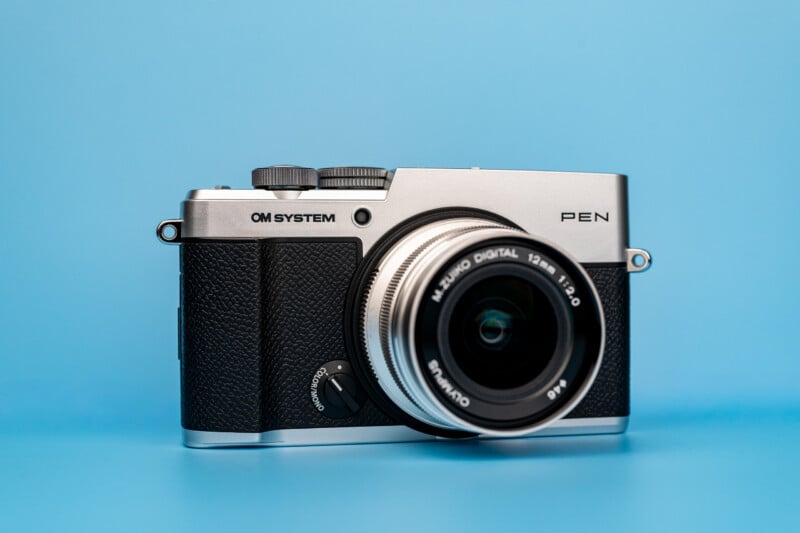 OM System is going for a clean and streamlined look with the new PEN.
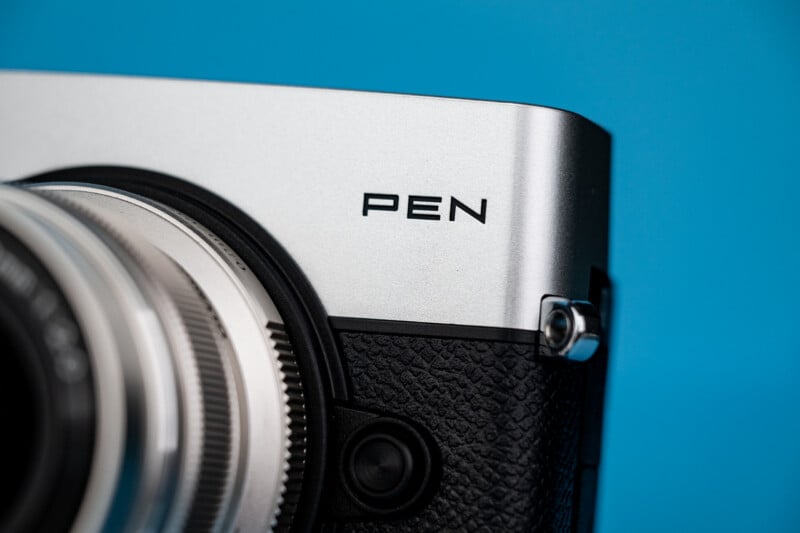 The iconic PEN is back with a new brand name and plenty of style.
OM System PEN Review: How It Feels
When I first saw the new OM System PEN, I was a little disappointed in its outward appearance. That said, my criticism may be unwarranted.
The PEN is a beautiful camera with clean lines and a simple and stylish finish. If I saw it from any other manufacturer, I would applaud its handsome looks and vintage-inspired design. My reluctance to love the look of the new PEN has more to do with the illustrious praise I heaped upon the PEN F than any specific aesthetic shortcoming of the new OM System PEN.
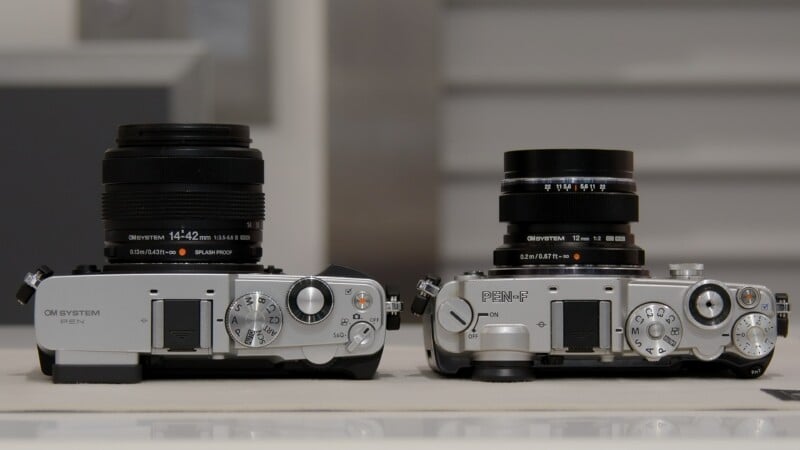 The size is about the same, but the new PEN is more entry-level than before.
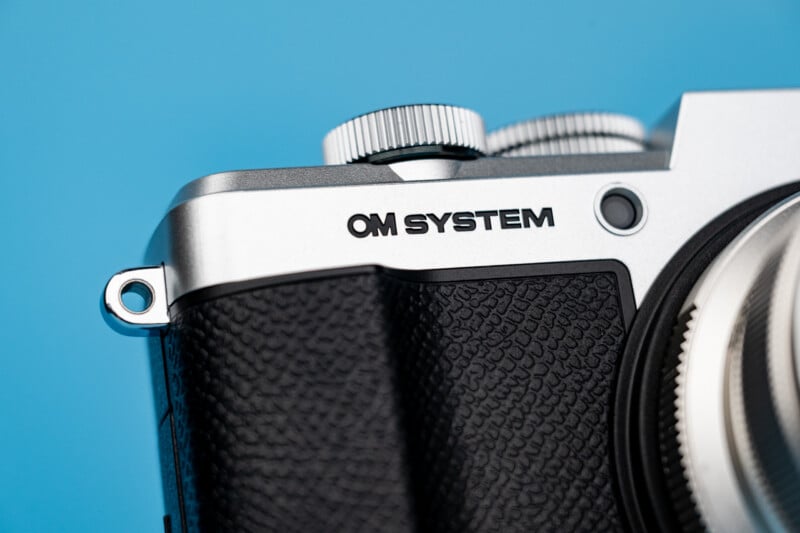 This is the first PEN camera to bear the OM System name.
The PEN F is a truly classic design with gorgeous dials, supreme metalwork, and a clear nod towards 1960s design. I love everything about the way it looks and feels. However, it is an expensive camera and arguably a complicated one as well, and OM System wants to go in a slightly different direction with its own version of the PEN.
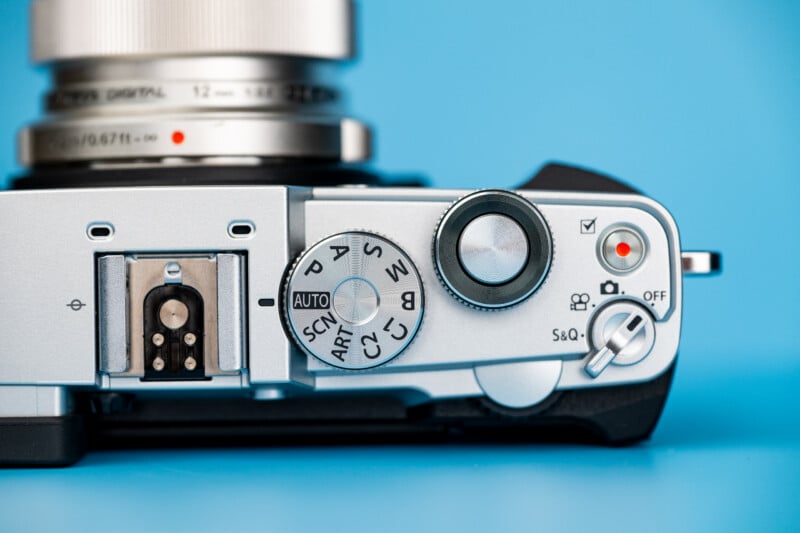 The dials are beautifully machined in classic fashion, but I wish there were a threaded shutter button.
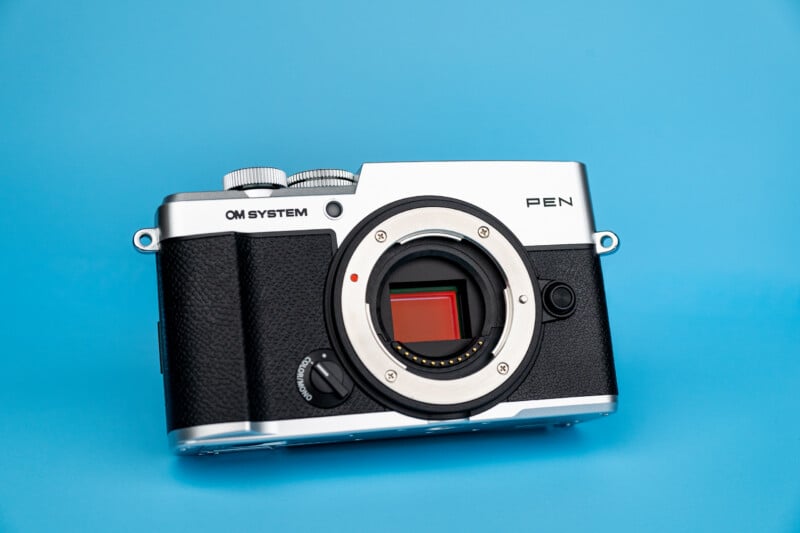 The same sensor returns from the OM-5 II.
The driving motivation behind the OM System PEN design is a chassis that is easy to slip into a pocket or small bag and remove without catching on anything. To this end, the PEN is very smooth and sleek, with no protruding dials or levers to get stuck. This gives the camera a modern shape but undeniably classic design. I love the look of the silver version myself, and I’m happy to see that the dial controls are metal and cut beautifully. The camera weighs only 17.6 ounces (500 grams) and is easy to carry anywhere.
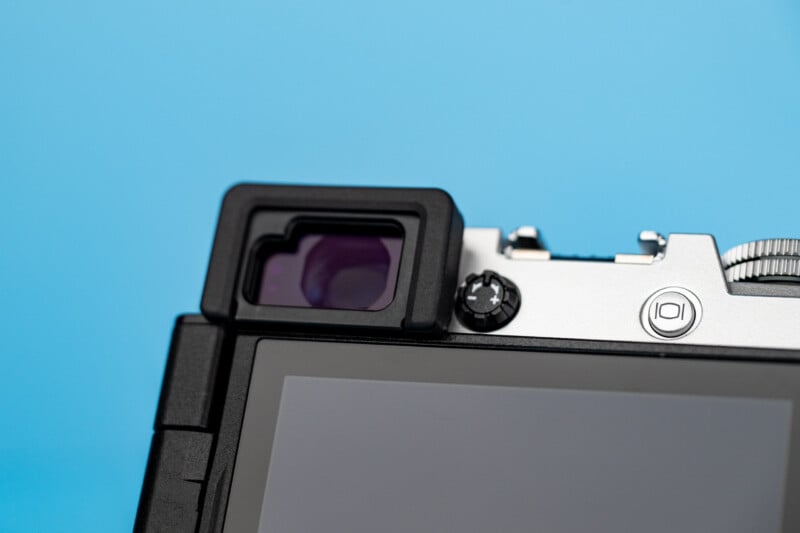 I truly hoped that the PEN would have an electronic viewfinder.
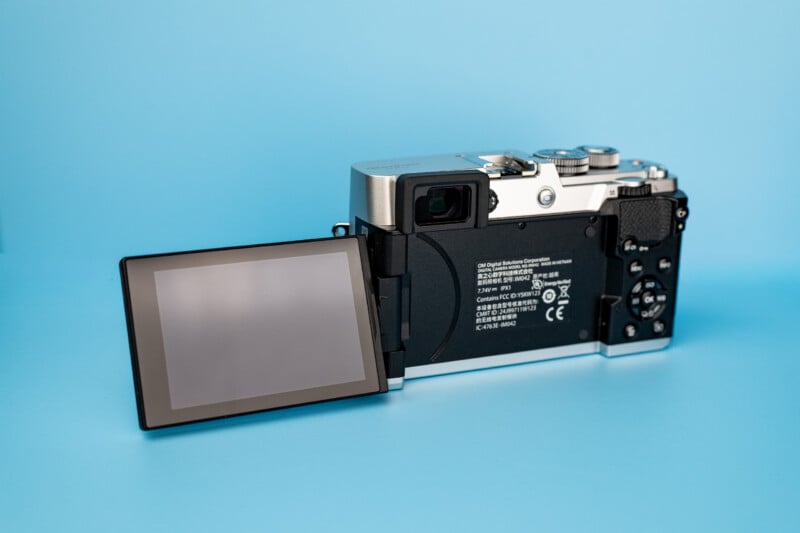 The back panel is fully articulating.
I had the opportunity to really test the PEN by taking it all across Japan, all through the Nagano Valley, and ending up on Sado Island. This is exactly what the PEN is all about. It was easy to carry and looked stylish on my arm. The body is weather-sealed, so I didn’t have to worry about it in the intense Japanese summer humidity.
A CP button lets you access all your computational photography modes, and I used the Live ND feature constantly. You can customize this button as well if you prefer. There is also an AF/ON button, which I always want on any camera I use. It is great to have, but I do find it to be in a strange position, a little lower than my thumb would rest, and I did have quite a bit of difficulty using it. With practice, I think this issue would resolve, but even after weeks of using it, I kept pushing the wrong button from time to time.
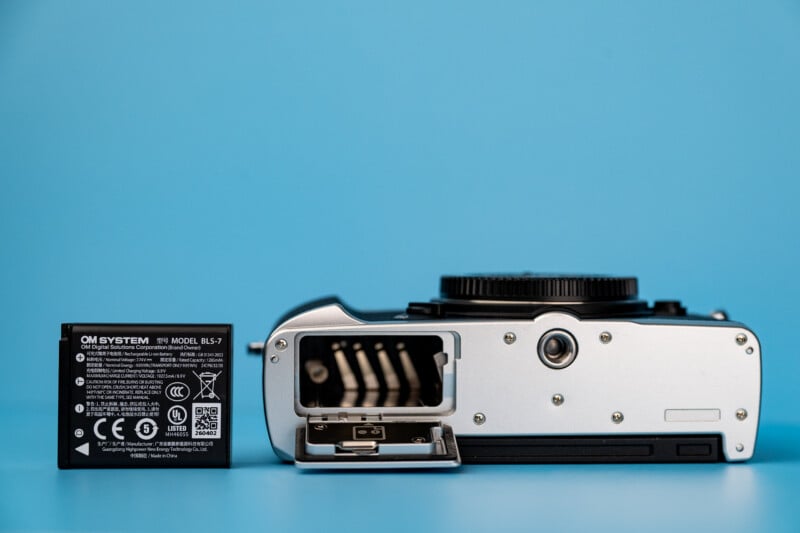 There is a brand-new battery format, which gives excellent longevity.
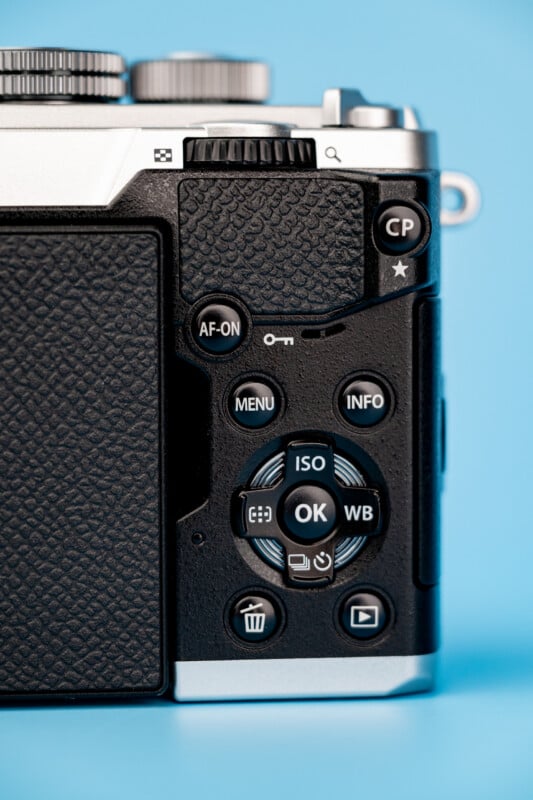 The controls are good, but you won’t find a joystick for autofocus control.
On the front of the camera is a dial that lets you switch from the camera’s standard color modes to your custom recipes. You can make up to four color recipes and four monochrome recipes, and tweak them as you see fit. I like the camera’s default monochrome setting with only minor changes, so what I did was set the standard color mode to monochrome and then create a custom recipe under the color dial. This lets me flick the dial switch and quickly shift between color and black-and-white shooting, with the color setting taking advantage of the rich customizability of the new options. Regardless of how you set it up, the color modes are fun and useful.
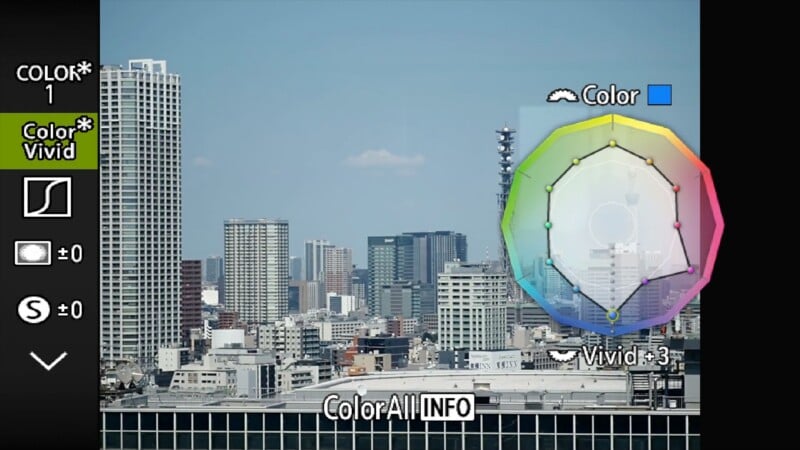 The color settings are very customizable and useful.
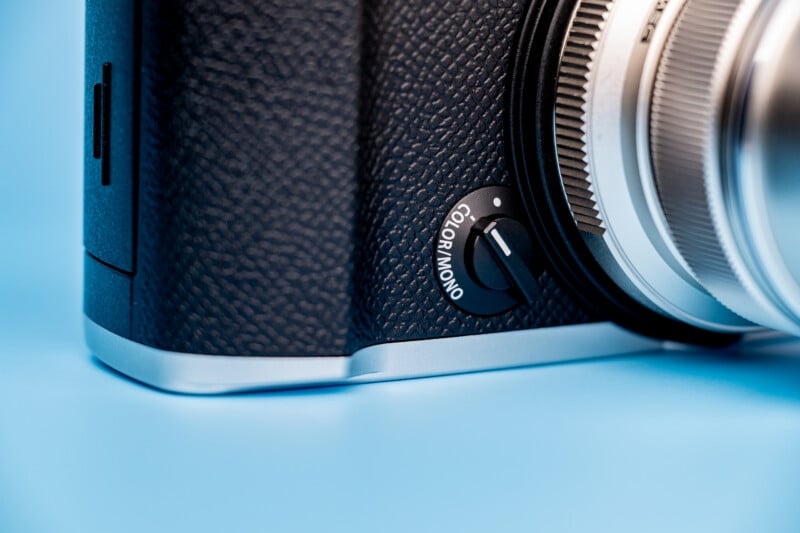 This little switch gives access to the color filter controls.
You will not find any sort of autofocus joystick control on the body, but you can use the 1-million-dot fully articulating LCD panel to move your focus area around.
I didn’t expect to see an EVF on this camera, especially given how closely it resembles the EVF-less Olympus PEN EP-7. However, we are fortunate to get a 2.36-million-dot EVF, which, although basic, is a welcome addition at this price.
This little camera operates in a simple, streamlined way, and I think it is excellent for the target audience it serves. The OM-5 II is very similar in capability and control, but it offers a more substantial grip and slightly better IBIS for those who want to use longer glass; this is the more fitting street photography camera.
OM System PEN Review: How It Shoots
The grip was a little small for my hand, and I had to pinch harder than I would have liked to hold it safely. This camera will definitely benefit from a future accessory grip. Although I won’t be mounting any major telephoto glass on the PEN, it does have features like Pro-Cap mode, which is equally useful on the streets as in the jungle.
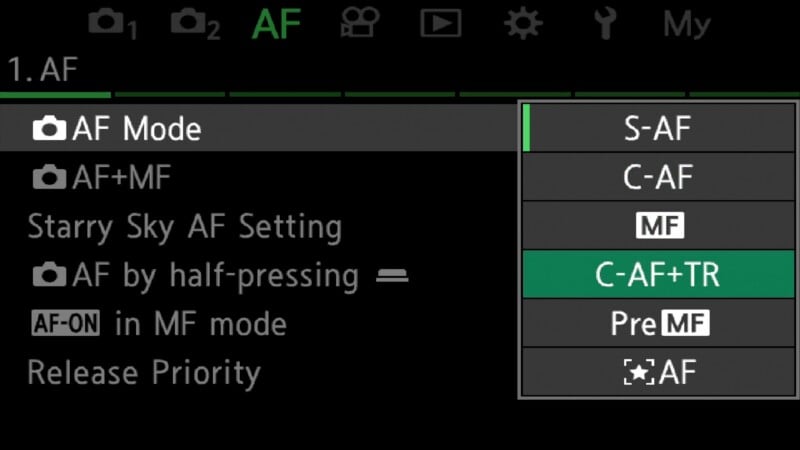 Decent burst rates and good autofocus serve the PEN well.
 Catching subjects and focusing on eyes is easy for the PEN.
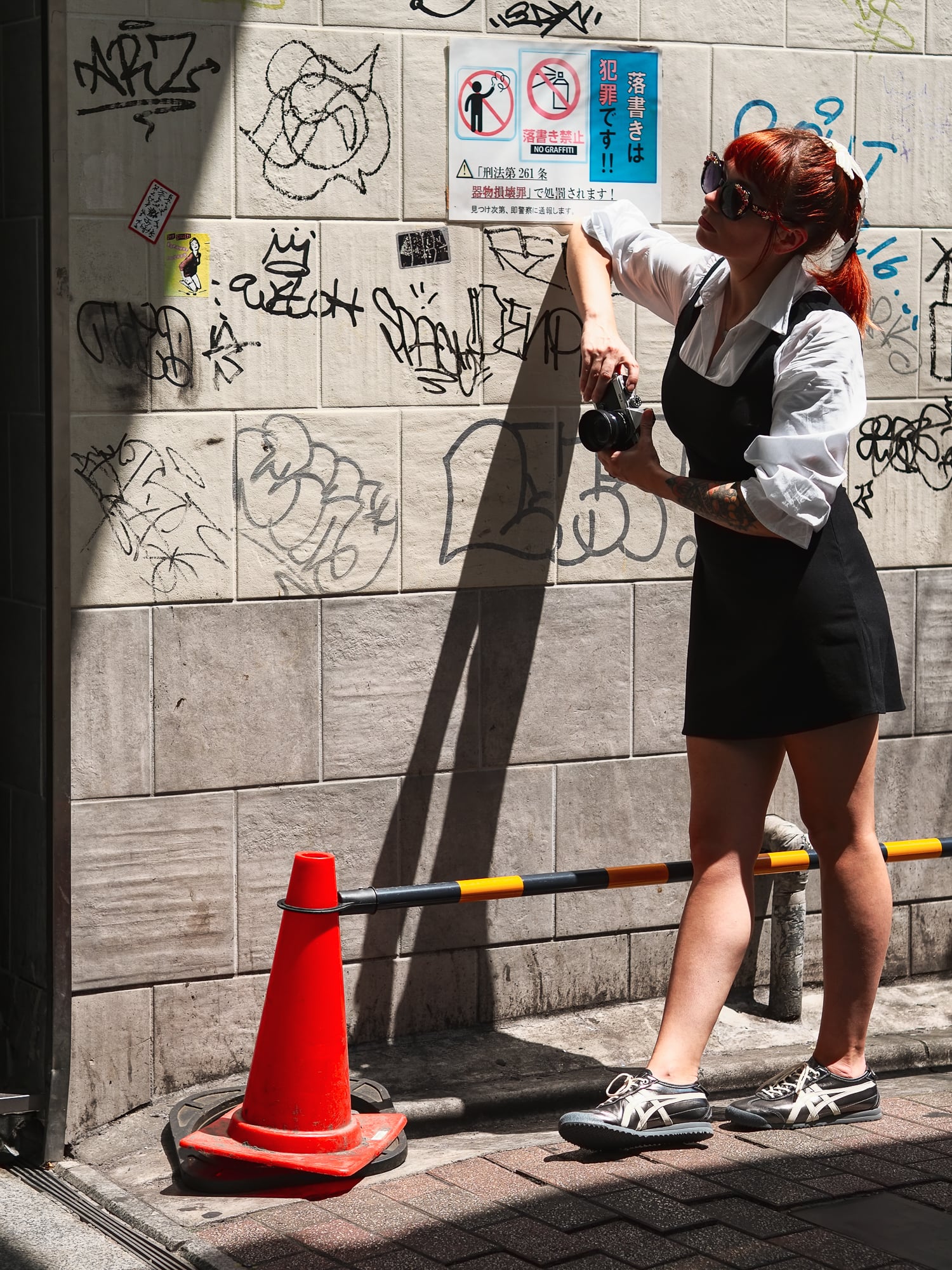
The OM PEN shoots up to 1/4000 second in mechanical shutter mode and has an IBIS unit capable of up to 5.5 stops of stability. Autofocus worked great for most casual situations, but the subject-detection options are limited.
You can detect people or pets. Officially, the animal detection mode is a simpler feature intended for family pets, although I tested it and it worked well for wildlife I encountered as well.
You can push the camera to eight frames per second burst rates, but everything feels just a little less compared to the similar OM-5 II. I don’t know how much of this is due to its physically smaller body and how much to market segmentation for different audiences, but the PEN is, for all intents and purposes, going to behave like a more beginner-friendly and arguably more stylish OM-5 II.
 Japan has so much to offer photographically.
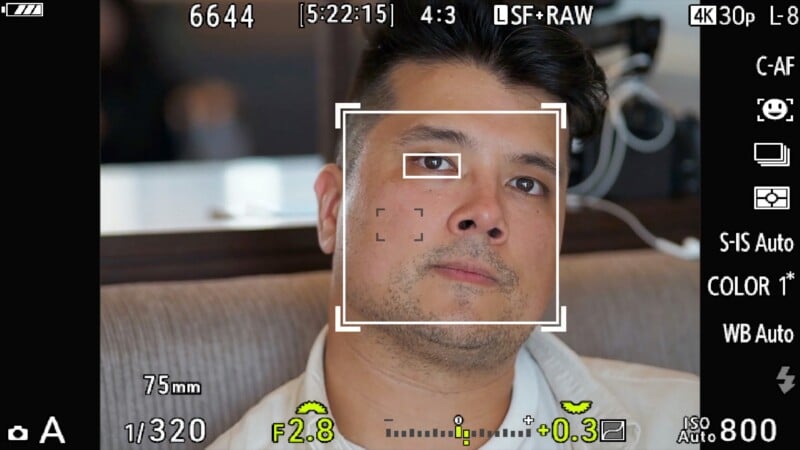 Human eye detection works well for any street or portrait situation.
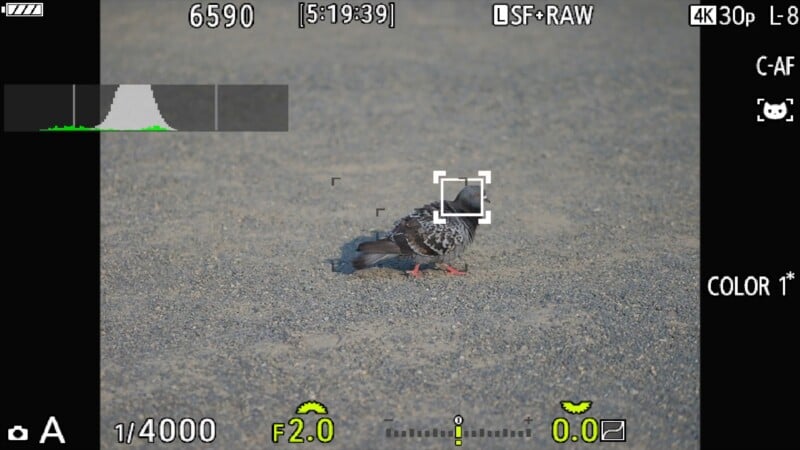 Pigeons can be pets, and the animal detection did find them.
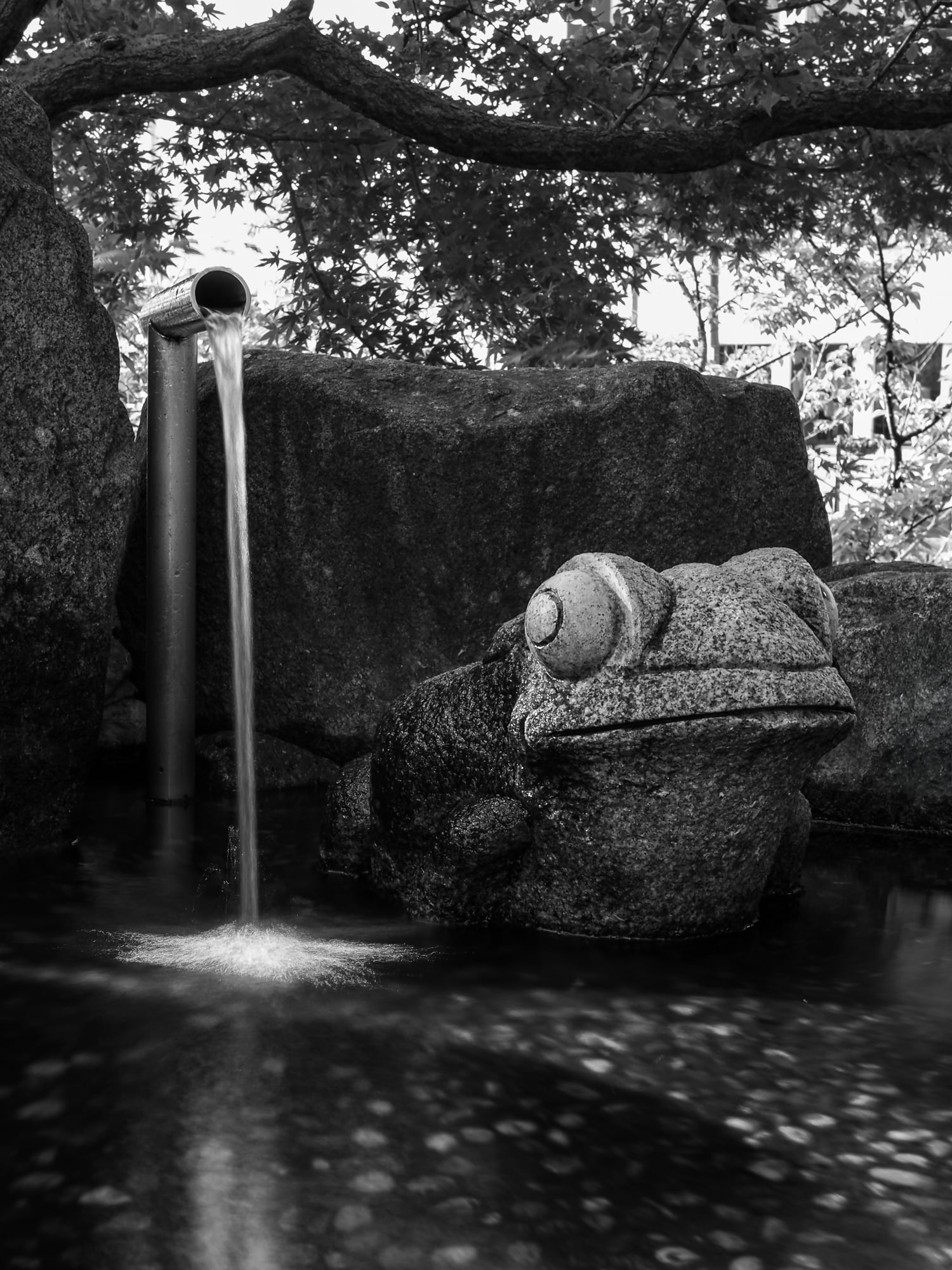 Live ND is still as useful as ever.
You will find the same 20-megapixel Micro Four Thirds sensor as the OM-5 cameras, along with similar video capabilities. OM-Log is available, but it’s limited to 8-bit recording modes.
There is a brand-new battery, though, called the BLS-7. I found this battery longer-lasting than the old BLS-50, and it gave me multiple days of shooting from a single charge. This is a real advantage for a travel camera.
I also used the four-stop Live ND feature all the time, and the IBIS was still respectable enough to handhold slow shutter speeds. The IBIS will not sync with longer telephoto lenses that include optical stabilization, though. This is yet another consequence of making this camera for a different audience than the OM-5 II.
 OM System video doesn’t change much from model to model, but the 8-bit quality is a little soft.
 You can have fun with very customizable color rendering.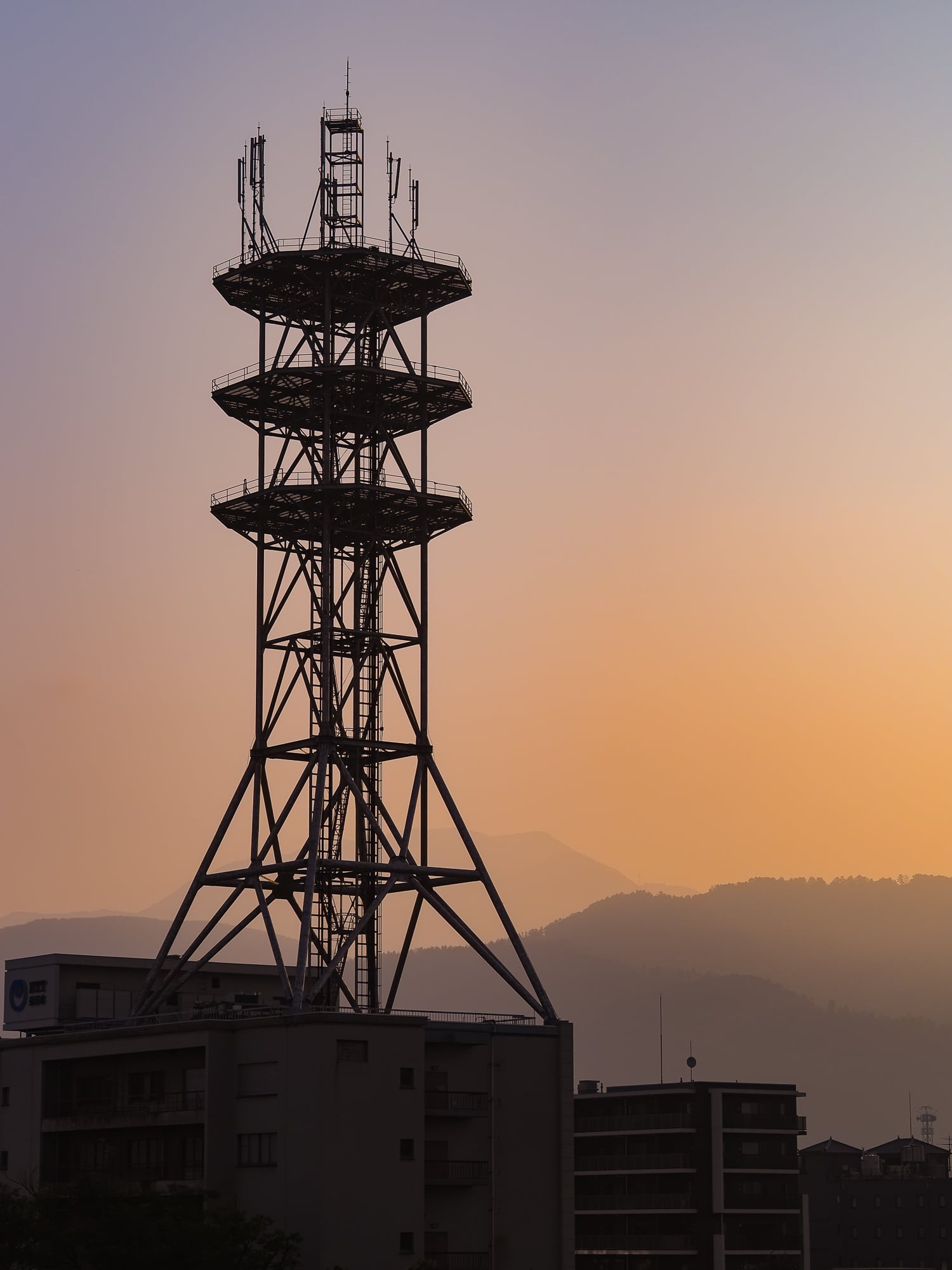

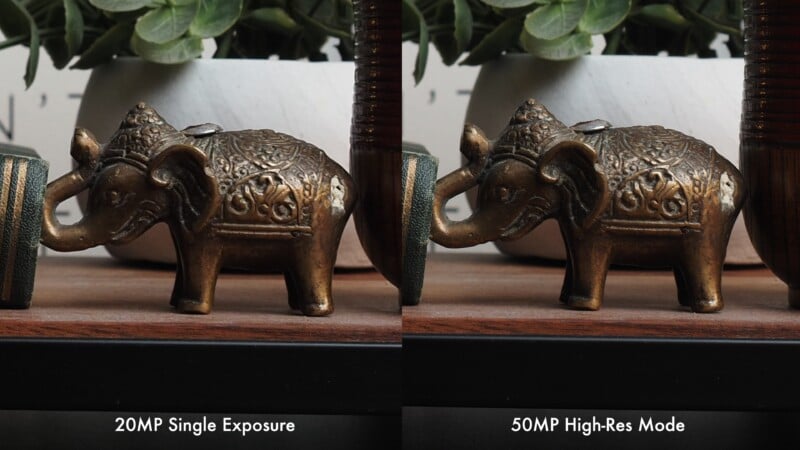 CP modes like Live ND and High-Res mode are still present.
OM System PEN Review: Familiar, but Worthy
In a very simplistic and maybe cynical way of looking at it, the PEN is just a street-styled OM-5 II. In fact, the OM-5 is even a touch more capable as a shooter, and the price is essentially the same, too.
However, I can confidently say some very positive things after using the camera throughout my trip to Japan. The PEN is a stable shooting camera with a quiet shutter and all the controls and customization I need to get the job done. The color filter options are genuinely fun, and I’m always happy with the overall image quality that I get out of the OM bodies and glass. Battery life was awesome, and OM’s great computational modes are present here.
 Tokyo summers are hot but the sunsets are gorgeous.


More importantly, if I were going to travel abroad or even just wander around, the OM System PEN is more appealing to me as a companion than the OM-5 II. Although both are about the same size and weight in practical terms, the PEN offers a more desirable combination of style and looks without major compromises. This is a testament to how OM System is marketing these cameras, and I think it works.
 The OM System PEN succeeds in being a handy and stylish travel camera.
I can see many beginner photographers, as well as more accomplished street photographers, gravitating toward this camera, even when compared to the more expensive OM-1 series. It just scratches an itch that many of us have had.




I want to acknowledge that the new OM System PEN, as fun as it is to use, is still essentially the same technology we have seen many times before. However, there is hope on the horizon. Now that OM System is out from under the JIP holding group, we may see real innovation from OM System in the future. If the $1,000 PEN can be a new entry-level starting point, I’m excited to see what OM System does next.


Are There Alternatives?
As mentioned, the OM-5 II is effectively the same camera with a better grip and more capable telephoto lens usage, intended for more outdoor pursuits. I would also consider the PEN a viable competitor to cameras like the Panasonic L10, Fujifilm X100 series, and Nikon Zfc. Once you add a lens, all of these packages will cost about the same.
Should You Buy It?
Yes. This is a compact, stylish street and travel camera that makes good use of the small lenses Micro Four Thirds offers. You can learn (and love) photography and look good doing it.
Affiliate Disclosure PetaPixel articles may include affiliate links; we may earn a commission if you buy through one.






 English (US) ·