
 1 hour ago
15
1 hour ago
15
Howard Marks has spent years telling anyone who would listen that the Federal Reserve does too much. Now he has a Fed Chair who apparently agrees.
The Oaktree Capital Management co-chairman has voiced his preference for the less interventionist approach taking shape under Kevin Warsh, who has moved quickly since taking office to dial back the Fed’s reliance on forward guidance, the practice of telegraphing future policy moves to markets well in advance.
Warsh’s quiet revolution at the Fed
Warsh was confirmed by the Senate on May 13, 2026, in a 54-45 vote, and officially became Fed Chair on May 22. In the months since, he has launched five task forces aimed at modernizing Fed operations, with a particular focus on reducing the central bank’s habit of holding markets’ hands through detailed guidance about where rates are headed.
The philosophy got its clearest articulation at Jackson Hole on August 28, 2026, where Warsh laid out his vision for a Fed that waits for concrete evidence before acting. His message: the central bank needs genuine confidence that inflation is moving toward its target before easing policy, not just hopeful projections.
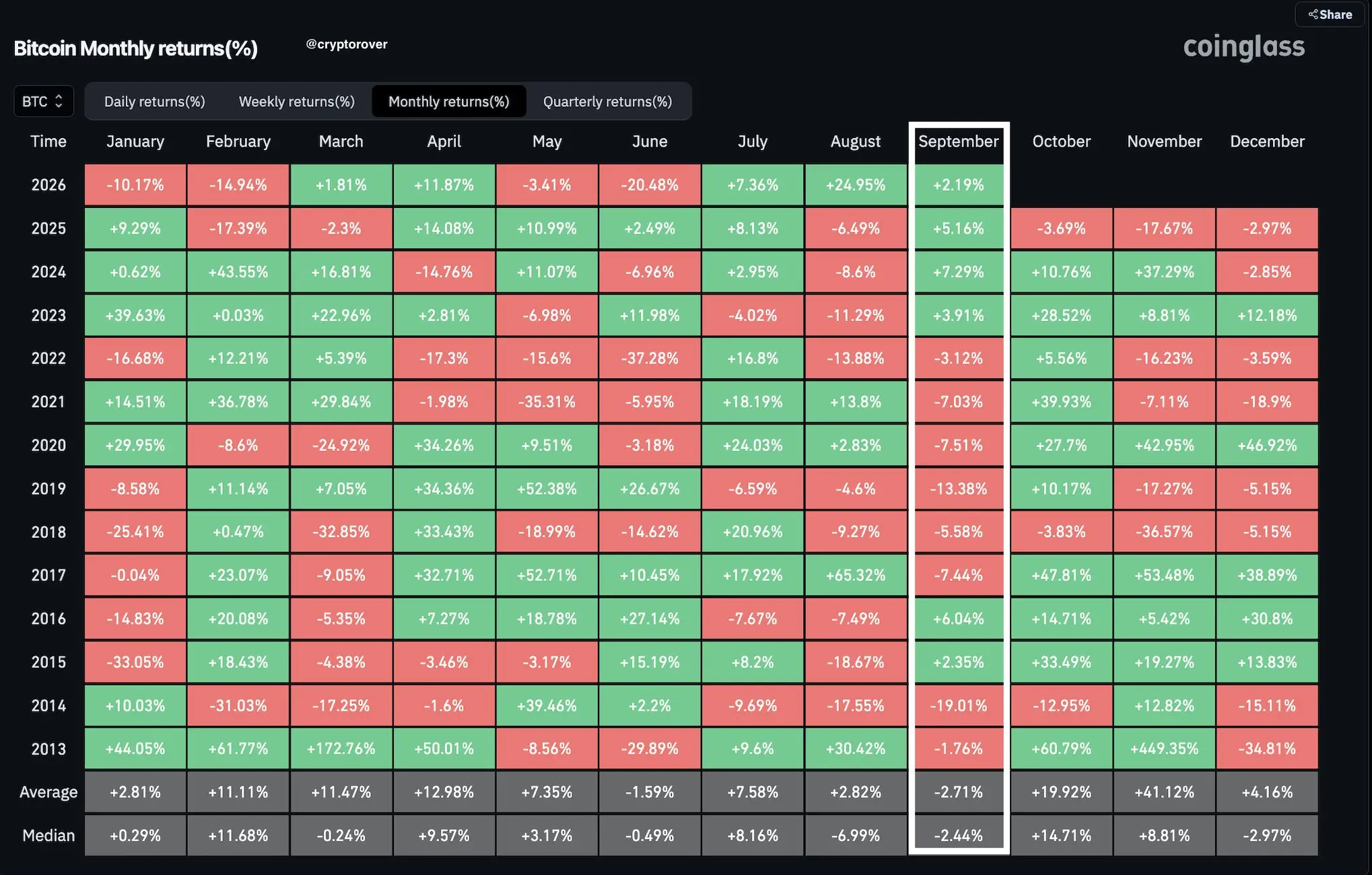
Then came the action to match the words. In September 2026, the Fed raised the federal funds rate by 25 basis points to a target range of 3.75-4%, a unanimous 12-0 vote that marked the first rate increase since 2023.
Why Marks has been waiting for this moment
Marks has been making this argument for years, long before Warsh was even nominated. During a fireside chat at Pepperdine University in March 2026, he expressed his preference for a non-activist Fed Chair, someone who would resist the temptation to intervene at every sign of market turbulence.
His core thesis is straightforward: the Fed should stick to its dual mandate of price stability and maximum employment, and it should act only when there are observable signs of genuine economic distress. Not when stock prices dip. Not when bond traders get nervous. Not when politicians start calling for lower rates.
Marks’ view is that Fed activism created a moral hazard problem. When markets know the Fed will step in to cushion every fall, they take bigger risks.
The billionaire investor built Oaktree Capital into one of the world’s largest alternative asset managers, with a particular expertise in distressed debt. That background shapes his perspective. Someone who makes a living buying assets from distressed sellers has a natural skepticism toward policies designed to prevent distress from ever occurring.
What a less chatty Fed means for markets
The practical implications of Warsh’s approach are already becoming apparent. Less forward guidance means less predictability, which means more volatility. Markets had grown accustomed to a Fed that essentially pre-announced its moves, giving traders weeks or months to position accordingly.
The September rate hike itself sent a clear signal. By raising rates despite political pressure advocating for looser policy, Warsh demonstrated that this Fed intends to be data-driven rather than politically responsive. The unanimous 12-0 vote underscored the internal consensus behind this approach.
Disclosure: This article was edited by Editorial Team. For more information on how we create and review content, see our Editorial Policy.






 English (US) ·