
 5 hours ago
5
5 hours ago
5
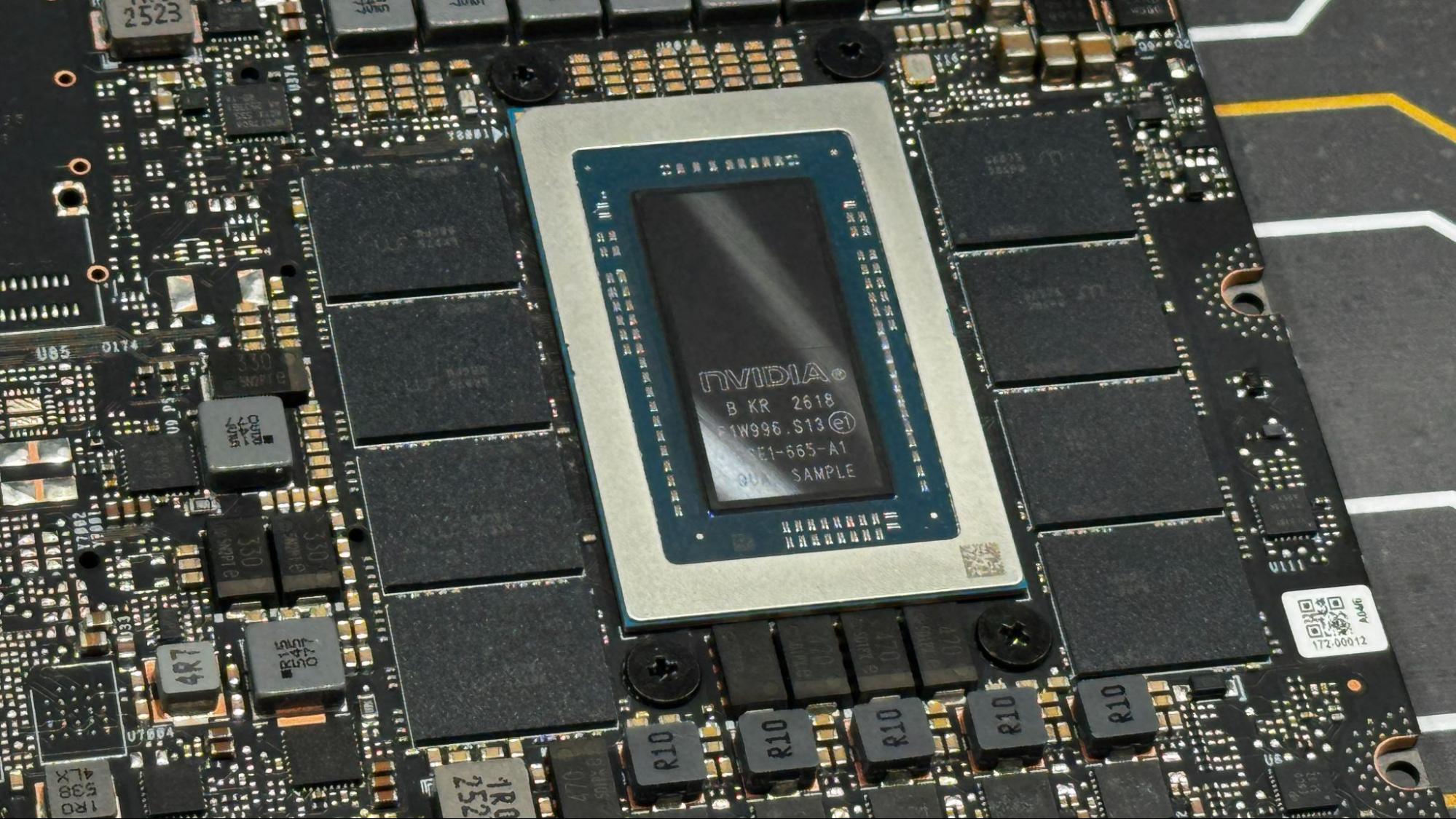
Nvidia is finally getting more specific about the launch of the RTX Spark. The chip, which it is now officially calling the "N1X," will launch in laptops in October and come in two configurations.
The more powerful option will mix a 20-core Grace CPU with a 6,144-core Blackwell GPU, and come with between 24 and 128GB of unified memory. The other variation uses an 18-core CPU and a cut-down 5,120-core Blackwell GPU with between 24 and 32GB of unified memory. That version will only be in laptops.
Swipe to scroll horizontally
RTX Spark N1X |
Configuration 1 |
Configuration 2 |
CPU |
20-core Grace CPU |
18-core Grace CPU |
GPU |
6,144 CUDA core Blackwell GPU |
5,120 CUDA core Blackwell GPU |
Memory |
24 - 128GB unified memory |
24 - 32GB unified memory |
Form Factor |
Laptops, Mini PCs |
Laptops |
There's a lot that Nvidia hasn't specified outside of core counts and memory support, but with the chip launching next month, we're sure to find out more, either through Nvidia or OEMs, soon enough.
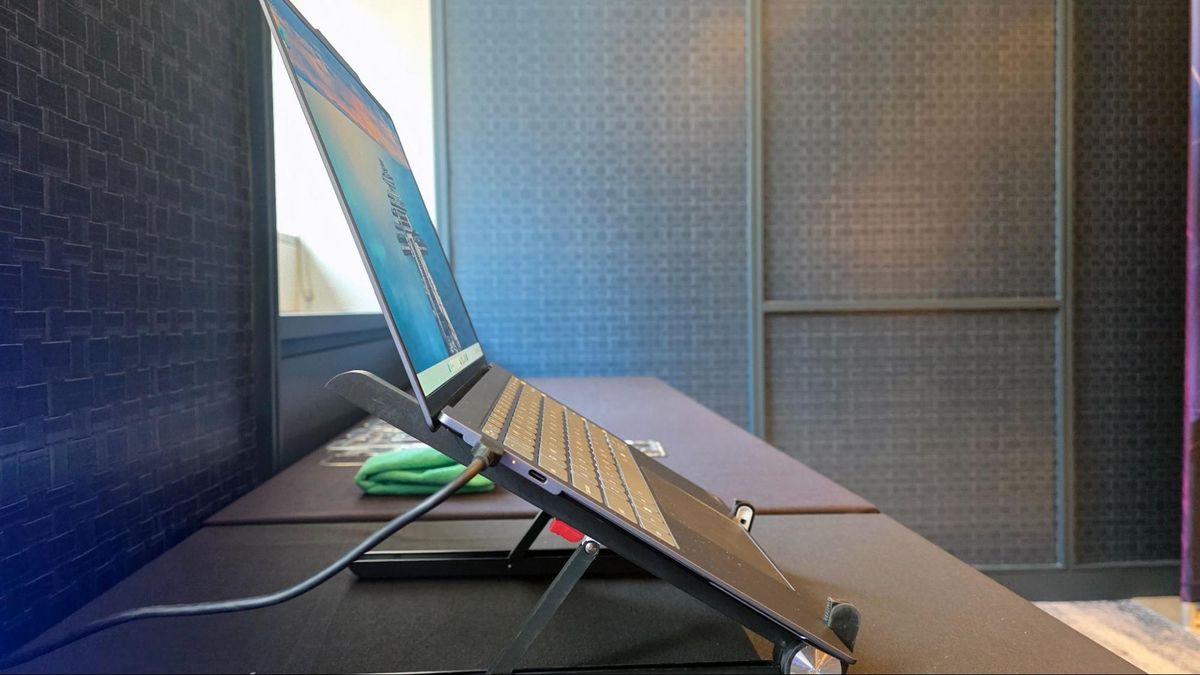
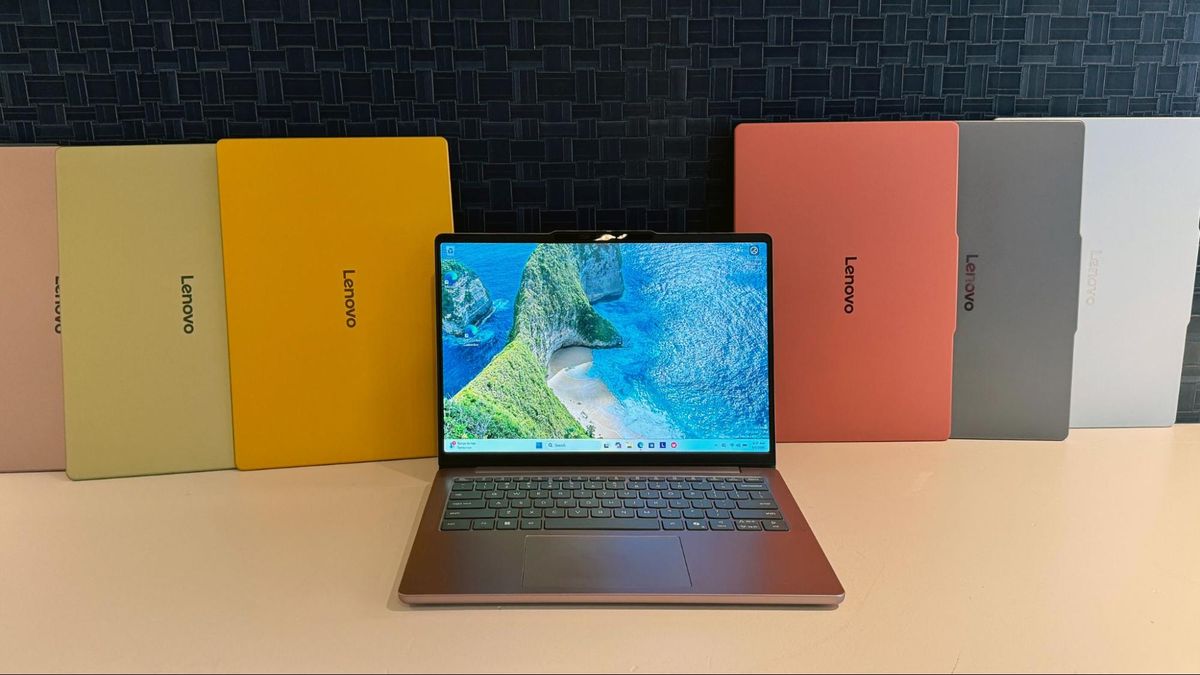
Nvidia made the announcement ahead of IFA in Berlin, where Lenovo and Acer announced new systems with Nvidia's new chips. Lenovo debuted the Yoga 9n 2-in-1 laptop, while Acer is debuting the SFF RTX Spark, a mini desktop. As of this writing, neither has pricing.
Further systems will come from Asus, Dell, MSI, HP, and Microsoft, the latter of which debuted the flagship Surface Laptop Ultra at Computex this year. These systems are being pushed as laptops and mini PCs meant primarily for agentic AI, though Nvidia has also demonstrated its gaming prowess in demos. We'll need to get our hands on these to test both scenarios. The company is also promising "all-day battery life," another claim we'll need to test.
The use of the N1X name has occurred in leaks, but this is the first time Nvidia has used it publicly. This suggests a separate, lower-end N1 chip may exist and be released down the line.
It's unclear exactly which devices will launch in October and which might come out later in the year. It's likely that that information will come soon, now that Nvidia has chosen a month. We'll also have to see if Microsoft's Agent Framework, which lets agents run in the background under control of the operating system, is ready in Windows by then.
Nvidia's unified memory approach is similar to the one popularized by Apple in its M-series chips, including the recently announced M6 and M5 Ultra, which also uses an Arm instruction set. On the x86 side, AMD's Strix Halo (and upcoming Gorgon Halo) also use unified memory.
The launch of these chips will also break Qualcomm's exclusivity on Windows on Arm, bringing a major new silicon vendor into the ecosystem, and possibly more partnerships from application developers eager to use Nvidia's tools.

Follow Tom's Hardware on Google News, or add us as a preferred source, to get our latest news, analysis, & reviews in your feeds.






 English (US) ·