
 4 weeks ago
53
4 weeks ago
53
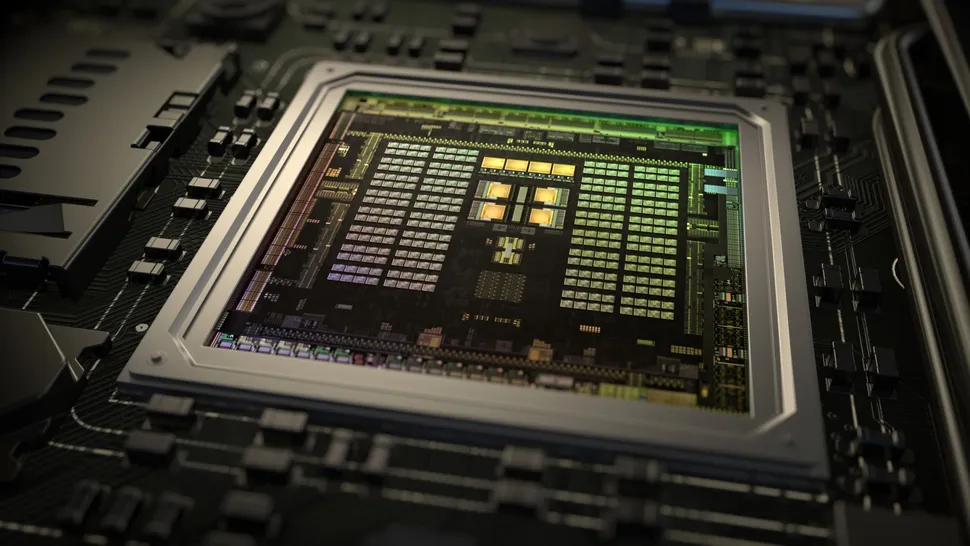
Ahead of Computex next week, Nvidia's social media accounts have begun promising "a new era of PC," along with the latitude and longitude of the Taipei Music Center, where CEO Jensen Huang will present his keynote for the event as part of GTC Taipei 2026.
While we don't have any idea exactly what's coming, it's intriguing to see who else is joining in on the game. The Windows X/Twitter account has shared the exact same message as Nvidia's, suggesting that we could see the long-rumored N1X laptop platform make its debut at Computex - and that it could be running Windows on Arm.
For background, N1X has long been rumored to be the mobile variant of the GB10 Superchip at the heart of the DGX Spark mini-PC, which boasts an RTX 5070-class GPU paired with 128GB of LPDDR5X memory and a powerful Mediatek-designed 20-core Arm CPU complex.
But the DGX Spark is an Ubuntu Linux-powered AI developer sandbox, not a jack-of-all-trades PC that can seamlessly run Windows apps, as the current crop of Windows on Arm platforms can. If Microsoft is putting its weight behind N1X, that could broaden the appeal of the platform for a more general computing audience by bringing the entire Windows app ecosystem to the platform.
Supporting N1X would also bring a powerful, advanced unified-memory-architecture AI computing platform into the Windows camp. None of Microsoft's other Windows on Arm partners have produced anything nearly as ambitious or powerful an AI foundation as the GB10 Superchip, so N1X laptops could be a major boost for the company's AI ambitions on Windows. Having that class of raw compute at its disposal could certainly inspire Microsoft to create new types of first-party local AI experiences that simply haven't been possible from the current crop of Copilot+ PCs and their relatively limited AI grunt.
Go deeper with TH Premium: GPUs
But given what we know about GB10 already, the appeal of this type of system could be narrow at first. Because they share the same pool of LPDDR5X memory, the GB10 GPU enjoys just 273 GB/s of raw bandwidth, far less than that offered by more traditional laptops with dedicated GPUs that have their own pools of GDDR memory.
In our own experience, we've found that you can certainly game on GB10, but it's not the platform's strongest suit. So unless there's a major change in the platform's architecture or resources waiting in the wings, N1X PCs will likely need to deliver a new type of experience with their AI potential that's missing from current systems and platform architectures.
And N1X PCs will almost certainly be expensive amid the current silicon crunch. GB10 boxes are all selling for around $5000 by our reckoning, and that's partially because they include an exotic NIC that almost certainly won't make its way into any potential laptops powered by this platform. But massive pools of RAM and large SSDs don't come cheap right now, either, so we're still likely to be looking at pricey partner systems.
A broader product stack than the 128GB GB10 with smaller memory options and lower CPU and GPU resource counts could help make these systems relatively more affordable while still keeping them plenty powerful for local AI.
In short, there's still plenty we don't know about how an N1X-powered AI PC will look, but the fact that Nvidia and Microsoft could be teaming up to make it a Windows on Arm platform is a big deal in itself. We'll be on the ground at Computex 2026 very soon, and we'll report back with details on this potential development as we learn more.

Follow Tom's Hardware on Google News, or add us as a preferred source, to get our latest news, analysis, & reviews in your feeds.





 English (US) ·