
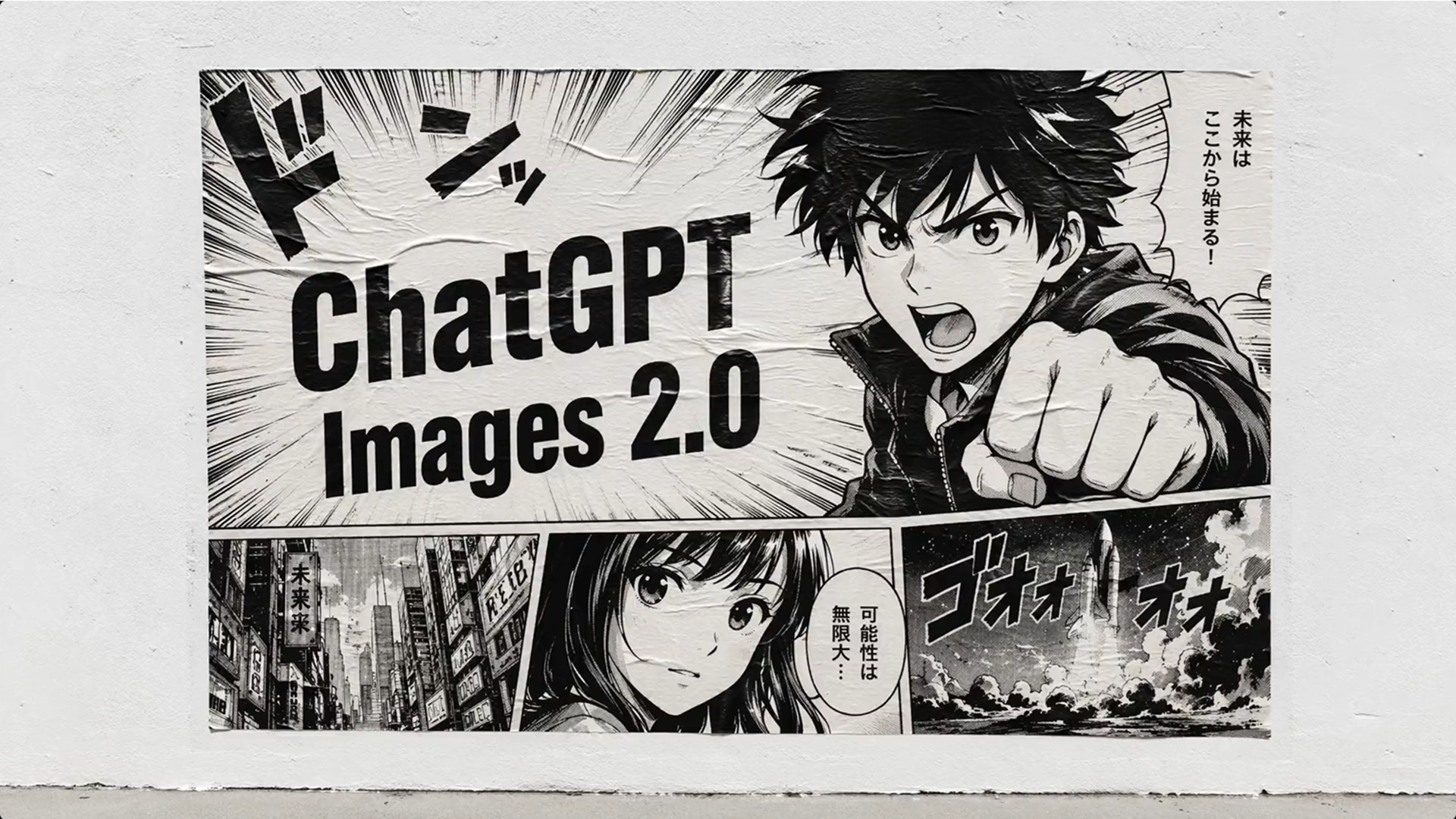
- OpenAI has released ChatGPT Images 2.0
- The new AI image model improves on its predecessor with more accurate, structured, and consistent visuals
- The update adds a reasoning step that helps the system better interpret complex prompts and brings ChatGPT closer to Gemini’s multimodal strengths
OpenAI has released a major update to ChatGPT's image generator. The company claims the new ChatGPT Images 2.0 is a shift in how the AI chatbot handles visual requests, moving from quick interpretation to something closer to deliberate construction. OpenAI CEO Sam Altman and his team, in a livestream announcement, pointed to how the images now behave more like answers, built from an understanding of what you asked rather than a loose approximation of it.
"Images 2.0 is a huge step forward," Altman said. "It's like going from GPT-3 to GPT-5 all at once. Its ability to make extremely beautiful things is remarkable. The team really cooked with this one, and we can't wait to see what you'll do with it."
This is ChatGPT Images 2.0 - YouTube
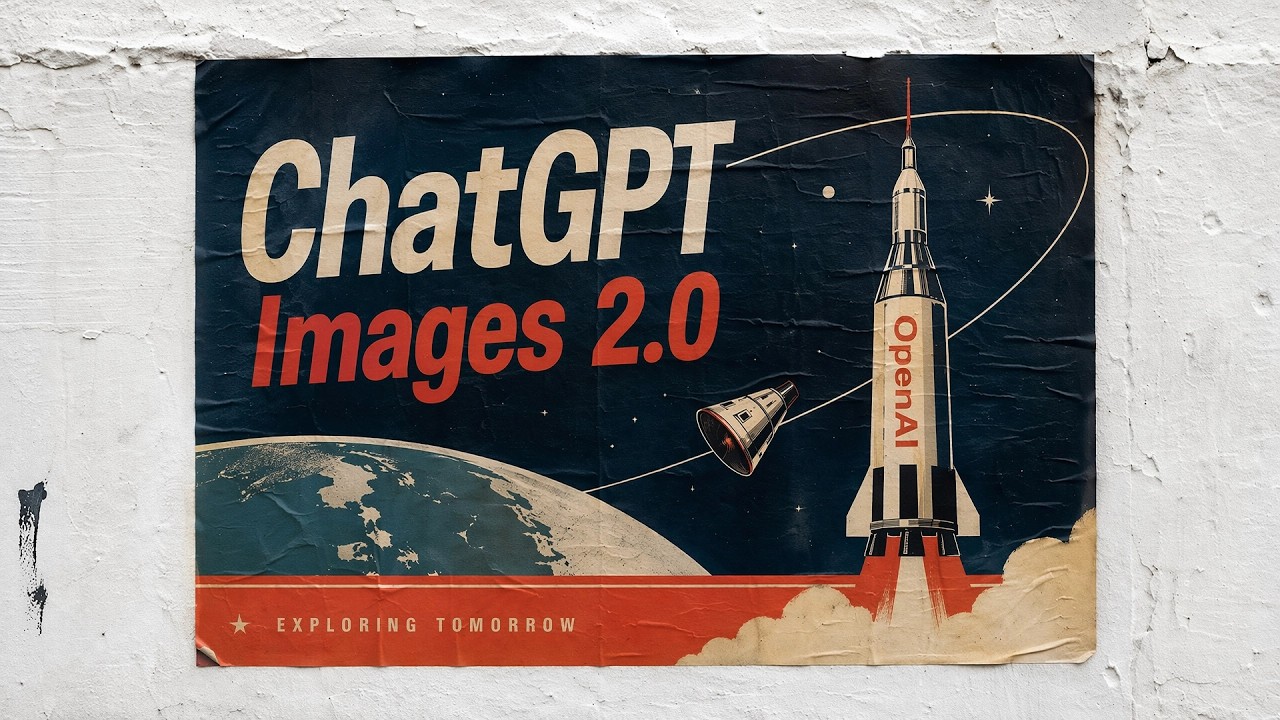
The most immediate improvement shows up in places that used to break down. Text inside images is the obvious example. Posters, menus, slides, and anything that relies on words being legible has traditionally been unreliable. Letters would warp, spacing would drift, and meaning would get lost.
Article continues below
It also handles structure more confidently. If you ask for a layout with specific elements in specific places, the result is more likely to reflect that intent. The model appears to treat the prompt less like a suggestion and more like a set of instructions.
This shows up in smaller ways as well. Multiple images generated from the same idea tend to stay visually consistent, whether that means keeping a character recognizable or maintaining a shared style across a set.
Pause before creation
The bigger change is the reasoning step ChatGPT Images 2.0 adds before generation, allowing the model to work through a prompt before committing to a final output.
In practice, this means it can break a request into parts, decide how those parts should fit together, and then produce an image that reflects that internal plan. It can also draw on additional context like uploaded files or other sources online. That means it takes a little longer to get the image, but it makes for a better result and presumably will save you time by not requiring repeated attempts.
This is where image generation starts to resemble the behavior of advanced text models. The process is no longer purely reactive. It is interpretive. The output reflects a sequence of decisions rather than a single pass.
That shift matters most when the request has multiple layers. A multi-part design or a narrative sequence benefits from the system’s ability to hold those pieces together.
Competitive visuals
As the competition in multimodal AI heats up, OpenAI can now point to ChatGPT Images 2.0 as a stronger rival to Google Gemini. Gemini has focused heavily on connecting text, images, and context into a single system, connecting across digital ecosystems. It often looked better than ChatGPT's images in that contest. But ChatGPT Images 2.0 narrows that gap.
Better reasoning, notably with text, means ChatGPT can muscle in on Gemini’s strengths in structured, multimodal tasks. It doesn't make ChatGPT a clear winner, but it does put it closer to parity in more ways.
Text models have already set a standard for fluid, context-aware responses. Bringing that same kind of reasoning into image generation starts to unify the experience. Whether you are writing something or visualizing it, the system is working from the same underlying understanding. That's where tools like ChatGPT and Gemini are clearly heading, and this update feels like a step that makes that convergence tangible.
Ultimately, a reduction in friction and improvement in images is what most users care about. If ChatGPT Images 2.0 can stand out as the best option, Google might have more trouble enticing users to migrate or stay in its own AI bubble.

Follow TechRadar on Google News and add us as a preferred source to get our expert news, reviews, and opinion in your feeds. Make sure to click the Follow button!
And of course you can also follow TechRadar on TikTok for news, reviews, unboxings in video form, and get regular updates from us on WhatsApp too.


 English (US) ·