
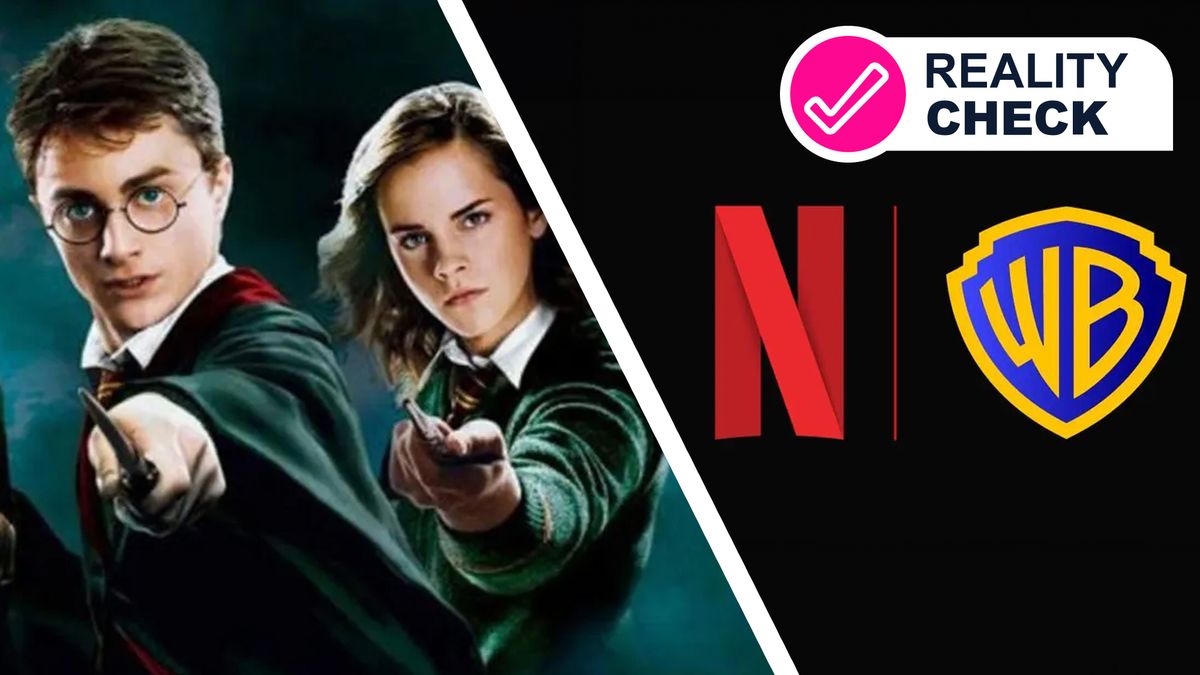
On Thursday night, news broke that Netflix is looking to buy Warner Bros. Discovery for $83 million. And on Friday morning, the agreed-upon verdict was that this is going to suuuuuuuuuuck.
All over the internet, the news elicited reactions of dismay, shock, and anger at one of the longest-running companies in Hollywood history going up for sale. Other candidates to potentially grab the studio behind DC, Cartoon Network, TCM, and way more included Paramount, Apple, and Universal, with Netflix making a case for itself in pledging to keep WB movies in theaters. (Just how long is up for debate.) As the world awaits to see if this deal will actually go through, organizations, politicians, and creatives in the industry, none of them positive.
The Writers Guild of America, for example, said Netflix buying Warner Bros. “is what antitrust laws were designed to prevent. The outcome would eliminate jobs, push down wages, worsen conditions for all entertainment workers, raise prices for consumers, and reduce the volume and diversity of content for all viewers. Industry workers along with the public are already impacted by only a few powerful companies maintaining tight control over what consumers can watch on television, on streaming, and in theaters.”
Another organization not happy about this? The Directors Guild of America, who said the potential merger raises “significant concerns. We believe that a vibrant, competitive industry — one that fosters creativity and encourages genuine competition for talent — is essential to safeguarding the careers and creative rights of directors and their teams. We will be meeting with Netflix to outline our concerns and better understand their vision for the future of the company.”
In November, the WGA said it would work to prevent the merger, and reaffirmed that sentiment here, saying it “must be blocked.” The organization’s also joined in those apparent efforts by Paramount, whose new CEO David Ellison penned a letter earlier this week alleging Netflix has been getting special treatment during this whole ordeal. Lawyers from WBD later told the Hollywood Reporter it “attends to its fiduciary obligations with the utmost care, and that they have fully and robustly complied with them and will continue to do so.”
The actors union SAG-AFTRA similarly deemed the merger “a consolidation that may serve the financial interests of shareholders, [and] raises many serious questions about its impact on the future of the entertainment industry.” Any decisions on the union’s position about the merger will come after a “complete and thorough analysis” of the deal, with a particular focus on jobs and commitments.
“This deal looks like an anti-monopoly nightmare,” wrote U.S. Senator Elizabeth Warren. Any deal between Netflix and Warner Bros., she continued, “would create one massive media giant with control of close to half of the streaming market — threatening to force Americans into higher subscription prices and fewer choices over what and how they watch, while putting American workers at risk.” She also went on to condemn the FTC’s review process under the current adminstration of president Donald Trump, saying it’s “become a cesspool of political favoritism and corruption. The Justice Department must enforce our nation’s anti-monopoly laws fairly and transparently — not use the Warner Bros. deal review to invite influence-peddling and bribery.”
There’s a potential chance Netflix isn’t the one to snap up Warner Bros. and someone else is the one to do it. Regardless, we’ll be sure to cover any substantial news about all this as more emerges in the coming weeks and months.
Want more io9 news? Check out when to expect the latest Marvel, Star Wars, and Star Trek releases, what’s next for the DC Universe on film and TV, and everything you need to know about the future of Doctor Who.






 English (US) ·