
Serving tech enthusiasts for over 25 years.
TechSpot means tech analysis and advice you can trust.
Ripple effect: The Trump administration has repeatedly swung back and forth between threatening to institute sweeping tech tariffs to reinvigorate stateside manufacturing and softening its stance after clashing with reality. Reports claim that new rounds of negotiations between US officials and tech industry lobbyists might restart the cycle once more, adding to already steep recent price hikes for numerous products.
Sources told Politico that the US is considering a fresh round of tariffs on semiconductors, representing another attempt to boost domestic chip manufacturing. The tariffs threaten to raise the prices of numerous electronics, many of which are already impacted by memory shortages.
While details remain subject to change, government officials, including Commerce Secretary Howard Lutnick, favor a system that would tie an allowance of duty-free imports to a manufacturer's investment in stateside production. However, tech industry critics warn that the currently proposed allowances are nowhere near large enough, and the proposed gradual rollout period provides far too little time to boost domestic manufacturing.

President Trump has repeatedly used tariffs to try to revive US manufacturing jobs, culminating in last year's "independence day" tariffs that exceeded 50% for many large trading partners. The duties contributed to widespread price hikes on laptops and PC components before the Supreme Court struck them down. While the tariffs largely came out of customers' pockets, most manufacturers kept their portions of the estimated $166 billion in refunds.
The Trump administration also granted exceptions to some electronics and computer components during prior rounds of tariffs, but officials now believe broad duties are required to reshore production. While some companies such as TSMC and Apple have invested heavily in stateside manufacturing in recent years, tech industry lobbyists argue that seeing real results will take at least five years.

Also read: Are tech tariffs a waste of time?
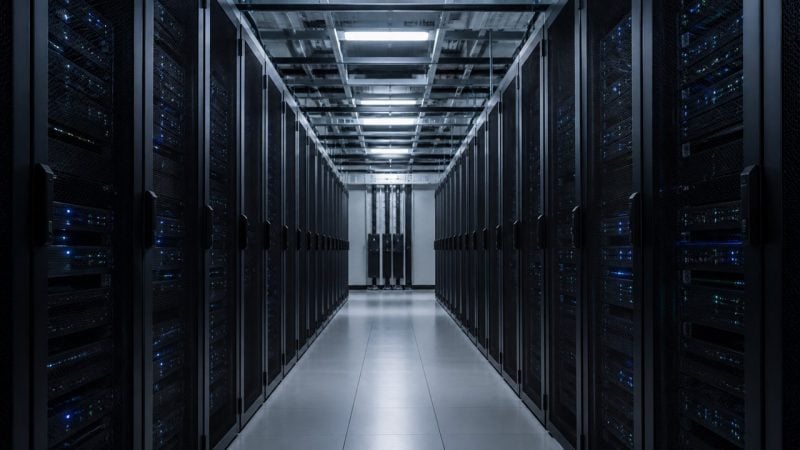
Meanwhile, negotiators are also pushing back against the government by warning that chip tariffs will kneecap the US in the race to dominate AI before China catches up. The duties could dramatically raise the cost of the processors and memory going into the data centers springing up across the country. Those data centers are also behind memory shortages that have led to sharp price hikes amid a "shrinkflation" crisis in the tech industry.
While construction delays and fears of an AI bubble cast doubt upon the future of many data centers, lobbyists have used promises of surging demand to argue against new tariffs. "Every conversation is some version of: 'Please, tread carefully. You don't understand how much demand is coming, or how little capacity we have to meet it,'" one said.






 English (US) ·