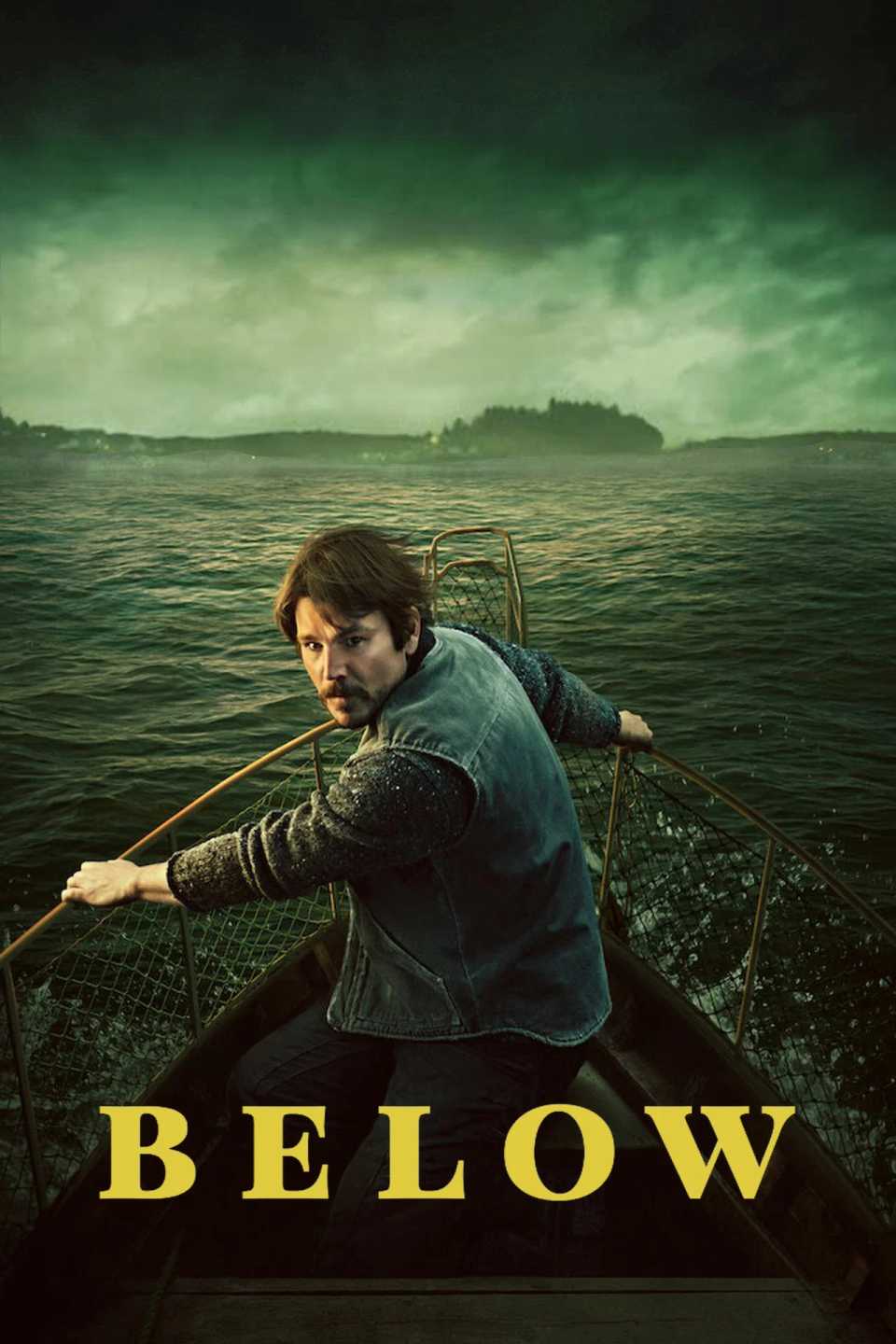
Starring Josh Hartnett, Below on Netflix almost seems reminiscent of H.P. Lovecraft's stories, like The Shadow over Innsmouth, Dagon, and The Night Ocean, in its early arcs. It creates a fascinating air of ambiguity surrounding its central underwater creature, almost giving it a god-like image. By not completely disclosing its shape or form, Below delves deeper into Lovecraft's brand of "fear of the unknown."
The early chapters of the series even remind one of J-horror classics like Ringu while also having subtle narrative parallels with John Carpenter's most Lovecraftian movie, The Thing. Just when things get exciting, though, the Netflix horror show becomes a little too whimsical and non-serious. It turns more into a forced eco-thriller that reveals a little too much through exposition.
Netflix’s Below Makes The Mistake Of Dropping Its Lovecraftian Horror In Its Second Half
Cosmic horror's true appeal lies in ambiguity. There is something truly fascinating and equally terrifying about watching human characters dabble with a force they cannot comprehend. In the beginning, Netflix's Below scratched the same itch by featuring a giant sea creature that ruthlessly killed humans and even cursed them with an ever-lasting thirst.
Like some of the best Lovecraftian stories, the show also featured an arc where the people of a neighboring island almost served as a cult that worshiped the underwater being. Halfway through its run, however, Below drops almost all ambiguity through forced twists and revelations. Instead of letting viewers use their imaginations, it reveals a little too much about its central underwater monster.
The show seems to make things even worse when it attempts to switch its dark tone. In its early episodes, it promises to be a fascinating exploration of how humans can be driven insane by their unchecked ambition and pursuit to conquer the unknown. One character even drops a perfectly Lovecraftian quote by saying:
“Here’s to the great unknown and us fools chasing it.”
Like most Netflix shows and movies, though, Below plays it too safe in its second half. Similar to other adaptations like The Electric State and Sweet Tooth, it tries to appeal to the masses instead of bringing something unique to the table. Below seemingly had immense potential, but it became the perfect example of why so many Lovecraftian horror movies and shows are utterly disappointing.
Netflix’s Below Reveals The Problem With Most Cosmic Horror Shows & Movies
Most cosmic horror movies and shows are hard to sell. This explains why even one of the greatest cosmic horror movies of our time, Alex Garland's Annhilation, flopped at the box office. John Carpenter's The Thing met with a similar fate before becoming a cult classic, while others, like The Endless and Color Out of Space, remain relatively obscure.
Netflix's Archive 81, too, was a compelling Lovecraftian show, but it was canceled after one season. Perhaps this is why shows like Netflix's Below eventually end up dropping their early Lovecraftian promise by eventually featuring tangible monsters. While Below still proves to be a fun eco-thriller with timely themes about capitalism and global warming, it is not too different from Netflix's other genre offerings.
Hopefully, in the near future, more horror shows and movies will embrace the ambiguity and existential dread that drives Lovecraftian storytelling instead of settling for familiar tropes and devices.
Release Date
October 8, 2026





 English (US) ·