


Published Feb 9, 2026, 12:30 PM EST
Tom is a Senior Staff Writer at Screen Rant, with expertise covering all things Classic TV from hilarious sitcoms to jaw-dropping sci-fi.
Initially he was an Updates writer, though before long he found his way to the Classic TV team. He now spends his days keeping Screen Rant readers informed about the TV shows of yesteryear, whether it's recommending hidden gems that may have been missed by genre fans or deep diving into ways your favorite shows have (or haven't) stood the test of time.
Tom is based in the UK and when he's not writing about TV shows, he's watching them. He's also an avid horror fiction writer, gamer, and has a Dungeons and Dragons habit that he tries (and fails) to keep in check.
Netflix has launched plenty of originals that seized the cultural zeitgeist, dominating timelines, group chats, and endless recommendation lists. Yet few arrived with the near-immediate momentum of 2017’s Dark. The German-language sci-fi mystery exploded from sleeper hit to global obsession almost overnight, fueled by word of mouth and mounting online theories.
Set in the small town of Winden, Dark begins with the disappearance of a child and slowly widens into a labyrinthine saga about four interconnected families. However, what looks like a standard missing-person case soon fractures into something stranger, pulling time travel, generational trauma, and the nature of fate into an ever-tightening knot.
With a 95% Rotten Tomatoes score, the acclaim of Dark is undeniable. However, praise from critics isn’t why the show continues to be one of Netflix’s greatest success stories as far as subscribers are concerned. Dark is revered because of how meticulously its story unfolds. The first watch is gripping. The second, third, and fourth reveal an entirely different show hiding in plain sight.
You Can't Watch Dark Just One Time
The Puzzle Is So Intricate That A Single Viewing Barely Scratches The Surface
 Credit: Julia Terjung / Netflix
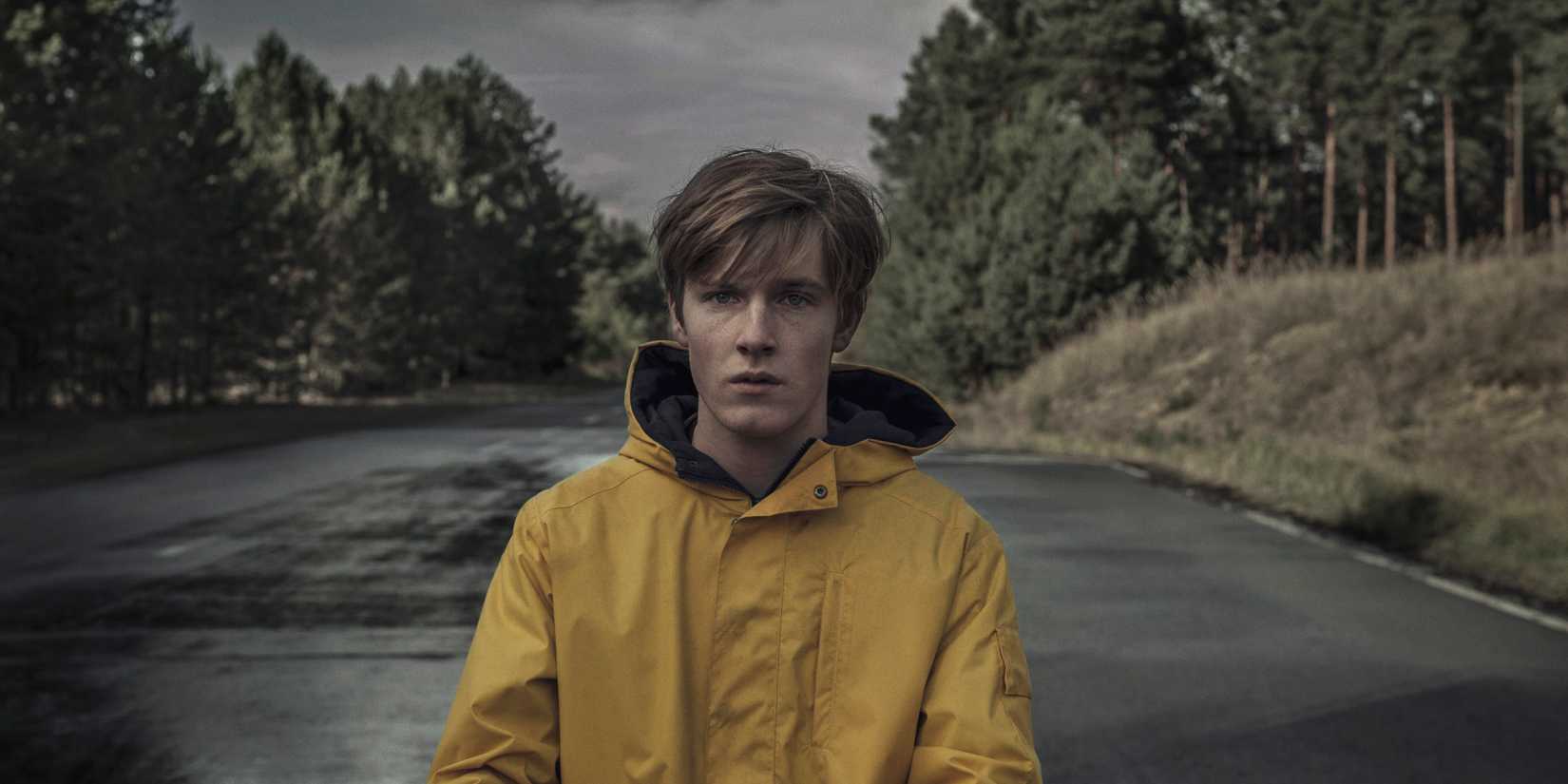
It’s clear from the opening scenes of Dark that it’s a show that won’t play by conventional rules. Characters speak in riddles, timelines blur, and every conversation seems loaded with hidden meaning. This comes to a head when Jonas (Louis Hofmann) first wanders into the caves beneath Winden, and the series quietly shifts from mystery drama to full-blown temporal chess match.
The narrative of Dark spans multiple decades and, eventually, multiple realities. Characters exist as children, adults, and elders simultaneously, played by different actors yet sharing identical emotional scars. Keeping track isn’t just challenging; it’s intentional. The show wants viewers to feel the same disorientation as the people trapped in its looping timeline.
Clues are seeded throughout Dark with surgical precision. A missing necklace, a scribbled date, or even something as simple as a throwaway line carry massive consequences that don’t reveal themselves until much later. What first looks like atmosphere or mood-building often turns out to be critical connective tissue holding the entire structure together.
By the time the finale of Dark arrives at the end of season 3, revelations crash together with dizzying speed. Family trees collapse into themselves, identities merge, and answers recontextualize everything that came before. When the credits roll, it’s clear that the earlier episodes were saturated with moments of foreshadowing that weren’t immediately apparent.
The realization of just how many clues and hints are scattered throughout Dark practically demands an immediate restart. Watching once provides the story. Watching twice reveals the genius. Only when rewatching do the breadcrumbs left across three seasons finally align into a coherent, devastating picture.
Dark Is Even Better Upon A Rewatch
Knowing The Destination Turns Every Quiet Scene Into Powerful Foreshadowing
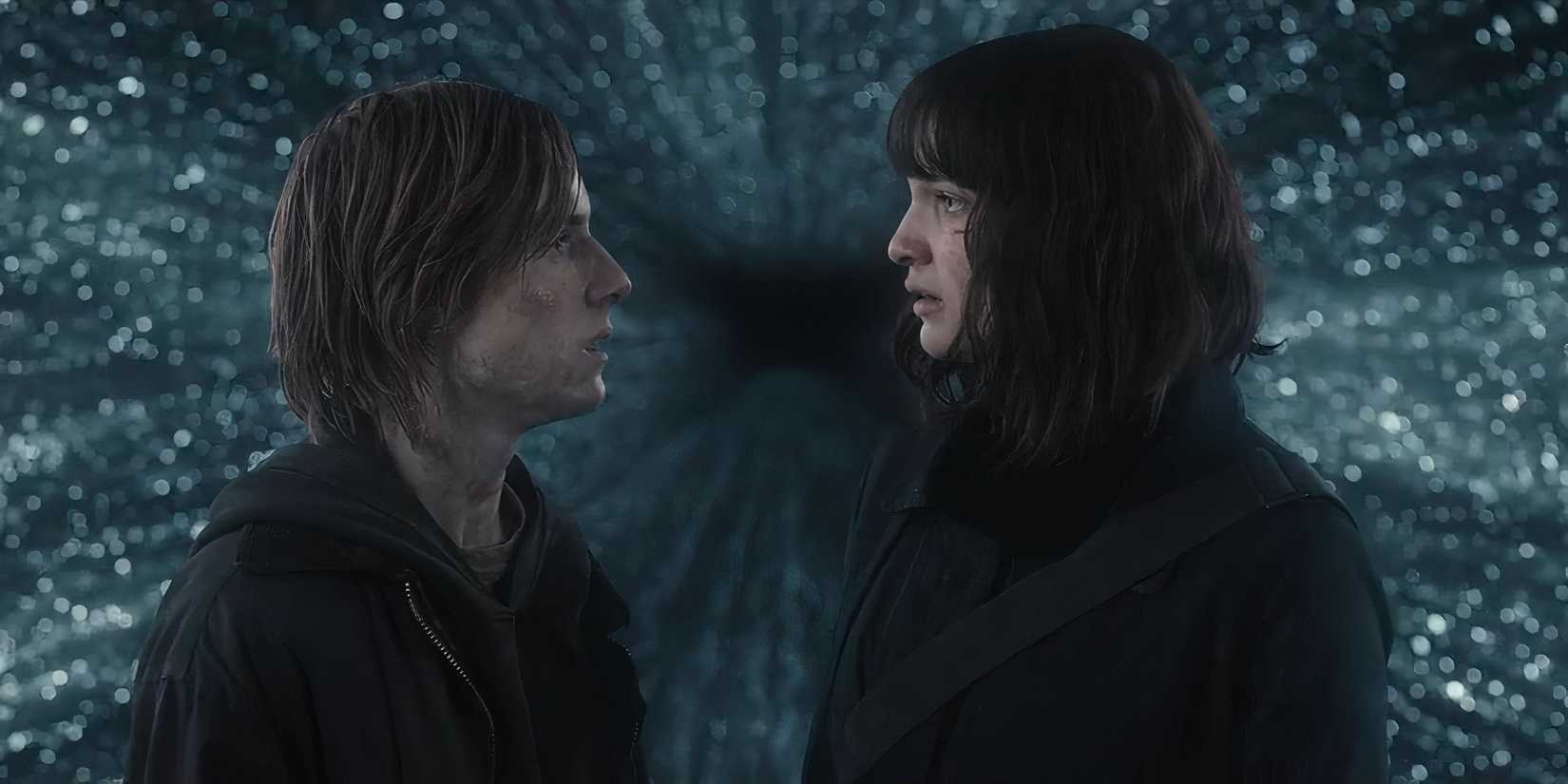
The first viewing of Dark keeps audiences hooked with a key tool: tension. Each episode ends with another mystery box cracking open, pulling viewers deeper into Winden’s spiraling history. The steady drip-feed structure becomes addictive, creating a constant sense that the next answer is only minutes away.
Return to the beginning of Dark for a rewatch, though, and the tone subtly changes. Scenes that once felt cryptic suddenly become precise. A glance between characters, a background photograph, or a seemingly minor conversation carries enormous narrative weight when the endgame is already known.
Jonas’ earliest interactions land differently for viewers who know his fate. Every line from Martha Nielsen (Lisa Vicari) has extra layers of emotional weight when the wider context of her story are understood. On a second watch, nothing in Dark feels random or throwaway. Even the most innocent moments transform into quiet tragedies unfolding in slow motion.
Even the show’s famous corkboard maps and tangled family trees start to feel elegant rather than overwhelming for viewers who’ve already seen Dark all the way through once. Patterns emerge. Cycles repeat. What once looked chaotic reveals itself as clockwork storytelling, with every cause and effect locked into place.
Even the most mind-bending sci-fi shows don't reward attention like this. Rewatching Dark isn’t just refreshing the plot. It’s discovering layers that were always present, hidden beneath the surface. The mystery doesn’t diminish with familiarity. It deepens, becoming richer and more emotionally resonant each time.
Dark Remains One Of Netflix's Best Shows
Years Later It Still Stands As The Streamer’s Sci-Fi High Point
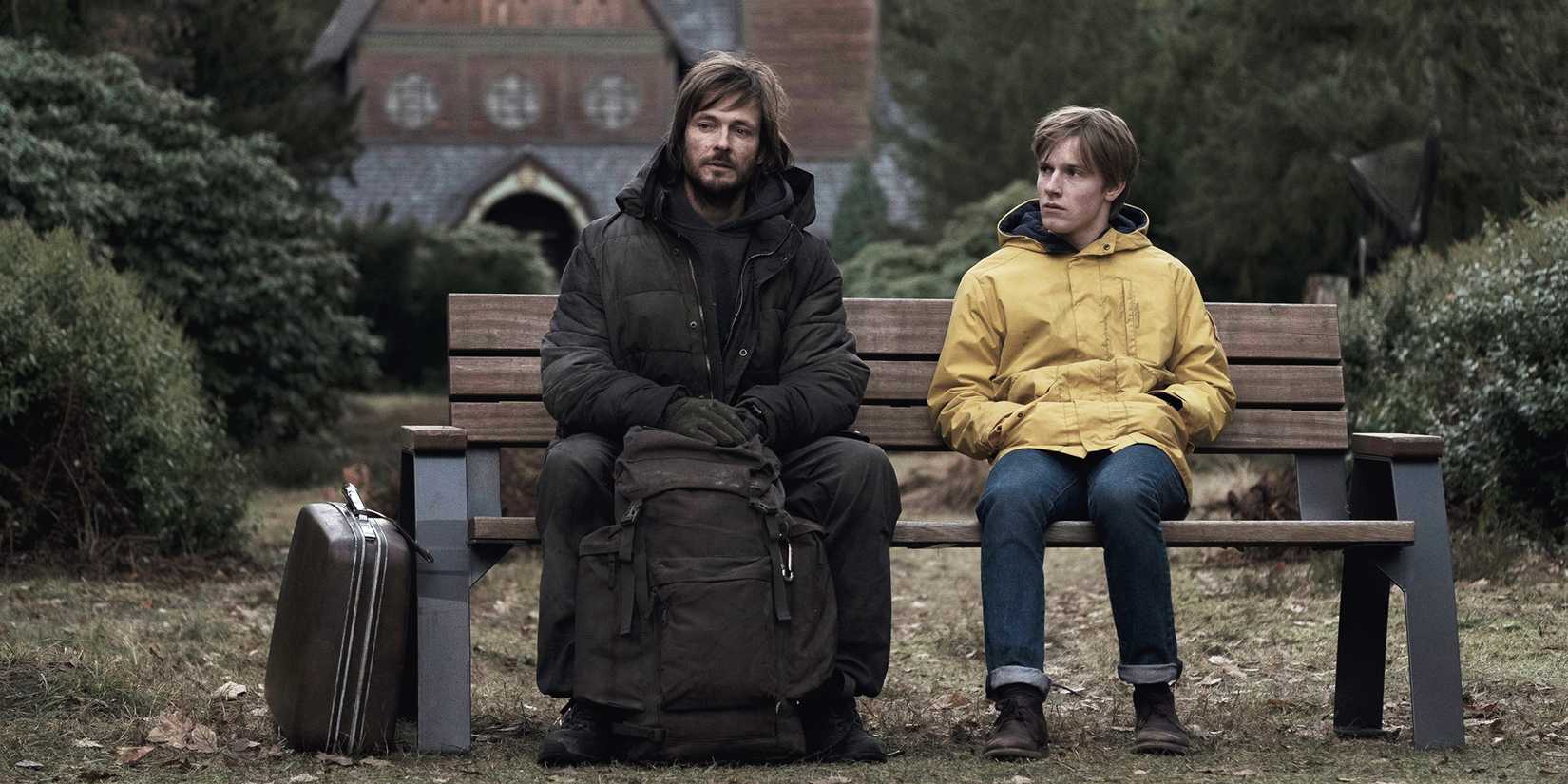
When Dark premiered in 2017, it arrived without the marketing blitz of many English-language Netflix hits and originals. Instead, its reputation spread organically. Viewers recommended it to friends, dissected timelines online, and shared increasingly complex theories across social media until the series became unavoidable.
As seasons two and three of Dark rolled out, the conversation only intensified. Episode drops turned into communal events, with fans racing to decode twists and chart connections. By the time the finale aired in 2020, Dark had transformed from cult favorite into one of Netflix’s most respected originals.
Plenty of ambitious original Netflix sci-fi shows have followed, with many chasing the same blend of mystery and philosophical weight. Few, if any, have managed to match Dark’s balance of precision or momentum. Where others sprawl or stall, Dark remains tightly constructed, telling a complete story with a defined beginning, middle, and end.
What’s more, its reputation has only grown with time. New subscribers continue discovering Dark, often stunned that something this intricate exists on Netflix. The craftsmanship, performances, and narrative confidence feel timeless and a step beyond the usual quality of Netflix originals (which are far from bad in the first place).
Years later, Netflix’s sci-fi output still struggles to match the high standards set by Dark. Dark wasn’t just another hit. It was a creative peak, and it remains one of the clearest examples of the streamer at its absolute best.
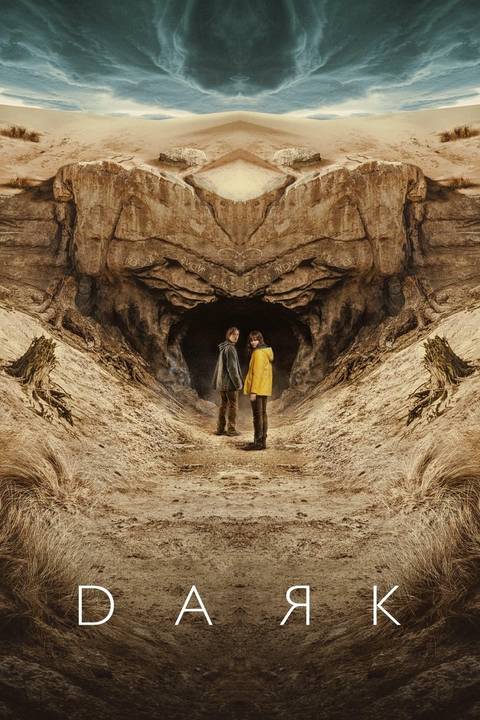
Release Date 2017 - 2020
Network Netflix
Showrunner Jantje Friese
Directors Baran bo Odar
Writers Marc O. Seng, Martin Behnke, Ronny Schalk
-

Louis Hofmann
Jonas Kahnwald
-

Lisa Vicari
Martha Nielsen





:quality(85):upscale()/2026/02/02/940/n/1922153/tmp_2bS324_5518251436641b44_Photo_Grid_3_Up_-_Burgundy_Green-2-Photo_Grid_4up_Main_-_Green_Burgundy_1_.jpeg)
 English (US) ·