


Published Feb 9, 2026, 4:01 PM EST
Hannah is a senior writer and self-publisher for the anime section at ScreenRant. There, she focuses on writing news, features, and list-style articles about all things anime and manga. She works as a freelance writer in the entertainment industry, focusing on video games, anime, and literature.
Her published works can be found on ScreenRant, FinanceBuzz, She Reads, and She Writes.
When Netflix debuted Alice in Borderland in 2020, it felt like lightning in a bottle. Its blend of survival horror, psychological tension, and human desperation made it a global hit almost overnight. Seasons 1 and 2 had clever games, emotional stakes, and characters who earned our investment through hard choices and visible growth.
That’s why the third season of Alice in Borderland feels so disappointing in hindsight. What once felt sharp and daring now comes off uneven and strangely hollow. While not outright terrible, the final chapter lacks the emotional pull and narrative discipline that once defined the series, leaving viewers more disengaged than devastated when the dust finally settles.
Alice in Borderland Season 3 Forgot to Build Emotional Weight

One of the biggest issues with Alice in Borderland Season 3 is how little time it spends developing its new characters. Earlier seasons made deaths hurt because we understood motivations, fears, and contradictions. This time around, the story expects viewers to care instantly, leaning on relatability rather than earned connection. The result is tragedy that feels muted instead of heartbreaking.
The emotional peak comes with Tetsu, whose quiet desire for a simple, happy life made him stand out. His selfless choices and loyalty to the group gave the season its rare moment of genuine impact. Characters like him highlight what’s missing elsewhere, with patience, intimacy, and time spent letting personalities breathe before pulling the trigger.
Unfortunately, most side characters feel shallow and interchangeable. Previous seasons thrived because supporting players brought unique skills and perspectives to each game. Season 3 swaps that depth for archetypes reminiscent of other survival shows, offering spectacle without substance. When characters lack agency or competence, tension collapses fast.
The Games and Protagonists Lost Their Edge in Season 3
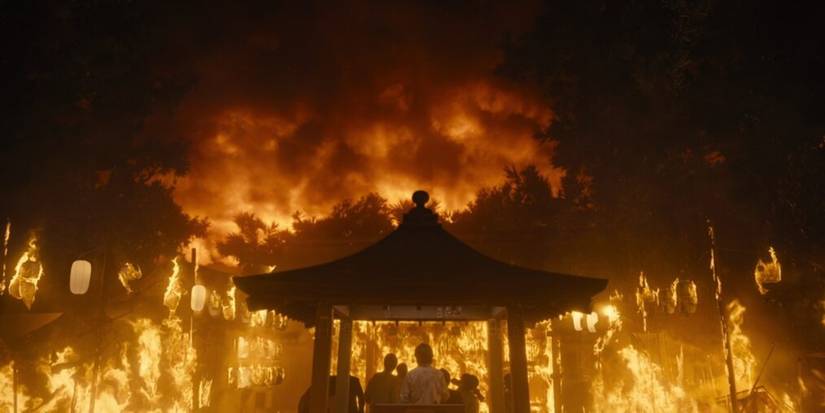
Arisu has never been the strongest or smartest competitor, but his adaptability and luck made him compelling. Earlier on, he survived by analyzing systems, spotting loopholes, and sharing information. Season 3 sidelines that ingenuity, placing him in scenarios where his decisions feel reactive rather than strategic, diluting what once made him distinct.
The games themselves don’t help. Most challenges feel underwhelming, failing to recapture the creative dread that defined the series. Only the zombie-themed game delivers sustained suspense, combining chaos with moral pressure. It stands out precisely because it feels like a throwback to the show’s sharper, more inventive days.
In the end, Season 3 of Alice in Borderland isn’t a disaster, it’s just painfully average. For a series that once set the bar for Netflix thrillers, “okay” isn’t good enough. What was once bold and emotionally gripping now feels forgettable, proving that even landmark hits can lose their bite when they stop trusting character and craft.

Release Date 2020 - 2025-00-00
Network Netflix
Directors Shinsuke Sato
Writers Yasuko Kuramitsu
-

Kento Yamazaki
Ryohei Arisu
-
Tao Tsuchiya
Yuzuha Usagi






:quality(85):upscale()/2026/02/02/940/n/1922153/tmp_2bS324_5518251436641b44_Photo_Grid_3_Up_-_Burgundy_Green-2-Photo_Grid_4up_Main_-_Green_Burgundy_1_.jpeg)
 English (US) ·