
 Image via Netflix

Published Mar 2, 2026, 9:09 PM EST
Collier Jennings is an entertainment journalist with a substantial amount of experience under his belt. Collier, or "CJ" to his friends and family, is a dedicated fan of genre films - particularly science fiction, fantasy and comic book adaptations, not to mention all forms of animation animation. This stems from a close bond with his father, who introduced him to these genres via copies of X-Men comics and reruns of the original Ultraman series. Using his near-encyclopedic knowledge and bottomless love of genre, he's been able to tackle a wide variety of articles.
Black Mirror is arguably one of Netflix's biggest hits, both in the realm of science fiction shows and the streamer's slate of original programming. Most of its episodes, which tackle everything from the pitfalls of artificial intelligence to how social media is becoming entwined with our lives, have received critical praise and even awards nominations. Series creator Charlie Brooker recently confirmed that Black Mirror will be returning for Season 8, meaning that sci-fi fans will be in for more chilling tales about technology. Long before it was a mainstay in Netflix queues, Black Mirror started out life on cable television — specifically, Channel 4.
Brooker launched Black Mirror after working on comedy-based shows for other British channels, and decided to take his talents in the opposite direction with an anthology drama series. He cites The Twilight Zone as his biggest influence, specifically how Rod Serling would use science fiction and fantasy as a metaphor for real-life issues:
"In Serling's day, the atom bomb, civil rights, McCarthyism, psychiatry and the space race were of primary concern. Today he'd be writing about terrorism, the economy, the media, privacy and our relationship with technology...That's what we're aiming for with Black Mirror: each episode has a different cast, a different setting, even a different reality. But they're all about the way we live now – and the way we might be living in 10 minutes' time if we're clumsy."
While Black Mirror is primarily a sci-fi series, it still keeps the wicked streak of black humor that permeates Brooker's earlier work. Case in point: the premiere episode, "The National Anthem", has a member of the Royal Family kidnapped and the only way for her to be freed is if the Prime Minister commits a lewd act with a pig. It was both a sign that Black Mirror was going to be unlike anything on TV, and foreshadowed why it moved to Netflix.
Budget Issues Led to Netflix Picking Up 'Black Mirror'
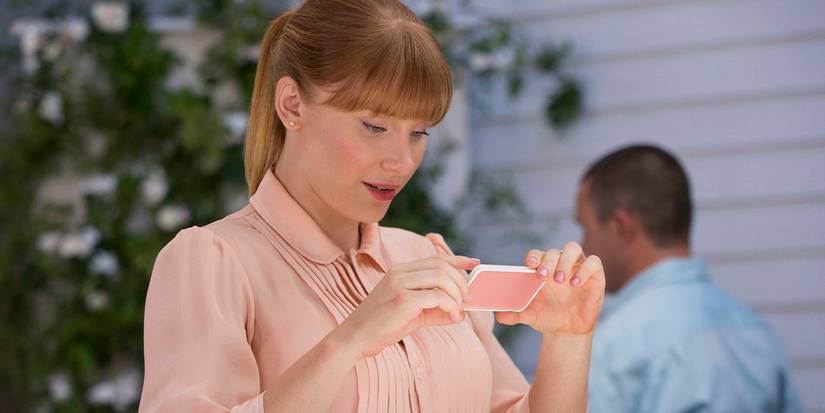 Image via Netflix
Black Mirror was able to score two seasons on Channel 4, and received equal parts praise and complaints, due to the aforementioned season premiere. It was even one of the most complained-about shows of 2011, which is an honor that's rather fitting for the series. Yet Charlie Brooker and his producing partner Annabel Jones were told by Channel 4 that Black Mirror was facing budget restraints, and needed a co-producer to continue. This led to a bidding war involving different cable networks, including HBO and AMC, yet Netflix won out at the last minute.
The Netflix deal included a bigger budget and a bigger range of guest stars for Black Mirror. It also led to some of the show's most iconic episodes, particularly Season 3's "San Junipero" and Season 4's "U.S.S. Callister". Moving to Netflix also gave Brooker the freedom to push the series' boundaries, including basing each season around a different theme and even releasing an interactive film with Bandersnatch. Such attempts wouldn't have been possible on Channel 4, but Brooker was determined to make the most of his deal with Netflix, and it paid off in waves.

Related
'Black Mirror' Was One of Netflix's Biggest Success Stories
Black Mirror's biggest claim to fame is that it arguably helped cement Netflix, and the idea of streaming, as a major force in the entertainment world when its third season premiered in 2016. Not only did 2016 mark the debut of fellow sci-fi hit Stranger Things, but it was also when the streamer became available worldwide — allowing a larger audience to see more of its original programming and the films it had acquired. This meant that Black Mirror had the kind of reach that wouldn't have been available on Channel 4, allowing it to transcend from a cult hit to a smash hit nearly overnight.
While people will no doubt be tuning into Black Mirror Season 8, a decade has once again changed how people watch television. Streaming services are getting more expensive, and cable is having a tough time as more people are deciding to cut the cord. It's highly unlikely that Charlie Brooker could have made the same deal for Black Mirror now that he did then, but the series more than likely will keep its sharp edge when it returns for Season 8.
Release Date December 4, 2011
Network Channel 4, Netflix
Writers Jesse Armstrong







 English (US) ·