

Published Nov 19, 2026, 6:00 PM EST
Faith Roswell is a Senior Writer on Screen Rant's Classic TV team. Since earning her degree in Creative Writing over a decade ago, Faith has written articles on film and TV from a variety of different angles. Faith now combines her knowledge of psychology with her love of monster movies to give more insight into what makes the best ones.
You may have read her Screen Rant lists and features covering horror, sci-fi, and fantasy, or read her Amazon Top 10 book, "Movie Monsters of the Deep."
Faith has had an extensive career as a writer, appearing on BBC live radio, researching true crime for Rotten Mango podcast, and writing for publications including Mental Floss, Atlas Obscura, and The Daily Jaws before beginning here at Screen Rant.
The idea that a picture paints a thousand words rarely seems to apply when it comes to book adaptations, as even the best sci-fi TV show adaptations ever made rarely do justice to their source material. For every sci-fi TV masterpiece that perfectly translates the original setting to the screen and casts its characters perfectly, there is a show that struggles to balance its story, setting, and character writing, resulting in missed potential and a disappointed fanbase. That said, fans of one masterful TV adaptation may be surprised if picking up the book for the first time.
Altered Carbon is one of the best cyberpunk TV shows of all time, but the original book is drastically different. Both are set in a world in which consciousness is uploaded into a computer chip-like "stack" which allows people to change bodies almost as easily as changing clothes, while also being much harder to kill. Both use this idea to lead into the apparent suicide of billionaire Laurens Bancroft and his investigation that brings Blade Runner equivalent Takeshi Kovacs out of cryogenic imprisonment. However, fans of the book may hardly recognize the TV show, but this is not necessarily bad.
Netflix's Altered Carbon Is Better Than Its Source Material
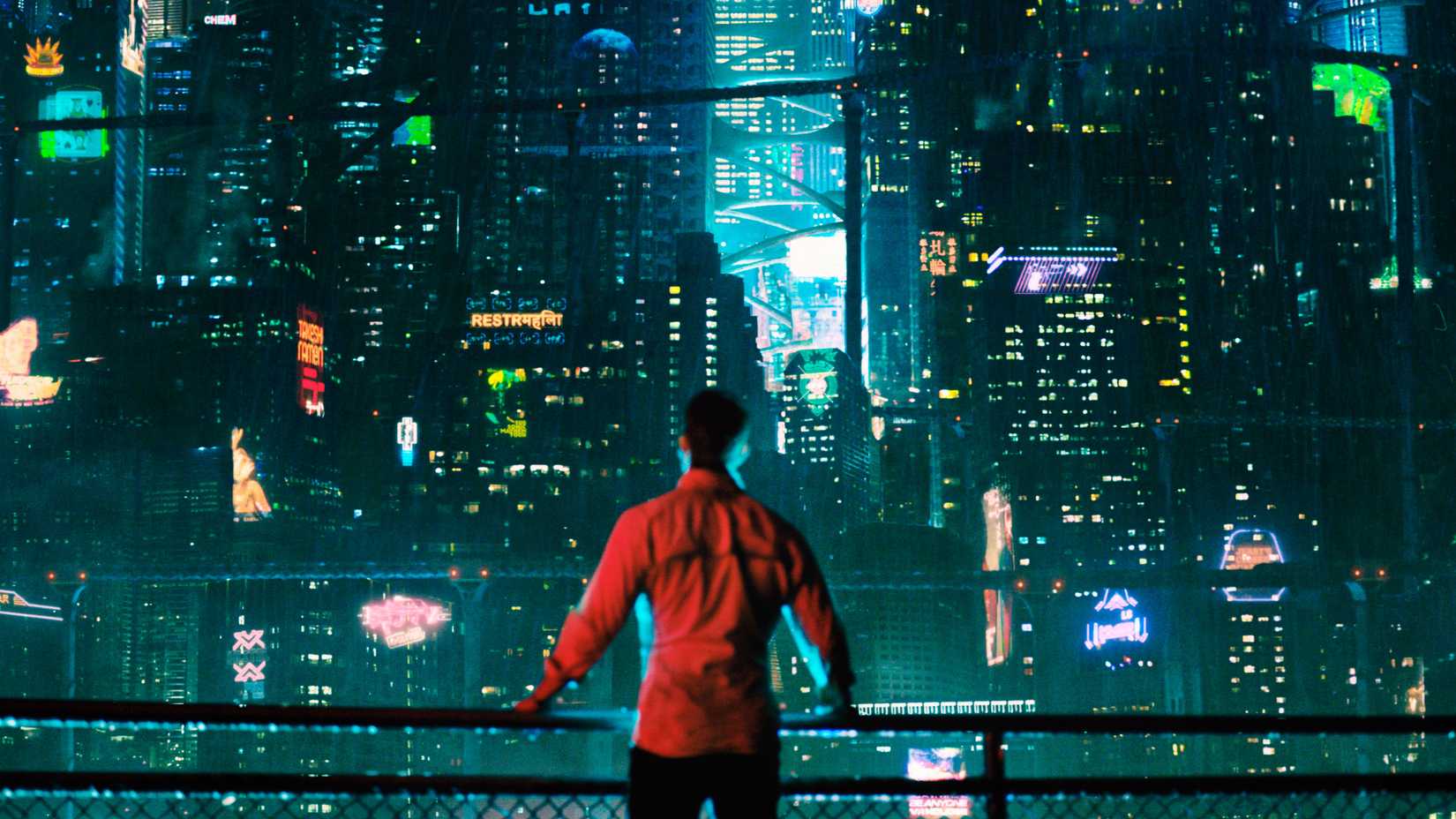
Altered Carbon has some of the greatest characters in modern sci-fi, with standout scenes that have yet to be beaten. Takeshi Kovacs, fresh from a psychological torture chamber and on a revenge mission, carrying a pink unicorn backpack is one of the defining moments of the series, but there are plenty to rival that. Kristin Ortega's fight scene with Reileen's many clones remains one of sci-fi's best action scenes, and our early introduction to Poe, the gothic romance-obsessed AI hotel, represents the show's combination of violence and dark comedy within just a few minutes.
The fact that none of these essential moments happen in the book and were all created for the Netflix series may surprise fans, and while the book is still an excellent sci-fi story, it does not have the same vibrancy and humor that make Netflix's Altered Carbon stand out. The book is action-heavy, but fails to capture Laurens' chilling indifference to the general population, the satisfaction of Lizzie's final revenge, and the clash between Ortega's home and work personas. On the other hand, the TV series is the embodiment of the often-quoted advice that writers "show, not tell."
Some have criticized the show's treatment of Quellcrist Falconer, who was brought to life rather than being a long-dead visionary, and this affected the way some of the story's core ideas were explored. This change extends to other characters, like Reileen, who is no relation in the book and Takeshi's sister in the series, and the role of the Envoys. Being just 18 episodes long, the show had to condense much of the book's story, but the focus on individual characters has worked in its favor, while the book works as a more philosophical exploration of the concept of "resleeving."
In the language of Altered Carbon, "resleeving" means putting your stack into a different body, with bodies being referred to as "sleeves."
Still, the TV series excels even here, instantly highlighting the religious objections to resleeving and the loopholes that become relevant later. Sci-fi has historically been better at incorporating a diverse cast than most other genres, but Altered Carbon's best piece of worldbuilding is a masterclass in incorporating existing culture into sci-fi. Ortega celebrates Dia de los Muertos with her religious family, but cannot resist bringing her grandmother back in the body of a gangster, instantly giving the series its best moment of character development. The book is well worth reading, but the TV series unites futuristic cyberpunk with modern humanity.
Altered Carbon Should Have Quit While It Was Ahead

Altered Carbon's ending almost fit the fantasy genre, with Kovacs setting out on a quest for Falconer, who is implied to still be alive. While the ending left the story open for more seasons, Altered Carbon should have stopped here, ending a perfect sci-fi TV show with no bad episodes. Instead, the second season removed virtually everything that made the series so compelling in the first place. Recasting Joel Kinnaman was not a popular move, despite the logical reason behind the decision, with the sleeve being returned to its rightful owner, but another factor was even more damaging.
|
Season |
Year |
Rotten Tomatoes critics' rating |
Rotten Tomatoes audience rating |
|
1 |
2018 |
70% |
91% |
|
2 |
2020 |
81% |
37% |
The second season undid much of season 1's emotional impact, including Poe's fittingly aesthetic but no less tragic death scene. The grit and neon were abandoned for a more expansive world that did not stay as true to the first seasons' dystopian cyberpunk tone, and Kovacs' romance with Falconer was placed center stage. While any one of these changes could have worked on its own, Altered Carbon ruined its legacy with season 2, and while it was a hit with Rotten Tomatoes critics, the common consensus among audiences is that the show should have quit while it was ahead.
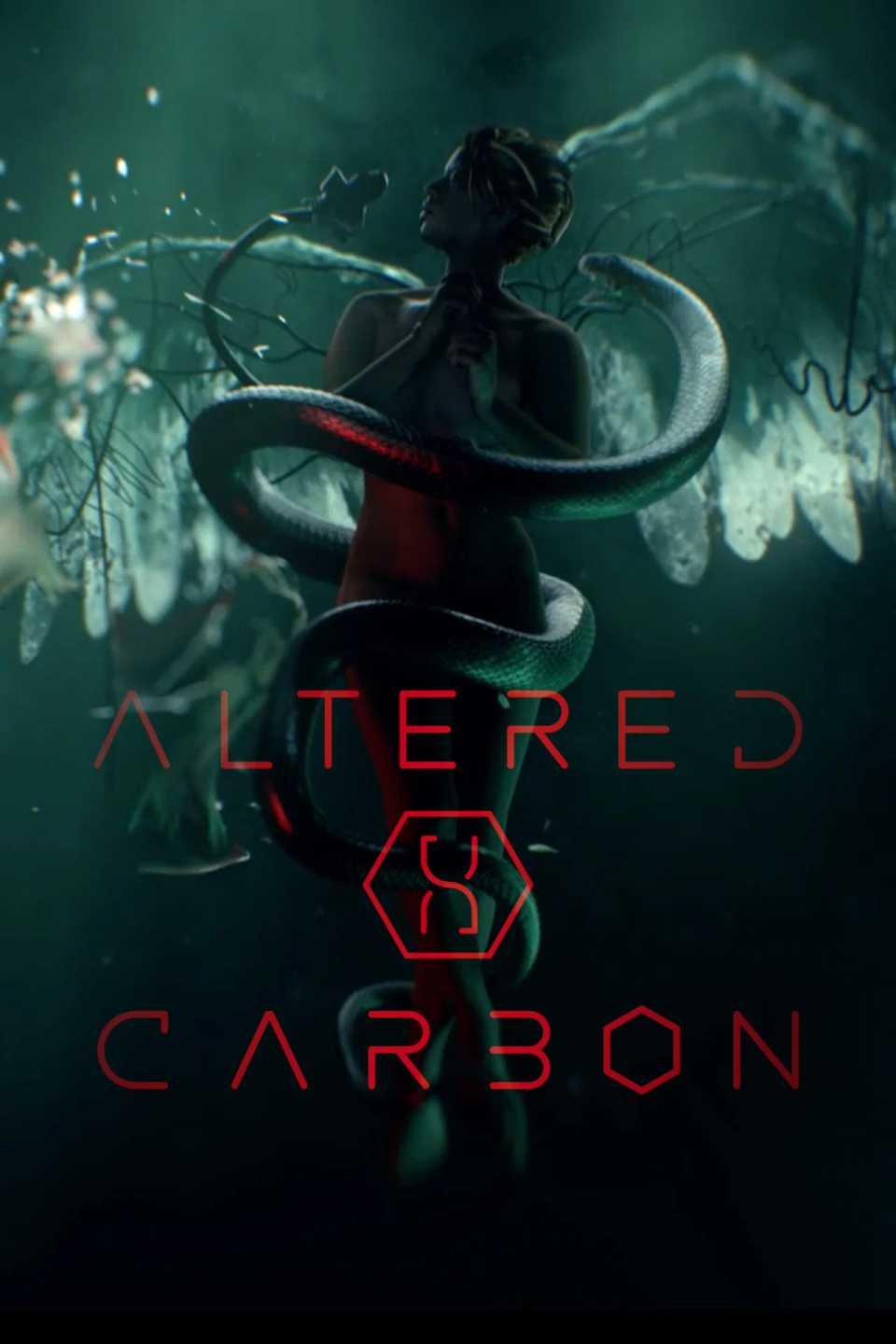
Release Date 2018 - 2020-00-00
Network Netflix
Directors Alex Graves, Ciaran Donnelly, M.J. Bassett, Nick Hurran, Peter Hoar, Salli Richardson-Whitfield, Uta Briesewitz, Jeremy Webb, Andy Goddard, Miguel Sapochnik
Writers Brian Nelson, Garrett Lerner, Russel Friend, Steve Blackman, Adam Lash, Laeta Kalogridis, Nevin Densham, Alison Schapker

 English (US) ·