

Published May 14, 2026, 8:14 PM EDT
Jessica is a journalist, editor, TCA critic, and multimedia storyteller with a decade of experience covering pop culture, film, TV, women's sports, lifestyle, and more. She earned her degree in journalism from the University of North Carolina-Wilmington with a focus in creative writing before moving to N.Y.C. and getting her start at The Huffington Post. (She still misses those nap pods.) She's covered multiple film festivals, recapped some of your favorite series, worked too many red carpets to count, and even yapped on a podcast or two. When she’s not interviewing your favorite showrunner or ranking Ryan Gosling's best roles for places like UPROXX, Teen Vogue, Marie Claire, The Daily Beast, and Cosmopolitan, she’s busy being a full-time hype woman to her cat, Finn. You can find her on Bluesky and, sadly, Twitter.
Netflix released Should I Marry a Murderer? on April 29, and our group chats have been a war zone ever since. The three-part series takes the standard true crime architecture and tilts it uncomfortably off its axis. The killer is not the protagonist. Neither, really, is the murder victim. No, the key figure here is the woman who got engaged to said murderer, learned what he had done, and then, in a decision that everyone and their mother will likely weigh in on in the comments section, decided to stay.
Caroline Muirhead is a forensic pathologist who met Alexander “Sandy” McKellar on a dating app (which is how too many of these horror stories start). Sandy was one of a set of identical twins from a land-managing family in the Scottish Highlands; his brother Robert, the other. In 2017, the pair were involved in a hit-and-run that killed Tony Parsons, a 60-something cyclist biking for charity on a dark, winding road. The brothers, both intoxicated at the time, decided to bury Parsons on the 28,000-acre estate where they lived and worked. Two years later, after he and Muirhead got engaged, Sandy told her about it. Eighteen months after that, she helped put both men in prison. Interested? Yeah, we thought so.
A Tinder Match and a Body in the Highlands
Muirhead met McKellar via Tinder in 2019, shortly after surfacing from a long-term relationship that ended badly and wrecked her self-esteem. By her account, he was charming, caring, and masculine in a way the men of Glasgow weren’t. He also had a drinking problem and was prone to mood swings. The duo initially bonded over their overlapping professions: she was a brilliant pathologist, and he a gamekeeper who could flay a Highland stag in under a minute.
 Related
Netflix’s New 3-Part True Crime Series Is Officially the No. 1 Show in America
Netflix viewers have sent its latest true-crime series straight to No. 1 in the U.S.
Two years into the relationship, after they'd gotten engaged, McKellar revealed his secret. In 2017, he and Robert hit a cyclist on a back road after a rowdy night at the pub. The man, Parsons, was a cancer survivor, biking for charity at the time of the accident. Panicked and drunk, the brothers buried him on their massive estate and never spoken of it again. Parsons became another missing person in a file and his case eventually went cold.
How 'Should I Marry A Murderer' Subverts True Crime Tropes
 Image via Netflix
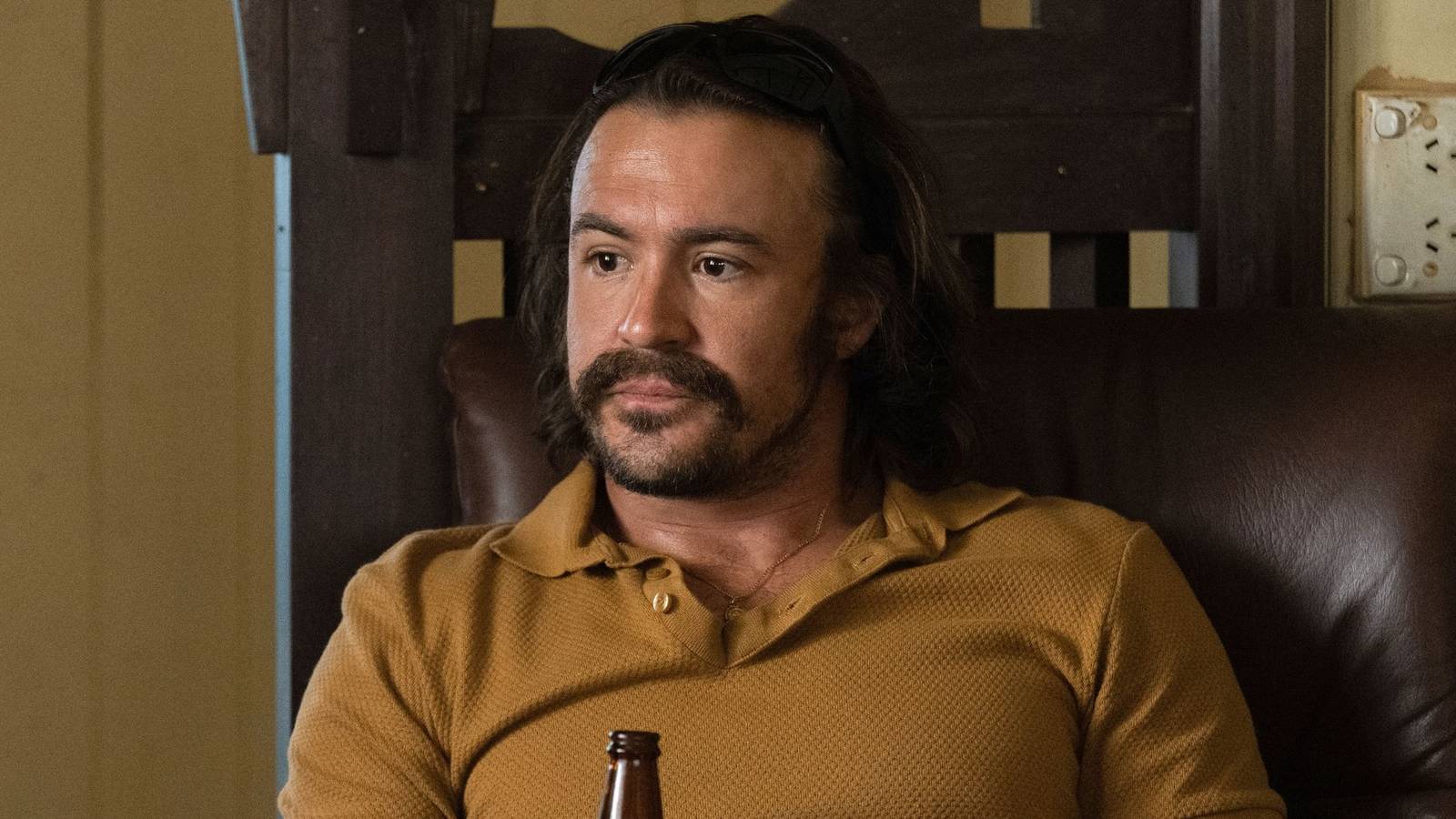
All of that is revealed in the docuseries’ first episode, which is to say, the story really gets interesting in episodes two and three. Instead of simply getting the hell out of dodge, Muirhead stayed, introducing McKellar to her parents over Christmas, going shooting in the hills, and quietly building a case for the Police Service of Scotland. She recorded her fiancé when he got too drunk and started spouting off memories of that night and even marked Parsons’ final resting place with a crushed Red Bull can while McKellar wasn’t looking, all in an effort to help police solve the poor man’s disappearance.
The most uncomfortable thing in Should I Marry a Murderer? may be her account of what happened once the police had what they needed. She says she was promised anonymity and support, and that the minute she turned the brothers in, she was hung out to dry. And she documents all of that, narrating with voice-overs of how the police offered no therapeutic services while collecting evidence against their suspects, often mishandling the investigation in ways that jeopardized Muirhead and her family’s safety. She eventually lost her job (because the victim’s body was shipped to the same morgue she worked at and conflict of interest protocols demanded it), and, with nowhere else to turn, she went back to her fiancé’s Scottish estate where Sandy and Robert were allowed to live while awaiting trial.
It’s that choice, and Muirhead’s downward spiral into drugs and alcohol in the lead up to the trial, that’s turned Should I Marry A Murderer? into something more than just another true crime doc. Because instead of handing you a story with clear sides and easy answers, it simply drops you into Muirhead’s impossible Catch-22 and asks you to sit with what you might've done had the metaphorical shoes been on your feet. It’s messy and frustrating and, at times, hard to watch, but that’s kind of the point. By centering on the one person who doesn’t fit neatly into victim or villain, the series ends up feeling a lot closer to real life than most entries in the genre. And that's a good thing.





 English (US) ·