

Published Aug 24, 2026, 12:00 PM EDT
Memory Ngulube joined Screen Rant in April 2024 as part of the Movies and TV team. Since then, she has written for the Perennials and Streaming team, covering a wide range of topics from new releases to old movies and TV shows. Memory is currently a Classic TV writer.
Before joining Screen Rant, Memory was a freelance copywriter who specialized in email marketing and social media management. While she enjoyed her job, her true passion was always movies and TV.
When she isn’t writing for Screen Rant, Memory can be found reading, baking (which is one of her passions), or watching her favorite K-drama.
Netflix has no shortage of sprawling fantasy shows, but few have demonstrated how much can be accomplished when a series values quality over capitalizing on popularity like this 18-part steampunk series. Of course, many TV shows have shorter seasons, but not every one of them knows how to avoid unnecessary subplots.
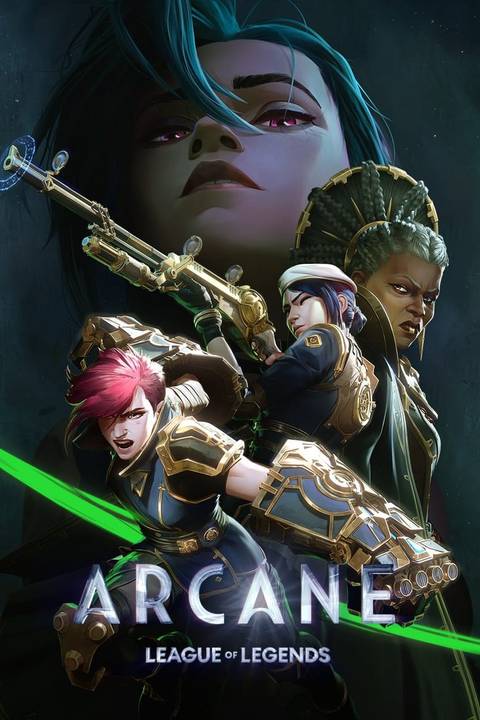
Netflix's Arcane, the acclaimed adaptation of League of Legends, spans two nine-episode seasons, each packing a punch. The video game adaptation is easily one of the best shows on the streaming giant’s platform, a reputation that is backed by its critical response. Both seasons of Arcane currently hold a 100% Tomatometer score on Rotten Tomatoes, while the series has earned multiple Emmy wins, including Outstanding Animated Program.
Arcane’s appeal extends far beyond League of Legends players. The series combines stunning animation, nuanced characters, and memorable music, and creates something that can be appreciated even without knowing anything about the game. The Netflix fantasy series doesn't require 50 episodes to make its characters matter, nor does it need several seasons to make its world feel enormous. With its story now complete after 18 episodes, Arcane stands as one of Netflix's clearest examples of how a relatively short series can leave a much larger impression than shows twice its length.
Arcane Did More In 18 Episodes Than Other Shows Do In 80
 Image from MovieStillsDB
Arcane is a remarkable example of how storytelling efficiency can matter more than episode count. With only 18 episodes across two seasons, the series manages to tell a sprawling story that touches on fascinating subjects while still ensuring that character development is not ignored. The Netflix original series is primarily centered on Vi and Jinx, but its story expands to encompass characters such as Caitlyn, Jayce, Viktor, Ekko, Mel, and Ambessa, all of whom become important to the show’s larger conflict.
Arcane's characters don't simply remain who they were when they were introduced. Powder becoming Jinx following the death of Mylo and Claggor doesn’t feel rushed in any way. Instead, Arcane spends time fleshing out Powder’s relationship with Silco and eventually showing how he, Vander, and Vi helped mold her into the person she became.
Vi receives an equally substantial arc. Her story begins as a teenager who believes she can protect everyone through sheer determination and violence. Years in prison don't completely change her, as she still wants to protect Powder, but she gradually realizes that she cannot simply punch her way out of the problems separating Piltover and Zaun.
Then there is Jayce and Viktor, whose storyline could practically be the premise of another series. Their partnership is based on a simple dream of using Hextech to improve people's lives, but that ambition gradually becomes tangled with several other factors. By Arcane season 2, audiences not only know these characters and their motivations, but the series still surprises viewers with cool twists. The TV show expands its world by delving into alternate realities, yet its quality is the same as it was in its debut season. As Arcane concludes, seemingly separate storylines collide.
Jinx's identity crisis, Vi's inability to save her sister, Caitlyn's relationship with Vi, Jayce and Viktor's scientific ambitions, Ekko's resistance movement, Ambessa's political ambitions, and the conflict between Piltover and Zaun all converge. All in all, Arcane doesn't necessarily have more plot than TV shows with more episodes. It simply extracts an extraordinary amount of meaning from its episodes by weaving all of its storylines.
Arcane May Be Over, But The Franchise Isn't Done Yet
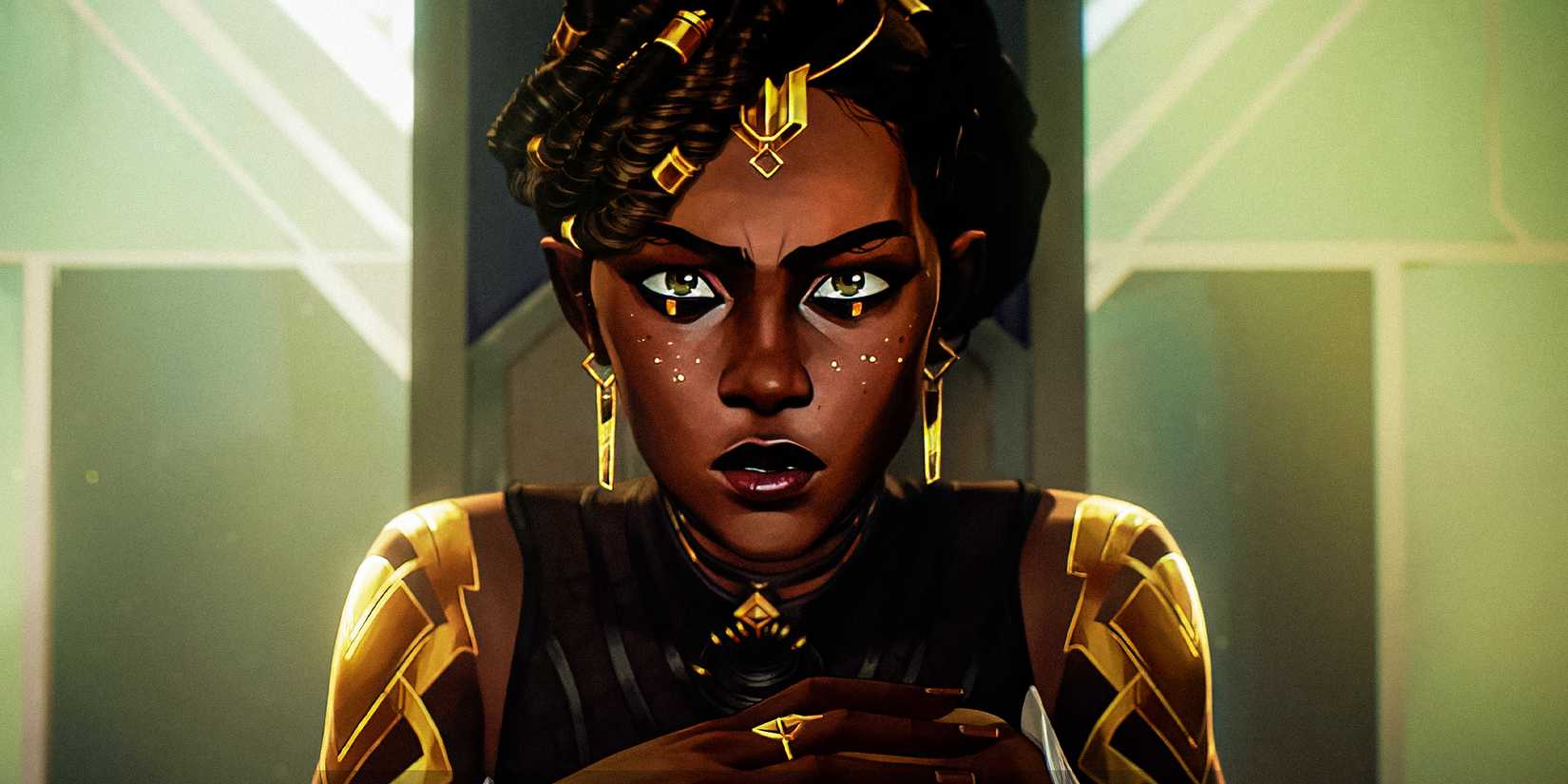
The end of Arcane felt definitive because, in many ways, it was. Netflix announced that the show’s sophomore season would be its final. Creators Christian Linke and Alex Yee had planned Vi and Jinx's story to conclude there rather than continue into a third installment. However, that ending should not be mistaken for the end of League of Legends' television ambitions. In fact, Arcane was designed as something closer to a starting point for a much larger cinematic universe set in Runeterra.
The success of the Netflix fantasy series demonstrated that League of Legends has enough characters and mythology to support different stories. Riot has already confirmed more League of Legends adaptations. Following the conclusion of season 2, Linke revealed that Riot was developing stories exploring Noxus, Ionia and Demacia, three major regions of Runeterra that are largely separate from the Piltover-and-Zaun story that defined Arcane.
There was initially some confusion over reports that this meant three separate shows. Riot co-founder Marc Merrill later clarified that Linke was talking about exploring three regions, not necessarily three individual series, saying Riot is exploring "a bunch of different shows (and games).” (via GamesRadar) That is arguably even more exciting.
Of the three regions mentioned, Noxus is the easiest to connect to Arcane. Season 2 already planted seeds for Noxus through Ambessa Medarda, Mel's mother, and the mysterious raven imagery associated with Swain. Consequently, the finale doesn't merely close the Piltover-Zaun conflict; it suggests that the political and military world of Noxus could become important. The essential point, however, is that Riot has not officially announced a specific Swain or Noxus series. Noxus is one of the confirmed regions being explored, while the exact projects and characters remain undisclosed.
Source: GamesRadar
Release Date 2021 - 2024
Network Netflix
Showrunner Christian Linke
Directors Barth Maunoury, Marietta Ren, Christelle Abgrall
Writers Amanda Overton, Nick Luddington, Mollie Bickley St. John, Ben St. John, Giovanna Sarquis, Henry G.M. Jones



 English (US) ·