
 2 weeks ago
20
2 weeks ago
20

Published Mar 17, 2026, 9:30 AM EDT
The throwback I didn't know I needed
 Image: Capcom via Polygon
Playing Monster Hunter Stories 3: Twisted Reflections feels like playing a PlayStation 2 game. I don’t mean that in a derogatory way, as someone might if they’re dunking on a new game’s visuals. (Here’s a reminder of what PS2 games actually look like). More so, I mean that it has a spirit we see much less often now in games than we used to.
During the PS2 era, and into the early 2010s, you had your recognizable franchises like Final Fantasy and Dragon Quest, while mid-tier series like Persona that successfully reinvented themselves started gaining traction. But there was a whole slew of in-between games: Radiata Stories, Dark Cloud, Shadow Hearts, Sakura Wars, Rogue Galaxy, nearly half a dozen Tales of games from Bandai Namco. Disgaea made a name for itself. More Grandia and Suikoden sequels popped up. They weren't all great, but they were part of a deeper pool of creativity and risk-taking that's long-since dried up. Monster Hunter Stories 3 is like one of those games, and that’s what makes it special.
Like its predecessors, Monster Hunter Stories 3 is a turn-based RPG where you collect monsters (called Monsties) and take them into battle. The gist here is that you're the prince or princess of Azuria, and also a ranger. Rangers bond with monsters, work together to survey the environment, and generally keep critters, land, and people healthy. The job changes when a strange disaster called the Encroachment, well, encroaches, disregarding borders and ruining everything it touches.
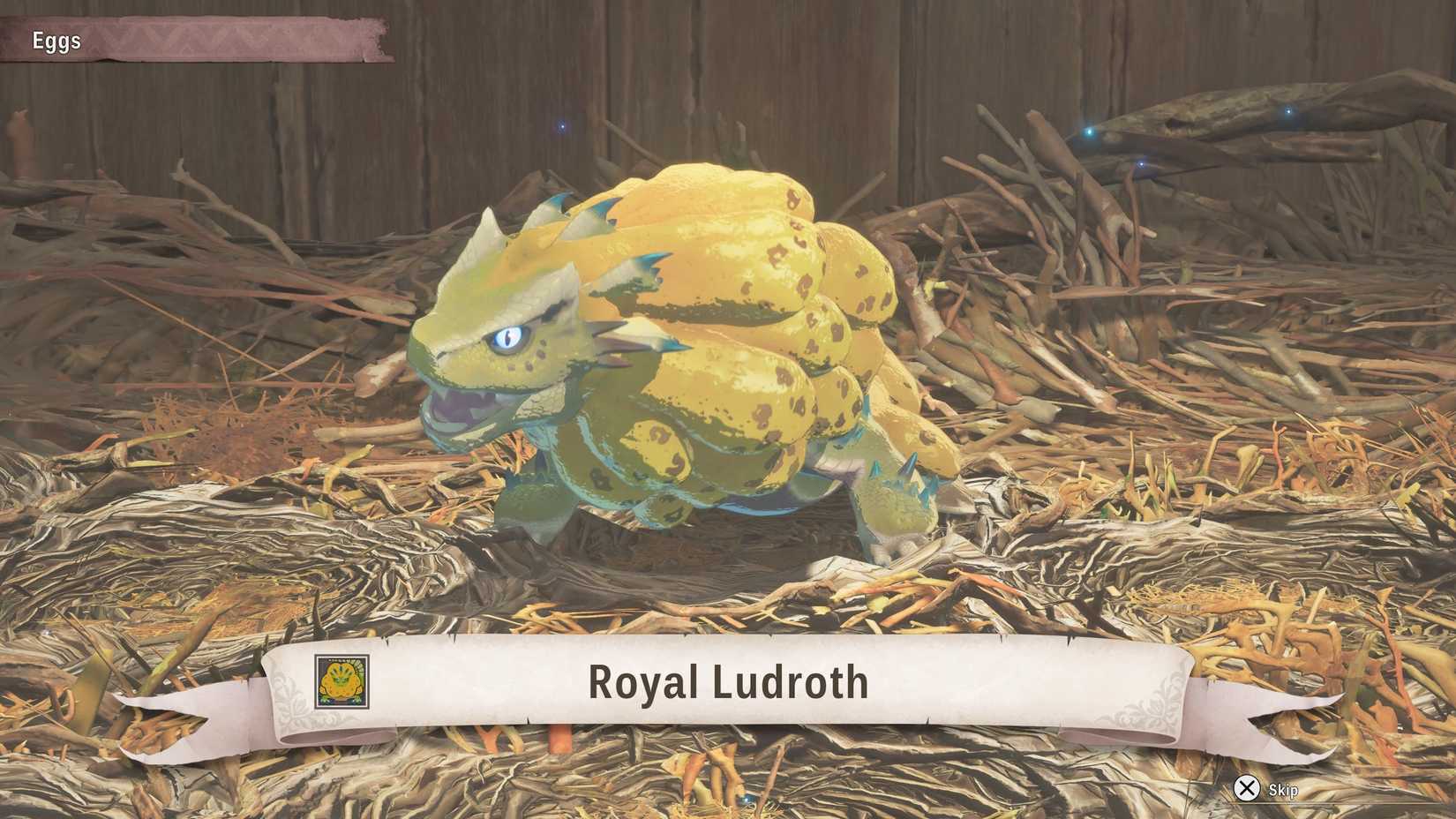 Image: Capcom via Polygon
Monster Hunter games always have strong environmentalist themes, though between the opening cutscene and the flagship monster fight, those themes often get lost in the hours spent turning fire-breathing chickens into pants. The first two Monster Hunter Stories games have you stealing eggs just to perform a bonding ritual and become besties with your kidnapped dinosaur. That was always a bit weird and not so nature-friendly. Capcom rethought the relationship between rider and monster for Stories 3 and folded in the series' environmental concerns, and even a bit of conservation theory, to justify what the rangers do.
You might think monsters are best left in the wild to hatch and grow free from interference, except the wild is much more dangerous. The Encroachment disrupts ecosystems and drives affected monsters into feral frenzies. It is spreading across the land, causing those feral monsters to destroy everything they see — habitats, other monsters, humans. The best way to protect monsters is to hatch their eggs in safe areas and, when the habitat is safe again, re-release them. This practice, you're told, helps heal the land and combat the Encroachment, along with the more practical effect of bringing nearly extinct monster species back to life.
The Encroachment is not-so-loosely tied to human actions: conflict, resource hoarding, abuse of privilege. Stopping misguided rulers and intervening in wars is just part of saving the world in Monster Hunter Stories 3. The only way to bring about lasting change is through respect for the environment and each other.
"We're all in this together, so don't be a dick" is hardly a new sentiment, even if it is timelier than ever. But Capcom makes up for a lack of originality — as well as poor pacing and the occasional underdeveloped idea — with a level of craft that makes it feel exciting and emotional anyway. The acting is exceptional; the visual direction sings, now that it's free from the constraints of underpowered hardware like its predecessor; and all the fiddly annoying bits like egg collecting have more purpose (and are generally less fiddly). And it helps that grinding for armor is a lot more fun this time, too.
Stories 3's combat expands on what made Stories 2's better than the first game's. The rock-paper-scissors system of picking an attack type (power, technical, or speed) that has an advantage over your opponent's is still here, but it's not the primary thing you do anymore. Skills are tied to stamina, rather than the Kinship gauge, so you're encouraged to use them frequently without having to miss out on special monster team attacks.
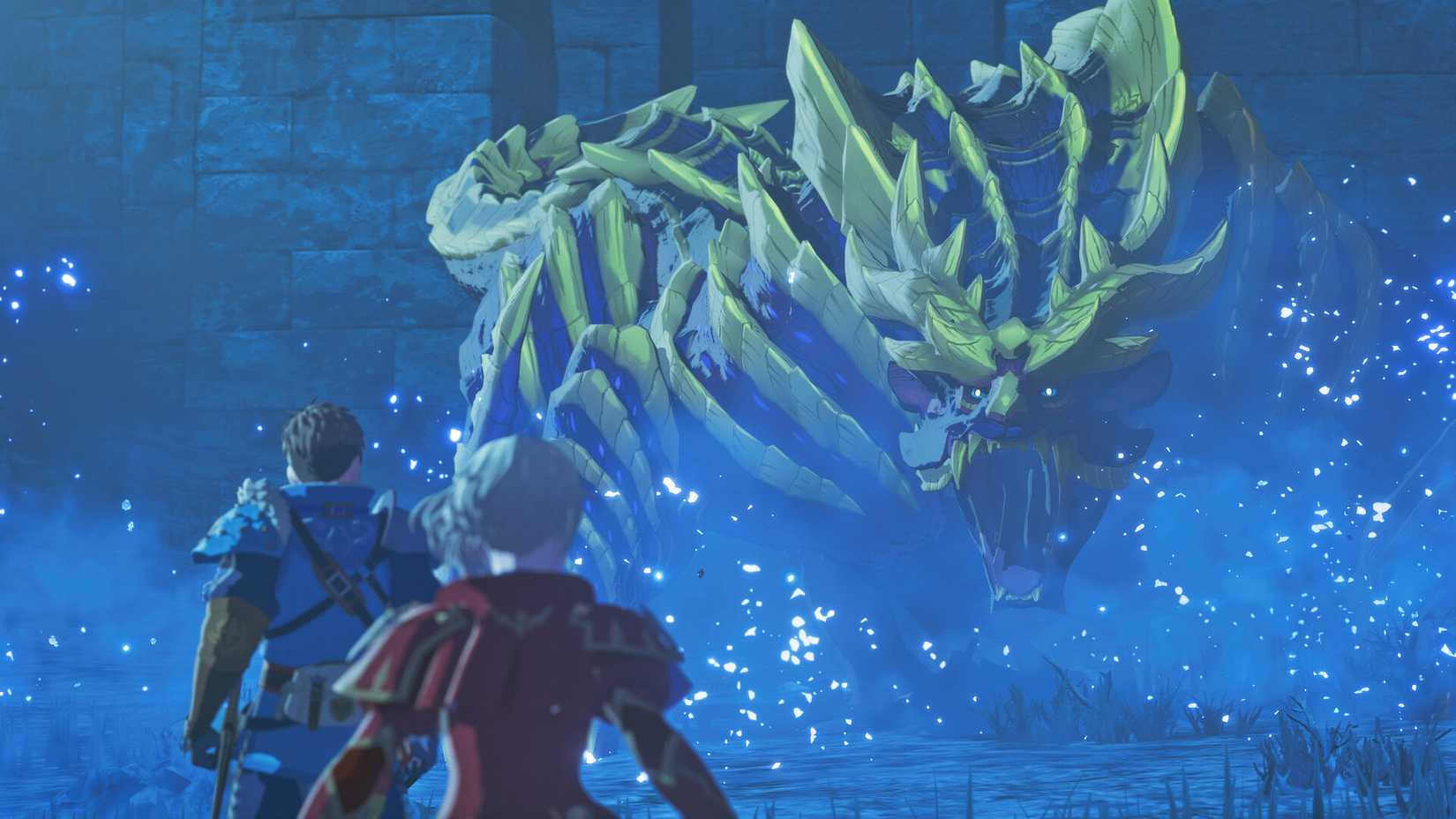 Image: Capcom
And you have a stronger variety of options, even with your starting weapons. The beginner weapons in Stories 2, for example, just gave you different flavors of charged attack; the starting Greatsword skills in Stories 3 have different effects that push you to think about more than just "spend more points, do bigger damage," including support skills and damage type affinities. Hammers deal hammer damage, for instance, but also have skills that deal blunt damage, which involves a whole additional layer of complexity when you're making a loadout. Everything is generally more rhythmic and strategic, like you're playing a mainline Monster Hunter game instead of a nascent turn-based system that isn't quite sure of itself yet.
It all makes for an in-depth RPG spinoff, and we could use more games like that these days. Final Fantasy releases happen every half a decade or so. (So do Xenoblade Chronicles and Tales, for that matter). Dragon Quest 12 is still in development limbo, and at this point, I'm pretty sure Persona 6 is a collective fever dream. The void smaller RPGs once occupied is filled with games shackled by nostalgia and too preoccupied with trying to be like their inspirations to do anything particularly noteworthy. There’s not much flexibility in that churn for creative risk-taking.
Maybe that’s why games like Clair Obscur: Expedition 33 and Metaphor: ReFantazio struck such a chord in recent years. Sure, they have their weak points, just like Monster Hunter Stories 3. But they also have a vision that's free from the burden of legacy and unhampered by what's popular. They're fresh, confident, and different in a way we see increasingly less often. They're also essential for the genre's future. As big publishers still struggle to figure out what to do with their lumbering legacies, I hope we start seeing more PS2-style games like Monster Hunter Stories 3 showing up in the wild to keep the breed from dying out.
Monster Hunter Stories 3: Twisted Reflections is available on Nintendo Switch 2, PlayStation 5, Windows PC, and Xbox Series X. The game was reviewed on PS5 using a prerelease download code provided by Capcom. You can find additional information about Polygon’s ethics policy here.





 English (US) ·