
- A new lithium extraction process has been developed at MIT
- It's cheaper and more eco-friendly than current techniques
- The innovation could shift the extraction industry away from China
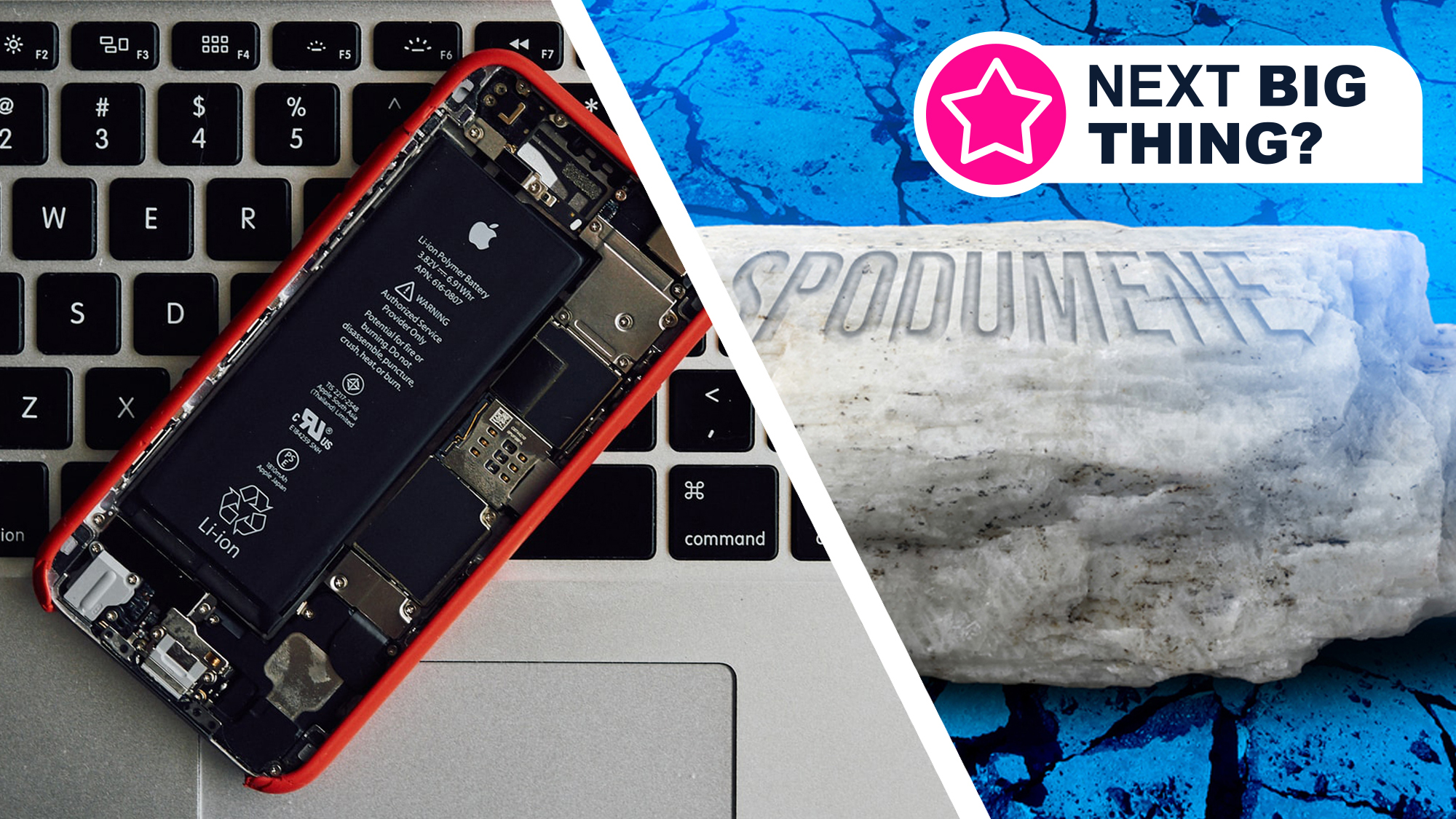
Lithium-ion batteries power most of our tech devices, from the best phones to the best drones, so the element lithium is in demand. Now, scientists working at MIT have come up with a new way to extract it from rock, which is cheaper and more eco-friendly than the techniques currently used.
The new process was actually inspired by a bathroom renovation carried out by one of the research team, Materials Science and Engineering professor Yet-Ming Chiang. His DIY project led him to a glass etching cream that could 'eat away' at the glass surface and turn clear glass blocks translucent.
Spodumene, the most abundant lithium-bearing mineral, is mostly made up of silica, just like glass. With the glass etching cream in mind, the scientists developed an innovative liquid solution for dissolving the silica in spodumene, then developed new techniques for refining the lithium and aluminum also present in the rock.
The process is notable in a number of ways: it works at room temperature, it's about half the cost of current extraction techniques, the liquid solution can be repeatedly reused, and the leftover waste can be repurposed into useful materials.
'You can change the lithium market'
"We believe this approach is the lowest-energy, lowest-cost way of getting lithium not only out of hard rock, but period," says Chiang. "That’s what's motivating us to scale this. It will enable the energy transition through batteries that use lithium."
It also has the potential to shift the global landscape in terms of lithium production. China currently dominates the global lithium refining industry, but there's also an abundance of the element in the US, Europe, and Australia — the problem is getting it out of the rocks its encased inside in a usable form.
At the moment, extracting lithium requires heating rocks to over 1,000 degrees Celsius, which uses a considerable amount of energy. The rest of the rock has to be discarded after the extraction process too. China has historically been willing to put up with the financial and environmental cost, and benefits from operating at vast scales.
"Our central thesis is if you can find an easier way to crack the rock, get lithium out, and make battery-grade lithium salts, you can change the lithium market," says chemist Camden Hunt, one of the researchers who worked on the project.

Follow TechRadar on Google News and add us as a preferred source to get our expert news, reviews, and opinion in your feeds.









 English (US) ·