
Serving tech enthusiasts for over 25 years.
TechSpot means tech analysis and advice you can trust.
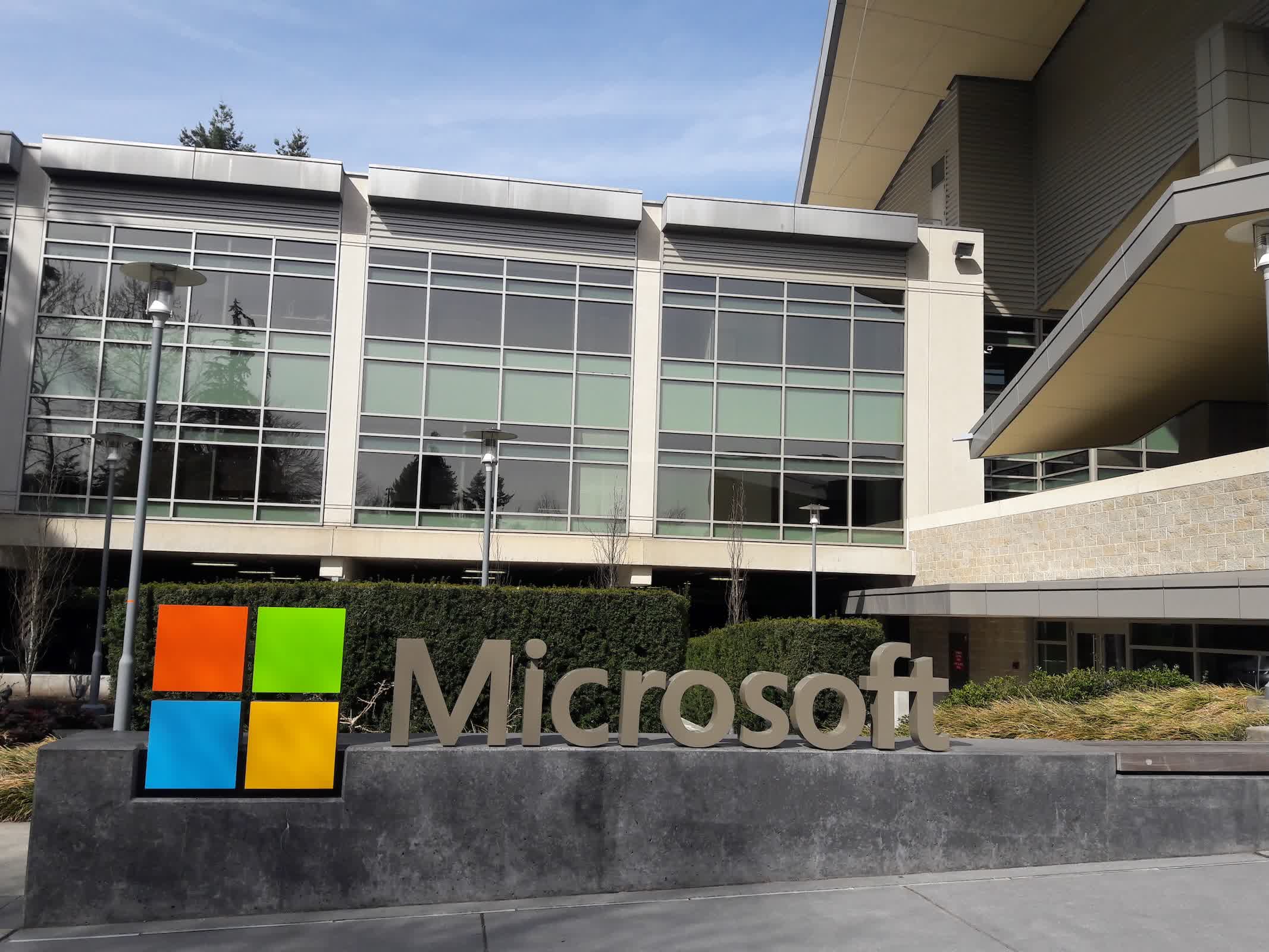
Rumor mill: PC makers are facing another cost increase as Microsoft raises Windows licensing fees for some OEMs by 7% to 10%, according to a report from Taiwan's United Daily News. The increase reportedly took effect in July, adding to manufacturers' costs as they continue to deal with higher prices for memory and other hardware components.
The fees apply to companies that build PCs and ship them with Windows preinstalled. Microsoft does not charge every manufacturer the same rate, so the impact will likely vary by vendor and product line. Still, any increase in Windows licensing costs gives PC makers another expense to account for when setting prices. Some of that additional cost could eventually reach buyers, especially as manufacturers already face pressure from rising component prices.
United Daily News cited a PC industry executive who said Microsoft typically raises Windows licensing fees for hardware makers by single-digit percentages each year. Beginning in July, however, the average increase reportedly rose to between 7% and 10%, representing a larger adjustment than in previous years.
The PC industry has spent the past year dealing with a shortage of memory components, which has increased the cost of building laptops and desktops. Systems that once sold for $600 to $800 are now approaching $1,000 in some cases. High-end Windows laptops have also become more expensive, with models that once sold for $1,200 to $1,500 now costing closer to $2,000.
That puts additional pressure on manufacturers competing in the mainstream market. Lower-priced PCs tend to leave less room for companies to absorb new costs, leaving vendors with the choice of raising prices, reducing specifications, or accepting thinner margins. A higher Windows licensing fee makes each of those options more difficult.
The increase could be felt most in laptops, where manufacturers are already balancing memory costs, display prices, battery capacity, processor options, and thin chassis designs. The latest Surface Pro and Surface Laptop models, for example, are priced roughly $400 to $500 higher than their predecessors.
Apple has also been affected by the component shortage, raising prices by hundreds of dollars across its Mac lineup. The difference for Windows manufacturers is that they must also account for the Windows license when shipping a new device.
The reported fee increase does not affect people who purchase Windows separately. Windows 11 Home remains priced at $99, while Windows 11 Pro is still $199. Microsoft has not commented on the reported increase.






 English (US) ·