
 3 weeks ago
32
3 weeks ago
32
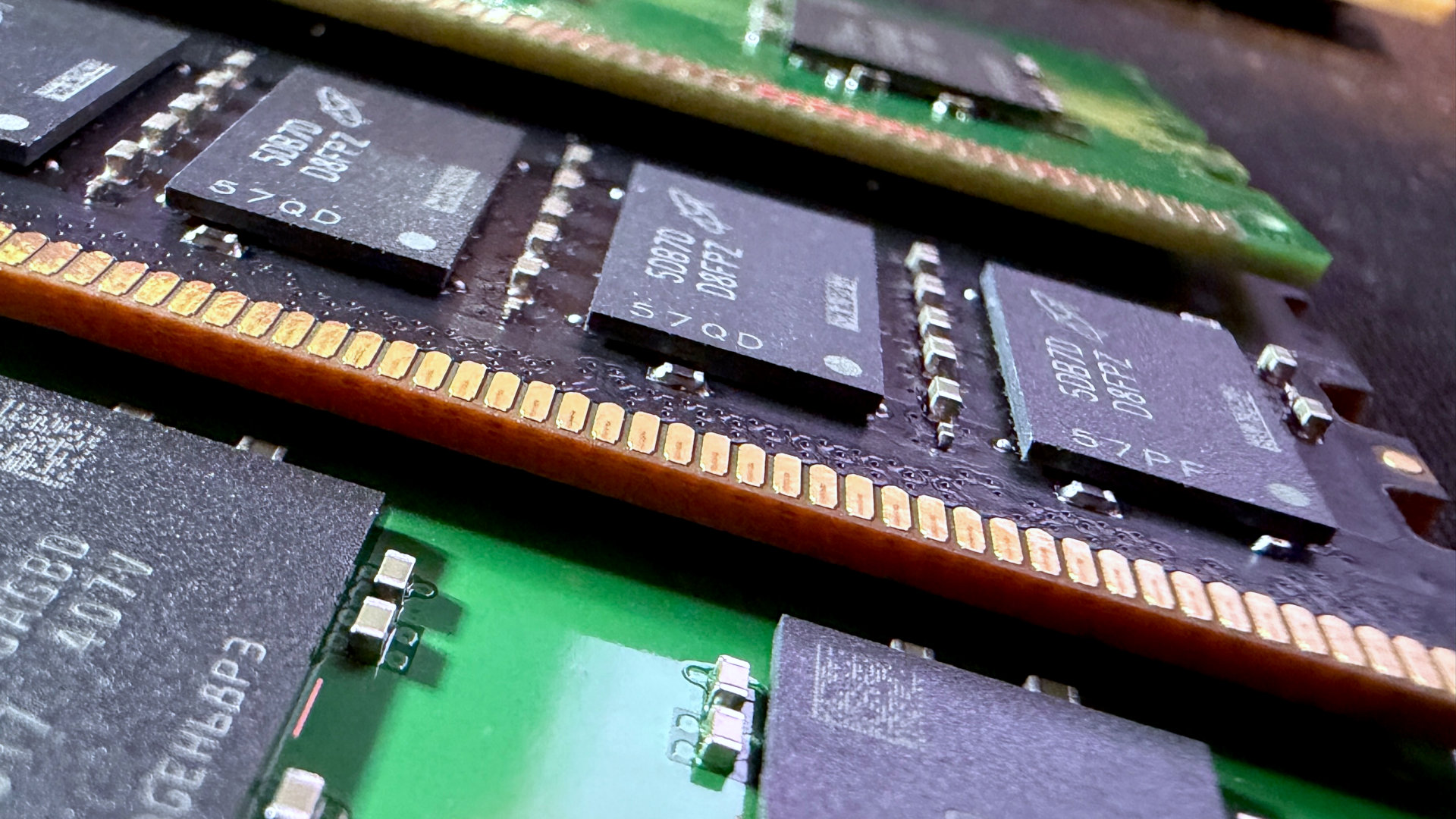
A slight bastion of hope for those affected by the memory crisis (ie, anyone who wants to buy new electronics in the next few years) is the planned arrival of new fabrication facilities, pumping out vast amounts of wafers that will be turned into memory modules. According to Micron, though, we shouldn't hold our breath.
Sumit Sadana, the executive vice president and chief business officer of Micron, spoke at a tech and finance forum earlier this week. According to Sadana:
"All of this growth in [AI server-critical] HBM pressures the supply that is left for everything else, which means that the wafer supply has to increase dramatically, and that is just not easy to do."
"It takes a long time because the whole industry got itself into a state where most of that expansion needed to be done in greenfield expansion," Sadana continued. "Which means you go to an empty space that is nothing but trees, and you have to create an entire massive fab cluster there. That is a very challenging endeavour.
"It is one of the most complex engineering projects in the world from a construction perspective to build such fabs."
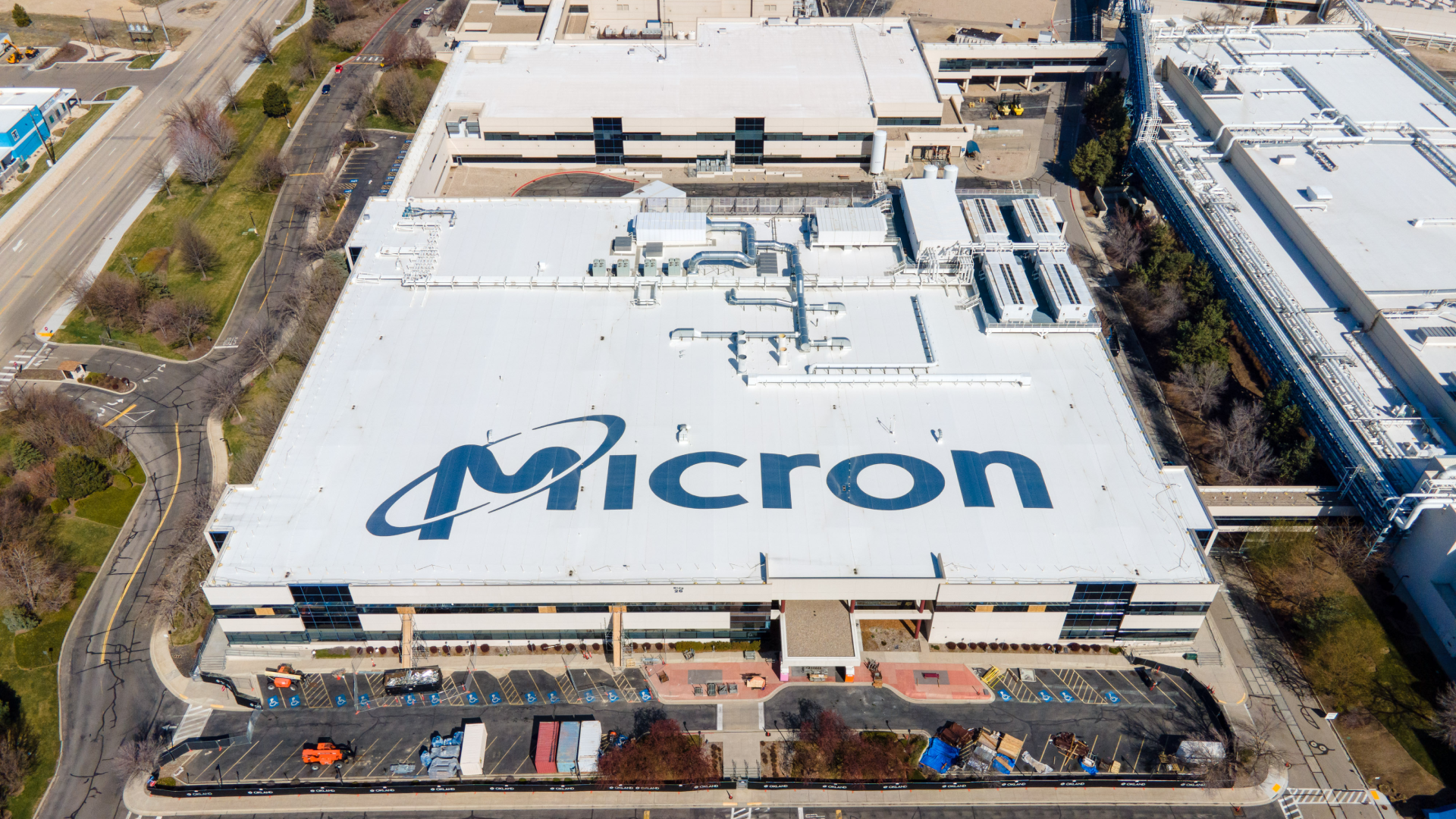
Certainly, anyone who envisions a new wafer facility being thrown together in a few months will need to take a hefty dose of reality pills, at least from Micron's perspective. Sadana points out that fabs are not like data centers, which seem to have been sprouting from the ground like weeds in recent months.
"Building a data center—no offense to our customers—is considerably easier than building a sophisticated leading-edge technology front-end fab," Sadana continues.
"It takes a long time for these fabs to come online, and this leading-edge technology... takes a long time to ramp. Because of all these reasons, we do not have line of sight as to when that supply vector will intersect the demand vector."
That's corporate speak for "everyone wants memory modules, and we're not sure when we'll be able to produce enough wafers to make enough of them," if you ask me.
Which, to speak more casually, sucks for the average consumer. It's not just Micron that's investing in new fabs, of course, as SK hynix and Samsung are also busy building extra production facilities for themselves. But estimates vary wildly as to when meaningful amounts of new memory modules might enter the supply chain.
Whatever the situation, the memory crisis is still expected to continue for a long while yet, with predictions for its demise ranging from the end of 2027 to 2030 and beyond.
In the meantime, it looks like we've got what we've got. Of course, new, memory-optimised AI models might enter the market, taking some of the server demand out of the equation. Or, y'know, the AI house of cards could come tumbling down in often-predicted ways.
Failing that, it's difficult to find a silver lining. As you were, folks. We're in it for the long haul, it seems.







 English (US) ·