Even as memory manufacturers warn of a continued chip shortage until 2029 to 2030, a market research firm is going against the grain, saying the situation will ease starting in the latter half of next year. Taiwan-based firm TrendForce has two scenarios for the memory chip industry in the next couple of years — the base scenario shows the aforementioned stabilization in memory chip prices by mid-to-late 2027, with costs expected to start declining by 2028, while the “bear case” shows the price contraction beginning in the last quarter of 2027 and an even bigger decrease by the following year. Acer chairperson and CEO Jason Chen made a similar claim earlier this year, saying that memory makers are only hyping the shortage to protect their margins.
TrendForce cited falling demand as the primary reason for its forecast, noting that untenable memory price increases have caused consumer electronics demand to fall. It also said that Chinese cloud service providers have begun reducing demand for server DRAM during the last quarter of this year, with North American sites taking up the slack. However, the latter’s prospects are also in question, especially with the massive losses that data center measures faced during the U.S. midterm elections.
Aside from that, Jensen Huang’s issues at Nvidia are raising questions about its management and governance, with S&P Global Ratings issuing a notice that the company’s rating could be downgraded pending its own investigation. The agency says this could lead the company to scale back funding for neocloud providers, reducing demand from these smaller data center operators.
While these issues are slowing demand, the factories that memory chip manufacturers began constructing to address the shortage are expected to come online by 2028. This, combined with the expected decrease in demand growth, could lead to lower chip prices by 2028. The research firm also said in the “bear scenario, passage of more stringent and effective export controls, as well as consolidation among cloud providers, might result in even further reductions in AI server orders, leading to an even deeper decline in memory chip pricing.
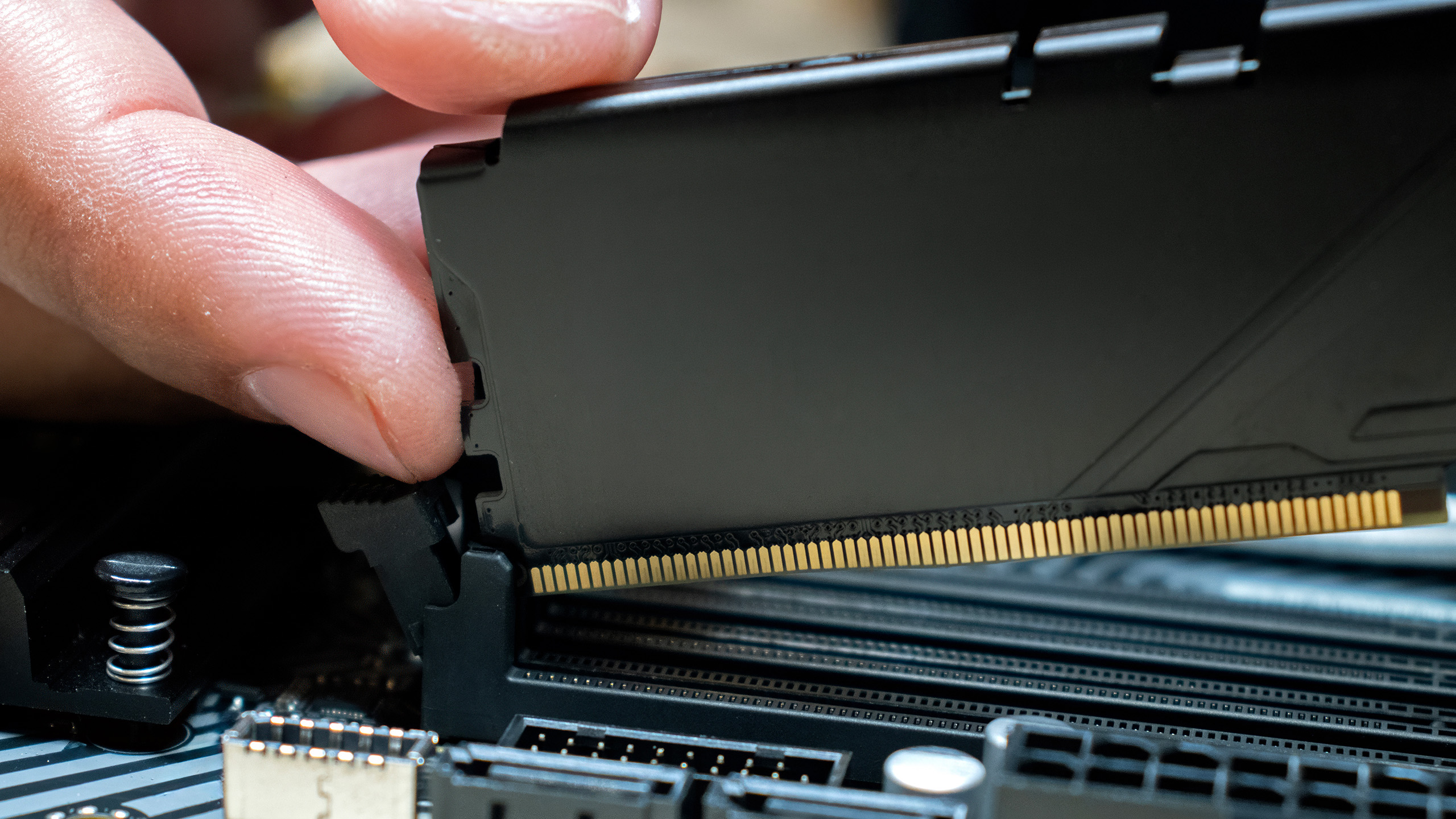
This is going to be great news for gamers, enthusiasts, PC builders, and even companies that are struggling to find memory chip supplies right now. However, even if the aforementioned timeline comes true, it will take at least several months before consumers and end-users will finally feel relief from the memory chip shortage. In the meantime, if you need a memory kit right now, your best option is to follow our lowest-priced RAM tracker to get the best pricing on these components today.
Stay On the Cutting Edge: Get the Tom's Hardware Newsletter
Get Tom's Hardware's best news and in-depth reviews, straight to your inbox.
Jowi Morales is a tech enthusiast with years of experience working in the industry. He’s been writing with several tech publications since 2021, where he’s been interested in tech hardware and consumer electronics.

 3 hours ago
6






 English (US) ·