


Published Aug 24, 2026, 9:00 AM EDT
Richard Craig is a Senior Author at Screen Rant covering film and TV. Richard has also written extensively about horror and film soundtracks, contributing a chapter to the first major academic collection on the folk horror genre, The Routledge Companion to Folk Horror. Richard is also a performing musician and holds an MA in Music and Sound Art.
More than two decades after The Passion of the Christ became a worldwide phenomenon, Mel Gibson's biblical saga is finally returning to theaters. However, the long-awaited continuation looks very different from what many may have expected when sequel discussions first began years ago.
Released in 2004, The Passion of the Christ focused on the final hours of Jesus Christ's life, depicting his arrest, trial, crucifixion, and death with an intensity rarely seen in mainstream Hollywood productions. Despite controversy surrounding its graphic violence and religious subject matter, it became one of the biggest box office surprises of all time, earning over $600 million worldwide and establishing itself as one of the highest-grossing R-rated movies ever released.
For years, Gibson teased a follow-up centered on Christ's resurrection. What initially sounded like a straightforward sequel has gradually evolved into something much larger. The filmmaker has spent years developing the project alongside longtime collaborator Randall Wallace, with reports suggesting an ambitious scope that extends far beyond the ending of the original film.
Now officially titled The Resurrection of the Christ, the continuation is no longer a single movie. Instead, Gibson is launching a two-part epic that will explore events following the crucifixion and continue through Christ's ascension. At the same time, audiences will encounter a completely new cast portraying many of the franchise's most recognizable figures, including Jesus himself.
Resurrection Of The Christ Is A Two-Parter Beginning In 2027
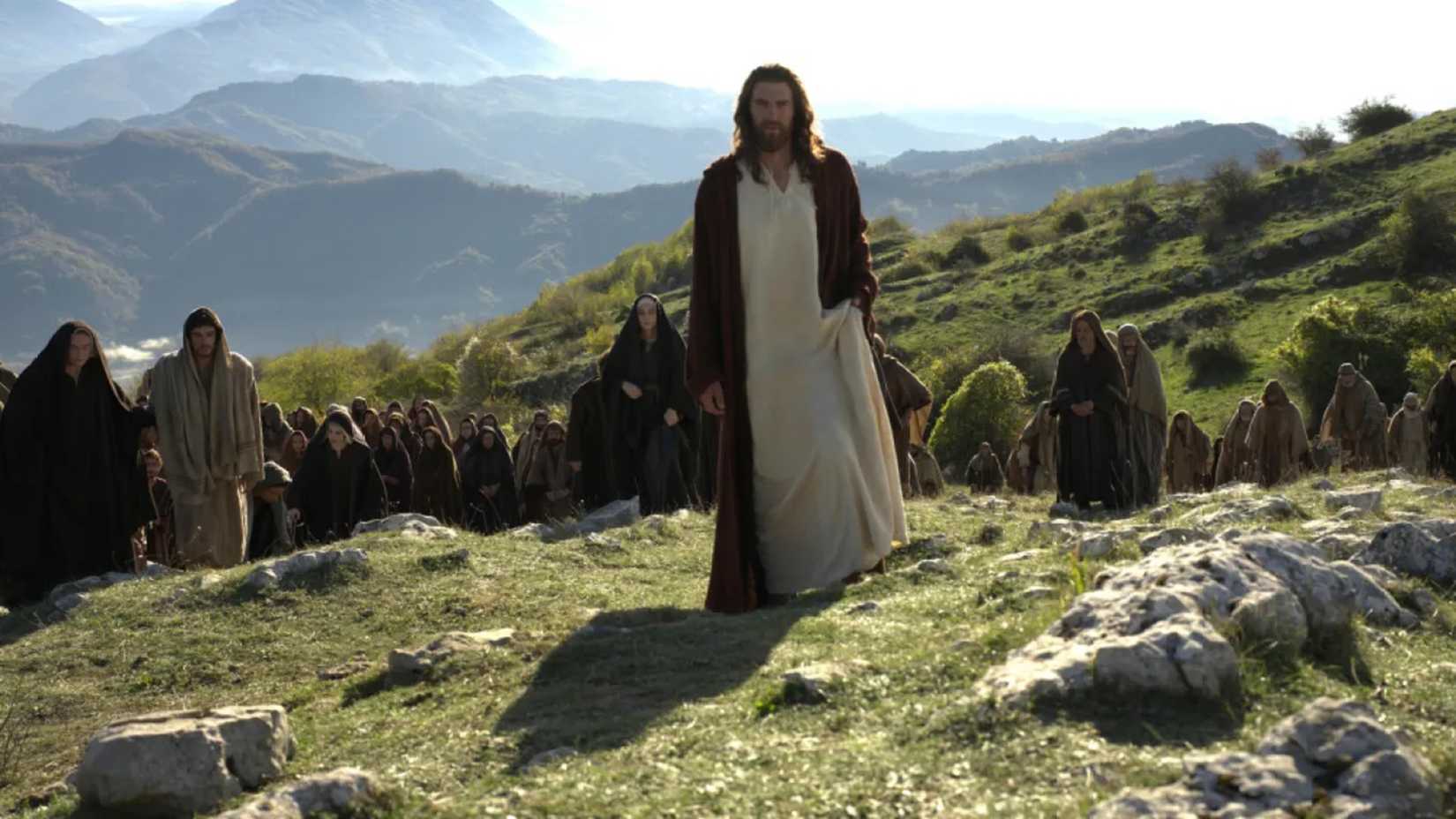
Rather than delivering one sequel, Gibson is expanding the story into a pair of interconnected films. The Resurrection of the Christ: Part One is scheduled to arrive in 2027 and serves as the direct follow-up to The Passion of the Christ. Gibson directs from a screenplay he co-wrote with Randall Wallace, based on a story developed by Gibson, Wallace, and Gibson's brother Donal Gibson. Gibson is also producing alongside Bruce Davey.
Resurrection: Part One represents the second chapter in what has become a trilogy. While The Passion of the Christ covered the crucifixion, the upcoming films move into the events that followed, allowing Gibson significantly more room to explore material that many assumed would fit into a single movie.
The final installment, The Resurrection of the Christ: Part Two, is already scheduled for release on May 25, 2028. Production on both movies began on October 6, 2025. Rather than shooting them separately, Gibson filmed the pair back-to-back. The productions were completed at Rome's famous Cinecittà Studios, a location with a long history of hosting large-scale historical and biblical epics.
What We Know About Resurrection Of The Christ's Story
 Image via Lionsgate
The original Passion concluded with a brief glimpse of Jesus’s resurrection after his brutal death. While Gibson has remained relatively guarded about plot specifics, it will chronicle the resurrection and continue through the ascension, covering a period that occupies a crucial place in Christian theology.
On paper, that might not sound like enough material for two feature films. However, the resurrection narratives found throughout the Gospels contain numerous appearances, encounters, teachings, and events that occur between Easter Sunday and the ascension.
Expanding the story into two movies suggests Gibson intends to explore those events in far greater detail than a conventional sequel would allow. The structure also gives the filmmakers room to revisit key disciples, examine the impact of the resurrection on Christ's followers, and depict how the movement began transforming after the crucifixion.
The decision is also notable because The Passion of the Christ covered an extremely short period of time, focusing primarily on a single day. The sequel's broader timeline creates opportunities for a different style of storytelling, potentially balancing spiritual themes, character drama, and large-scale biblical spectacle.
Resurrection Of The Christ Will Recast Jesus & More Characters

Perhaps the biggest surprise surrounding Resurrection of the Christ is that virtually none of the original cast will be returning. For years, it seemed Jim Caviezel would reprise his role as Jesus. Gibson even discussed the challenge of making a sequel set only three days after the events of the original movie despite more than twenty years having passed in real life. One proposed solution involved extensive de-aging technology.
However, by October 2025, reports indicated Caviezel and Bellucci were no longer attached to the project, with their roles set to be recast. Shortly afterward, it was revealed that the entire original cast would be replaced.
Scheduling conflicts complicated efforts to reunite the ensemble, while digitally de-aging numerous actors for two large-scale films would have added enormous costs. Consequently, Finnish actor Jaakko Ohtonen has been cast as Jesus, taking over the role that made Caviezel internationally famous. Meanwhile, Mariela Garriga will portray Mary Magdalene, succeeding Bellucci.
Will Resurrection Of The Christ Be As Big As Passion Was?

Matching the success of The Passion of the Christ would be extraordinarily difficult. The original film was a cultural event that exceeded nearly every box office prediction. Religious audiences turned out in massive numbers, word-of-mouth proved exceptionally strong, and it generated widespread discussion across both faith communities and mainstream media.
The landscape in 2027 will be very different. One major factor is the passage of time. More than twenty years separate the original film from its sequel, meaning an entire generation of moviegoers has grown up without experiencing The Passion of the Christ as a theatrical phenomenon. While the long gap may create curiosity, it also risks weakening audience connection to the franchise.
Mel Gibson's public image has also changed substantially since 2004. His highly publicized controversies, including incidents involving alcohol and antisemitic remarks, have affected how many viewers perceive both the filmmaker and his work. Those controversies prompted significant reassessments of The Passion of the Christ itself and will assuredly influence discourse surrounding the sequel.
The complete recasting of beloved characters introduces another variable. Audiences returning after two decades may have expected familiar faces, and replacing the entire cast creates an additional hurdle.
At the same time, writing off the project would be unwise. Few analysts predicted the original Passion of the Christ's success before its release. Religious epics occasionally connect with audiences in unexpected ways, and Gibson remains one of Hollywood's most commercially unpredictable directors.
If the story resonates and the two-part structure generates momentum, The Resurrection of the Christ could still become one of the most talked-about releases of 2027 and 2028 – even if repeating the unprecedented success of The Passion of the Christ remains a very tall order.




 English (US) ·