
 3 hours ago
7
3 hours ago
7
Black and white photography isn’t a filter—it’s a mindset. Strip away color and suddenly everything else steps up: light gets louder, shadows grow teeth, and emotions hit harder. The images in Mastering the Monochrome prove one thing loud and clear—when color disappears, storytelling takes over. These 35 iconic photos, captured by the world’s greatest photographers, show how monochrome turns everyday moments into timeless visual poetry.
From quiet street corners to intense human expressions, black and white photography has always been about getting to the soul of a scene. There’s nowhere to hide. Every wrinkle, reflection, and ray of light matters. The masters featured here understood that simplicity isn’t basic—it’s bold. They used contrast like a weapon, composition like a compass, and timing like instinct. The result? Images that still punch you in the gut decades later.
What makes monochrome photography so powerful is how it reshapes reality. A busy street becomes a graphic playground. A daily-life moment turns cinematic. Without color guiding your eye, your brain slows down and really looks. That’s where these photographs live—in the space between seeing and feeling.
This collection isn’t just about legendary names or iconic frames. It’s about how black and white photography captures universal experiences—love, struggle, joy, solitude—in a language everyone understands. Whether frozen in history or pulled from everyday life, these images remind us why monochrome will never go out of style. It doesn’t age. It doesn’t trend. It endures.
#1
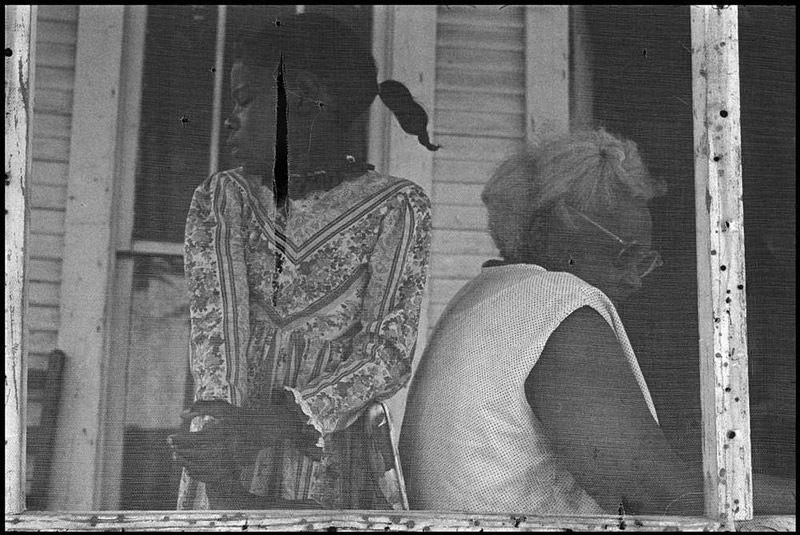
Photo By: Alex Webb
#2
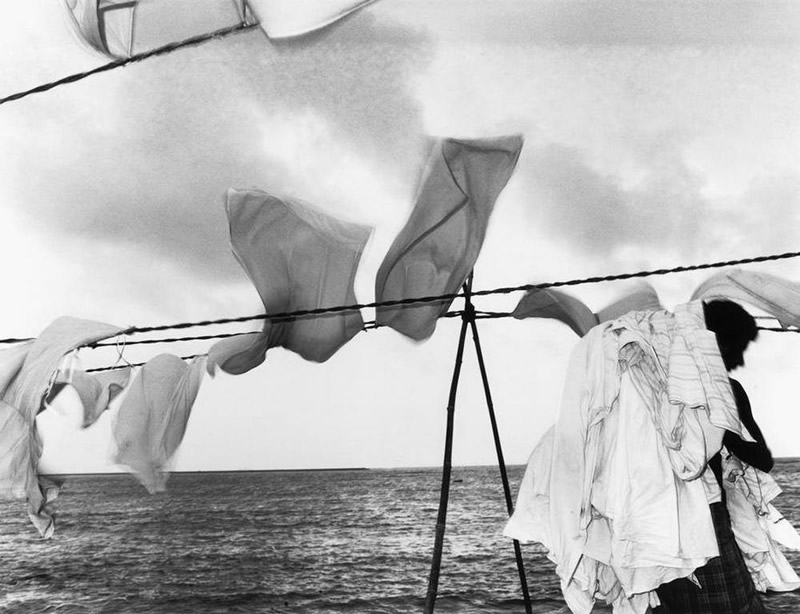
Photo By: Carl De Keyzer
#3
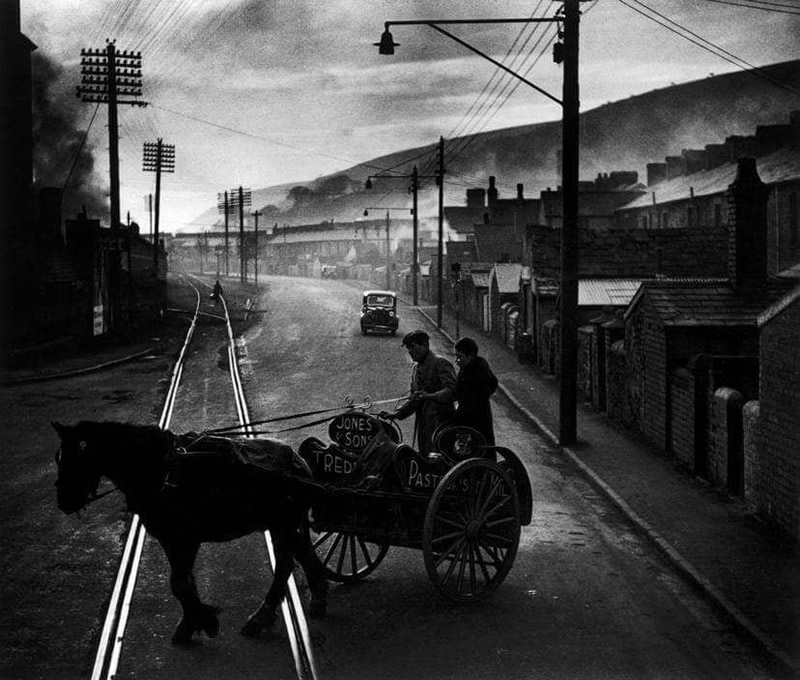
Photo By: W. Eugene Smith
#4
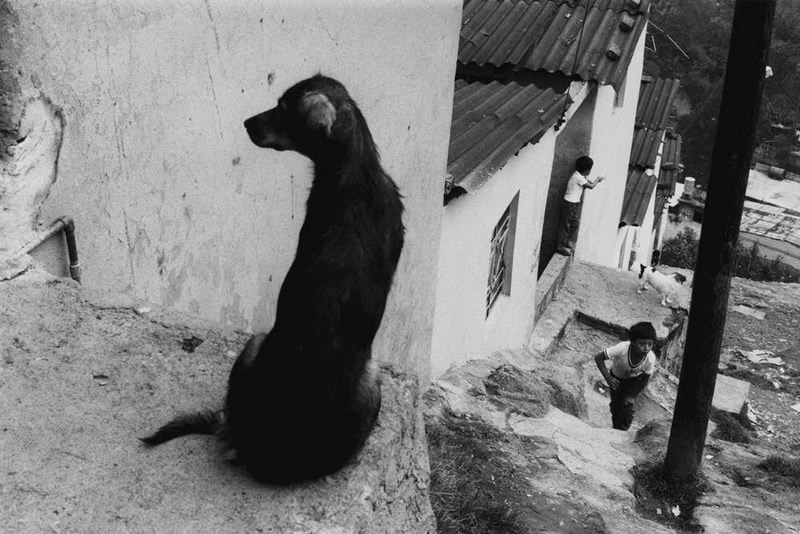
Photo By: Stuart Franklin
#5
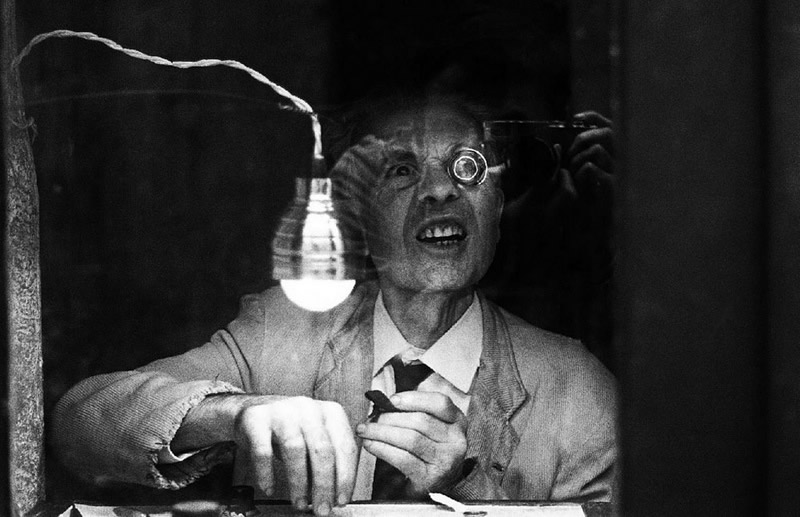
Photo By: Neal Slavin
The Power of Light and Shadow
In black and white photography, light isn’t just illumination—it’s the main character. The greatest photographers knew how to let shadows speak just as loudly as highlights. A sliver of light across a face could tell a full life story. A deep shadow could hide mystery, tension, or quiet beauty. This push-and-pull between brightness and darkness is where monochrome thrives.
Without color distractions, light becomes emotional currency. Hard contrast creates drama, while soft tonal shifts bring intimacy. Street scenes glow with graphic energy, and portraits feel raw and unfiltered. The masters shaped light like sculptors, using it to carve meaning into the frame. Every highlight was intentional. Every shadow earned its place.
#6
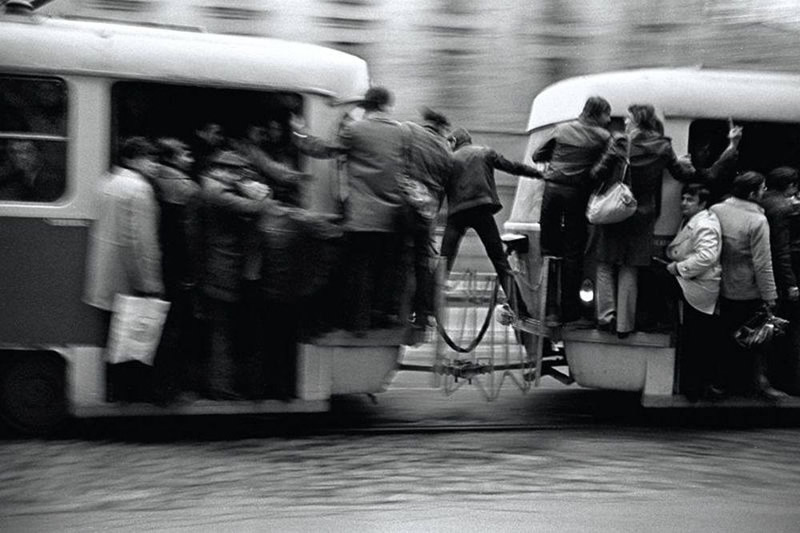
Photo By: Andrei Pandele
#7
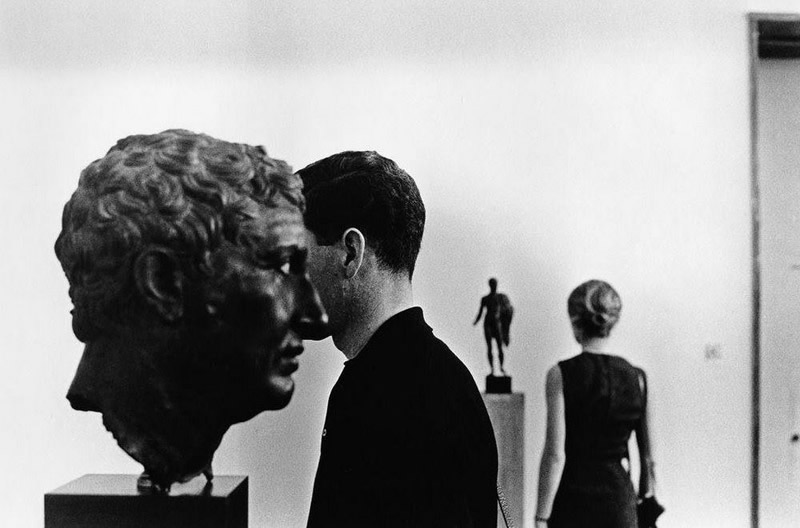
Photo By: Elliott Erwitt
#8
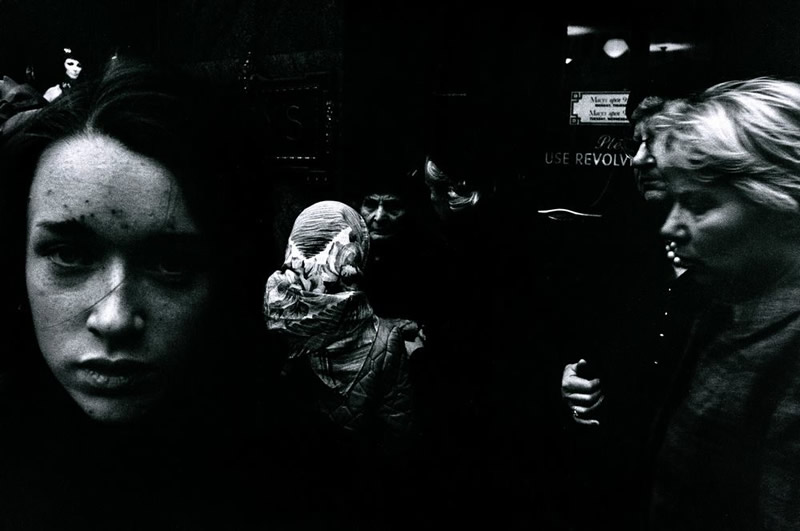
Photo By: William Klein
#9
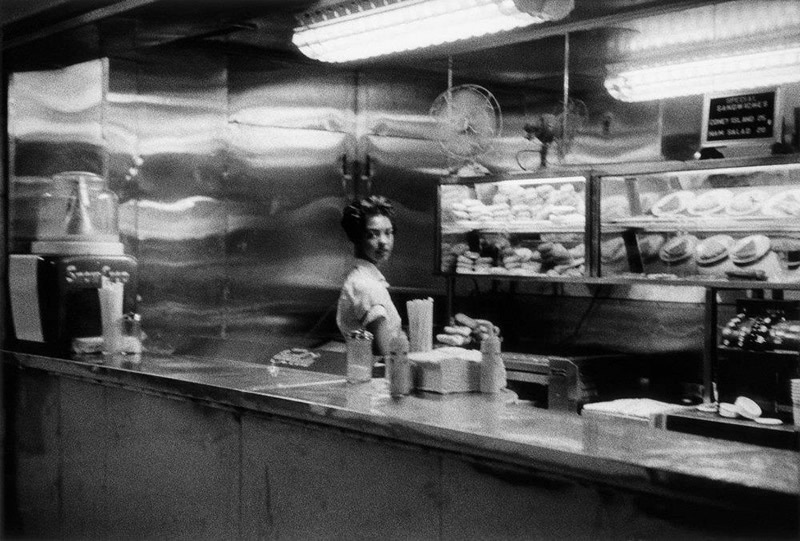
Photo By: Robert Frank
#10
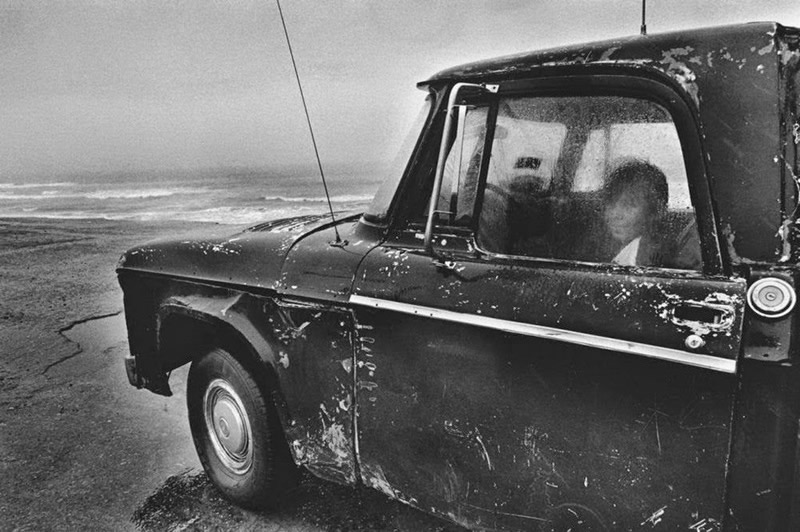
Photo By: Elsa Medina
Composition That Stands the Test of Time
Great black and white photos don’t rely on tricks—they rely on structure. Strong composition is non-negotiable. Lines lead the eye. Shapes anchor the scene. Balance—or intentional imbalance—keeps the image alive. The photographers behind these iconic works treated the frame like a stage, placing every element with purpose.
In monochrome, weak composition gets exposed instantly. There’s no color to save a sloppy frame. That’s why these images still feel fresh today. They’re clean, confident, and built to last. From minimalist setups to layered chaos, each photograph proves that composition is the backbone of timeless photography.
#11

Photo By: Marc Riboud
#12
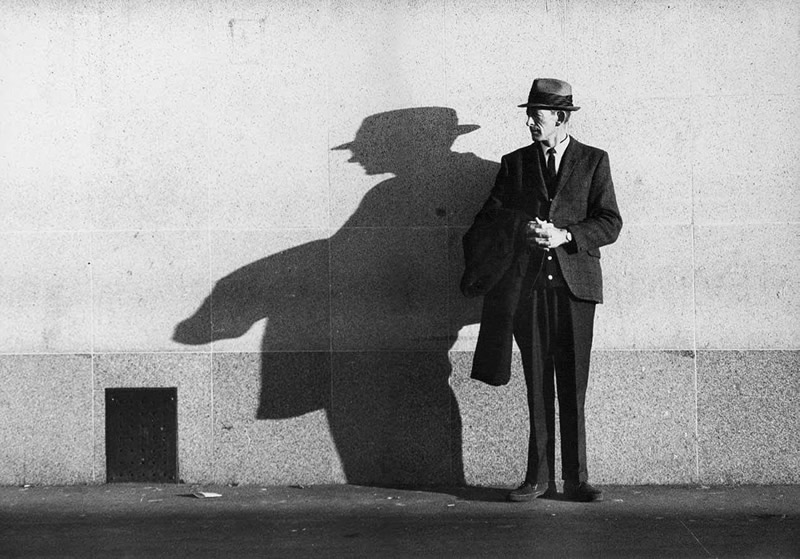
Photo By: Greg Neville
#13
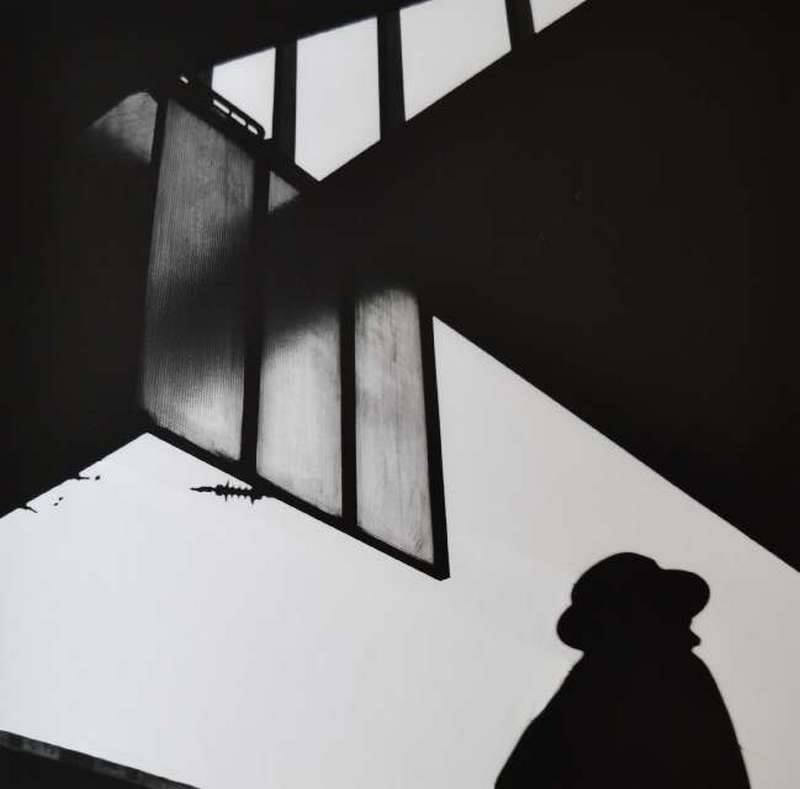
Photo By: Algimantas Kezys
#14
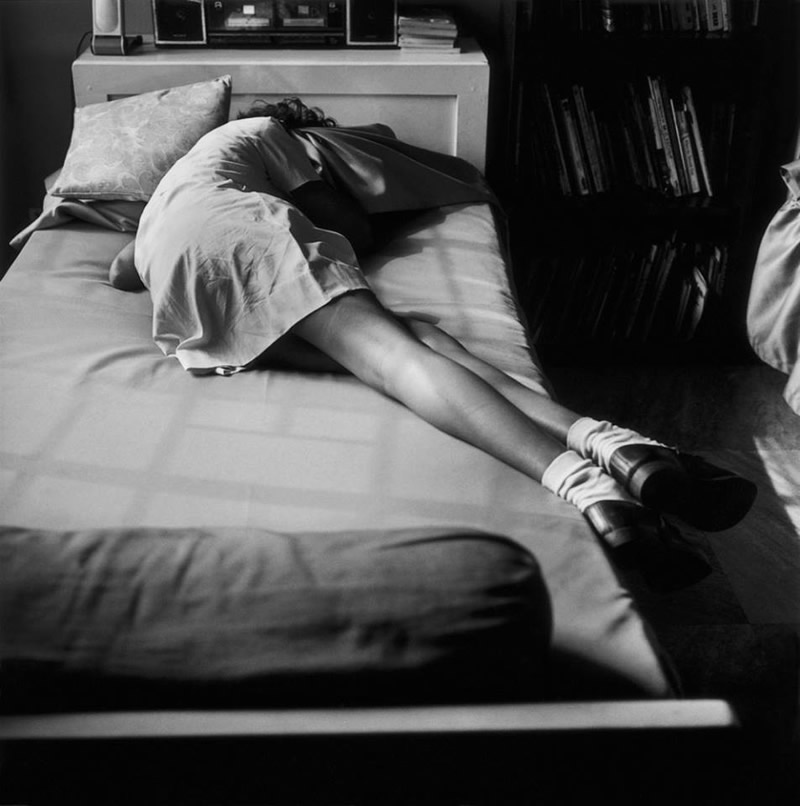
Photo By: Dayanita Singh
#15
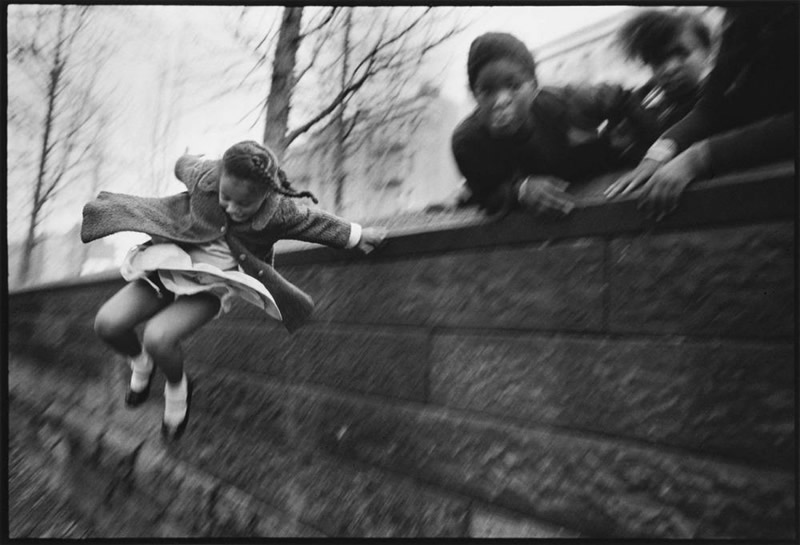
Photo By: Mary Ellen Mark
Everyday Life, Elevated
One of monochrome photography’s superpowers is turning the ordinary into the unforgettable. A man waiting for a bus. Kids playing in the street. A glance between strangers. The greatest photographers didn’t chase spectacle—they chased truth. Black and white stripped daily life down to its emotional core.
These images feel honest because they are. No flashy colors, no distractions—just moments as they happened. The result is photography that feels relatable and real. It’s a reminder that iconic photos don’t require epic locations. They require awareness, patience, and the ability to see magic in the mundane.
#16
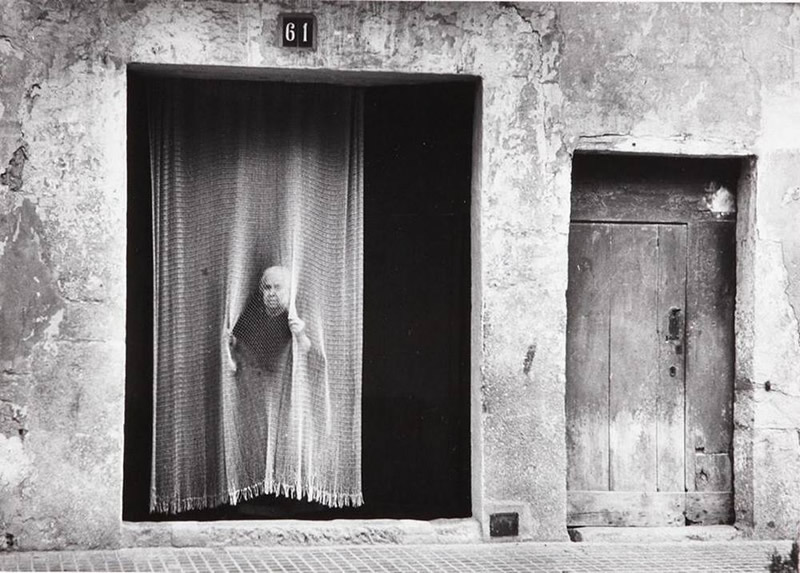
Photo By: Georg Oddner
#17
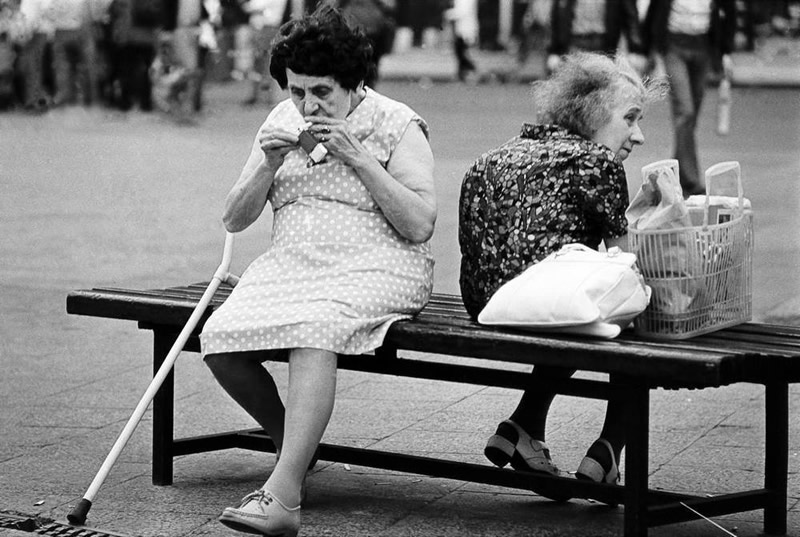
Photo By: Harald Hauswald
#18
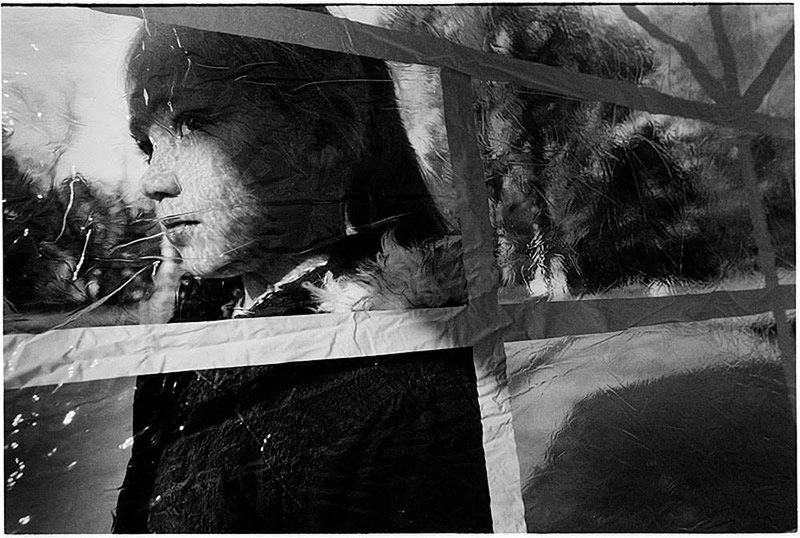
Photo By: Oleg Andreev
#19
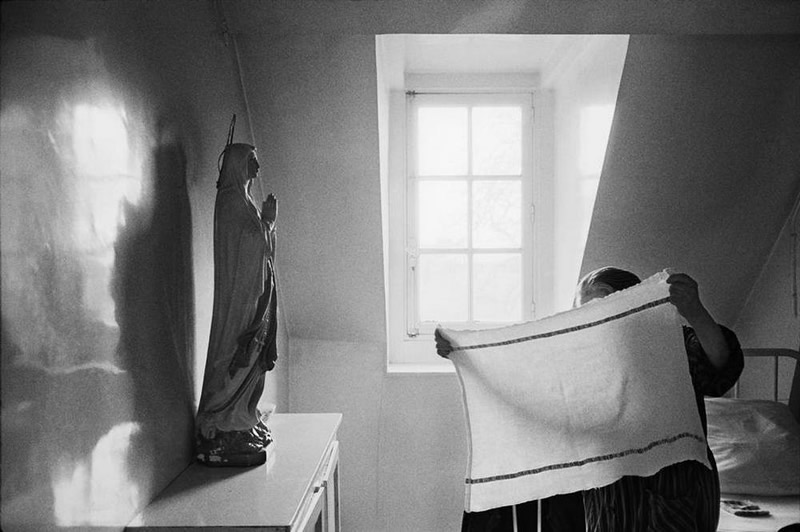
Photo By: Jean Gaumy
#20
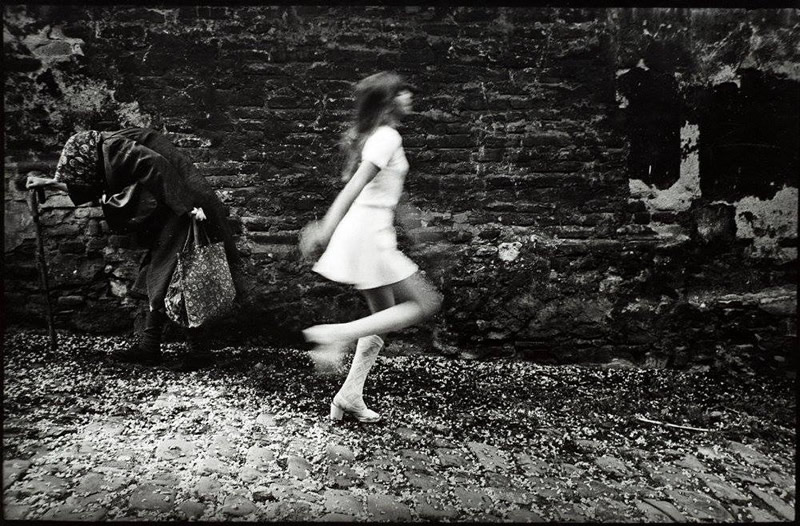
Photo By: Jan Saudek
Portraits That Feel Personal
Black and white portraits hit different. Without color, you’re locked into the subject’s eyes, expressions, and energy. The masters used monochrome to peel back layers, revealing vulnerability, strength, and humanity. Every wrinkle became a roadmap. Every shadow added depth.
These portraits don’t feel posed—they feel felt. The absence of color creates intimacy, pulling viewers closer. You don’t just look at these faces; you connect with them. That’s the power of monochrome portraiture—it removes the noise and leaves nothing but truth.
#21
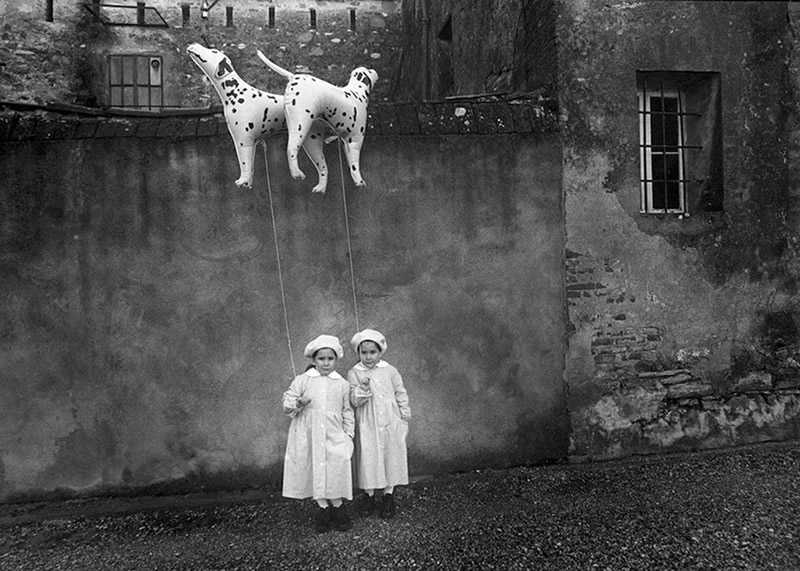
Photo By: Mario Lasalandra
#22
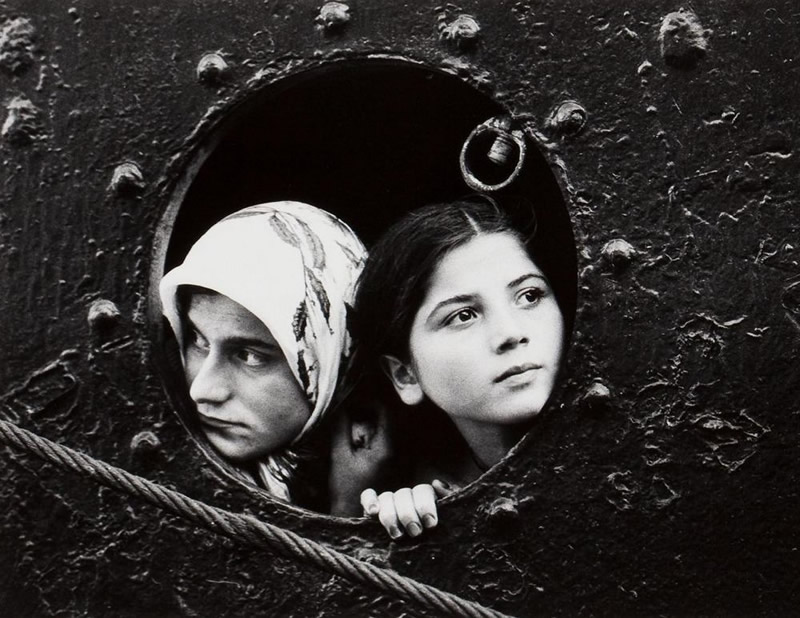
Photo By: Mary Ellen Mark
#23
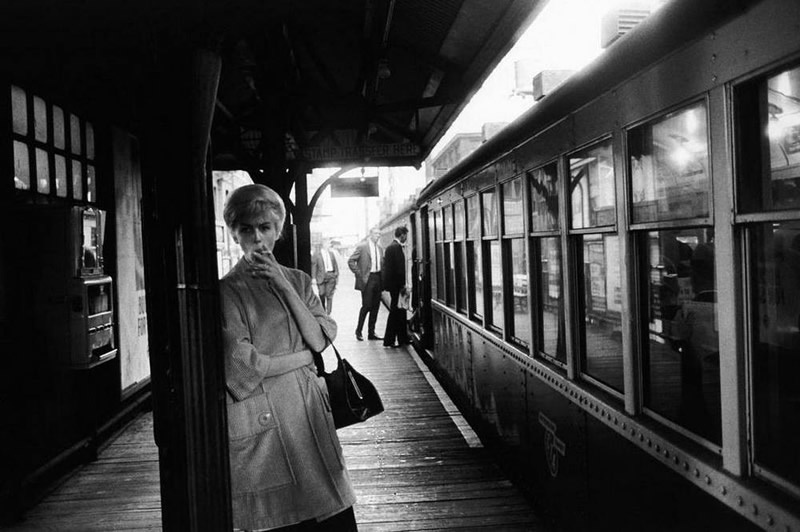
Photo By: Bruce Davidson
#24
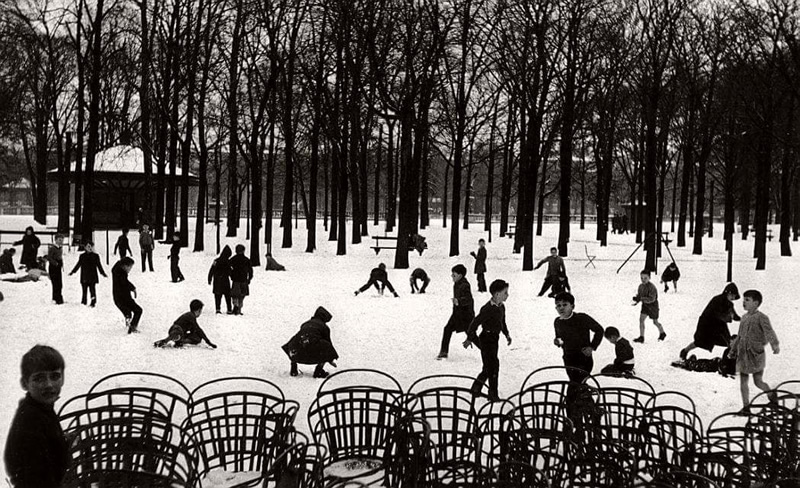
Photo By: Edouard Boubat
#25
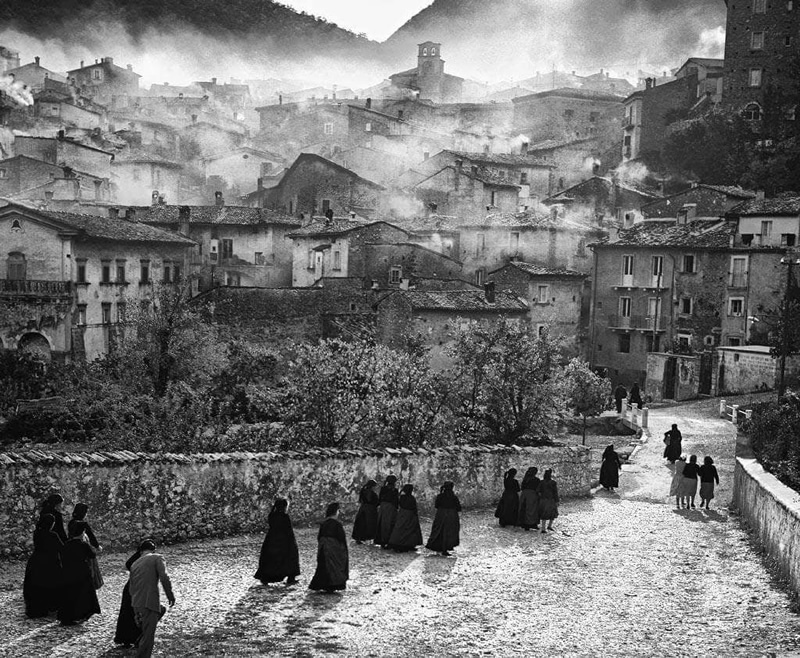
Photo By: Enzo Tortelli
Framing the Decisive Moment
Timing is everything, especially in black and white photography. The world’s greatest photographers had an instinct for the decisive moment—the split second when everything aligned. Gesture, light, composition, and emotion clicked into place. Miss it, and it’s gone forever.
Monochrome sharpens that moment. It freezes emotion in its purest form. Whether it’s movement on a street or silence in a room, these images feel alive because they captured something real, right when it mattered most.
#26
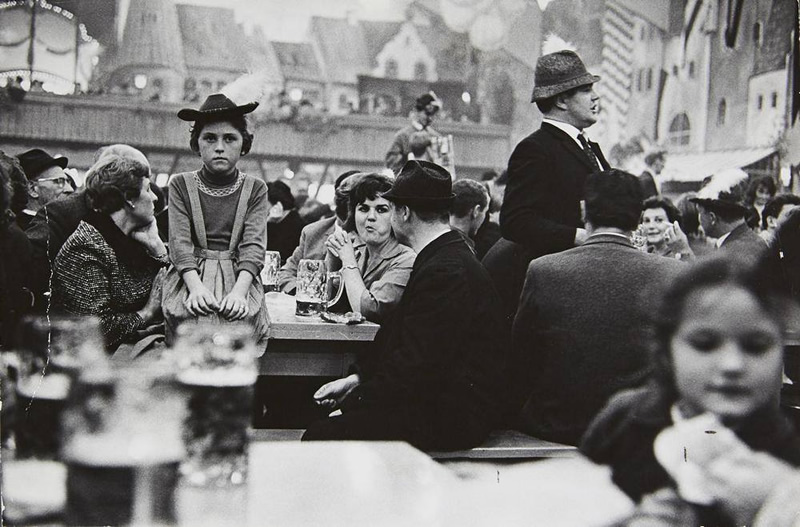
Photo By: Elliott Erwitt
#27
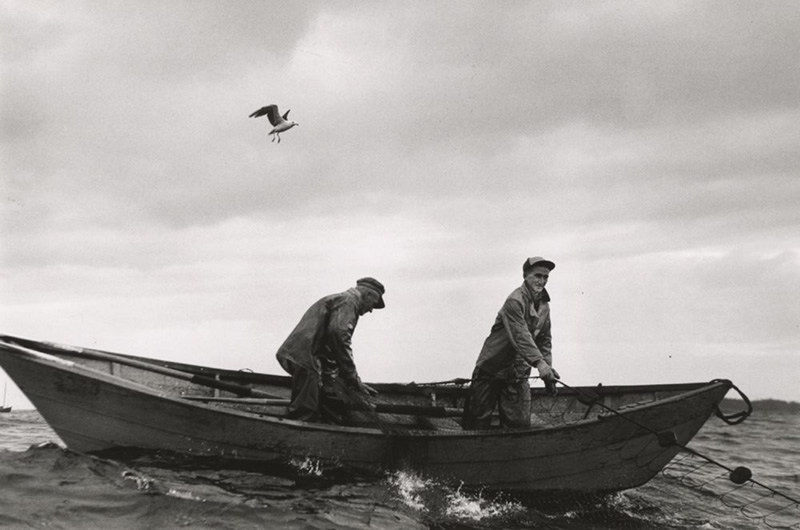
Photo By: Dan Weiner
#28
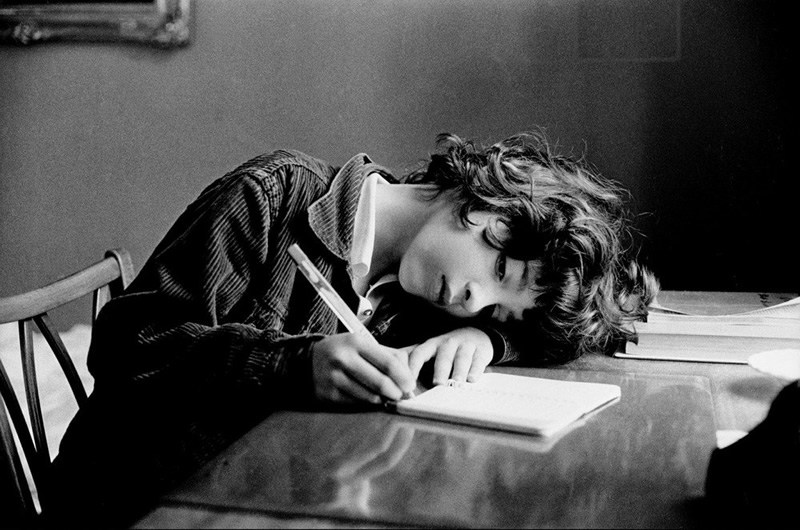
Photo By: Frank Horvat
#29
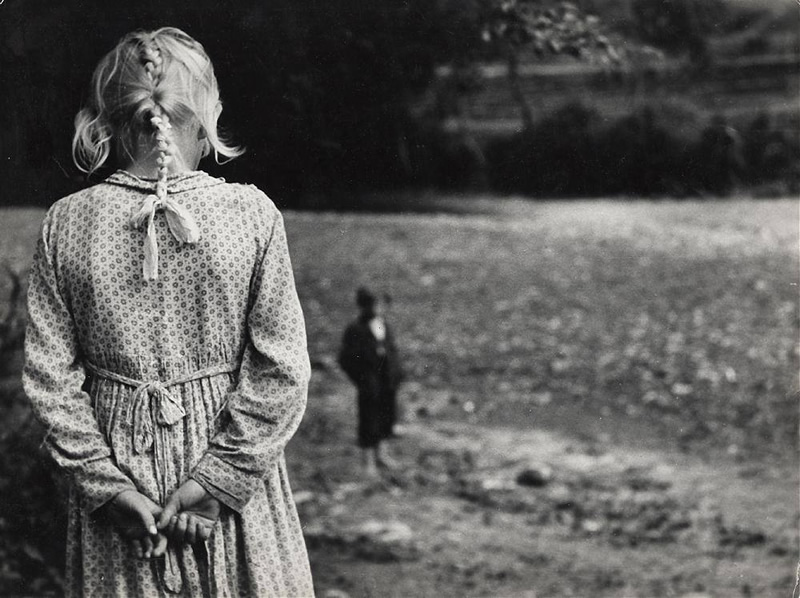
Photo By: Zofia Rydet
#30
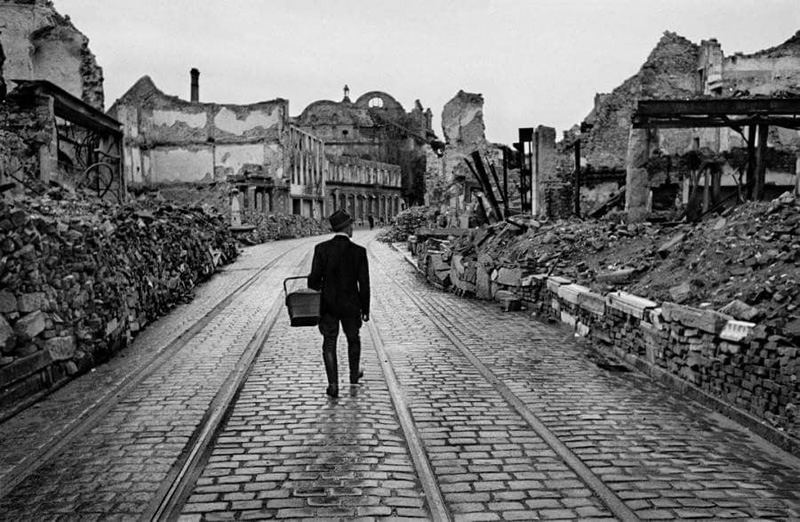
Photo By: Werner Bischoff
Why Monochrome Never Fades
Trends come and go, but black and white photography stays undefeated. It works because it’s honest, graphic, and emotionally direct. The masters understood that removing color doesn’t remove meaning—it amplifies it. These 35 iconic photos prove monochrome isn’t nostalgic. It’s eternal.
In a world drowning in color, black and white still demands attention. It slows us down. It makes us feel. And that’s why it will always matter.
#31

Photo By: Christer Stromholm
#32
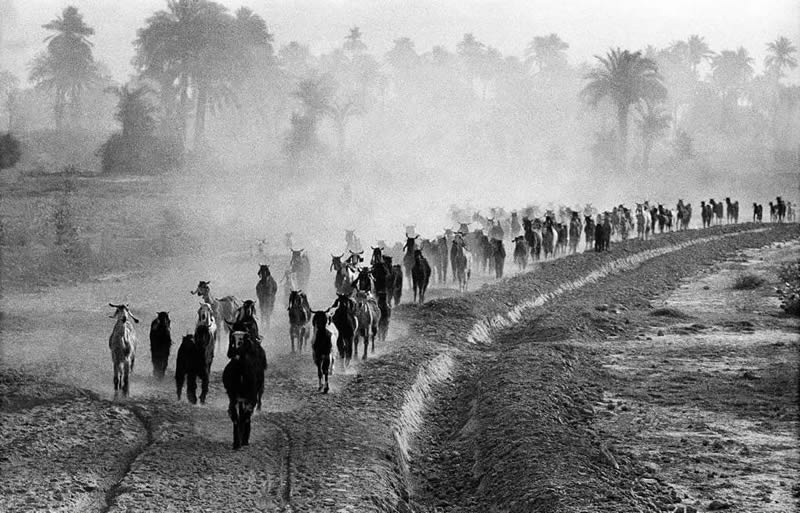
Photo By: Frank Horvat
#33
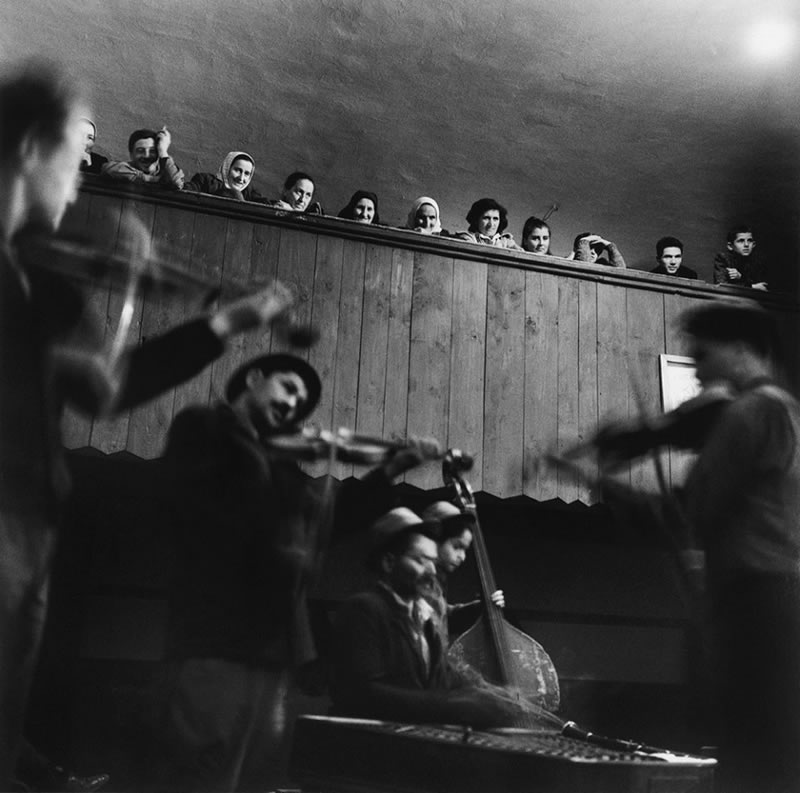
Photo By: Peter Korniss
#34
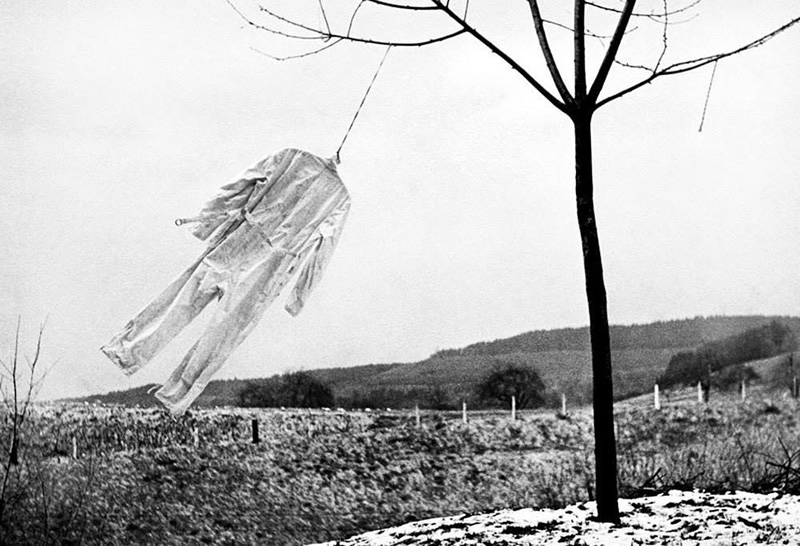
Photo By: Christer Stromholm
#35
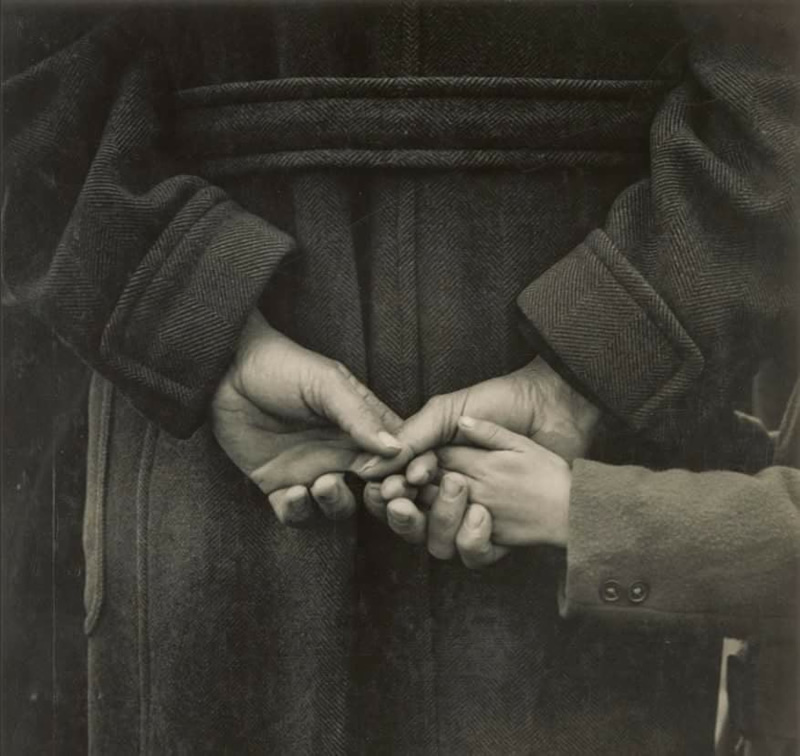
Photo By: Dorothea Lange
In Summary
What is black and white photography?
It’s photography that removes color to emphasize light, shadow, composition, and emotion.
Why are black and white photos considered timeless?
They focus on universal elements like contrast and storytelling, which don’t age.
What makes a black and white photo iconic?
Strong composition, emotional impact, decisive timing, and powerful use of light.
Do black and white photos capture everyday life well?
Yes. Monochrome elevates ordinary moments by stripping them down to their essence.
Why do legendary photographers prefer black and white?
It allows complete control over mood, focus, and visual storytelling.







 English (US) ·