Majora's Mask Gets a Sci-Fi Twist in This Cozy 2023 RPG
3 weeks ago
31
Published Aug 14, 2026, 12:30 PM EDT
Every choice becomes a card you'll play again.
Image: Northway Games/Finji
I love a time loop game. Give me an Outer Wilds, let me do a 16th replay of The Legend of Zelda: Majora’s Mask. That sense of being able to freely explore repercussions (and then getting a clean slate), of building stacked, fugue-like strategies through days lived over and over — that’s all I want in a game. That, and a good romance arc…or ten. With I Was a Teenage Exocolonist, you get all these elements. And it’s set in space. And one of your potential partners is a dog-boy? What was that last one, again?
In I Was a Teenage Exocolonist from Northway Games, you play as Sol, one of the first children born aboard a colony ship en route to the alien planet Vertumna. You age from 10 to 20 over the course of the game, and every formative event of your life — a fight with a friend, the first time you kissed someone, the worst thing that ever happened to you – gets converted into a literal playing card representing that memory. Later in the game, when you need to, say, ace a school project or survive an encounter with the planet’s wildlife, you don’t roll dice or unsheath a sword. Instead, you assemble a poker-ish hand out of your own childhood…and hope it does the trick.
It’s a strange mechanic to sit with. On a structural level, the game is arguing that you are made of what’s happened to you. As it progresses, that mechanic goes a step further. You can choose to delete your lower-level cards to make room for others as you grow — which, translated into real-life terms, means you can choose to forget things. Earlier memories like “giggling” or “crawling” get shuffled out; something potentially heavier gets swapped in. In a 2023 interview with Game Developer, designer Sarah Northway described needing something in-game that the player could look at to reinforce who they were. The deck does that, like a stat sheet or a skill tree does. But since you compile it and swap cards in and out and can (metaphorically) hold the deck in your hands, it feels more real…and more fragile.
But that’s the big-feelings message of the game. When you play, you start by picking an activity for the season — a part-time job scooping bug guts in a xenobiology lab, hanging out with other colonists, looting the edges of the map, or school. Every choice you make does lock you out of the other paths for that time period, which nudges you to specialize. You’ll obtain points by succeeding at card challenges and hitting story beats, allocate those points to stats like Rebellion or Empathy, and, as you level up, realize you have new dialogue, new activities, new people you can date, all open to you. Ignore a stat entirely, and there may or may not be entire characters you’ll never quite get to know, or storylines that you’ll never be able to experience. (There are zero life lessons here.)
Image: Northway Games / Finji
I Was a Teenage Exocolonist often crops up as a recommendation in cozy-game circles. Just as constantly, someone will reply to point out that it’s absolutely not a cozy game, since it gets into real trauma, loss, and grief. I don’t think this is a contradiction. I think a game can be cozy and difficult, comforting and devastating. I Was a Teenage Exocolonist has earned its spot in both camps; it’s cozy because the art is soft, the music is gentle, and the rhythm of daily colony life is deliberately unhurried — and it’s a story you’ll never forget, because its hardest and saddest choices don’t hold back.
You won’t forget the story, but Sol might. Finish one life, and your next, in a New Game+, begins with knowledge baked-in that you shouldn’t yet have. Sol will see shortcuts through relationships already built, or experience odd visions warning you away from dangers you’ve already stumbled into. It’s less a true new game, and closer to what The Legend of Zelda: Majora’s Mask does with its loop…just a full decade instead of three days, and a card game instead of an ocarina.
Image: Northway Games/Finji
While you can breeze through an initial run in 12-15 hours, many players sink 80, 90, 100 hours into this game. As it turns out, that “try again, but differently, and you might have more insight this time” is a concept many of us would like to see in our own lives. In I Was a Teenage Exocolonist, we can test it out.
And also, Rex is there. Who’s Rex? Rex is a fan-fave romance option. He’s also a dog-boy — and a well-written character with real insecurities. You might even end up with him, if you’re lucky. But that’s just one of the game’s 29 possible endings. That sounds like a lot, until you remember that just one decade of your one life on this one planet contains hundreds of tiny, consequential decisions. You might finish the game running the colony’s government, piloting a research vessel, or tending to your vegetable garden. No matter where your one life ends up, getting there feels so very earned — every single time you live it.
I Was a Teenage Exocolonist is available on PC, PS4, PS5, and Switch.

 3 weeks ago
31
3 weeks ago
31

 Image: Northway Games/Finji
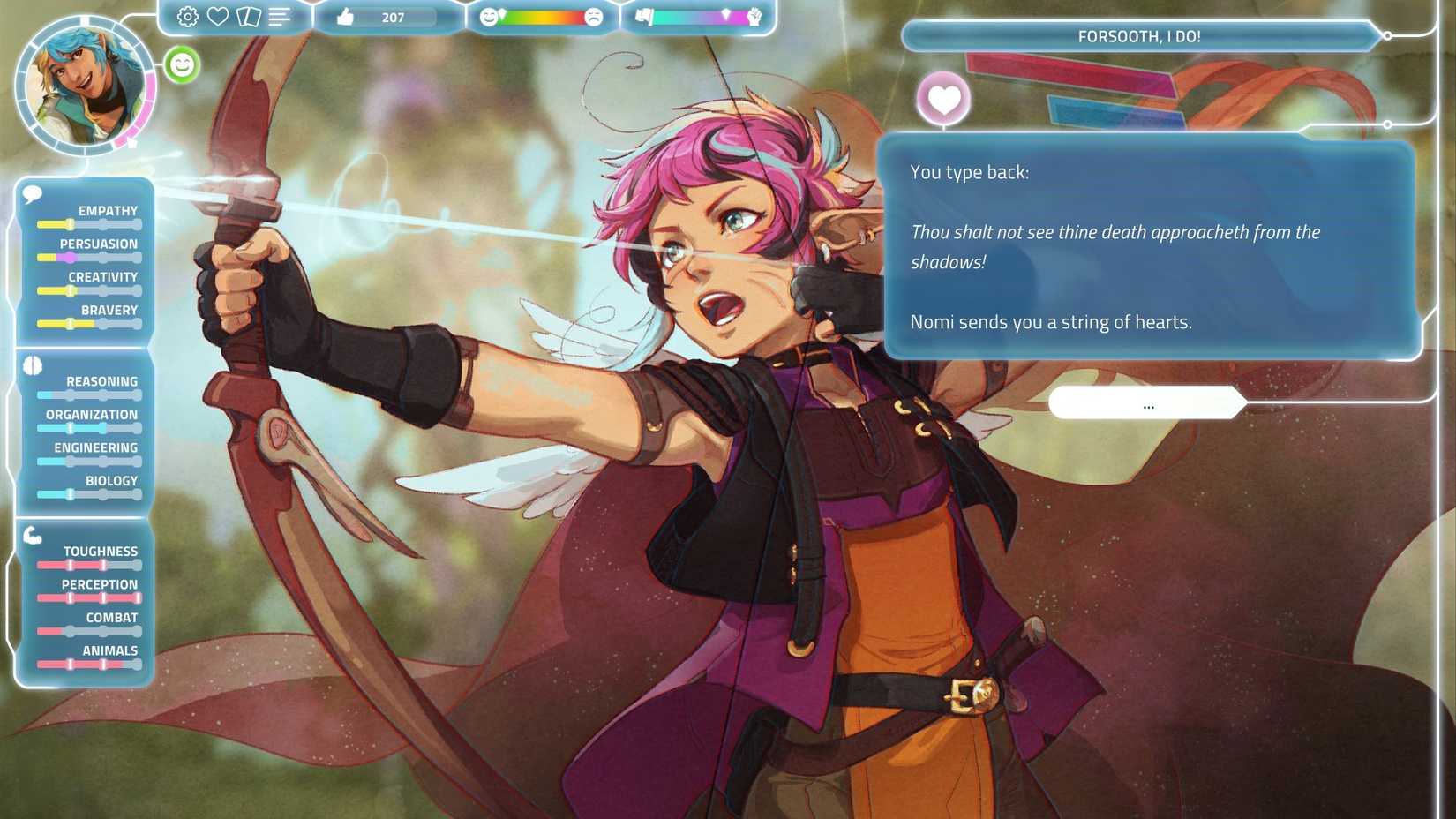 Image: Northway Games / Finji
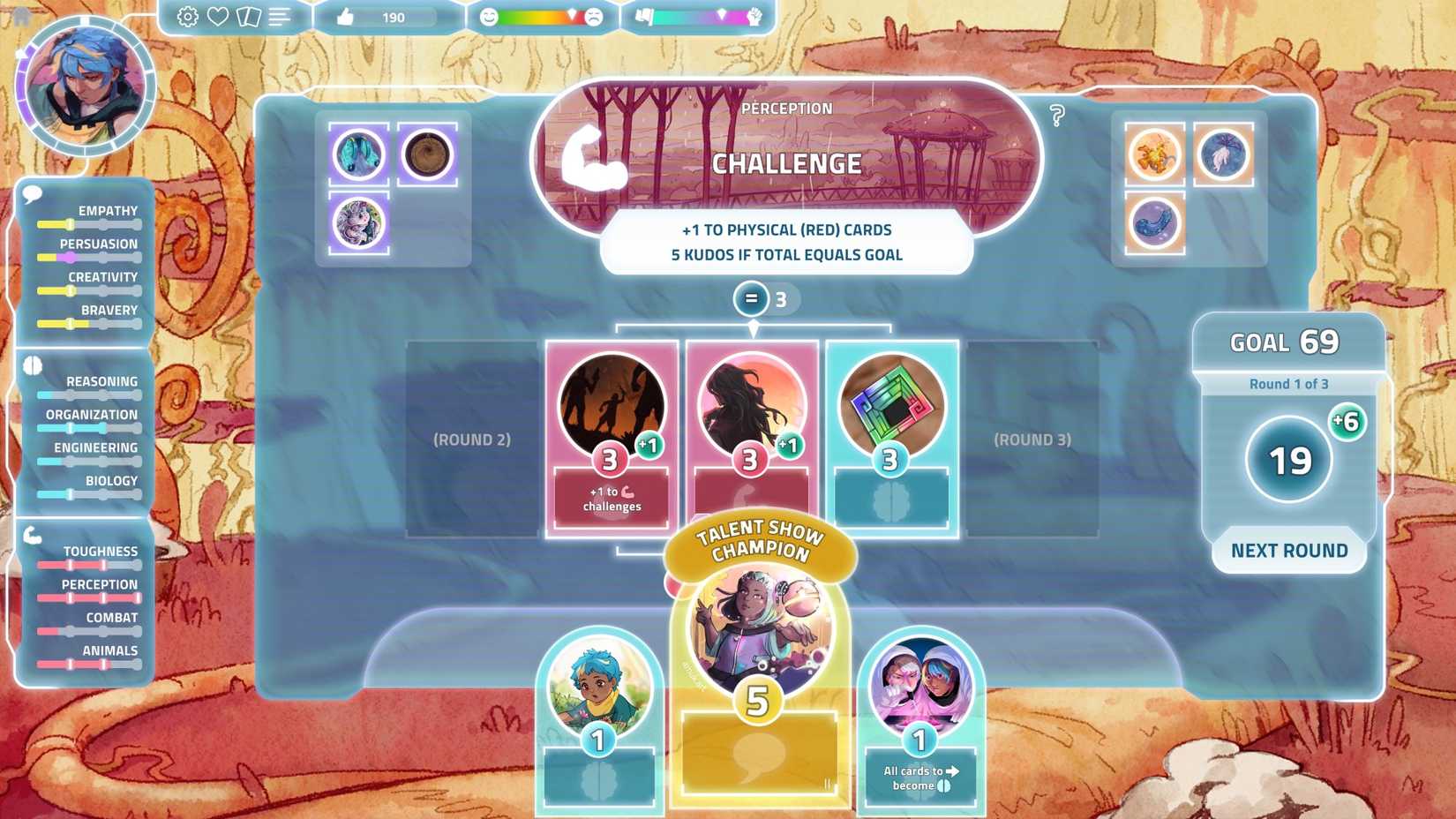 Image: Northway Games/Finji







 English (US) ·