
 3 hours ago
8
3 hours ago
8
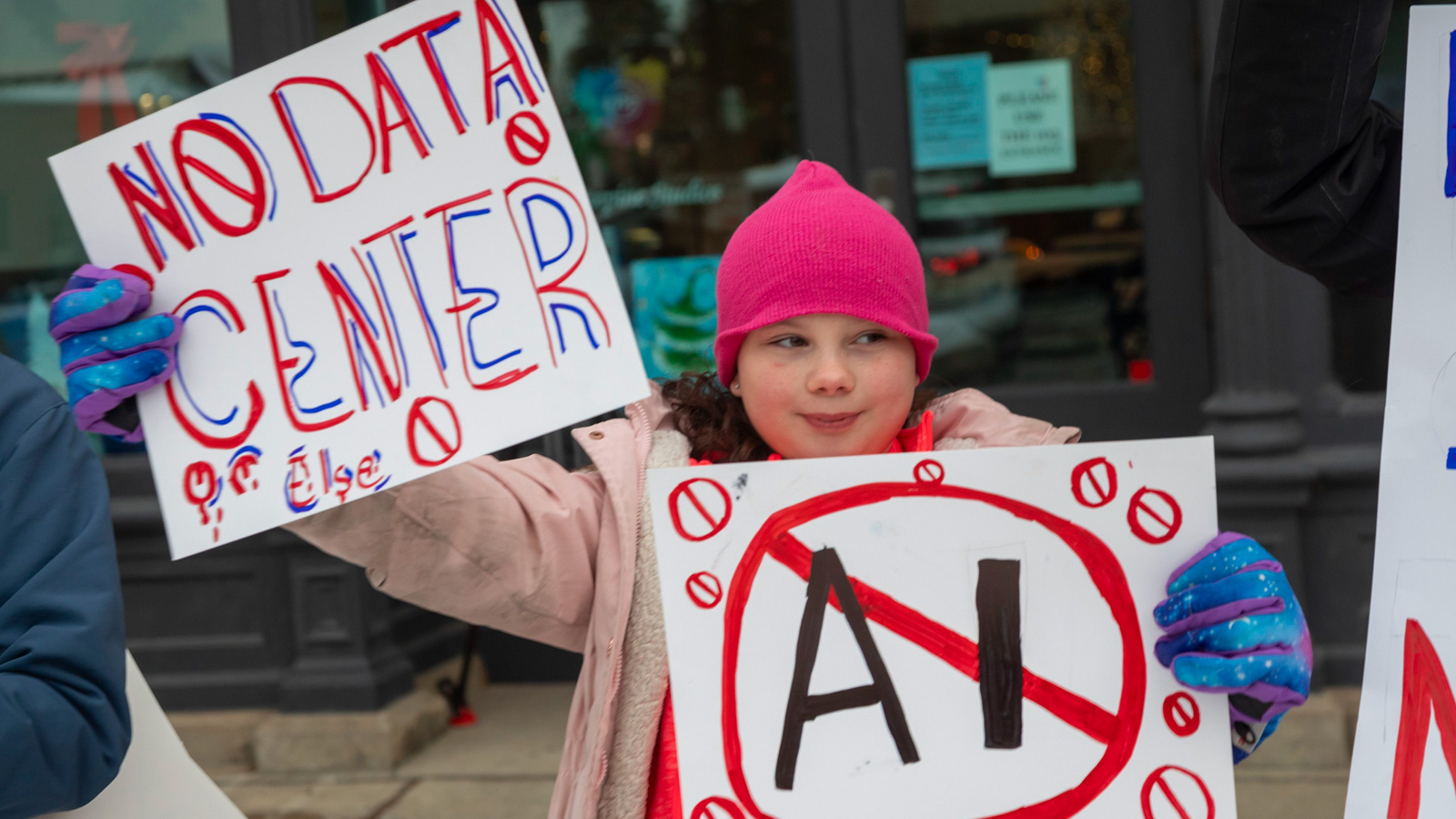
AI companies have a compute problem. As the usage of artificial intelligence is increasing among working adults in the U.S., computing power has become a precious resource that hyperscalers cannot ignore. To that end, we've seen a significant explosion in the number of planned data center projects throughout the globe. But those efforts are now facing roadblocks from local communities.
Just this week, a small town in Missouri ousted half of its city council for not doing their due diligence in protecting local communities from the harms of AI data center construction, and they're pushing to remove the rest of them, the mayor included. A resident of Claremore, Oklahoma, was arrested in February for speaking too long during a town hall meeting to discuss a data center project. In Virginia, voter support for data centers has collapsed to just 35% from 69% in 2023, halting efforts to build what would have been one of the largest data centers in the country.
Article continues below
Making small voices heard
2025's major AI infrastructure announcements carried a measure of inevitability. OpenAI was investing $100 billion here, $300 billion there, and Nvidia's chips were going to consume tens of gigawatts of power the world over. Regardless of all the talk of circular investments surrounding these companies, the projects were going to go ahead, regardless. Politicians fawned over the big numbers and the growth potential these major companies would bring to their local areas.
But while these data center projects might promise temporary construction jobs and investment in local communities, they also bring the potential for water contamination, skyrocketing energy prices, and even air pollution as companies ship in 'illegal' gas turbines just to get the servers up and running.
So, local communities have pushed back in major ways. Where their local politicians would listen, they worked with them to halt these projects in their tracks. In Maine, Reuters reports that lawmakers recently passed a bill that would place a moratorium on new data centers over 20 megawatts in power being constructed until October 2027, giving time to conduct analyses on the construction process and how it might affect local communities and utilities.
The Tulsa City Council ultimately issued a temporary moratorium on data center construction through the end of the year. A San Marcos city council voted in February to reject a rezoning effort that would have cleared the way to build a 200-megawatt data center next to a local power station.
Parks over data centers
Some of the voices calling for these data centers to be built are quite persuasive. Lawmakers argue that the projects can bring in tens of millions of dollars in local tax revenue, which could help unlock laundry lists of long-wished-for projects. Union construction workers are keen to see these multi-year megaprojects go ahead because of the guaranteed long-term work for their members.
Developers are also claiming that fears of water contamination are unfounded and that noise pollution can also be kept to a minimum. Some companies, like Meta, are even bolstering their efforts by announcing small-scale grants for projects near their data centers.
In a rural Brown County village, residents started getting offers of up to $120,000 per acre of land to sell up to a Delaware-based LLC linked with Cloverleaf Infrastructure, a company linked with another data center development in Port Washington, which has also received heavy local pushback. They didn't sell up, though, and Cloverleaf has since pulled out of the project entirely.
In New Brunswick, a 22-acre site was under consideration for a data center project, but following fierce local pushback, the town council modified the proposal to mandate that a park be constructed instead.
Determined opposition
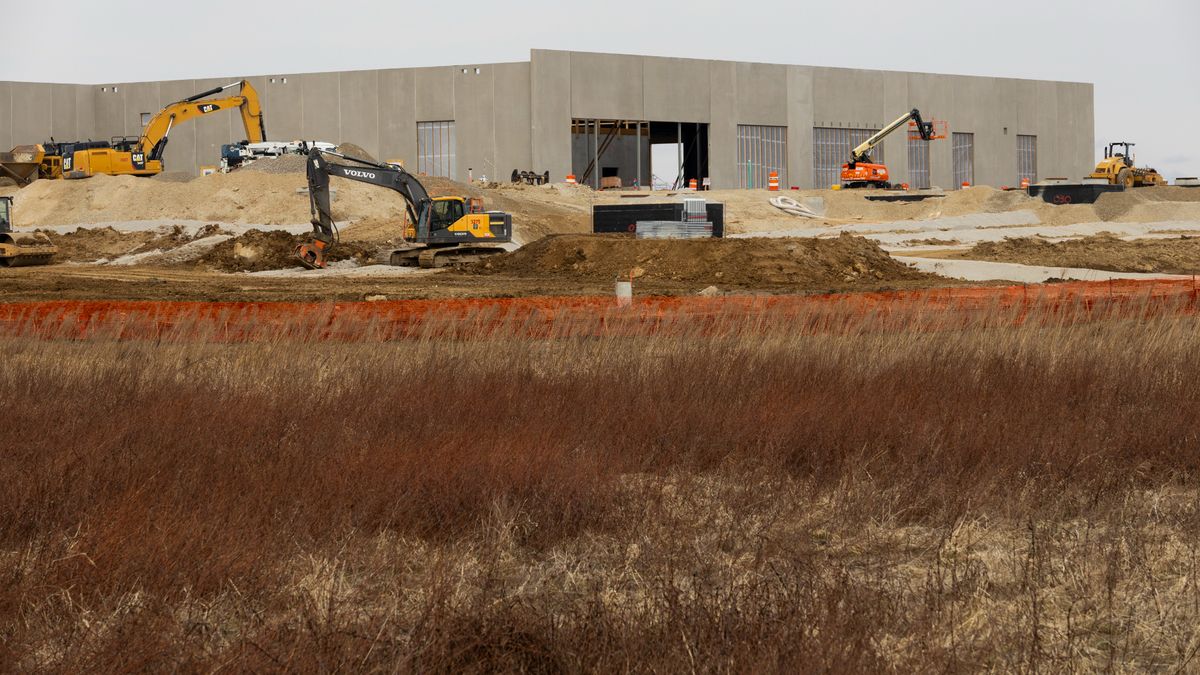
The pushback against these projects has been robust and coordinated, with often sizeable portions of local communities speaking at local events and town halls to voice their concerns. They aren't always successful, but even then, the opposition is fierce and ongoing, with residents showing a real willingness to continue fighting with projects even after construction has started.
A major component of that is political retribution. The town councils and other local political figures who allowed projects to continue will be up for election before long. One resident of Calvert County, whose commissioners didn't vote through a moratorium on data center construction, waved goodbye to them from the microphone, prompting cheers.
“You’re not going [to] be here anymore,” she told them, as the Washington Post reported. “You’re out. You’re gone." With primaries for elections of those positions in June, it may not take long for voter intention to be felt by those currently representing them.
In the most violent examples of anti-AI pushback, OpenAI CEO Sam Altman's home was fire bombed, and a council member in Indianapolis received a threatening note and bullet holes in his home after voting through a data center project.
Part of the public's ire surrounding Artificial Intelligence, and the data centers which support the industry, is that the technology is also becoming a scapegoat for job losses, as OpenAI's Sam Altman warned earlier this month. In the most recent example, the tech industry laid off almost 80,000 workers in the first quarter of 2026, with almost half of the expected positions cut, due to the reported impact of AI.
Despite the wide public feedback, some lawmakers are onside with working hand-in-hand with local communities, ensuring their views are taken into consideration while plans are being made. However, if governments ignore them, the public response could plunge hyperscaler plans into jeopardy.







 English (US) ·