
 3 weeks ago
52
3 weeks ago
52
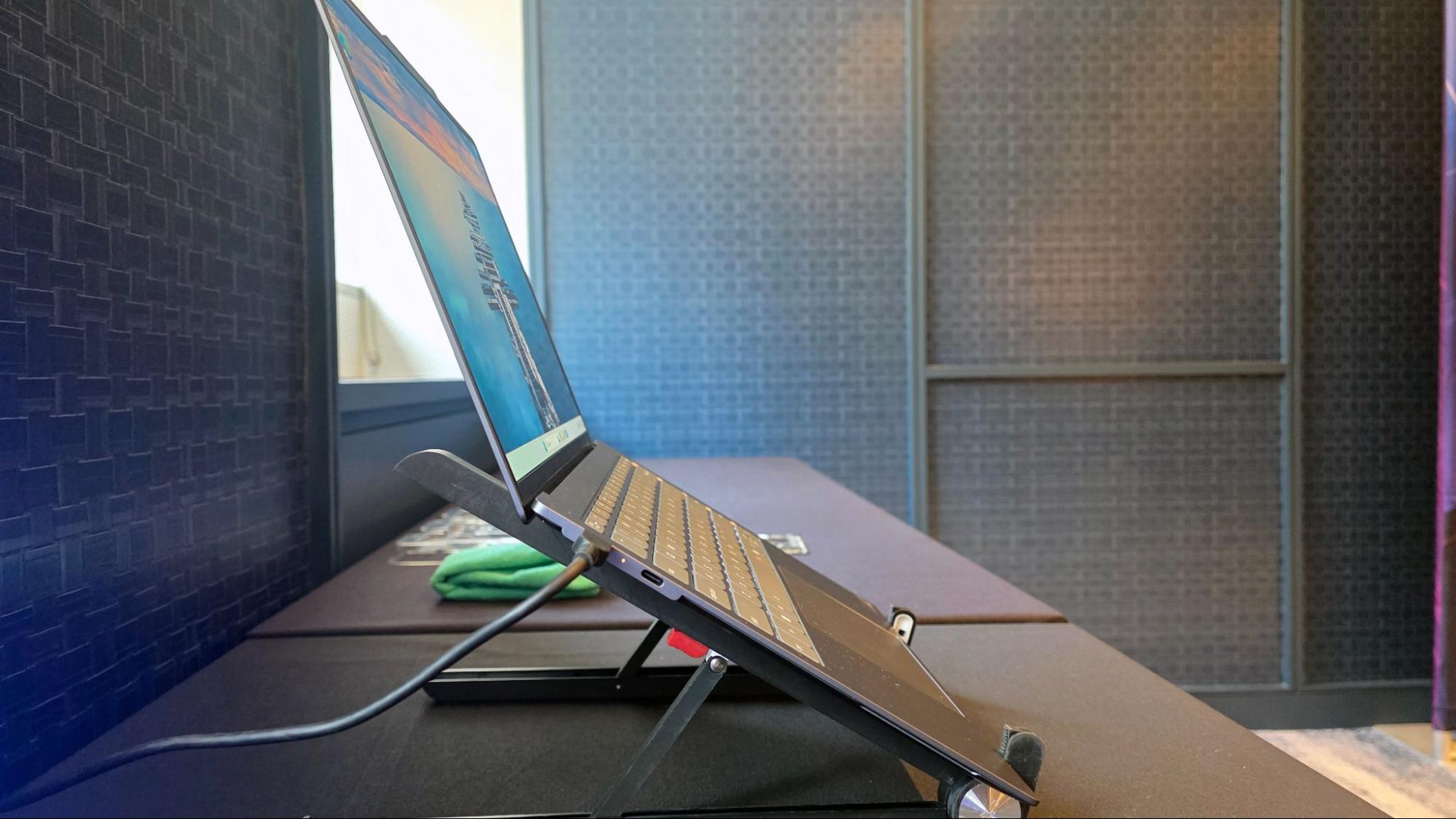
Lenovo has a history of bringing concept laptops to the IFA trade show in Berlin, and this year’s pair are all about improving productivity and portability. They also feel closer to something you might actually buy than some concepts we’ve seen in the past.
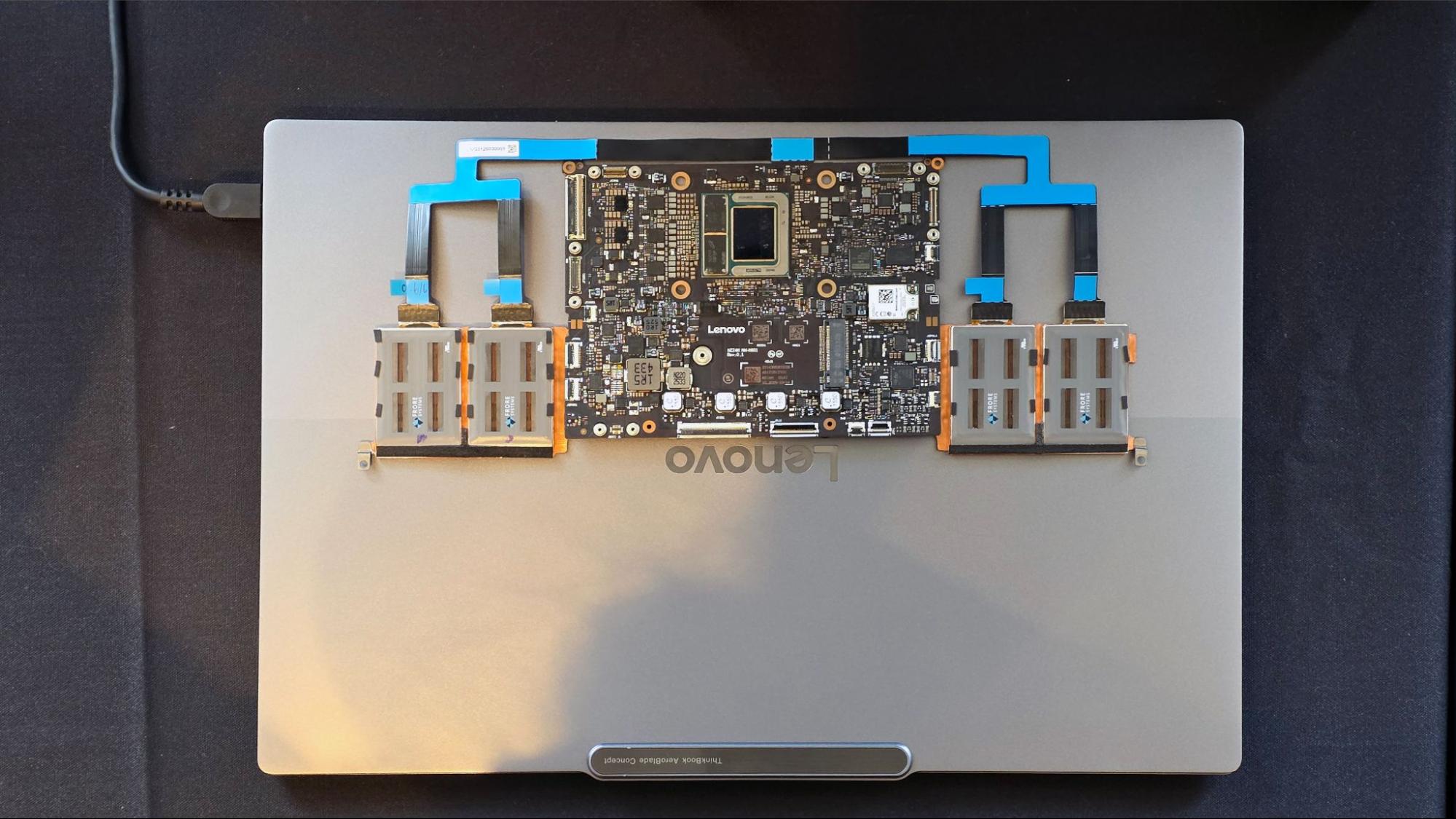
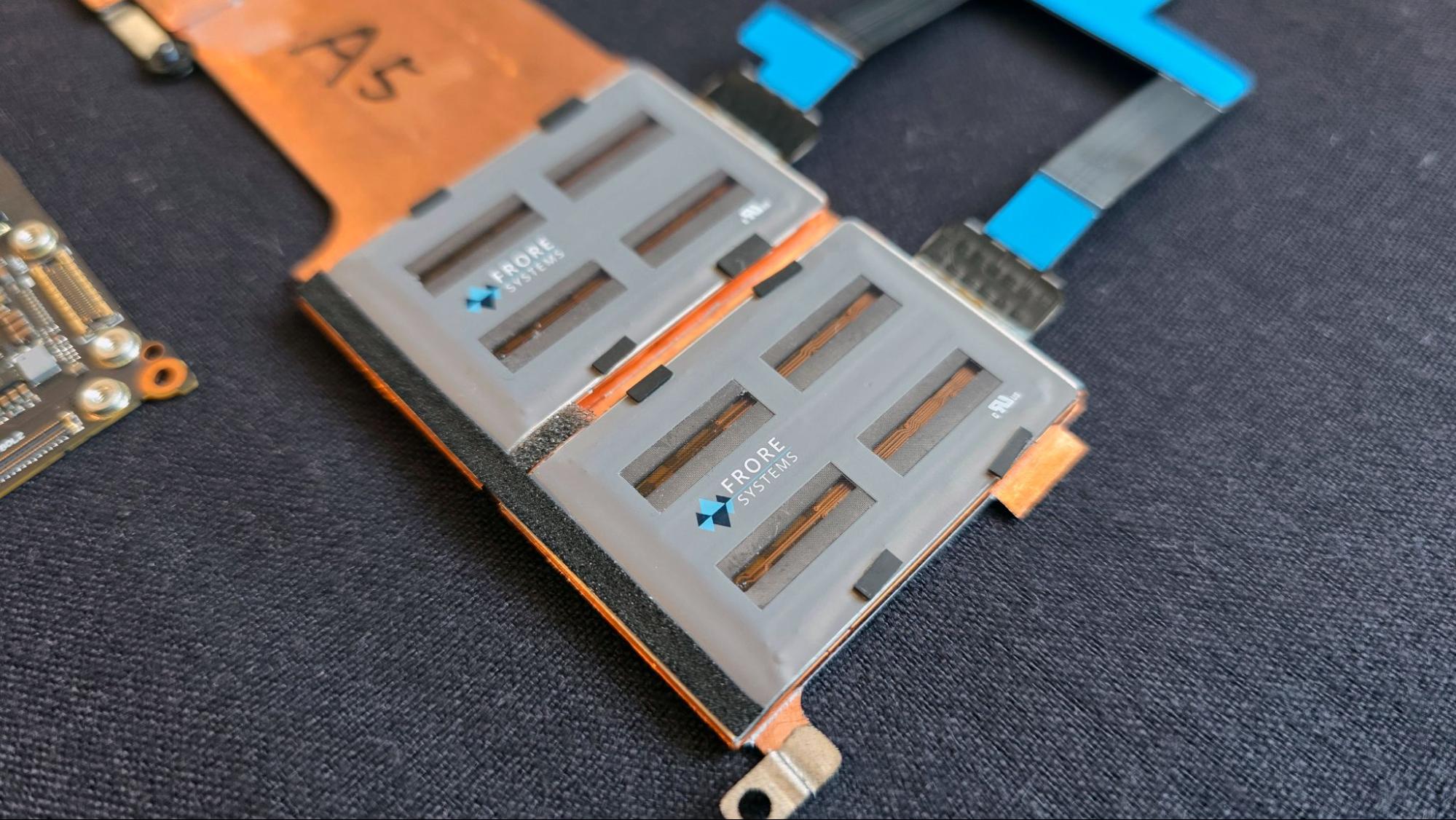
First up, Project AeroBlade is a 14-inch laptop where, as the company’s press release puts it, “every component is re-engineered around mobility.” For starters, the laptop foregoes fans in favor of Frore Systems’ AirJet solid-state cooling tech, which uses piezoelectric membranes that vibrate ultrasonically, beyond the range of human hearing. There are four AirJet Mini modules here, which is three more than the single AirJet Mini we saw in Intel’s Wildcat Lake reference design back at Computex earlier this year. That should mean much better sustained performance than we’ve seen from passively cooled PCs in the past.
Frore System’s latest AirJet Mini modules are rated to dissipate 7.5 watts of heat, giving the AeroBlade laptop 30 watts of active heat dissipation. This pairs well with the 17-30W-TDP Intel Lunar Lake silicon Lenovo is using in this concept. The more recent Wildcat Lake chips are rated from 15-35W, so should also fare reasonably well with a similar solid-state cooling setup.
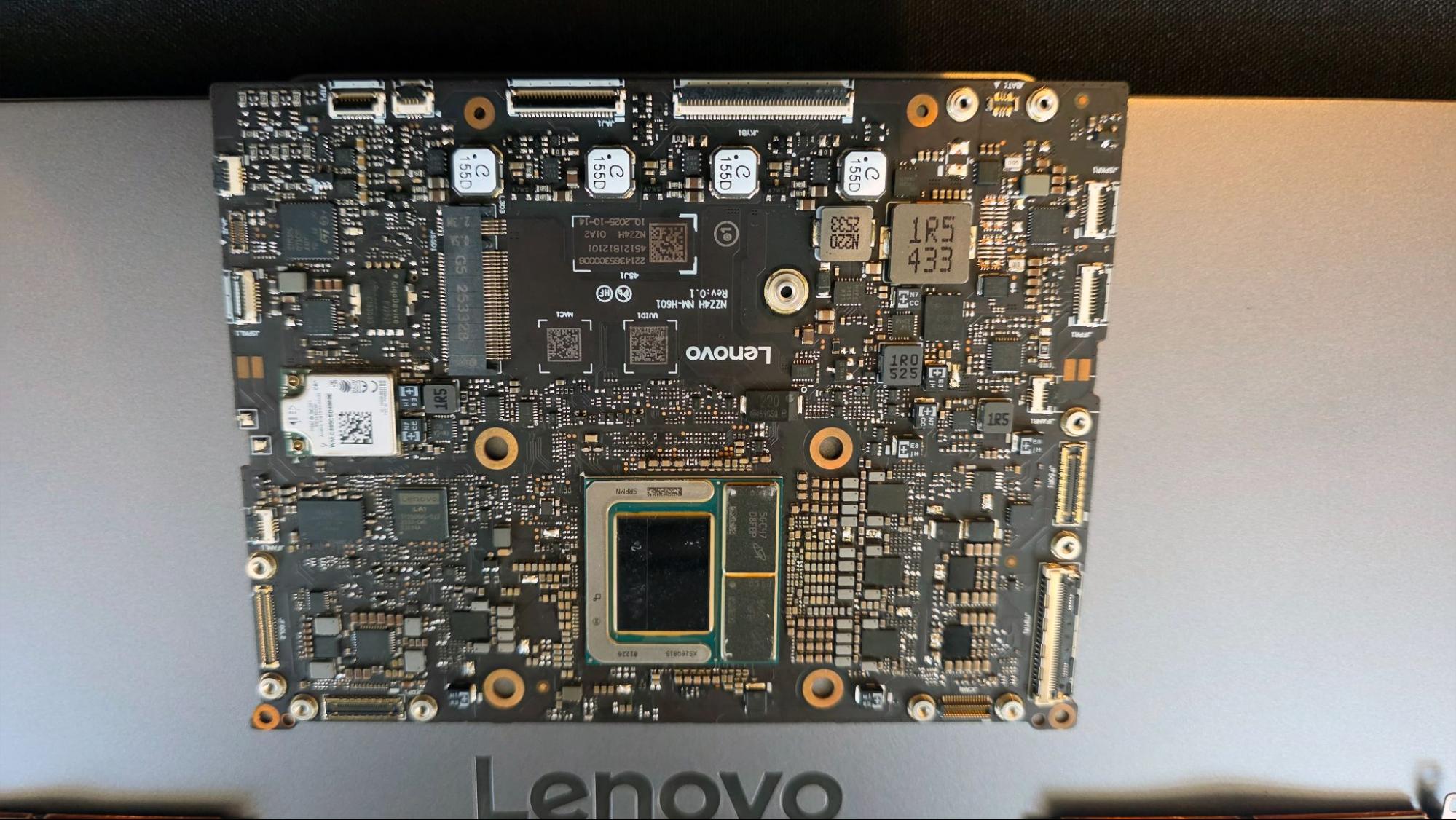
Project AeroBlade also uses a tiny motherboard, which, along with a magnesium-aluminum frame, results in a laptop that is just 0.39 inches (10 mm) thick and weighs less than 1.83 pounds (830 grams). The slimness means you’ll have to live on USB-C /Thunderbolt 4 ports alone, but the laptop includes three of them, along with an OLED screen and Wi-Fi 7.
The company is using Intel’s Lunar Lake here, but of course, if the concepts behind this design eventually become a laptop you can buy, it will ship with a more modern CPU. I’d love to see what kind of performance and battery life Wildcat or Panther Lake could deliver in this svelte laptop form factor.
Image 1 of 2
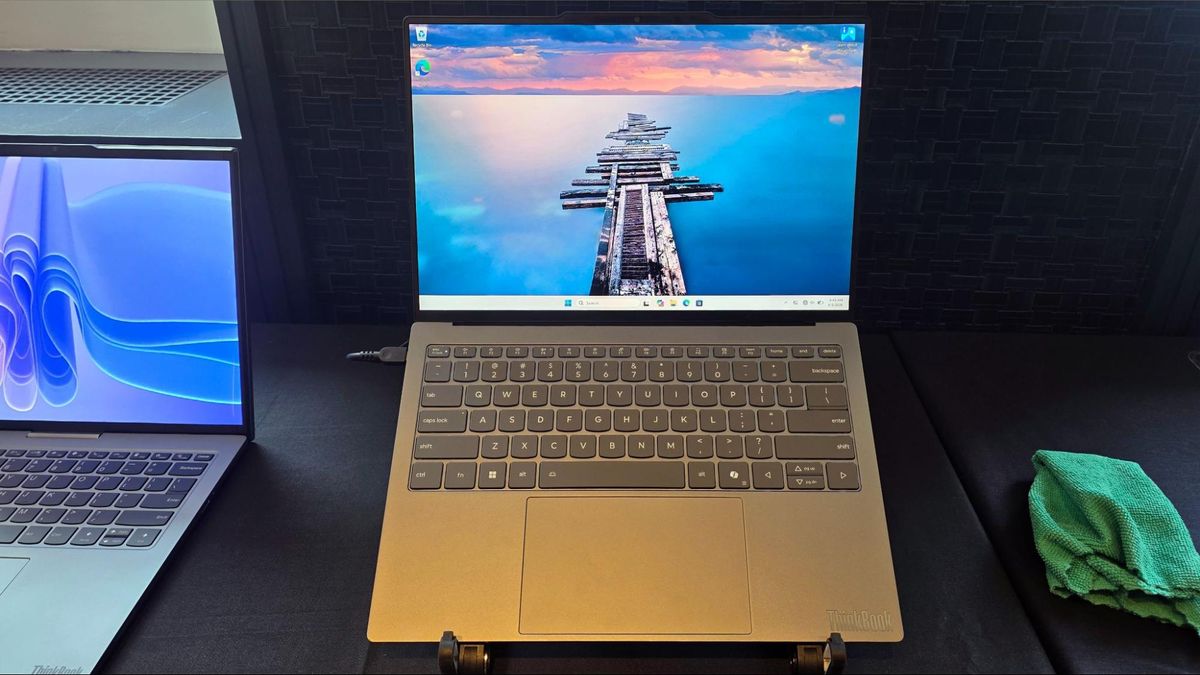
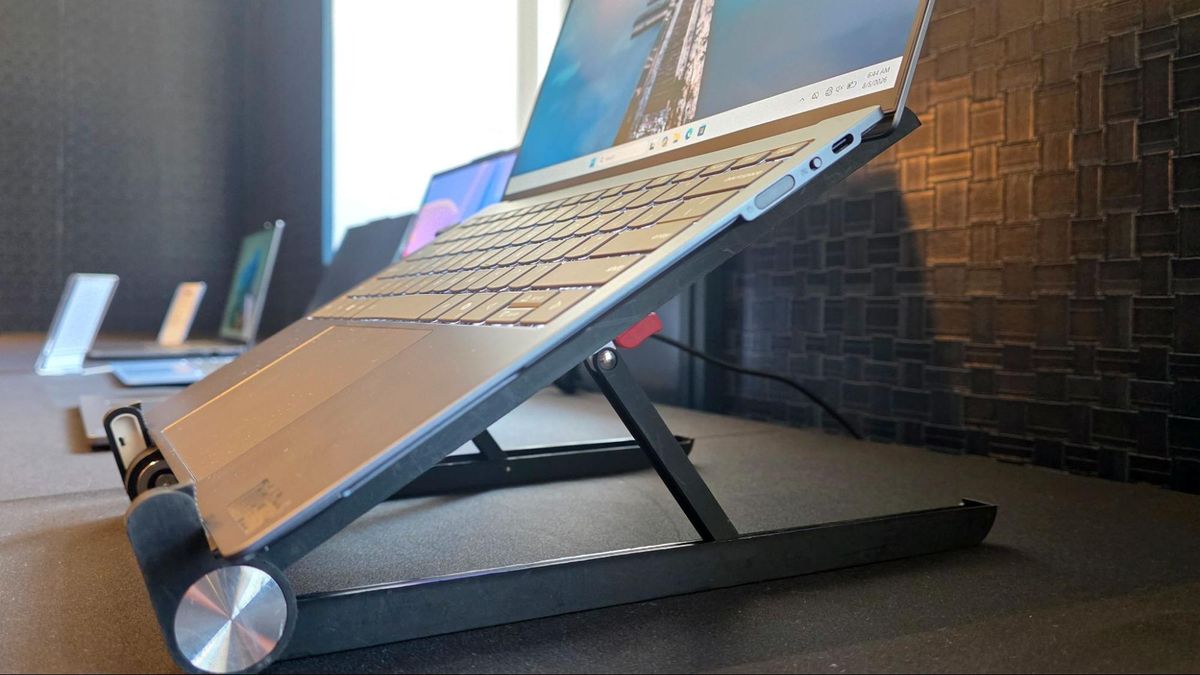
The company is using Intel’s Lunar Lake here, but of course, if the concepts behind this design eventually become a laptop you can buy, it will ship with a more modern CPU. I’d love to see what kind of performance and battery life Wildcat or Panther Lake could deliver in this svelte laptop form factor.
A 17-inch screen in a 14-inch laptop
Image 1 of 2
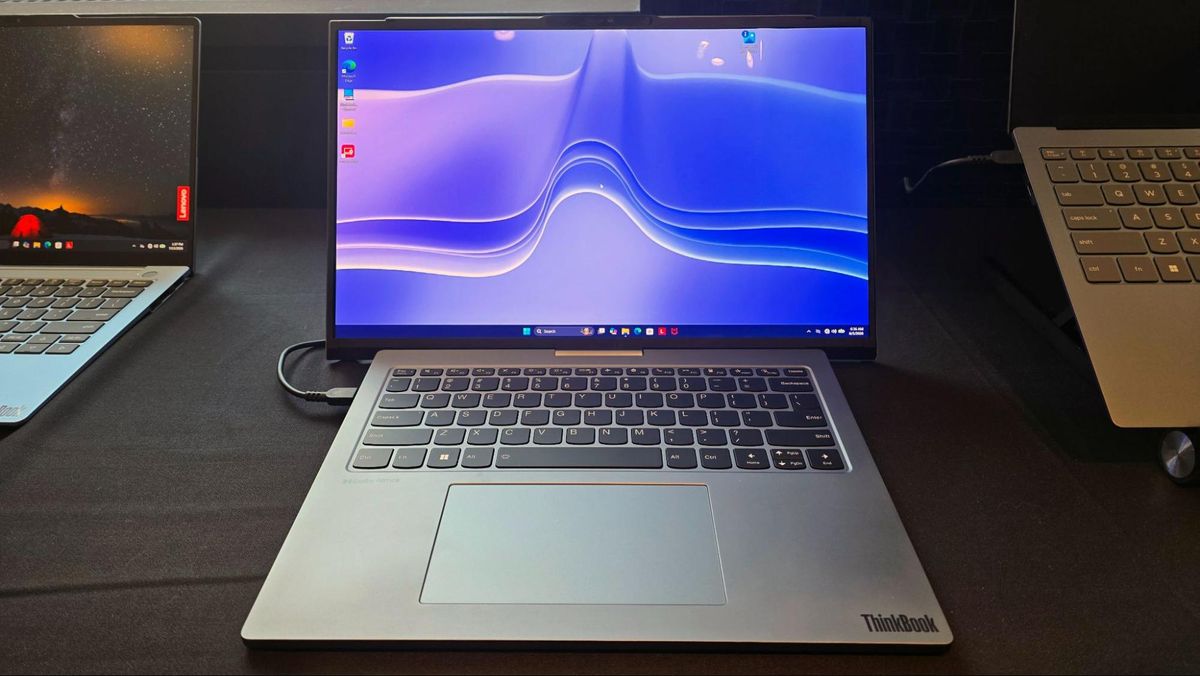
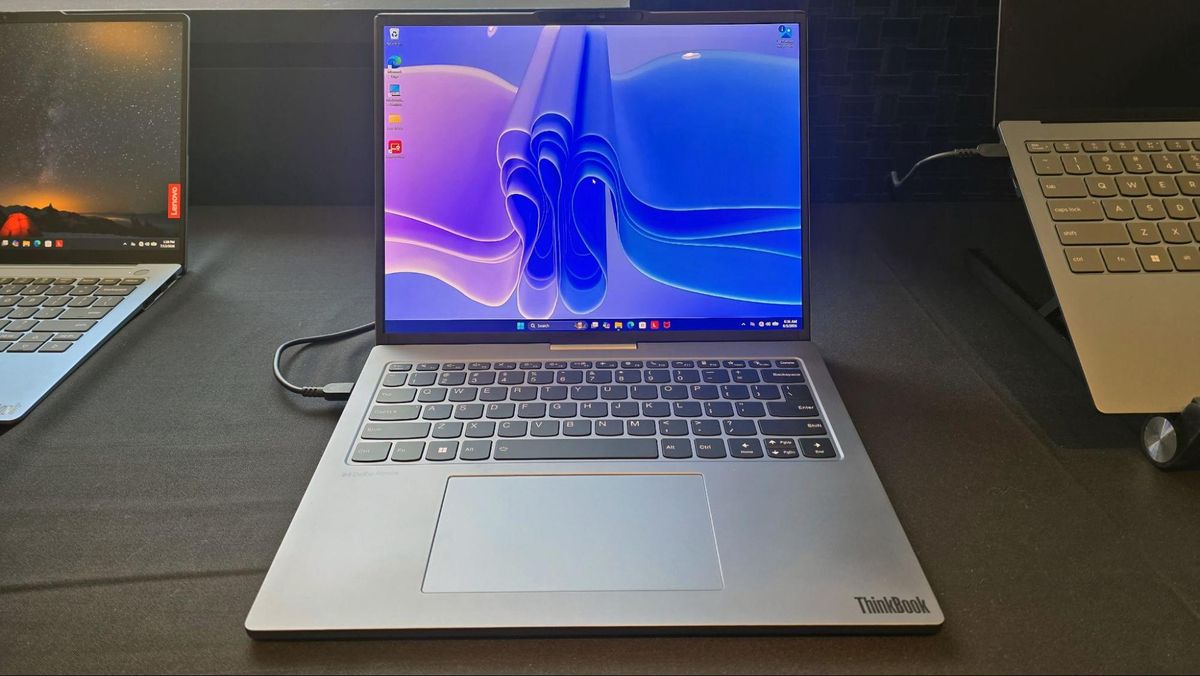
Project Swan sees Lenovo return to its rollable-screen ambitions, this time with a concept that at once feels more modest, mainstream, and achievable than previous attempts. Housed in a mostly standard-looking 14-inch ThinkBook chassis, the screen expands at the press of a button into a 17-inch, 16:9 display with a 2850 x 1672 resolution. That’s not quite 16:9, but there’s likely some small amount of the rollable OLED display that remains off the visible screen in this concept design.
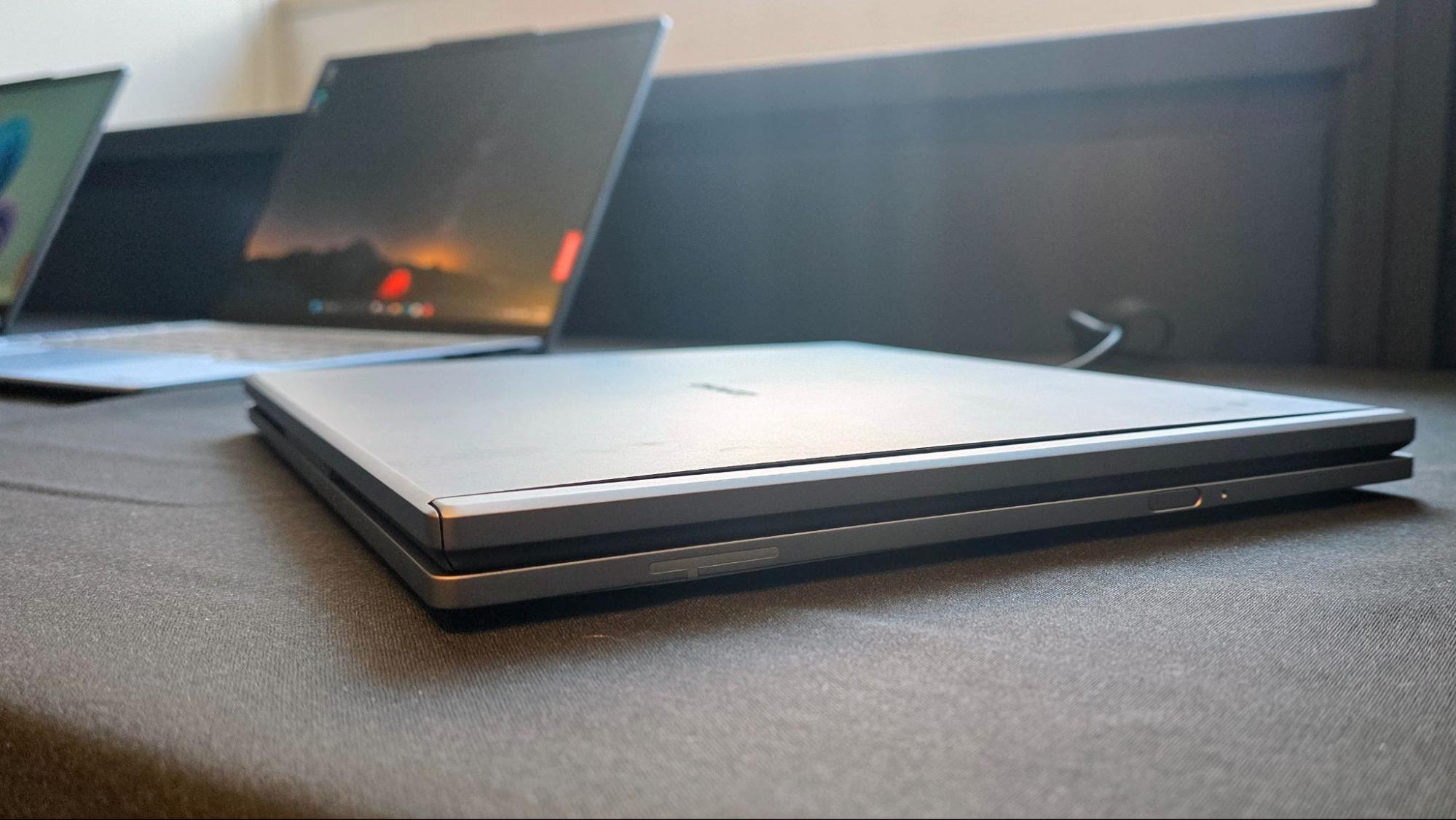
As you would expect, this isn’t the thinnest or lightest 14-inch laptop, weighing in at 3.53 pounds (1.6kg) and measuring 0.7 inches (17.9 mm) thick. The extra bulk lives in the lid, which needs to house the rollable display mechanism, as well as bezels that expand out the sides. As is usually the case with these devices, the motor mechanism is louder than would likely be acceptable in a finished product, but at least it worked flawlessly during several open and close cycles – which is not always the case with concepts like this.
Hopefully Lenovo can shrink the required screen hardware slightly if a version of this design gets incorporated into a laptop you can actually buy. Because while I don’t love the extra bulk, the idea of a compact 14-inch laptop that can give me a 17-inch screen on the go is very appealing.

Follow Tom's Hardware on Google News, or add us as a preferred source, to get our latest news, analysis, & reviews in your feeds.




 English (US) ·