
 3 weeks ago
27
3 weeks ago
27
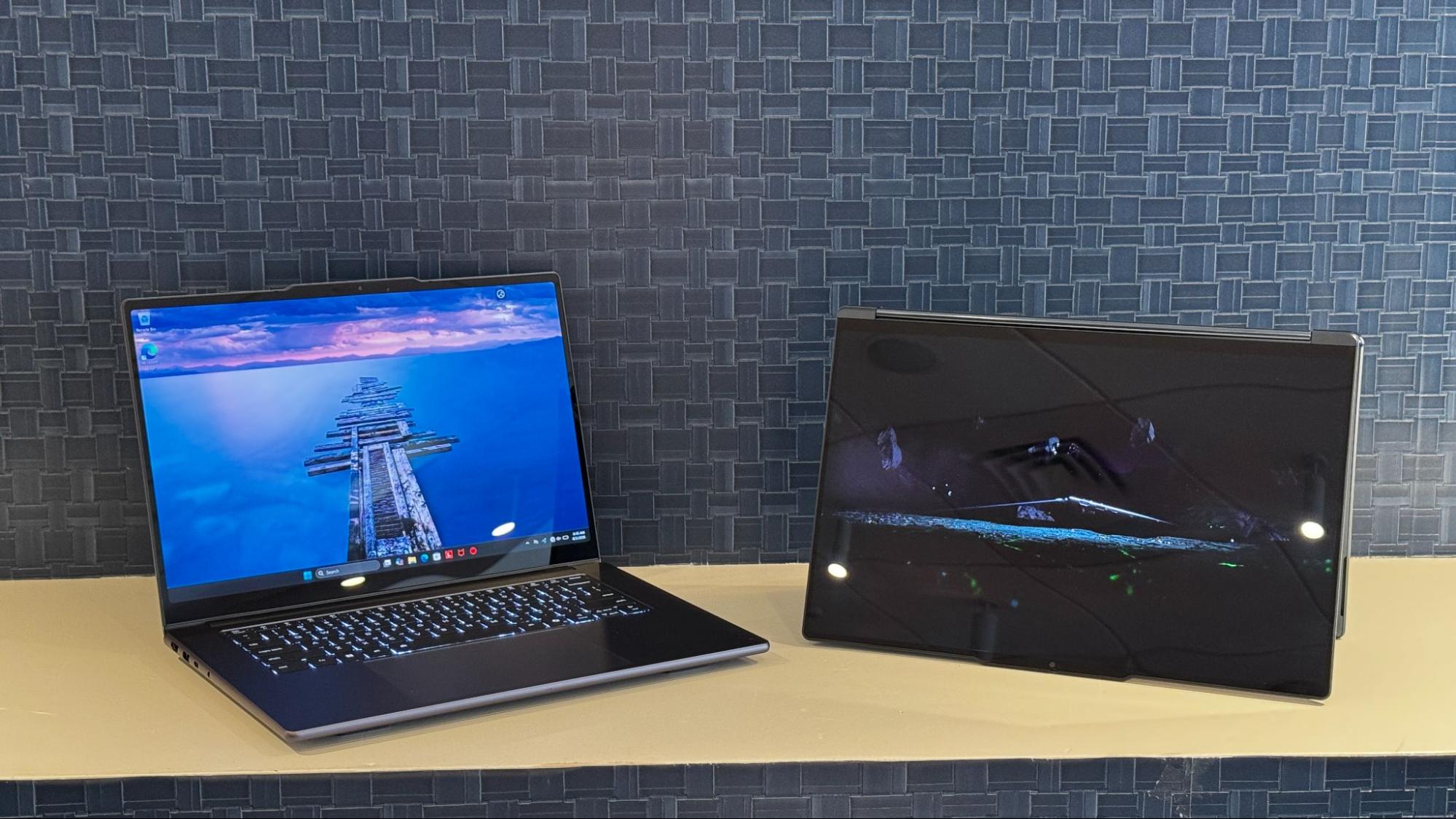
Lenovo is providing a full spec list for the Yoga Pro 9n, the Nvidia RTX Spark-powered laptop it announced at Computex, and has a second Spark system ahead of IFA: the Yoga 9n 2-in-1, a 16-inch convertible.
Both systems are listed as using Grace CPUs with up to 20 Cores and Blackwell RTX graphics with up to 6,144 cores, suggesting there will be multiple RTX Spark chips to choose from for both systems. While the 2-in-1 will top out at 64GB of unified memory, the clamshell Yoga Pro will go up to 128GB. It's also notable that the 2-in-1 will use seemingly lower-end QLC storage, while that's not mentioned in the Pro specs. We also know that the 15-inch Pro will have up to 80W TDP, one of the first official TDPs we've heard for an RTX Spark system (we don't yet know that information for the 2-in-1).
Swipe to scroll horizontally
| Row 0 - Cell 0 | Lenovo Yoga Pro 9n (15-inch, 11) |
Lenovo Yoga 9n 2-in-1 (16-inch, 11) |
CPU |
Nvidia RTX Spark — Grace CPU with up to 20 cores |
Nvidia RTX Spark — Grace CPU with up to 20 cores |
GPU |
Nvidia Blackwell RTX GPU with up to 6,144-cores (integrated) |
Nvidia Blackwell RTX GPU with up to 6,144-cores (integrated) |
Memory |
Up to 128GB LPDDR5x-9400 |
Up to 64GB LPDDR5x-9400 |
Storage |
2 SSD Slots, Up to 4TB total storage Up to 512GB or 1TB PCIe Gen 4 SSD (M.2 2242) in slot 1 |
Up to 2TB PCIe SSD Gen 4 QLC M.2 2242 |
Display |
15.3-inch, 2560 × 1600, 48-165Hz, VRR, 16:10, PureSight Pro OLED, 1100 nits peak brightness (HDR) |
16-inch 2880 x 1800, 30-120Hz, VRR, 16:10, PureSight Pro OLED, 1,100 nits peak brightness (HDR) |
Battery |
92.5 WHr |
99.9 WHr |
Networking |
Wi-Fi 7, Bluetooth 5.4 |
Wi-Fi 7, Bluetooth 5.4 |
Weight |
3.64 pounds (1.65 kg) |
4.28 pounds (1.94 kg) |
Webcam |
9.2MP MIPI, IR |
9.2MP MIPI, IR |
Operating System |
Windows 11 |
Windows 11 |
Both are also pushing 9.2-megapixel cameras that connect directly to the processor, as well as the latest Wi-FI standards. The Yoga Pro 9n has a 15.3-inch, 2560 x 1600 OLED screen that sports variable refresh from 48 - 165 Hz, while the 2-in-1 has a larger 16-inch OLED screen at 2880 x 1800 and 30 - 120 Hz.
Image 1 of 5
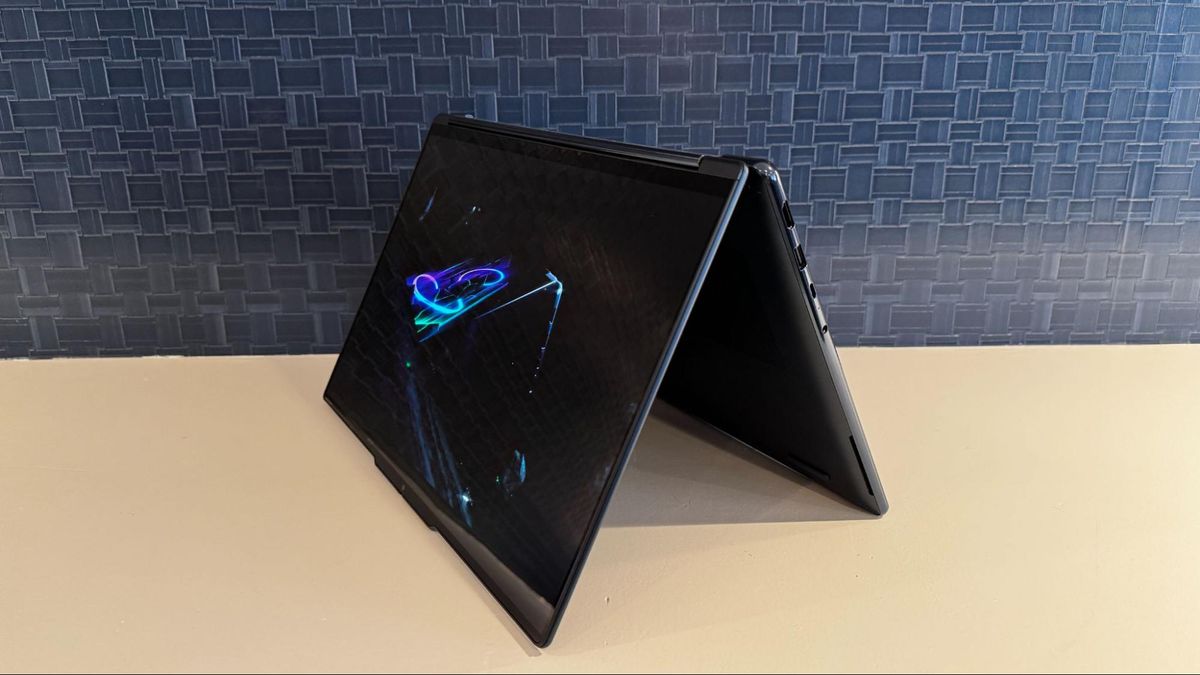
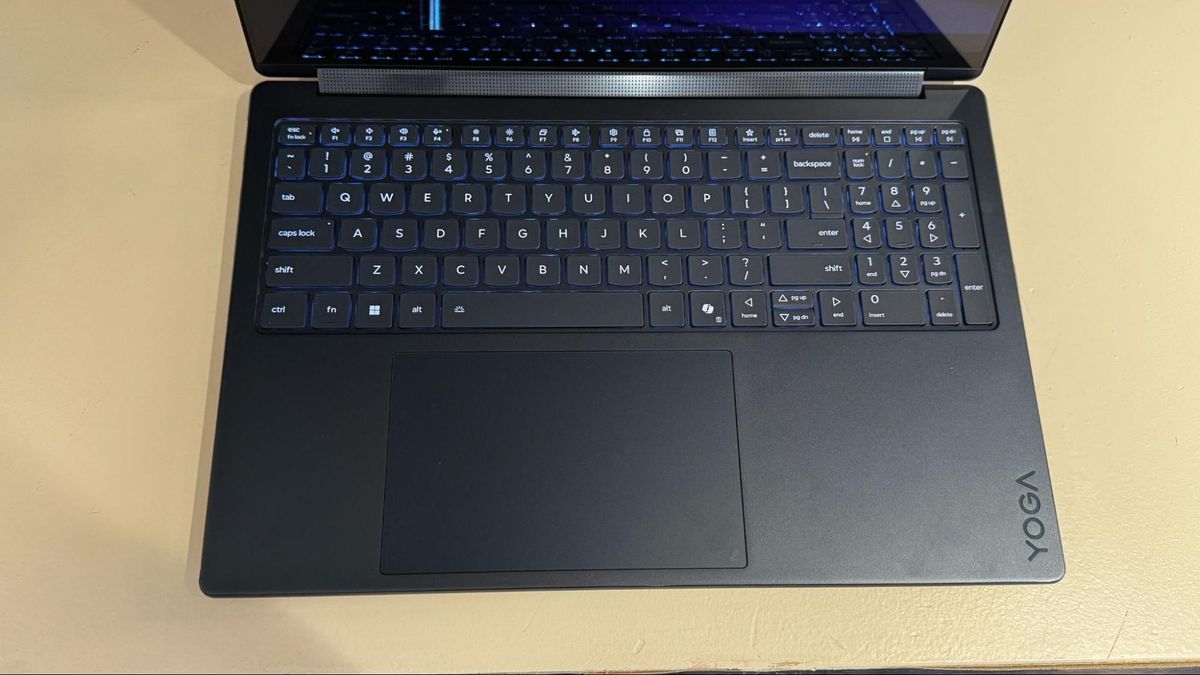
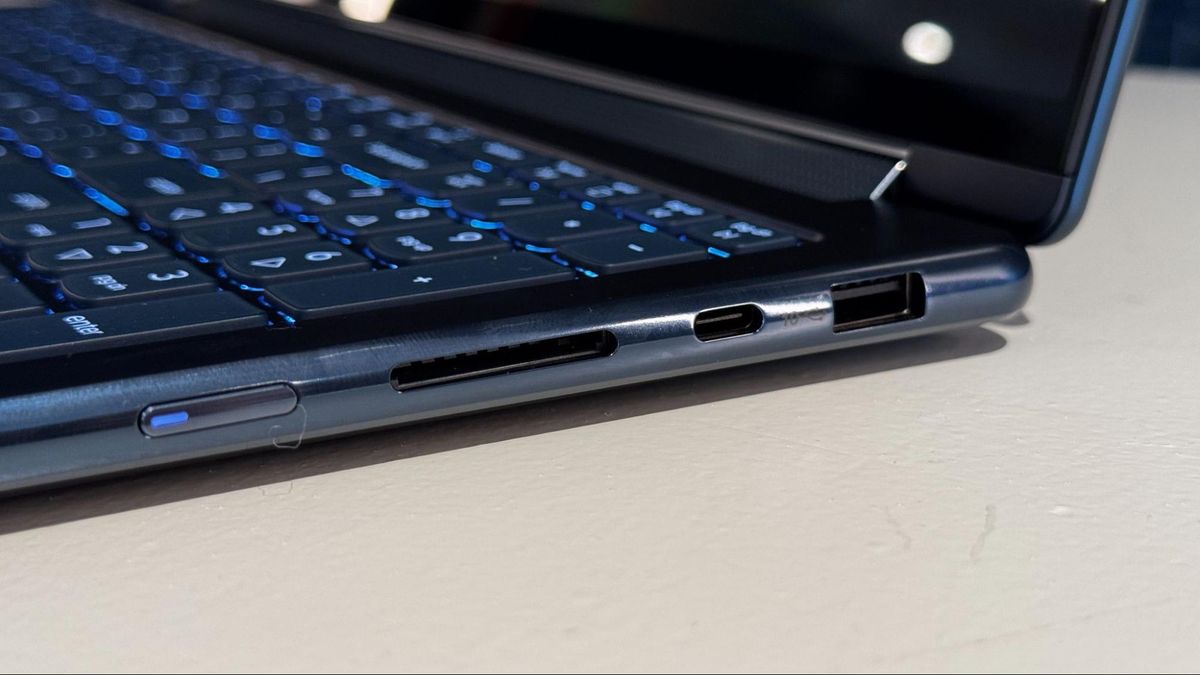
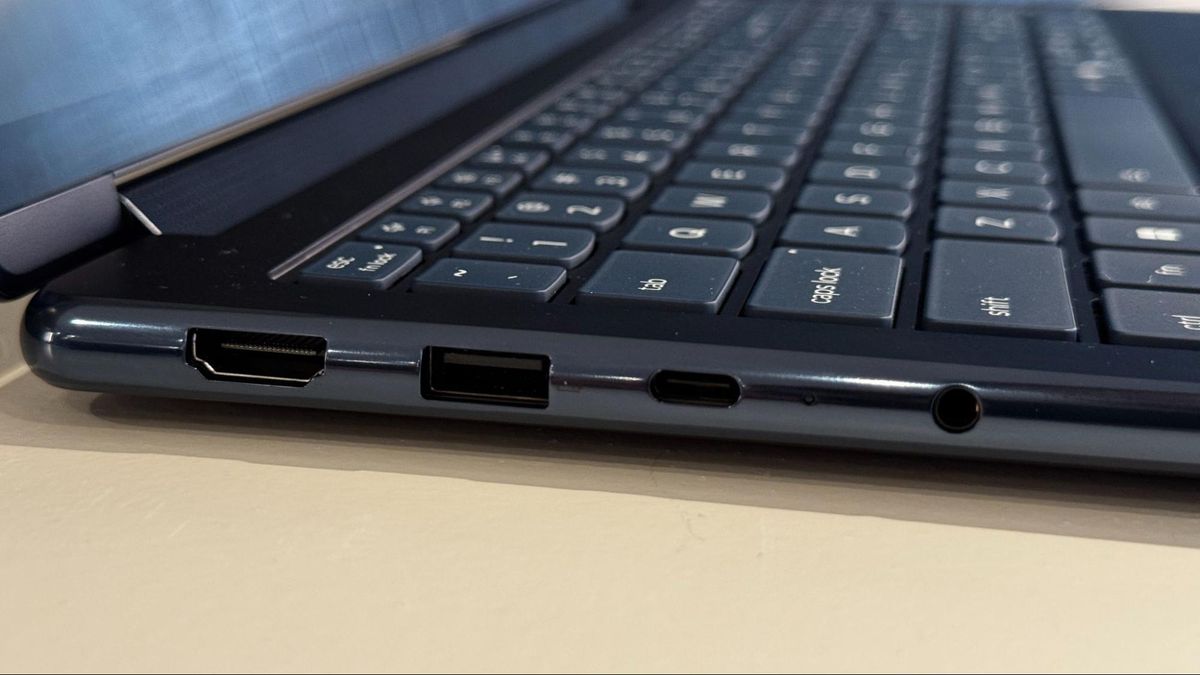
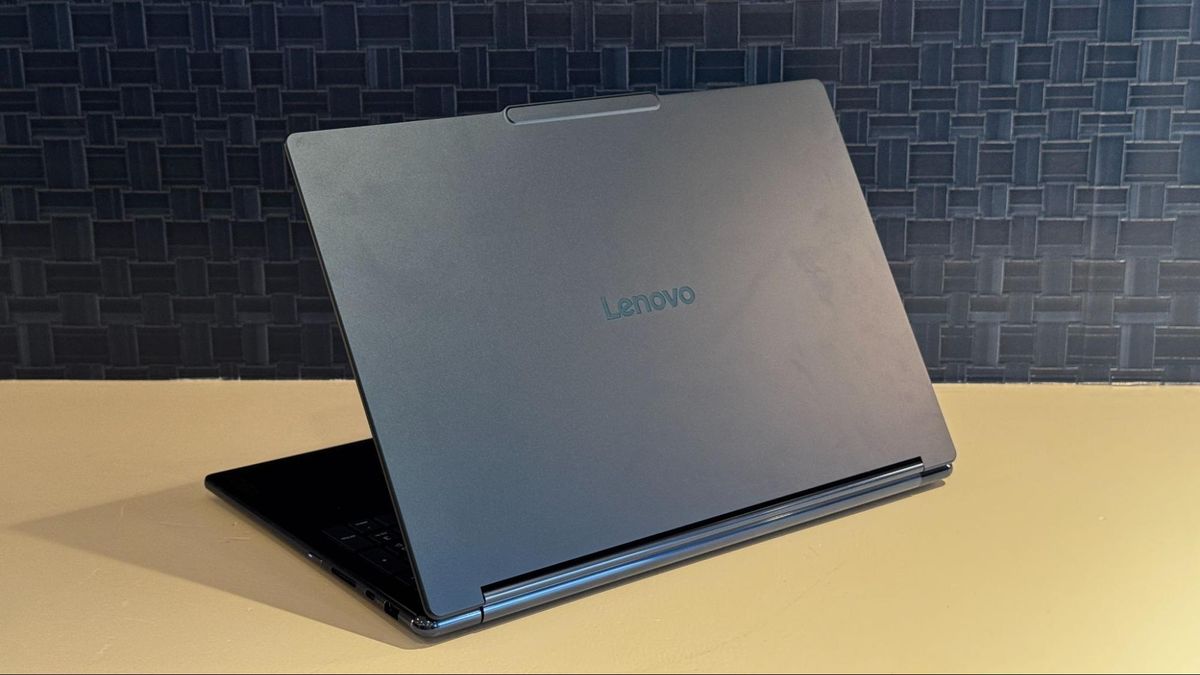
Both systems are all-black machines, with metal designs and a mix of reflective and matte materials, which we've seen in the Yoga line before, albeit usually in a dark blue color. The 2-in-1 brings back a soundbar in the hinge, which the company stopped using years ago, but allows for clear sound in any position.
Lenovo is pushing the clamshell Yoga Pro as an AI machine, using the Nvidia chip with its CUDA software to allow "increasingly sophisticated AI models to run locally on the device." Windows 11 is supposed to gain features to run more agentic AI, including OpenClaw and Hermes, using Nvidia's own openShell and Windows own security layer.
The system is also being advertised as capable of gaming, development work, video editing (the haptic touchpad features pen support for precise input), and rendering. Despite using Lenovo's premium consumer brand, the Yoga Pro 9n is arguably a workstation.
The Yoga 9n 2-in-1 is being pushed more heavily as a creativity device, with its touch-friendly design and the Yoga Pen Gen 2, though the company is touting AI models here, too. Specifically, Lenovo's blog posts calls out AI tools in ComfyUI and Adobe Premiere Pro, as well as local models like LTX (a model based on video rendering in physical space) and FLUX, a text-to-image model.
Lenovo is keeping the price and release date under wraps. The price, the company's press release says, will come at launch, but when that is isn't detailed. Previously, Nvidia announced that RTX Spark would release this fall.

Follow Tom's Hardware on Google News, or add us as a preferred source, to get our latest news, analysis, & reviews in your feeds.






 English (US) ·