
 1 hour ago
5
1 hour ago
5
High-end mirrorless cameras are pretty much the opposite of what photographers associate with Leica. But can the new 44-megapixel SL3-P change opinions? Leica certainly hopes so.
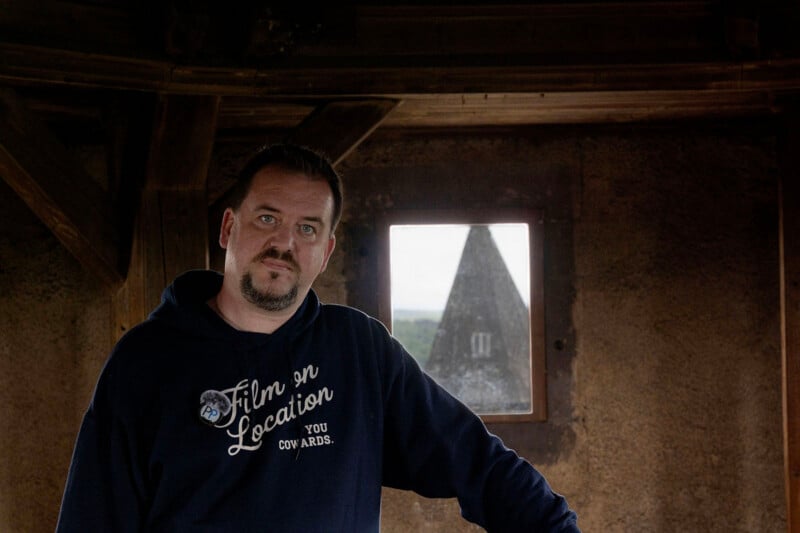
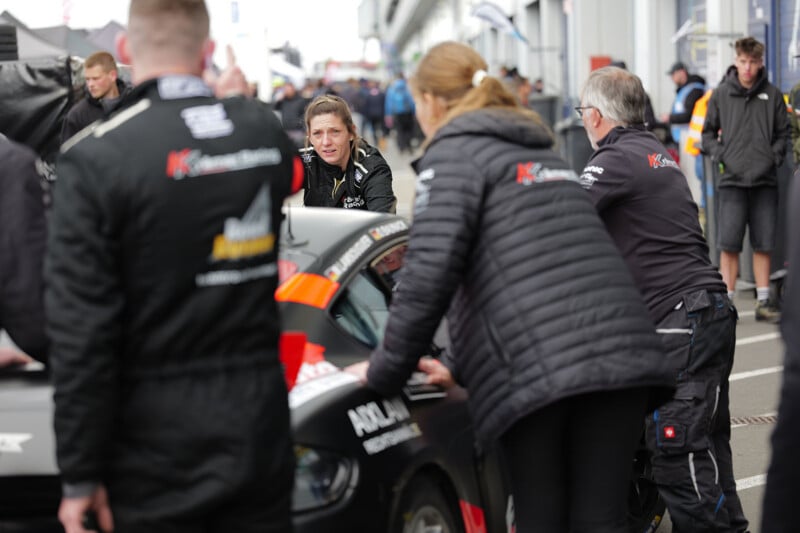
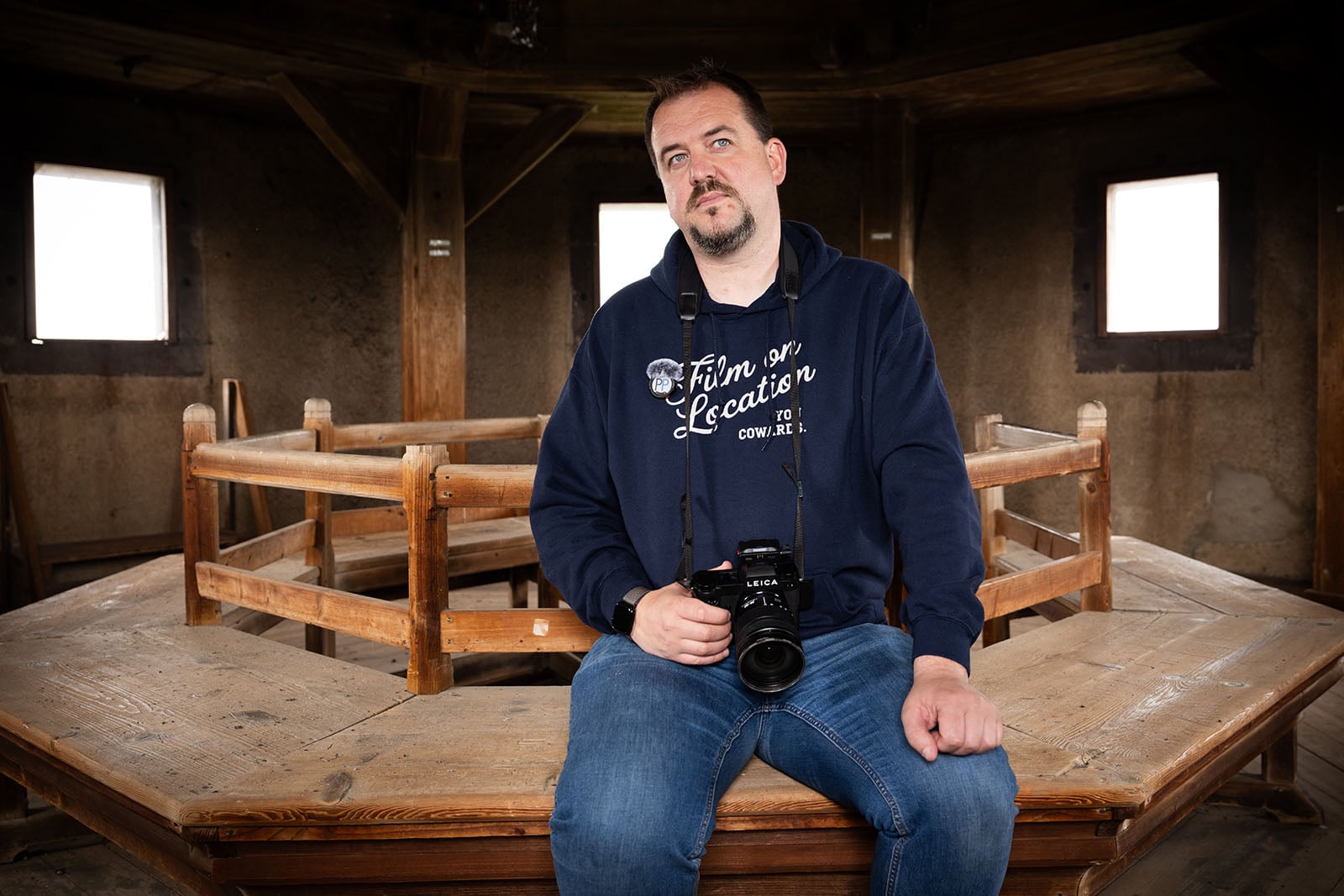
Jordan Drake and I got our hands on the brand new Leica SL3-P for a few days last month, and Leica was so confident in its new product that it arranged for us to attend the high-octane Nürburgring 24-hour race, where Formula 1 world champion Max Verstappen was competing.
Leica SL3-P Review: Design and Handling
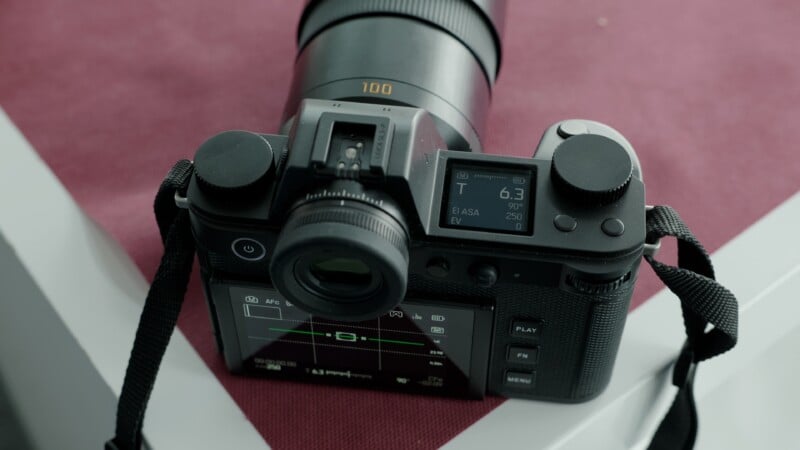
But before we get into how it performs, it’s important to first talk about how it handles. Well, as you might expect from Leica, it is a premium product. The all-metal chassis with the improved grip feels great in your hand.
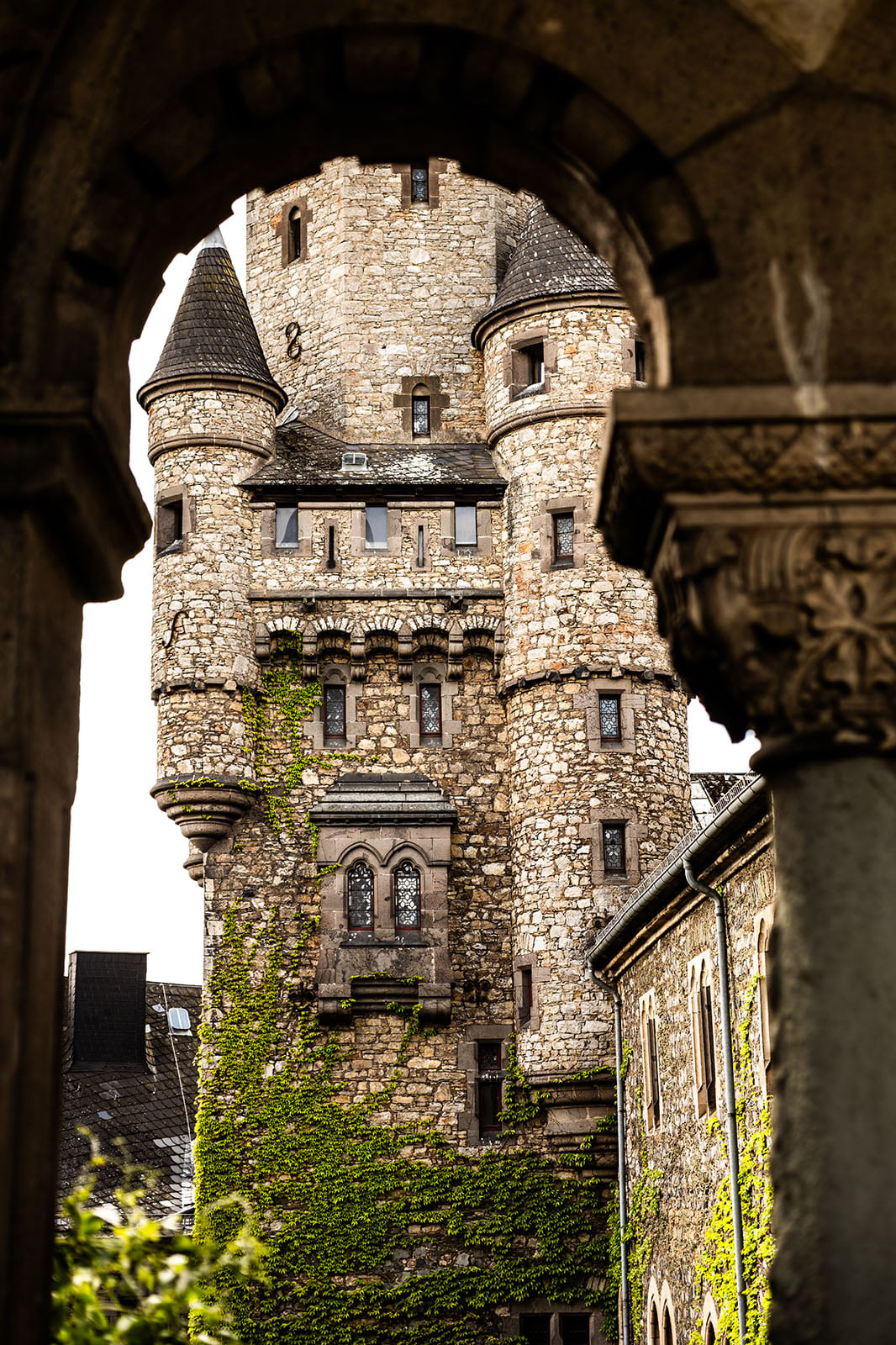
The SL series is based on Leica’s R-System SLR cameras that were manufactured in the 1980s. It’s blocky. It’s bold. It’s conspicuous.
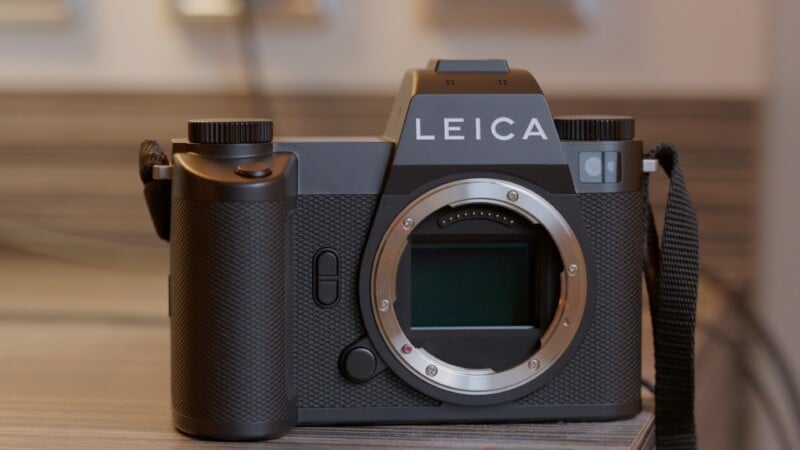
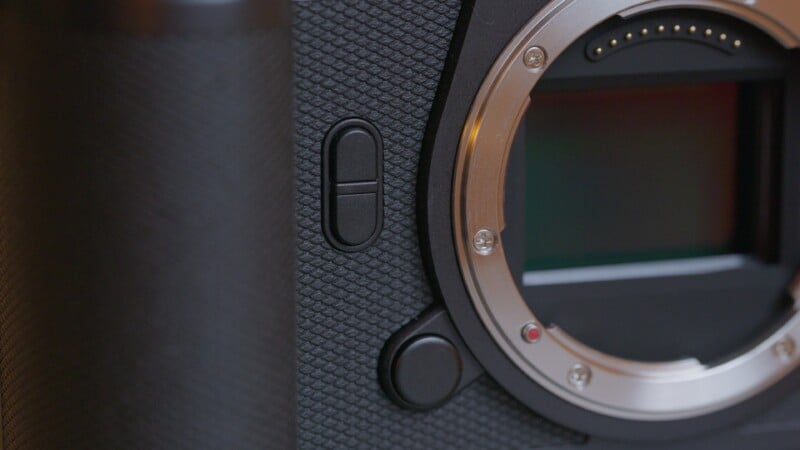
There is no lettering or logos at all on the buttons, not even the iconic red dot is on the body, which Leica says was intentional to maximize the minimalist design.
That Spartan design means photographers are left to decide to set the camera up for how they like to shoot and what their priorities are. But it does mean that if you pass the camera to someone else, they will have absolutely no idea how to operate it and no visual cues to help them along. If you pick up an SL3-P, it will undoubtedly be your camera.
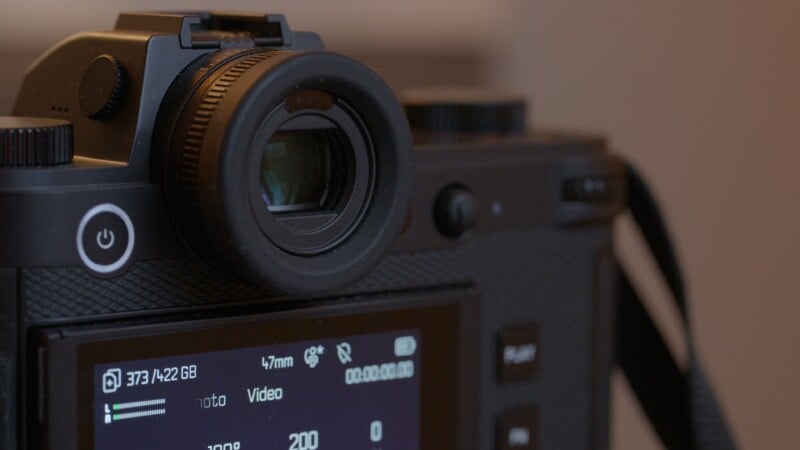
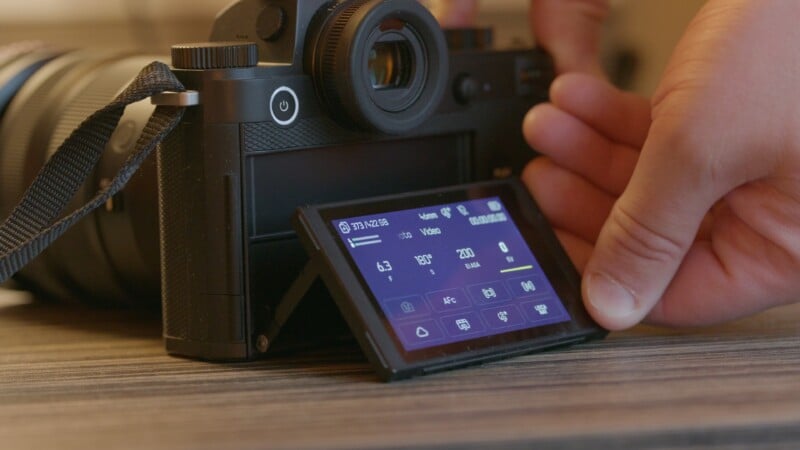
The SL3-P only has a partially articulating LCD screen that itself has 2.3 million dots (1080 x 720); the EVF has 5.76 million dots (1600 x 1200). It means you can shoot above your head or below, but you can’t film yourself. A lot of photographers prefer this kind of design, but it is inarguably more limiting.
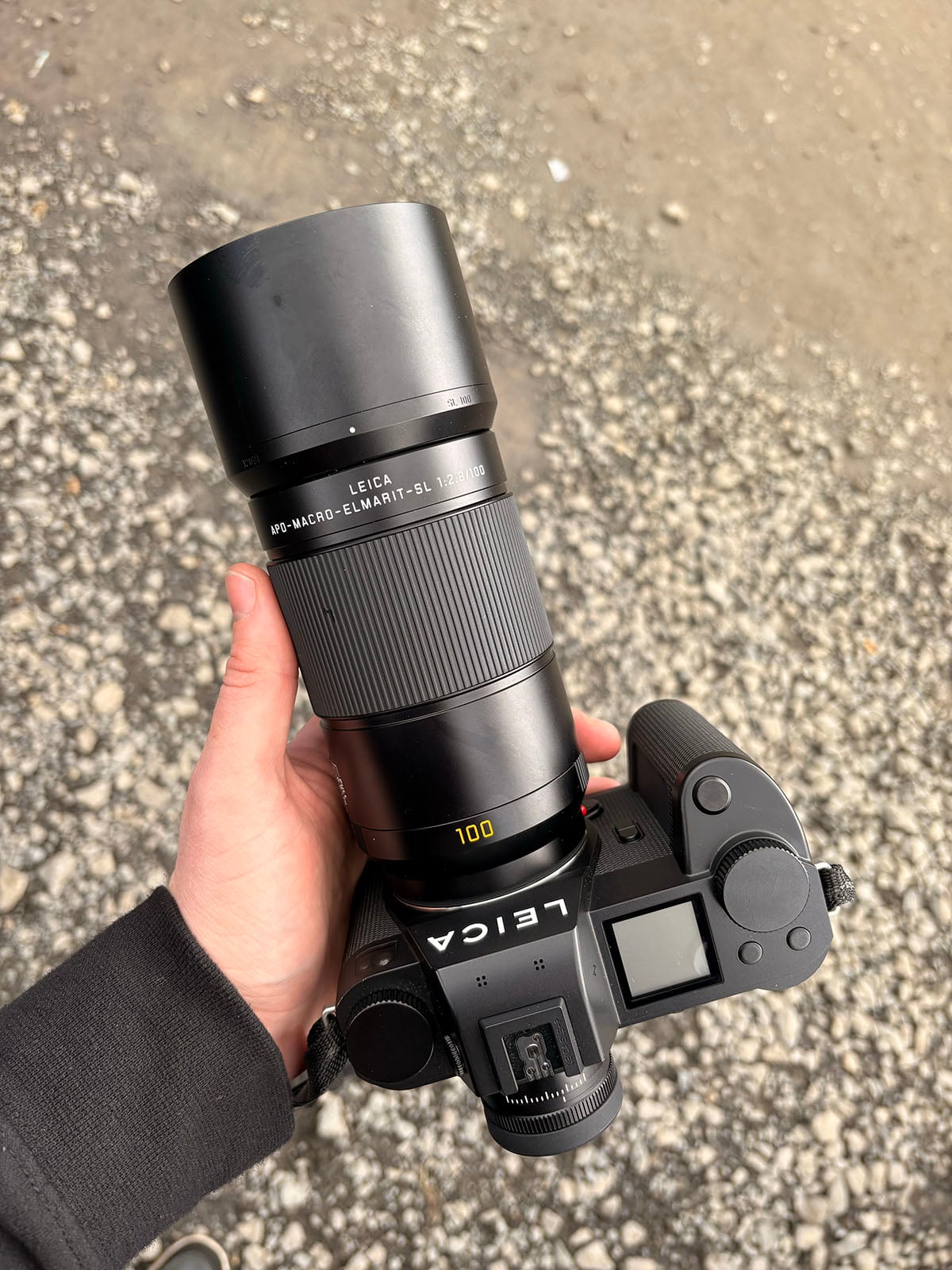 The camera has an IP54 weather rating, meaning if it rains, and it did, then you needn’t worry too much.
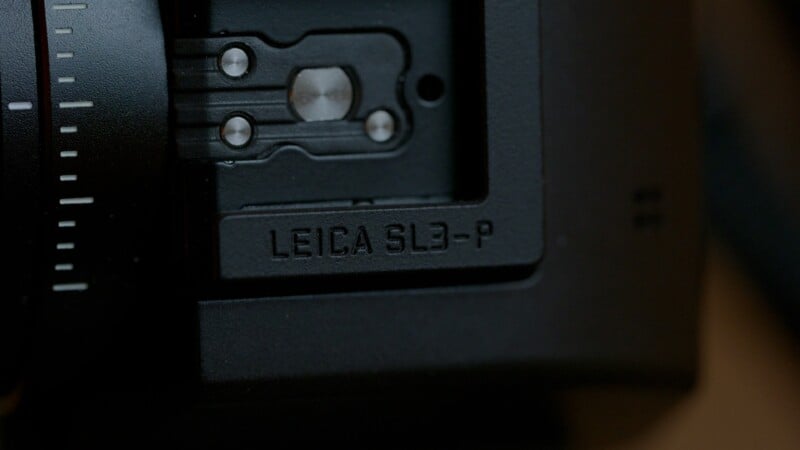
What does the “P” mean? Well, I couldn’t get a straight answer from Leica. It could mean press. It could mean professional. It could even mean performance, after all, it is Leica’s most capable ever camera.
Leica SL3-P Review: Performance and Image Quality
I shot action with the original Leica SL3, and the autofocus system left a lot to be desired. But the brand new smart focusing system on the SL3-P that can detect different parts of the human anatomy, animals, and cars, is clearly Leica’s best-ever autofocuser.
I can say without a shadow of a doubt that the autofocus is a massive improvement over the SL3. Is it as good as Sony and Canon? No. But Leica has made a big step here.
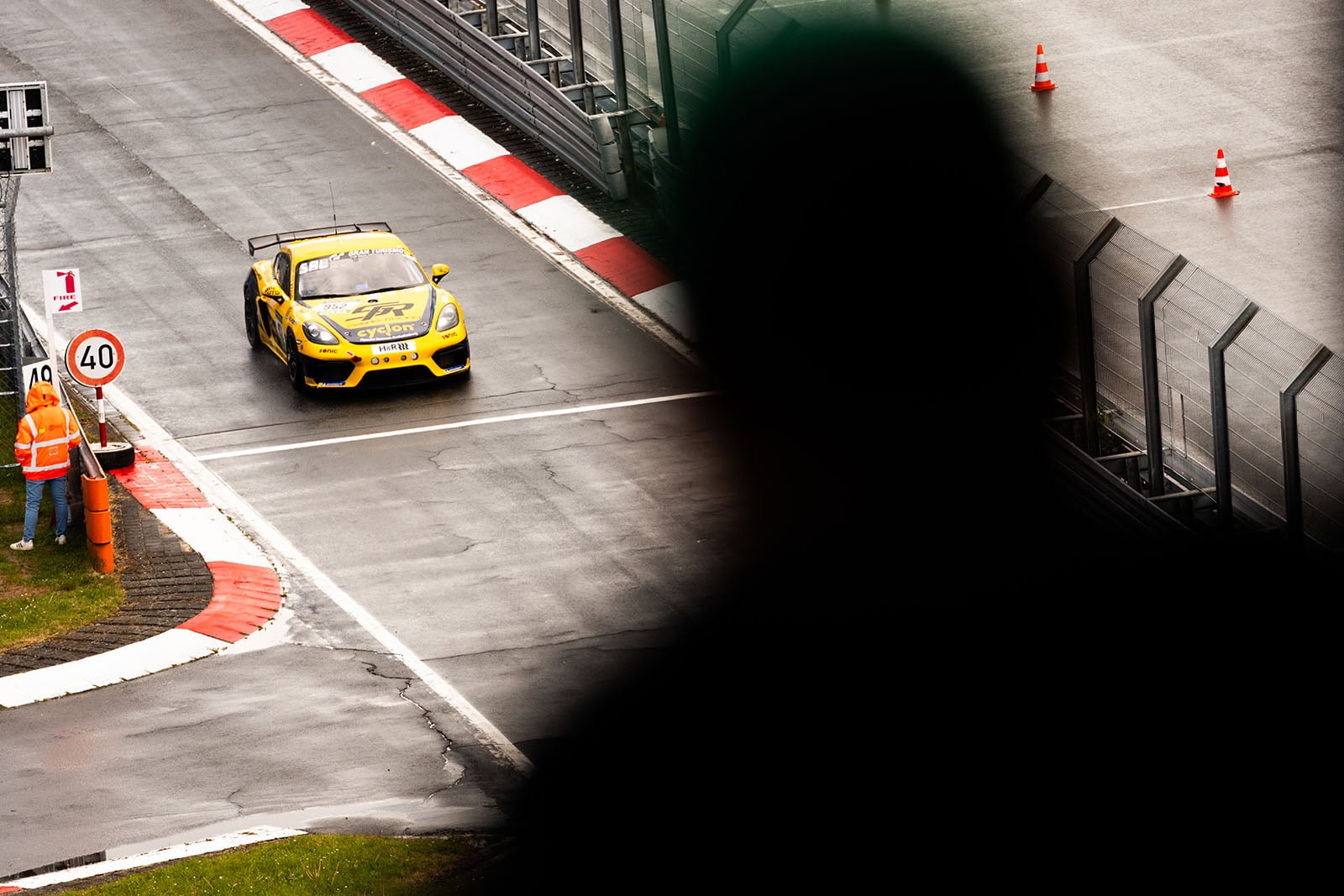
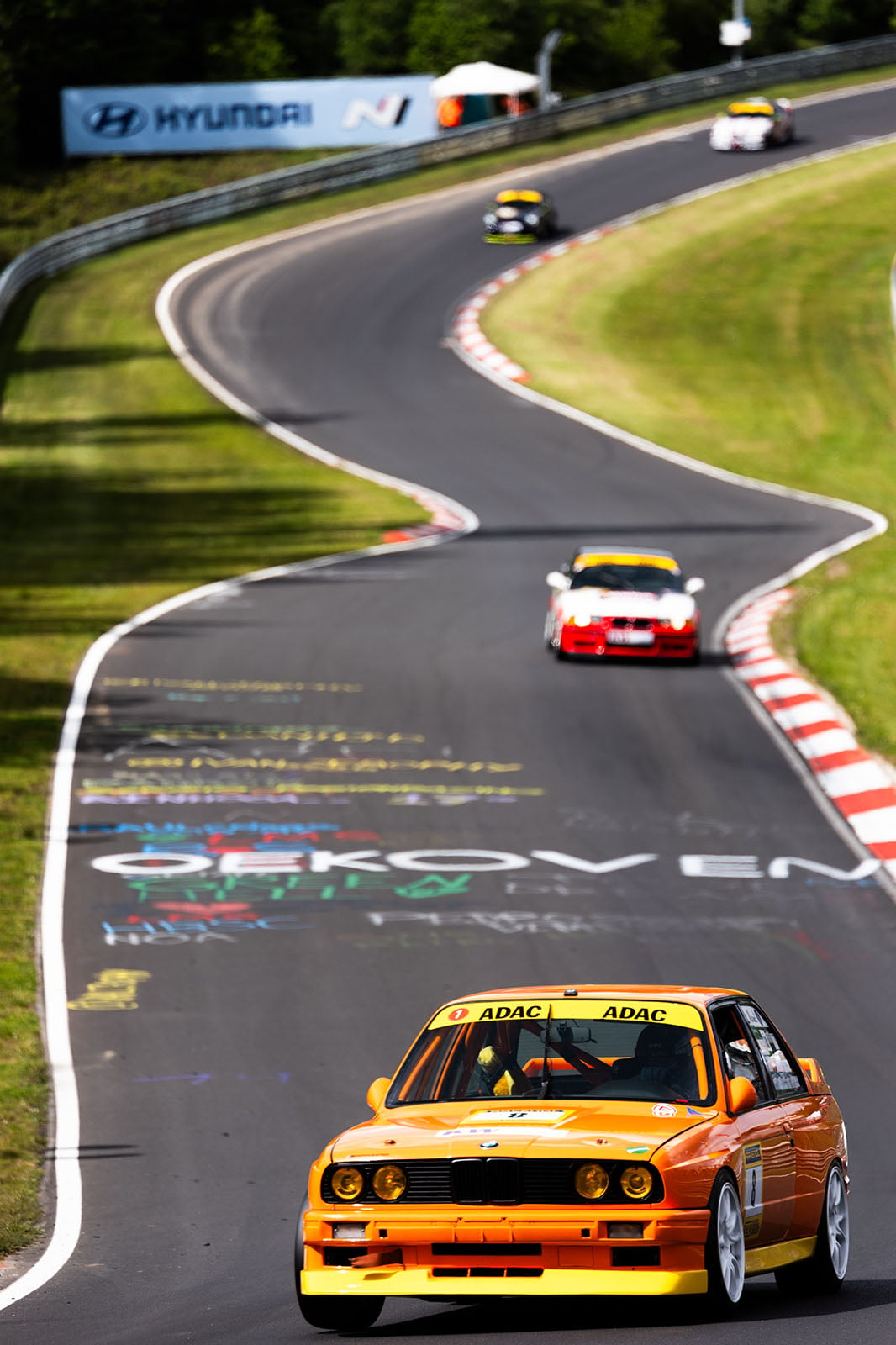 The Nürburgring was a good test of the autofocus system. With the car AF detection activated, the cars came barreling toward me down the mazy hill before sweeping to the right. The AF did a great job of sticking to the car, enabling me to keep it in focus for a softer background.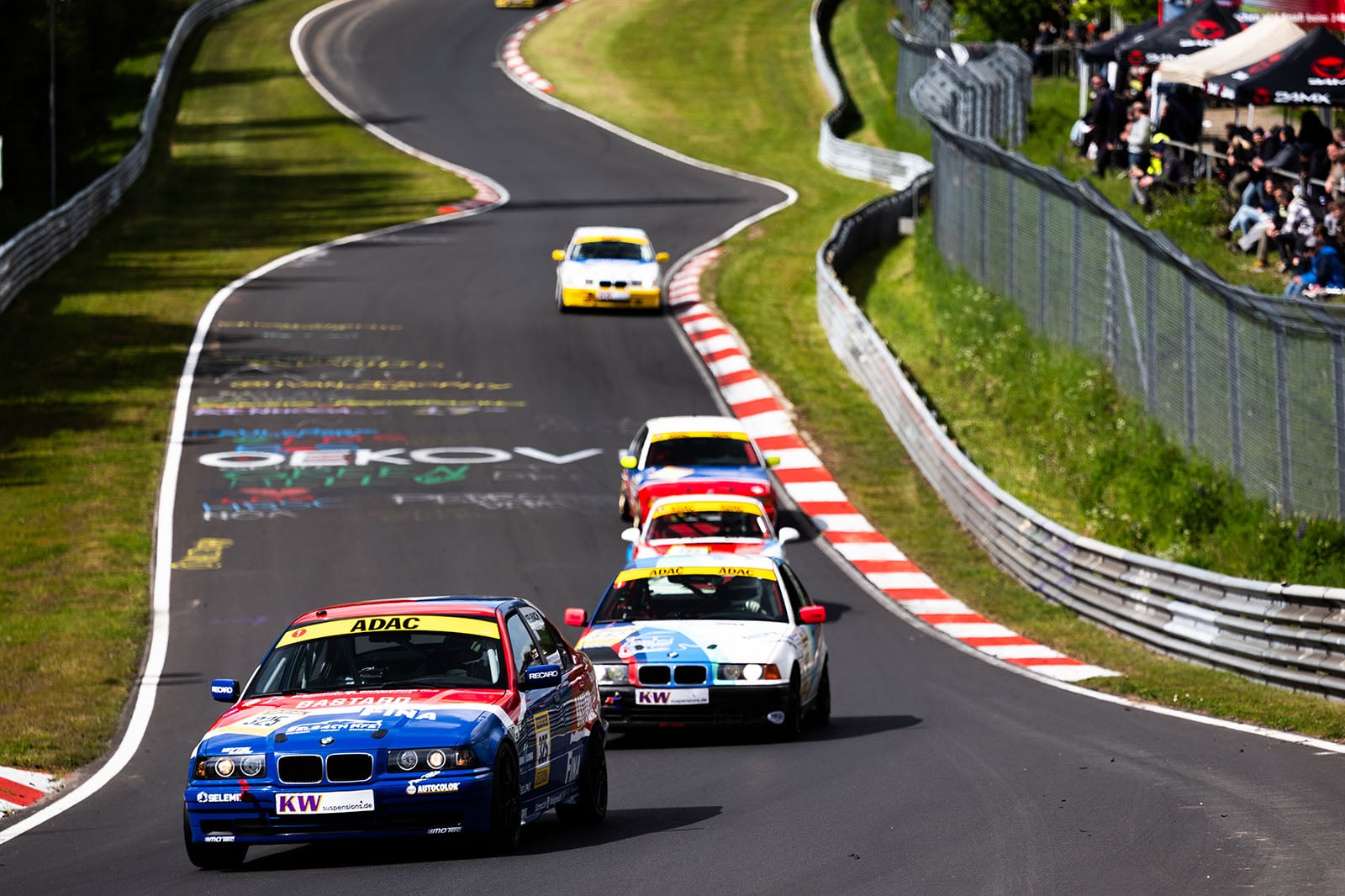
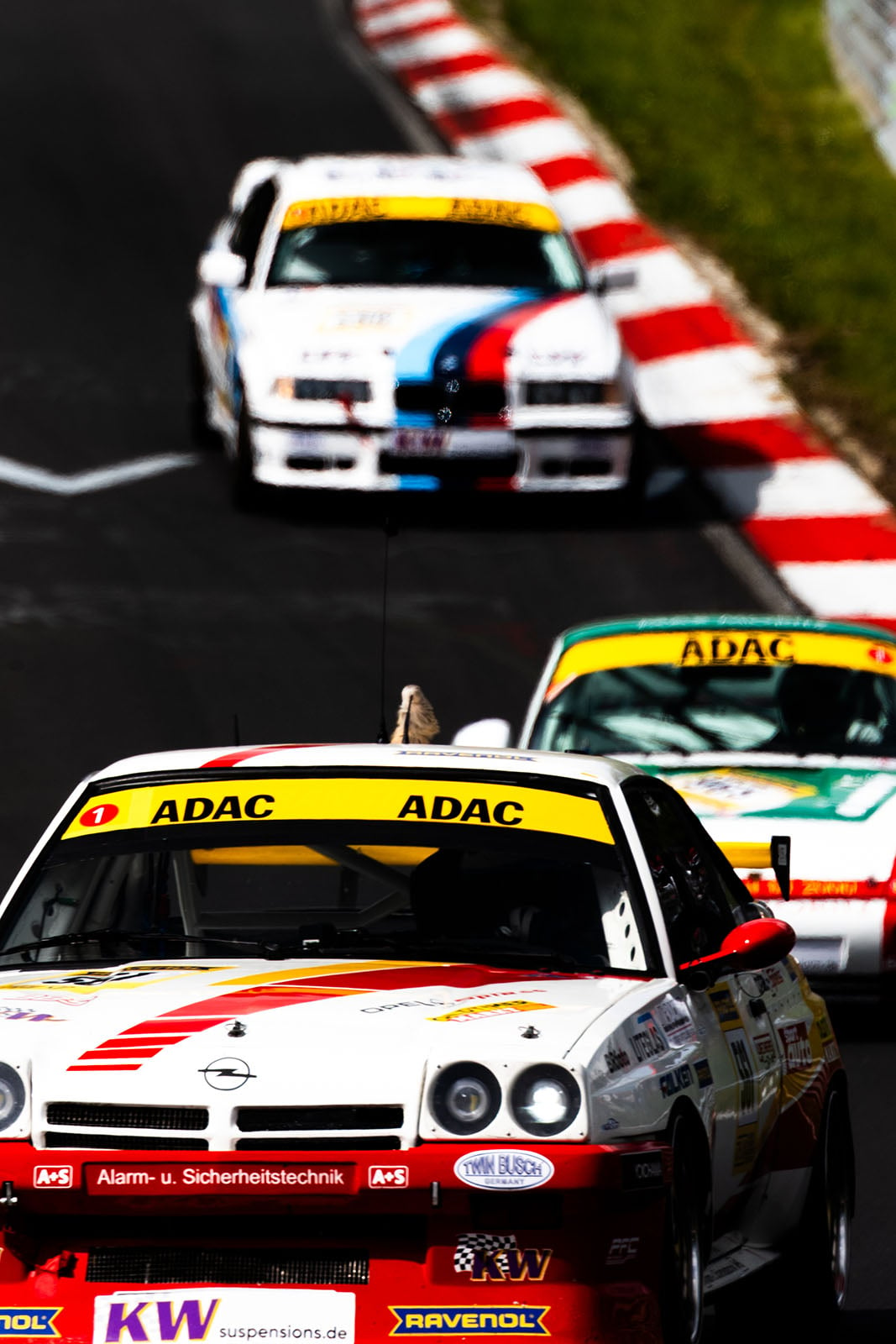
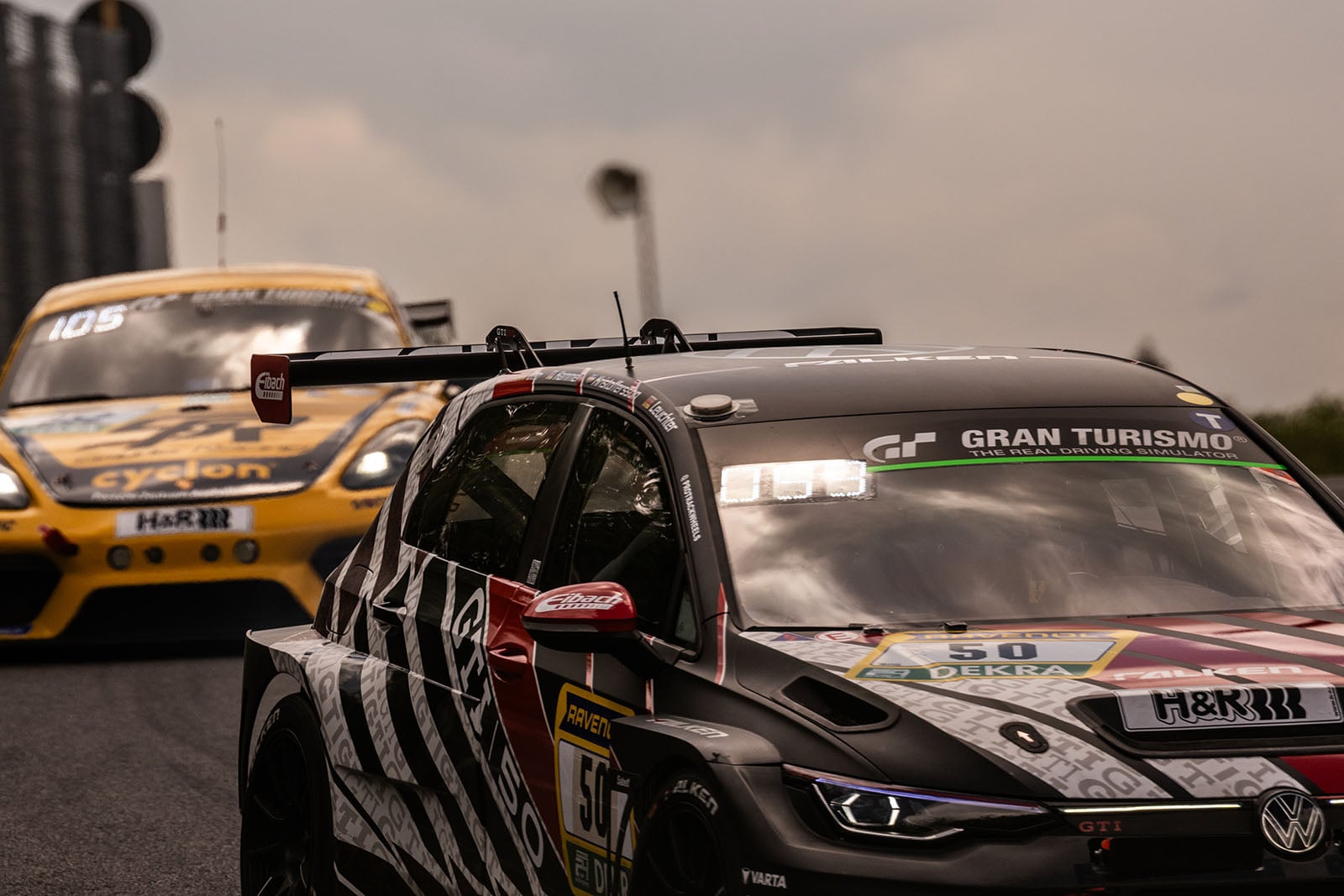
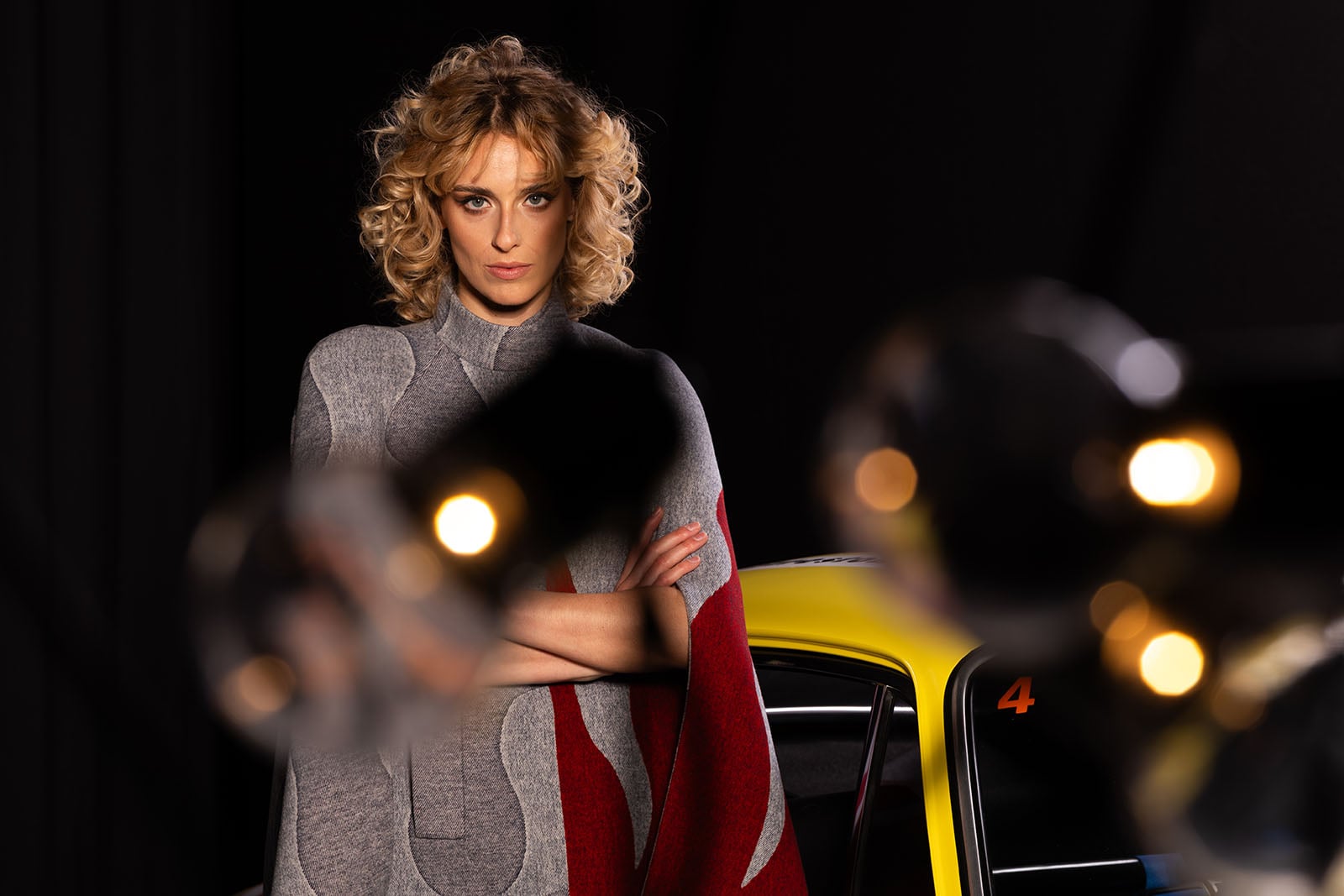 It wasn’t just cars; we also shot models with cars as well. Hiding behind some fairy lights, I shot through them, trying to maintain a lock on the model. While it would occasionally lose its target, overall it did a good job.
The primary thing that sets the SL3-P apart from the other cameras in the SL series is the 44-megapixel sensor, which sits on a really nice middle ground because it’s much faster reading out than the 60-megapixel sensor that we saw in the first SL3, but gives you a far more detailed image than the 24-megapixel SL3-S, which was designed for speed. This is the best jack-of-all-trades in the lineup.

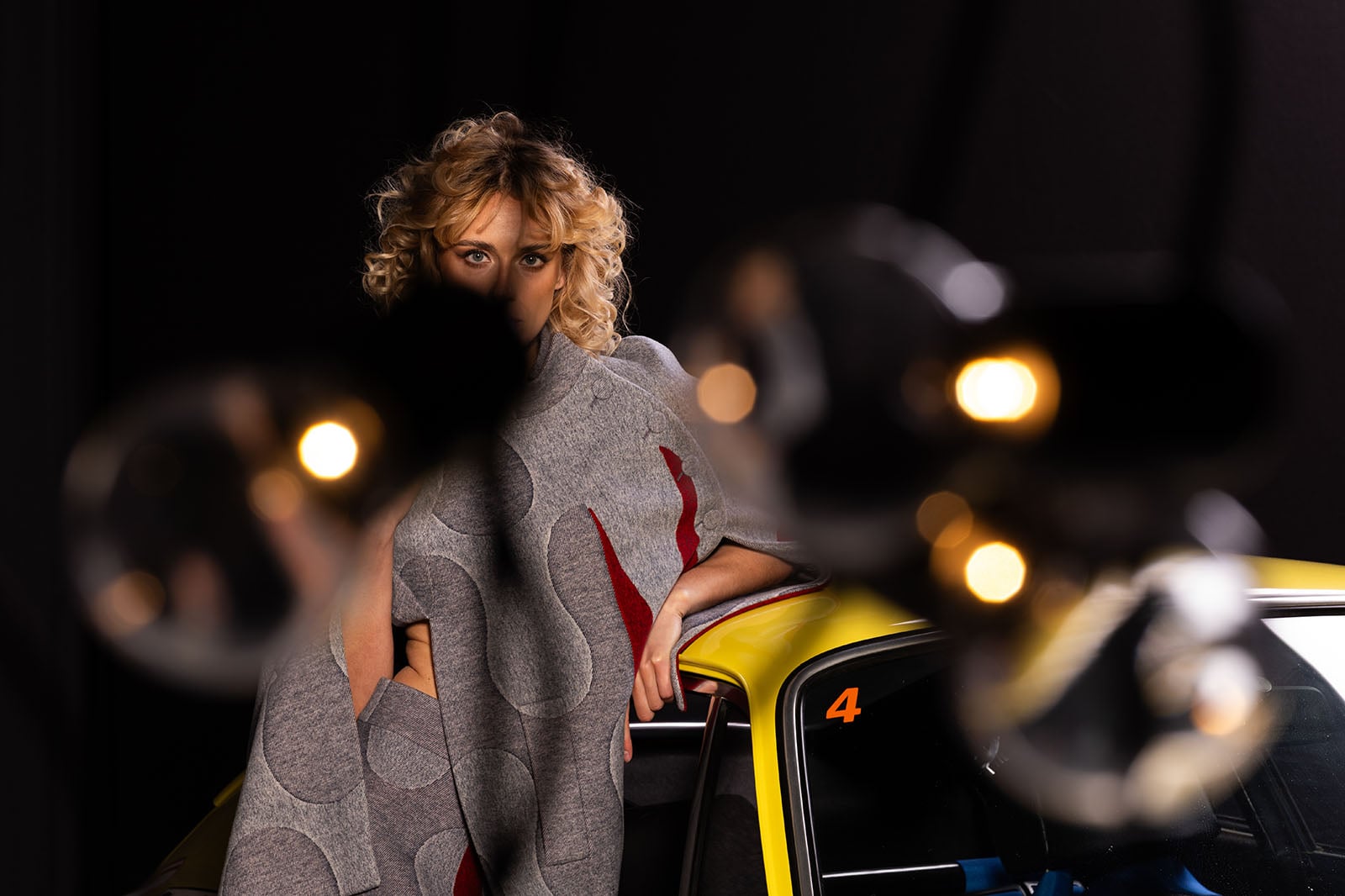
 With the eye mode activated, it perfectly picked out the model’s right eye on the oh-so delicate aperture of f/1.4.
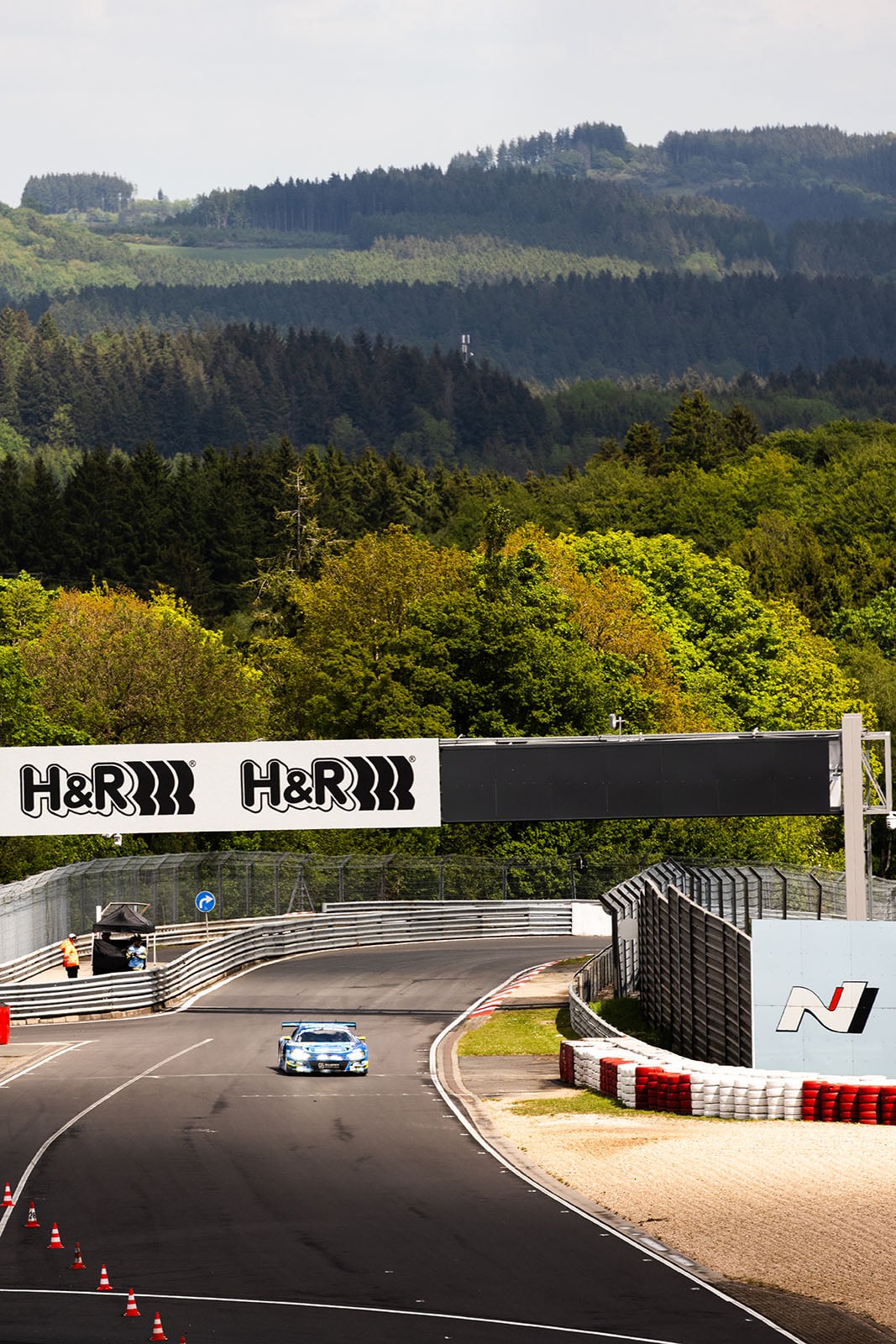 The intimidating 13-mile Nürburgring Nordschleife circuit, also known as “The Green Hell.”
The readout speed on this sensor is the fastest we’ve ever seen on a Leica SL body. It can shoot up to 40 frames per second, but that’s only when you’re in 12-bit recording. If you use the full 14-bit recording, then you can shoot up to 25 frames per second, but that’s only with the electronic shutter. This can shoot up to seven frames per second with the mechanical, which, unfortunately, is a little bit slower than the Panasonic S1R II, which can shoot up to 10 frames per second.
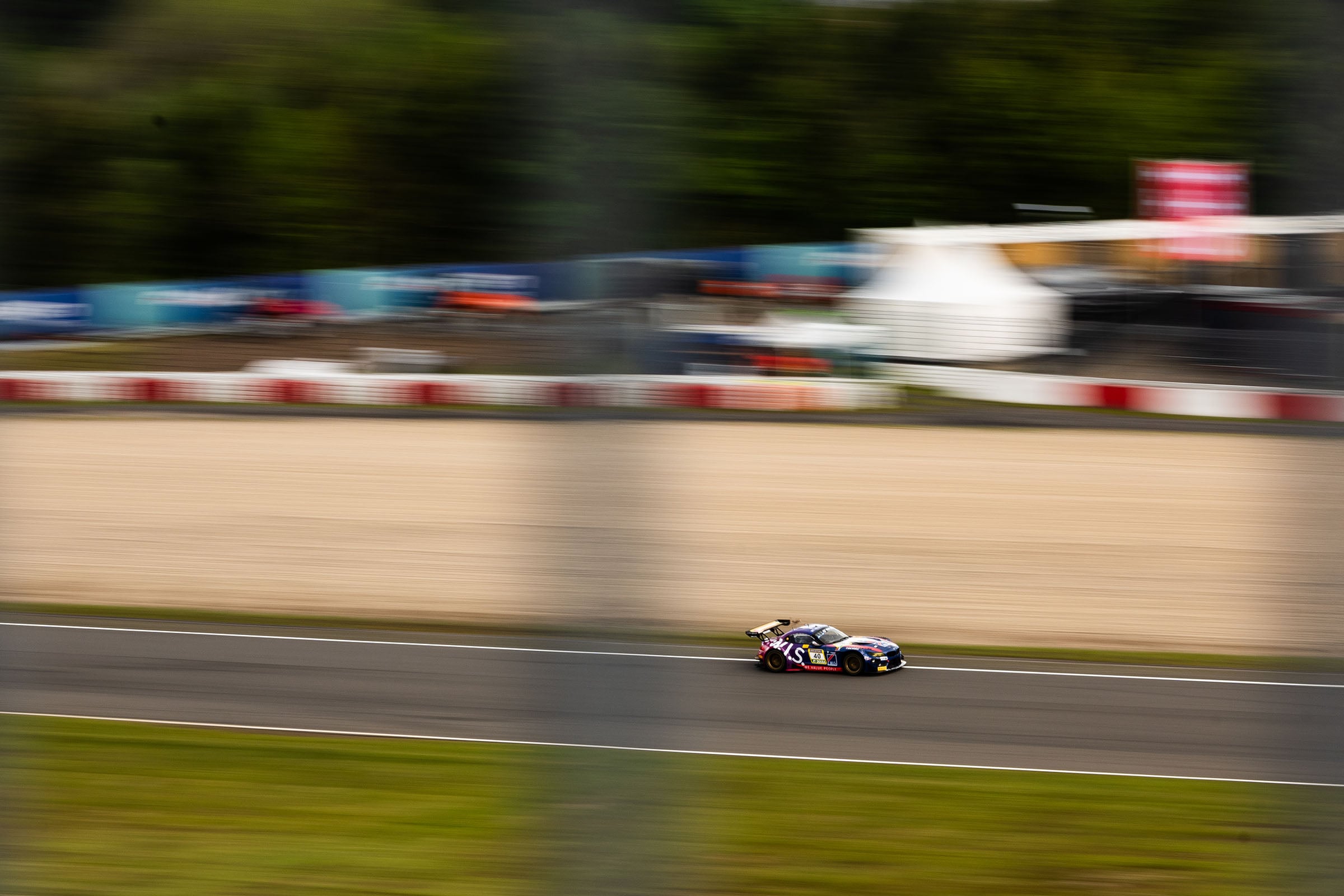
Unlike the sensors from the SL2 and the SL3-S that are in a lot of other cameras, we’ve only seen this sensor before in the Panasonic S1R II, and it gives you great details. Beyond that, Leica has a particularly good handle on its image pipeline, and the photos do present a very pleasing image. It’s not fair to say a camera is “the same” as another that uses the same sensor when it comes to image quality — we’ve seen differences between Nikon and Sony cameras for years — and Leica deserves credit for making its images look unique.
The files look great straight out of camera and are a delight to work on in post. They can be pushed, pulled, dodged, and burned, without falling apart. I found myself boosting the contrast more than I usually do just because of how good it looked.
I really like the image quality, but it is slower to read out than what we’re seeing in the Nikon Z8, the Sony a7R VI, or the Canon R5 II. While it is faster than what we saw on the SL3, which took roughly 100 milliseconds to read out, the SL3-P takes just under 40. Nevertheless, you are still going to run into rolling shutter issues if you’ve got fast-moving subjects and quick pans.
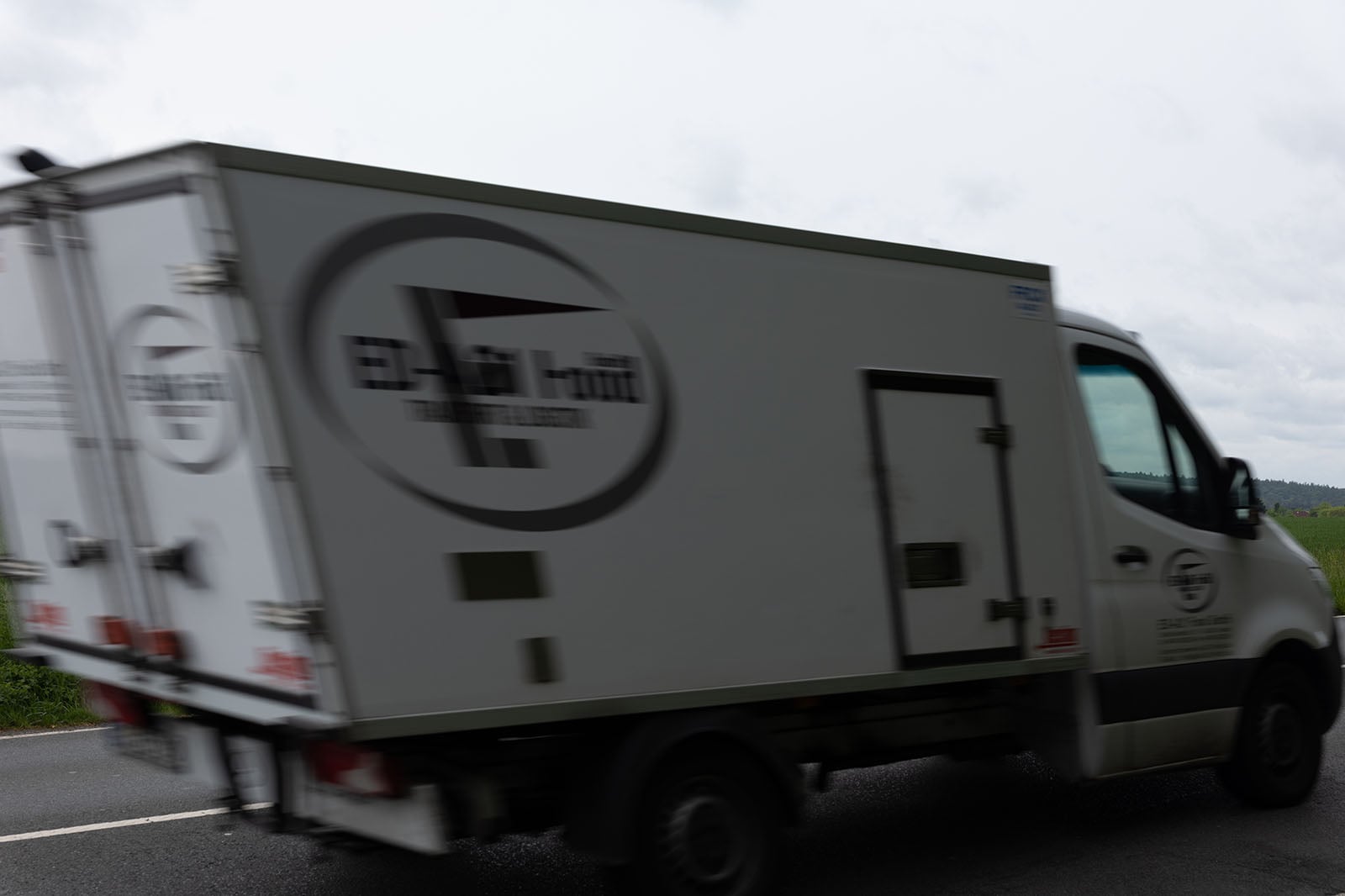 Despite the faster readout, rolling shutter can still occur.
The dynamic range is also excellent. You can shoot to protect your highlights and pull details from the shadows without also bringing out too much noise.
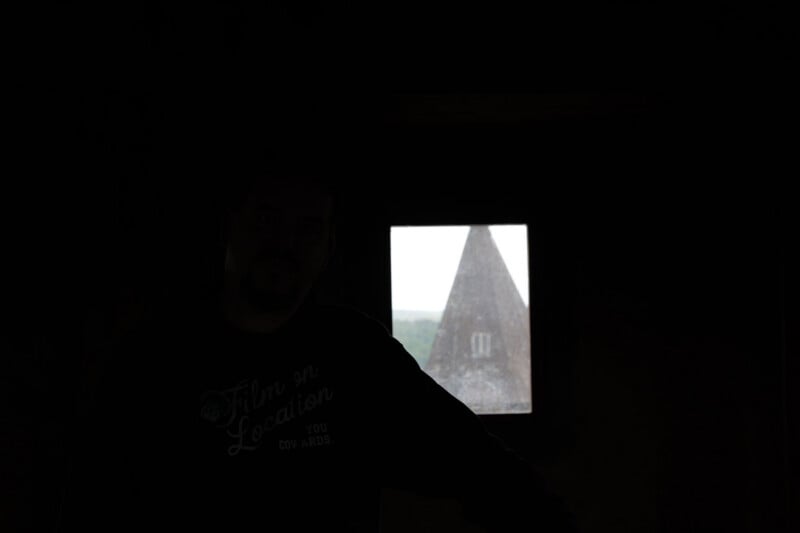 Original exposure.
 Shadows boosted.
Thanks to the file size, cropping in is no issue whatsoever. I found plenty of resolution to work with.
 Original frame.
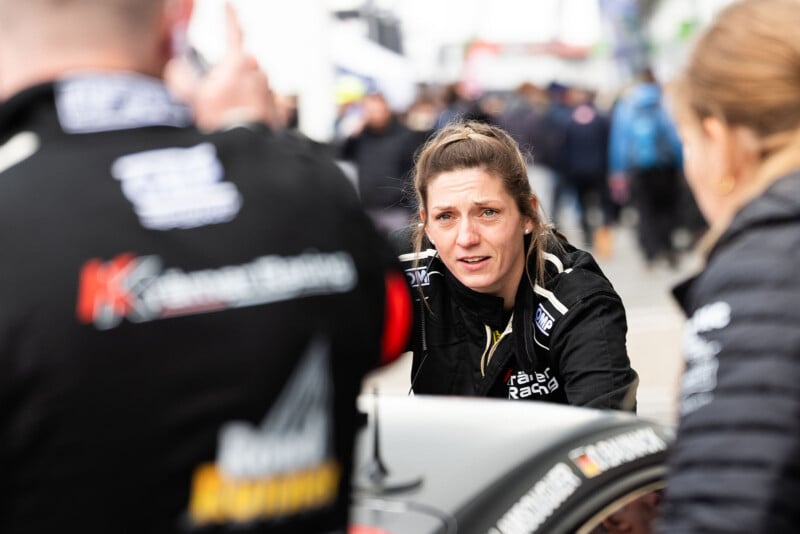 Cropped-in.
Another point that may become more important as AI continues to muddy the waters, with its advanced C2PA content credentials built in, even with editing, photographers can still prove the provenance of their work if they shoot it with an SL3-P.



Leica SL3-P Review: Video Capability
For the last couple of SL models, we have complained about the truly terrible menu for selecting your video frame rates, data rates, and codecs, where you would make small adjustments to things like data rate, and it would radically change your crop or your frame rate.
Thankfully, Leica has replaced it with a brand new menu for setting frame rate, resolution, et cetera. It’s now very well laid out, intuitive, and you’re not going to screw up any of your settings, making minor adjustments. This is a huge improvement.
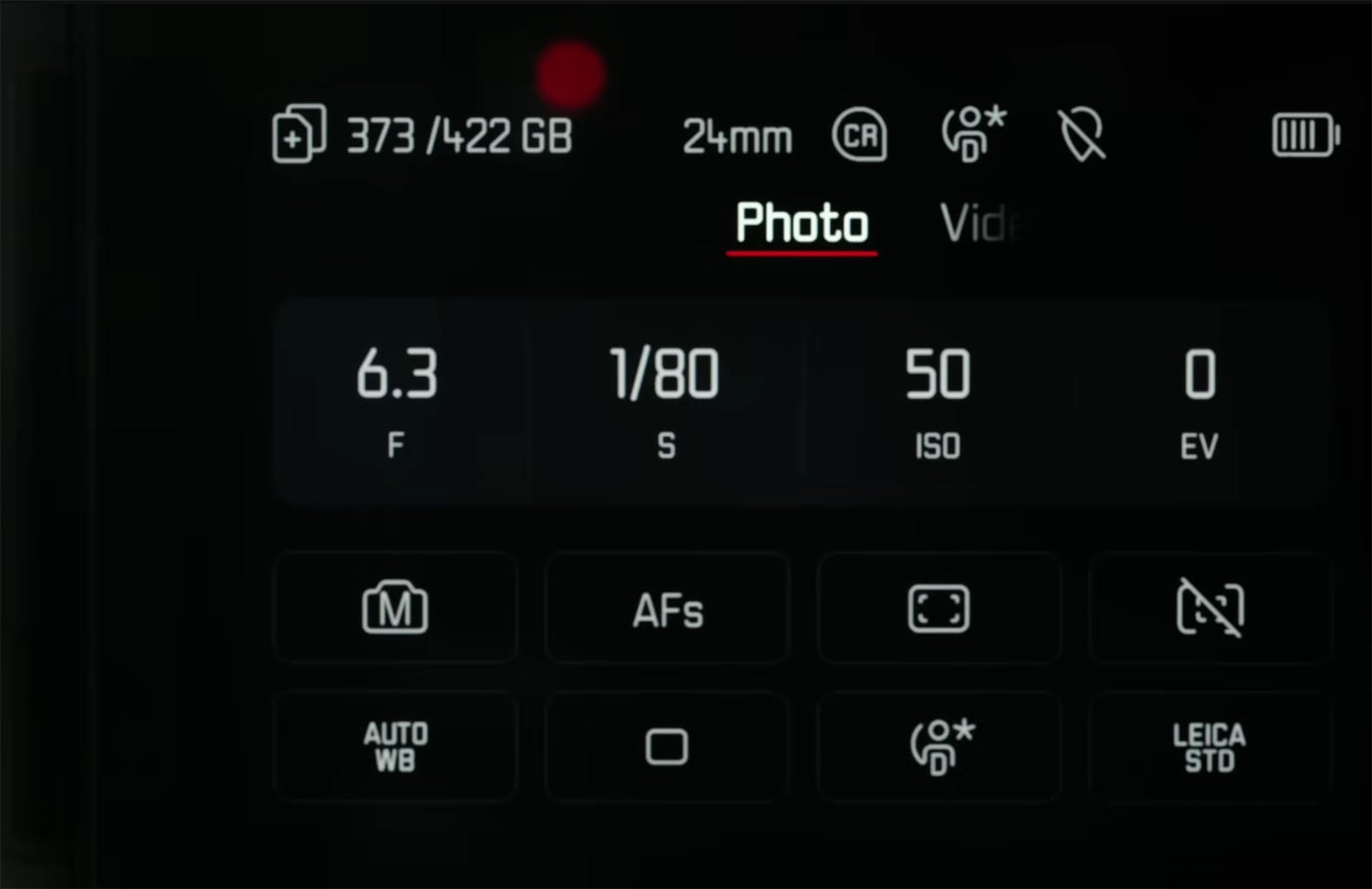 The menus in the SL3-P are color-coded making it easy to discern between photo and video.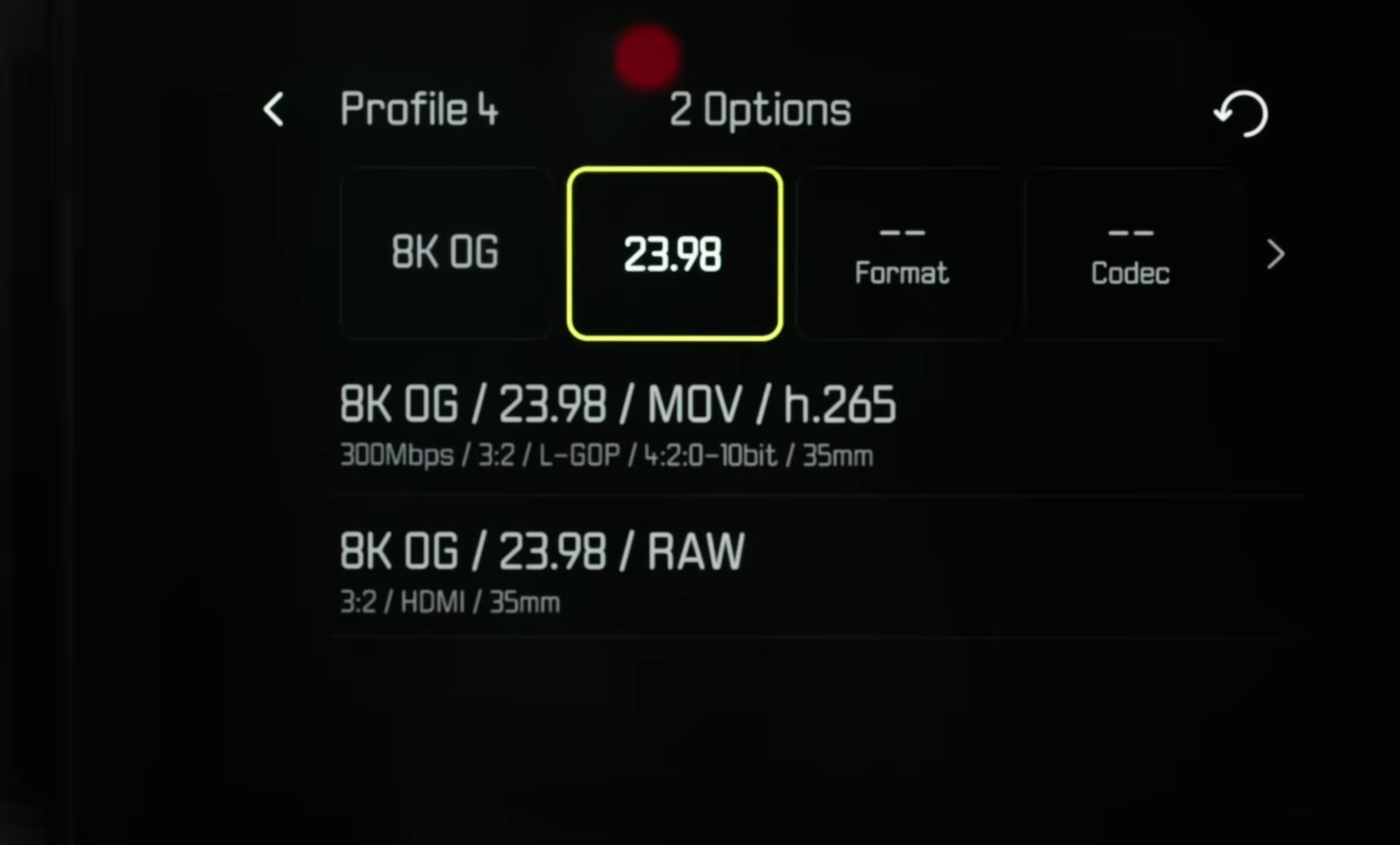
In terms of video quality, due to the shared sensor that this has with the Panasonic S1R II, it has a lot of the same strengths and weaknesses. I really like the S1R II as a high-resolution video camera, and this shares almost the exact same set of video features as that camera — minus a few little differences. Things like the partially articulating screen, no active cooling, and less flexibility in terms of my stabilization settings.
However, there is a really strong suite of video record modes on the SL3-P, including full-width 8K 16×9 recording. You can also do open gate 8K recording with it up to 30 frames per second, and 4K up to 120p. And if you’re shooting 4K 30p or below, you can use a dynamic range boost function, which will increase the bit depth, and that’s going to give you a bit more shadow information, although your rolling shutter will get quite a bit worse in this mode.
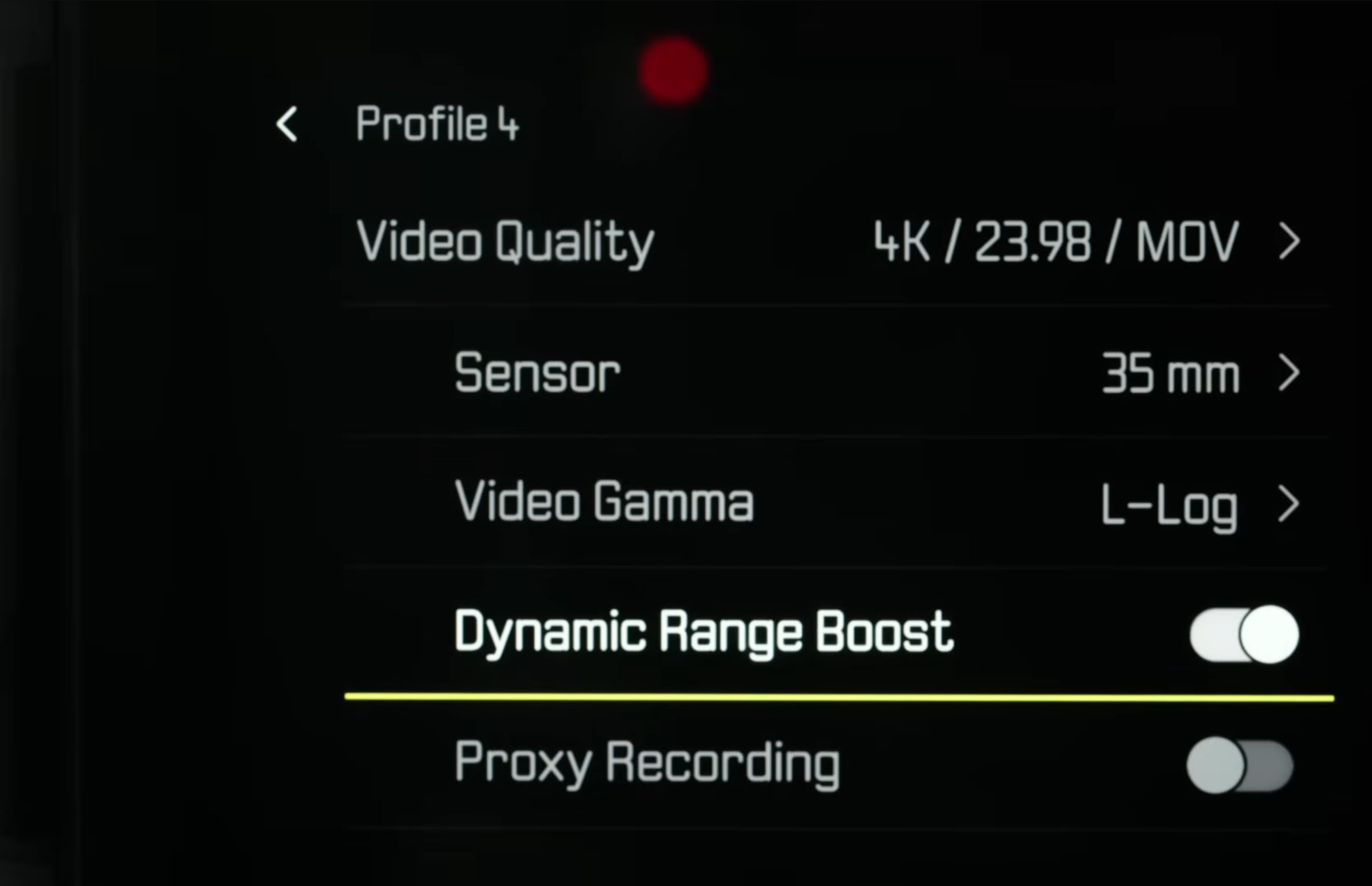
But unlike the S1R II, this does have a few things missing, including the ability to do internal RAW recording; you’re going to have to record that externally. I also wish that there were a more compressed 10-bit 4:2:2 4K recording mode on the SL3-P. On this camera, you’ve got to go up to 400 megabits per second, which is pretty demanding. Panasonic will let you do it at 150 megabits per second.
But one really nice upgrade we’ve got on the Leica now is that if you’re using the 8K open gate record mode, it supports anamorphic desqueeze. So you’ll be able to preview your frame accurately while you’re filming instead of having to do it afterwards or strapping on an external monitor with anamorphic support.
Given how well-sealed the camera body is, I was concerned that it could lead to some overheating issues. So, I set the camera to its most demanding record mode: 8K open gate. There, I was able to record for 29 minutes before the camera overheated and shut down. So that means if you want to do a very long interview recording in the open gate mode and crop in a little bit later, you’re going to run into overheating concerns.
That being said, when I was shooting 4K in a variety of frame rates, even using the dynamic range boost, I didn’t see any practical real-world examples where overheating has been a concern.
For Photographers Who Think With Their Hearts
For the professional photographer who only shoots Leica, this camera is a godsend. However, the SL3-P is an L-mount camera, and it doesn’t exist in a vacuum.
Are There Alternatives?
Leica’s M Series and Q Series offer a unique shooting experience that you really can’t find anywhere else. By comparison, the SL series is competing directly with a whole bunch of other professional mirrorless cameras from other manufacturers.
The Leica SL3-P competes with the top-end options from Canon, Nikon, and Sony. Canon has the R5 Mark II, Nikon has the Z8, and Sony has the a7R VI. They all feature similar (or better) resolution as well as much faster scanning rates. Plus, they are all much less expensive.
But since it shares a mount, it faces fiercer competition from the S1R II, since it uses the same sensor and has real advantages over the SL3-P, such as a faster mechanical burst rate. But it’s also more complicated to operate and, let’s be honest, is much more homely.
Should You Buy It?
Maybe. If you choose the Leica SL3-P, that’s a choice you’re going to be making with your heart, not so much your head.
Photos by Jordan Drake and Matt Growcoot. Additional reporting by Jordan Drake




 English (US) ·