
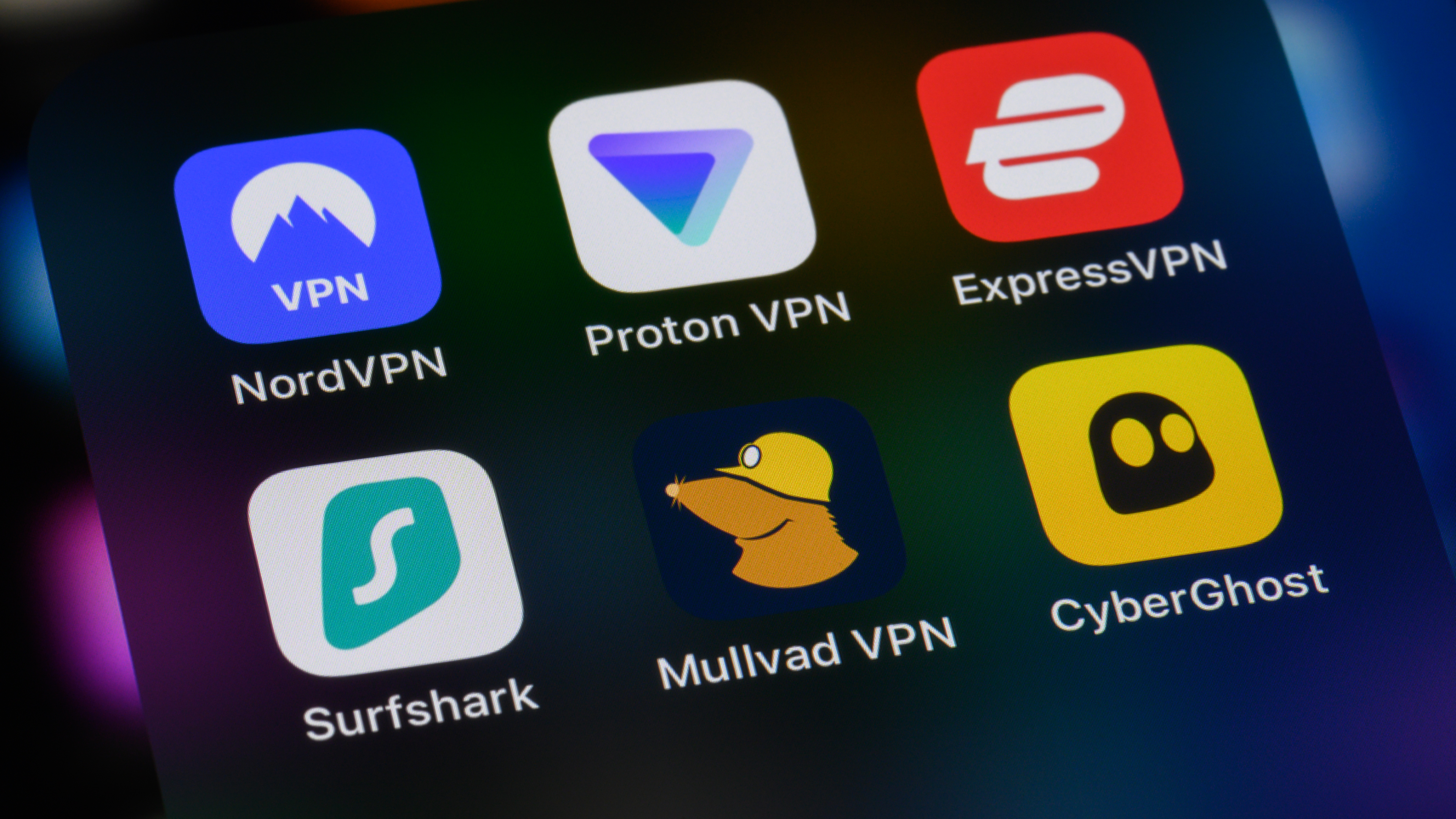
VPNs have never faced more scrutiny. In the past year, the industry has navigated intense pressure while helping people circumvent age verification, streamers overcome geo-restrictions, and protesters avoid social media blocks.
Will anything change in 2026? It looks unlikely.
2026's biggest dilemma
Age verification is set to become a defining topic of the year. As most countries continue to implement processes that can be bypassed by using a VPN, these privacy tools will continue to be a talking point well into 2026.
The key dilemma for governments is whether they can implement child safety measures on devices in a way that makes VPNs redundant. SafeToNet’s collaboration with HMD offers a blueprint for such an approach.
Using SafeToNet’s HarmBlock, the system blocks all nude content on the HMD Fuse at the operating system (OS) level. Because the block happens on the device itself, it works whether a VPN is being used or not.
Governments may target the VPN industry itself."
According to reports, this approach is currently of interest to the UK Government. However, if measures designed to protect children continue to focus on network-level blocks that can be easily bypassed by using a VPN, governments may target the VPN industry itself.
Talk of VPN bans has already occurred in the UK and EU, while Australia’s recent social media ban included measures preventing the promotion of VPN services as a circumvention method.
Since a ban – or tighter restrictions – on VPNs is likely to be easier for legislators than deploying OS-level safeguards, it’s possible that VPN restrictions could be brought in across various regions next year.
Technological progress
But the conversation isn't just about the regulatory challenges VPNs pose; it’s also about the technological threats they face. Quantum computing is among the biggest cybersecurity topics of recent years, and it’ll only get bigger in the coming year.
Without post-quantum encryption (PQE) capabilities, VPN encryption will be rendered futile once quantum computing becomes a reality. Even now, while quantum computing isn’t commercially available, ‘harvest now, decrypt later’ attacks pose a threat if PQE isn’t used.
VPN encryption will be rendered useless."
Most top VPNs have already rolled out post-quantum encryption on at least one of their protocols, and 2026 is poised to be the year the standard becomes more widespread.
Currently, Surfshark and Proton VPN are the two biggest names that haven’t added PQE to their protocols. But both providers have it on their roadmap for 2026, while the likes of NordVPN and ExpressVPN will be looking to broaden their coverage to the full scope of protocols offered.
Post-quantum authentication is another issue that shouldn’t be ignored. Securing the authentication process protects the connection from the moment a user logs on.
While this is nowhere near as urgent as PQE, adding protection to the authentication process is a huge step in the right direction, though it’s unlikely to become widespread in the coming months.
Day-to-day improvements
Beyond these advanced developments and threats, everyday security capabilities will continue to be a major focus for the industry in 2026.
VPN security is the best it’s ever been. Protocols such as NordLynx have fixed weaknesses in WireGuard, providers including NymVPN or ObscuraVPN have new connection methods that add increased privacy, and the wider industry has begun adopting advanced protocols like OpenVPN DCO, or QUIC obfuscation.
With most of these foundational weaknesses now fixed, companies are free to invest in designing everyday security tools.
VPN security is the best it's ever been."
Features such as NordVPN’s Threat Protection Pro and Surfshark’s personal data alerts are quickly becoming key differentiators when choosing a provider. And while they’re becoming increasingly advanced, there’s plenty of scope to improve existing tools.
For example, NordVPN’s Threat Protection Pro is the best VPN threat protection software available, according to our testing. However, its full capabilities are still only available on computers, and it’s still far from being as effective as the very best antivirus tools.
With everyday security becoming more important due to the increasing number of data breaches, improving these security tools outside the VPN will no doubt become more important throughout 2026.
If VPN providers can achieve three things — navigate against legislative restrictions, improve post-quantum protection, and improve their extra security features — they will not only become safer than ever, but also more useful to us all.
Next year might not be a year of flashy, revolutionary VPN launches, but their newfound spotlight might push them to heights that make them all the more worthwhile.
We test and review VPN services in the context of legal recreational uses. For example: 1. Accessing a service from another country (subject to the terms and conditions of that service). 2. Protecting your online security and strengthening your online privacy when abroad. We do not support or condone using a VPN service to break the law or conduct illegal activities. Consuming pirated content that is paid-for is neither endorsed nor approved by Future Publishing.








 English (US) ·