

Published Oct 22, 2026, 2:00 AM EDT
Dhruv is a Lead Writer in Screen Rant's New TV division. He has been consistently contributing to the website for over two years and has written thousands of articles covering streaming trends, movie/TV analysis, and pop culture breakdowns.
Before Screen Rant, he was a Senior Writer for The Cinemaholic, covering everything from anime to television, from reality TV to movies.
After high school, he was on his way to become a Civil Engineer. However, he soon realized that writing was his true calling. As a result, he took a leap and never looked back.
No sci-fi show or movie actively tries to predict the future. However, more often than not, some of the best additions to the sci-fi genre tell stories that revolve around the potential long-term implications of present-world technologies. Owing to this, some of the best sci-fi TV shows end up foreseeing the threats and benefits of technology that we are increasingly growing dependent upon.
Jonathan Nolan's Person of Interest is a highly-acclaimed sci-fi thriller that premiered over a decade ago. Yet, its masterful exploration of everything from artificial intelligence to surveillance feels surprisingly relevant today. After rewatching the series in 2026, it is hard not to notice how it almost feels like a documentary.
In its long five-season runtime, CBS's Person of Interest does not strive to build Rome in one day. Instead, it initially disguises itself as any other procedural tech-thriller on network television. However, as it gradually progresses into its second season, it expands its vision and becomes incredibly ambitious with its almost prophetic story beats.
Person Of Interest Feels More Like A Cautionary Documentary In 2026
 MovieStills DB
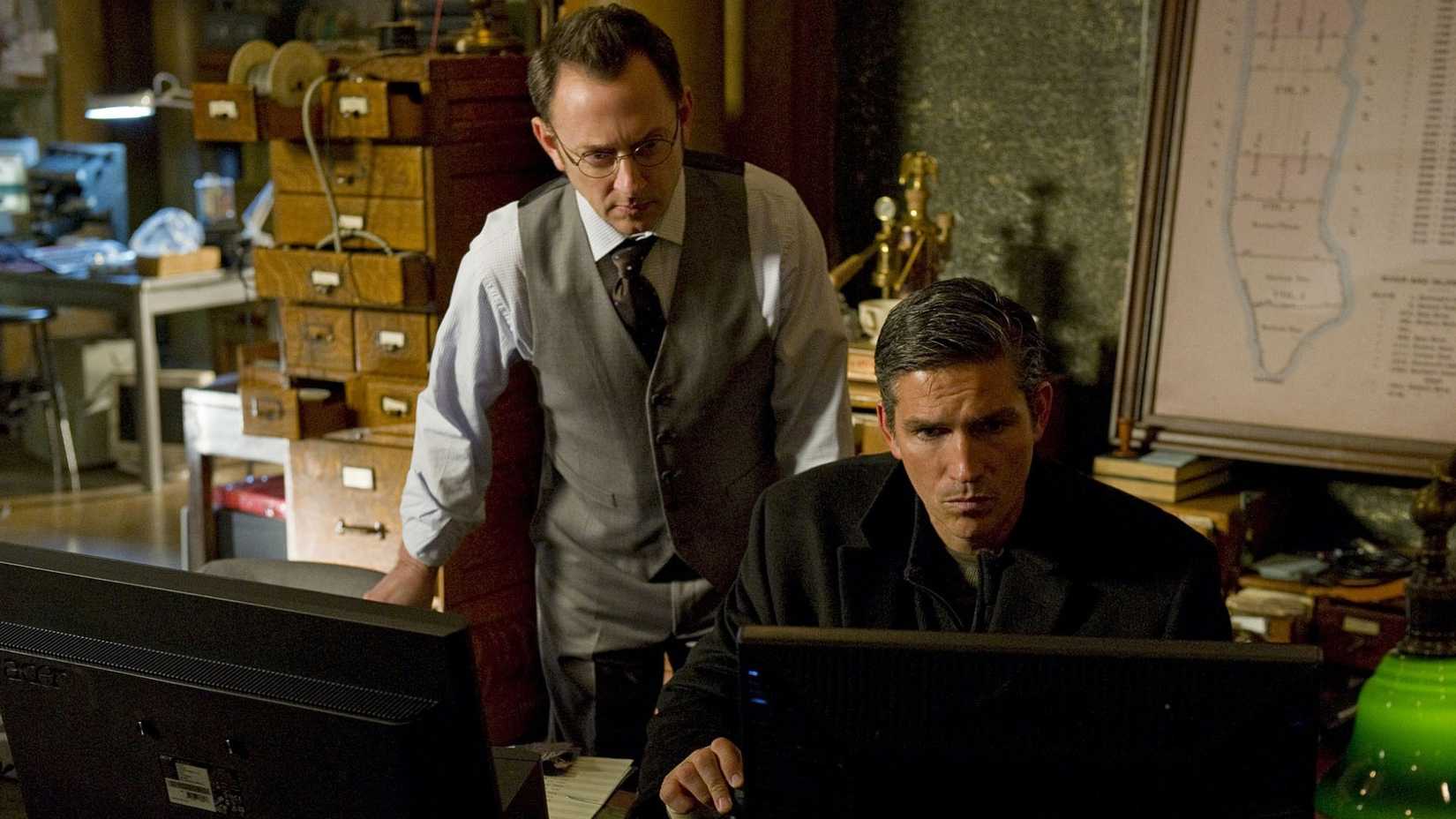
Reminiscent of movies like Minority Report and anime like Psycho-Pass, Person of Interest introduces a computer program called "the Machine." The program in question is able to crunch mass surveillance data and predict crimes before they happen. This makes it a useful tool for the federal government.
While "the Machine" in Person of Interest still remains in the realm of fiction, modern AI surveillance software is becoming increasingly sophisticated and invasive. Like the Jonathan Nolan show, it even raises questions surrounding whether it is justified to sacrifice individual privacy and civil liberties at the expense of serving the perceived "greater good."
Person of Interest later introduces a rogue A.I. called Samaritan. It is nothing like the mainstream evil artificial intelligence from movies like Terminator. Instead, it functions more as a pervasive surveillance state that pulls many threads from the behind the scenes. It delays traffic lights to keep political opponents stuck in traffic, manipulates search engines, and even alters new headlines to change public opinion.
In 2026, internet algorithms are largely driven by AI-generated content. Search engines, too, are actively promoting AI, allowing skewed algorithms and machine-generated noise to control everything from consumer choices to voting decisions. As depicted in the show, mega-corporations, too, have grown so much in power that even governments can no longer regulate them.
One Episode In Person Of Interest Seems Chillingly Prophetic
 Image via MovieStillsDB
In one of its most compelling episodes from season 1, titled "No Good Deed," Person of Interest walks through the story of an NSA analyst named Henry Peck. Henry is portrayed as a regular paper-pusher who notices how quickly the government processes copious amounts of data in a short duration. This helps him deduce that a secret, mass-surveillance machine exists.
When he tries to learn more, he is labeled as a traitor and even assassins are sent to kill him. His story ends with him being forced to go into hiding forever only because he uncovered the government's secret surveillance network.
Almost a year after this episode aired for the first time, Edward Snowden discovered almost the exact same bulk-data programs at the NSA in 2013. Like Henry, he, too, was forced to flee to escape government prosecution after he leaked the documents.
With this prophetic real-world parallel, the Jonathan Nolan sci-fi series proved that Oscar Wilde was right on the money when he said, "Life imitates Art far more than Art imitates Life."








 English (US) ·