
Serving tech enthusiasts for over 25 years.
TechSpot means tech analysis and advice you can trust.
In a nutshell: Nvidia CEO Jensen Huang says the company's AI accelerators can remain productive for eight years or longer, thanks to their performance, versatility, and continued software improvements. He argues that the traditional four-year lifecycle commonly associated with graphics processors no longer reflects the useful life of Nvidia's computing systems.
Speaking with Yahoo Finance's Deirdre Bosa on the sidelines of Nvidia's GTC conference in Berlin, CEO Jensen Huang described the company's AI accelerators as "productive," "fungible," and "durable." He argued that investors and lenders should rethink how they evaluate investments in AI infrastructure.
According to Huang, the risk of lending against Nvidia hardware is "the lowest of any asset," because the chips retain significant residual value across multiple customers and workloads. This versatility could make them attractive collateral for loans. Huang argued that financiers have yet to fully appreciate the flexibility of Nvidia's AI accelerators when assessing their long-term value.
Huang's comments echo similar remarks from Elon Musk, who recently argued that older AI accelerators can be more profitable than newer hardware for inference workloads because of their superior performance per watt. Musk believes companies should evaluate AI hardware based on how much intelligence it can generate per watt of electricity, rather than focusing solely on raw processing power.
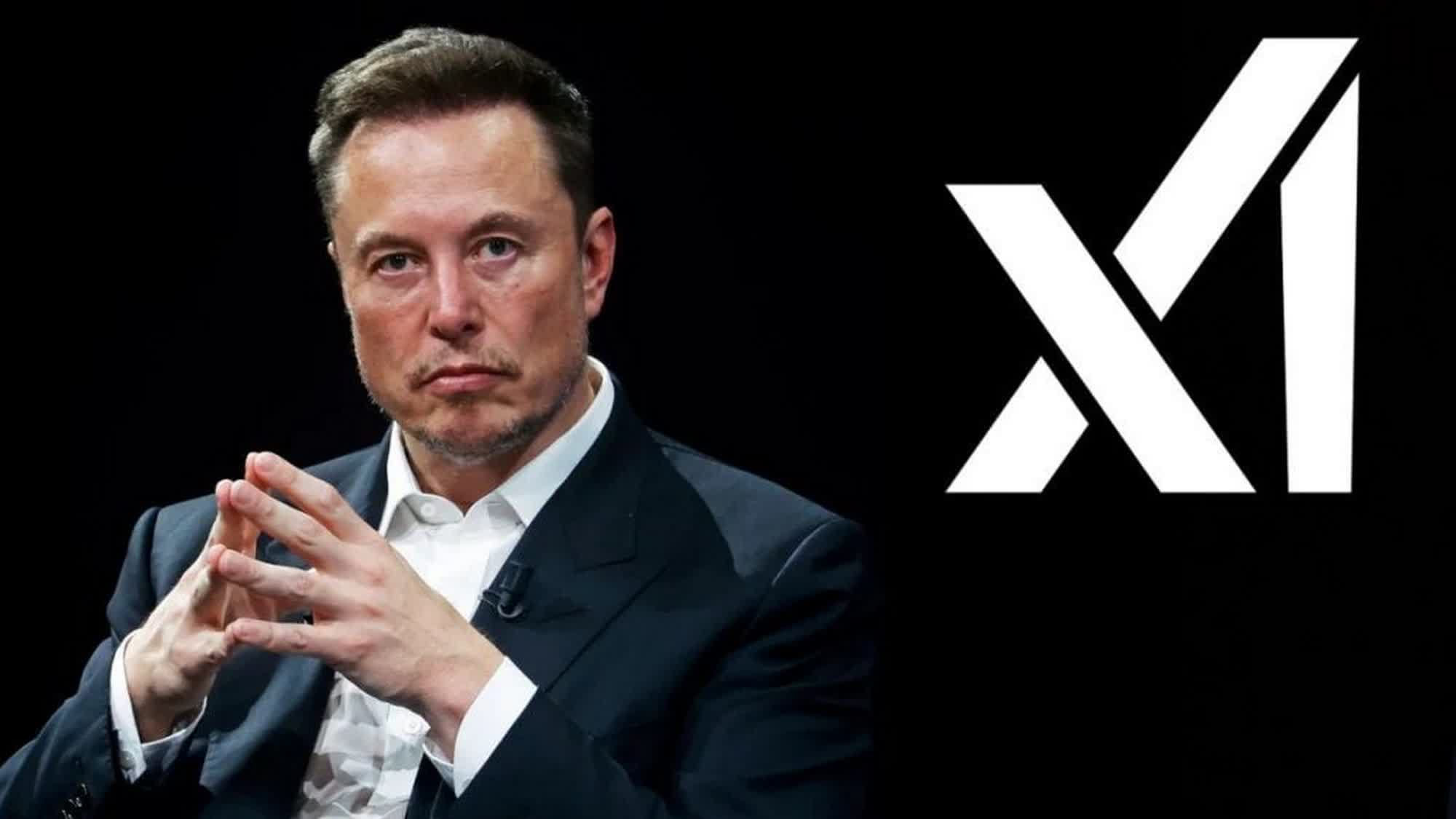
To support this performance-per-watt approach, Musk pointed to Nvidia's H100 chips, which are reportedly worth more today than when they were first released. Improvements in AI models and inference techniques have enabled the same hardware to deliver better results than before, potentially increasing its value.
Both Huang and Musk are highlighting a trend that has been gaining attention for some time: Nvidia's A100 and H100 accelerators have retained more residual value than many might have expected. The B200 is an even more striking example, reportedly being rented out or traded at prices equivalent to 158% of its original purchase price.
However, several factors influence the second-hand market for AI accelerators, and rising prices alone do not tell the whole story. According to industry insiders, the value of older accelerators depends not only on their condition, availability, and system configuration, but also on the workloads they are expected to handle.





 English (US) ·