But, through the work of some very talented writers and actors, the DCU's Lanterns has cracked the code. Not only that, they make it seem almost easy. But we all know it isn't easy. We know that understanding when to drop some serious exposition — like Hal Jordan's origin — and how to drop so it is easy to digest without stopping the show's rhythm takes a whole lot of careful planning and serious skill. And we know this because there are plenty of examples where exposition drops were so terrible they made audiences shudder. Madame Web's "he was in the Amazon with my mom when she was researching spiders just before she died" is a great example of how bad exposition can hit the ear wrong and take a person out of the story, and that isn't even in the movie.
But we don't even need to travel to the 616 — or an offshoot of it — for a perfect example. One project already showed the world just how badly the Green Lantern mythology can be explained to the casual audience.
2011's Green Lantern Told Too Much Too Often
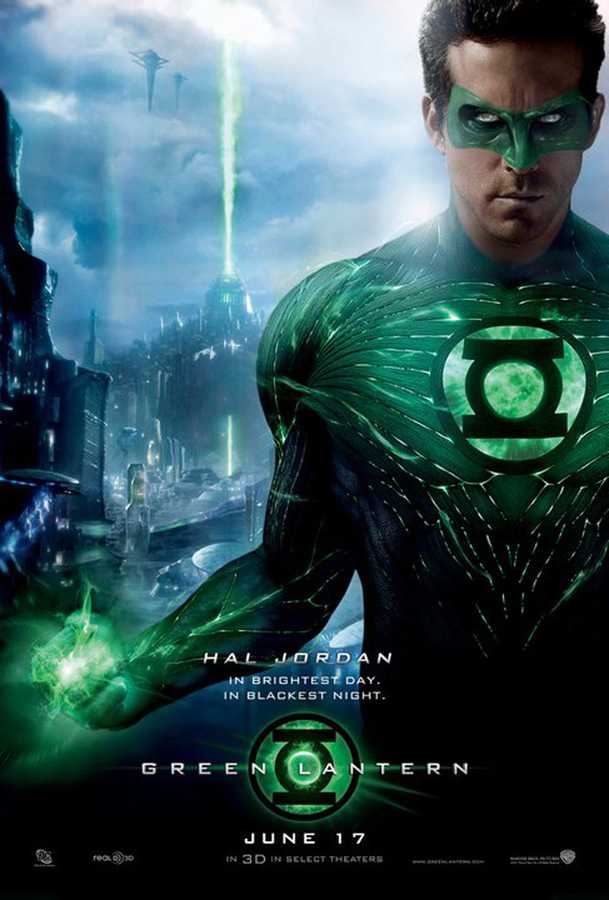
While Chris Mundy and the writers of Lanterns have been careful about what Green Lantern lore they reveal and when they reveal it, making the weirdness easier to digest for the average watcher, that wasn't how the 2011 Green Lantern movie went about things. The Ryan Reynolds-led movie that he never fully watched opens up with a long info dump trying to explain not only the Guardians of the Universe, how they split the universe up, and the Green Lantern Corps, but also Parallax and Abin Sur.It goes on for so long that the movie has to break in over the voice over to show the movie's title.
Clearly, the idea for the opening of Green Lantern was to try and do what Lord of the Rings: Fellowship of the Ring did, but it doesn't come close to matching that movie's ability to give the viewer background information, in part because the characters Green Lantern's opening focuses on aren't really part of the story, which just makes it all seem kind of pointless. But that isn't the only time the movie throws lots of information at the viewer in quick succession.
Along with Reynolds, who plays Hal Jordan, having to constantly repeat what the ring is to other people in the movie, the story also stops about 30 minutes in to have Sinestro repeat pretty much everything covered in the beginning. Then it all stops again for Tomar Re to explain the Green Lantern Corps to Hal, even though it was already told to us. And then, of course, the movie once more needs to halt the progression to have Blake Lively (who plays Carol Ferris) explain how the ring works to Hal before again pausing the pace so the Guardians can tell Hal all about Parallax. To say the least, the movie spends a lot of time re-telling viewers what has already been told. And, in the process, the viewer's mind shuts down because the method of telling them all of this is through long monologues that don't move the plot or character development forward.
But Lanterns hasn't run into that issue. Hal retelling his origin isn't just something that happens to fill in anyone unfamiliar with Green Lantern comics, it also shows off who he is in the way he tells the story, and what he is doing as he tells it (getting a little buzzed as part of his plan to get arrested). And while the show didn't dig too deep into John Stewart in the first two episodes (it looks like the third will really fill in his past), what it did give the viewer was what was needed to understand what kind of person he is without bashing them over the head.
Whether the crew behind Lanterns took any lessons from Green Lantern's mistakes is anyone's guess, but they sure knew how to avoid the same pitfalls.
Lanterns Does One Other Thing Green Lantern Didn't: It Takes The Lore Seriously
Along with the different ways they handle exposition, there's another very notable way Lanterns separates itself from Green Lantern: treating things with respect. In fairness to Green Lantern, 2011 was a very different time for superhero fare. Avengers had yet to come out, and audiences were still getting used to some of the more common parts of the genre, including the colorful suits and overall weirdness of superheroes as a concept. With that in mind, having characters give slight winks to the camera to let the audience know the movie also realizes that some of this stuff is pretty weird is understandable, but it still stands out as a problem in the movie itself.
Ryan Reynolds works so well as Deadpool because the character lends itself to his comedic style: a loveable but annoying jerk. Hal Jordan is cocky, but not a jerk, and there's a fine line between the two that Reynolds and his Green Lantern aren't able to walk. Instead of just going with the elements that, in reality, make no sense, the movie feels the need to call them out, making them more apparent to the viewer. The biggest one is Carl Ferris knowing Hal is Green Lantern because a domino mask isn't much help in hiding his face. We all know that, but we are, for the most part, willing to accept that the mask is enough if you tell us it is enough.
Lanterns, on the other hand, doesn't shy away from the weirder elements. It instead almost revels in them while keeping them grounded in the reality of the series. Yes, Hal has a uniform he doesn't like, but he wears it when he needs to. And yes, Hal is cocky and can come across as a jerk, but he clearly isn't one, and uses that style to throw people off. No one makes a joke about John Stewart (Aaron Pierre) making a bird because that is the kind of thing Green Lanterns can do (his being able to keep the construct going without the ring and while he's knocked out is sure to be answered before the end of the season). And then there's Earl, the carnivorous plant that Hal has a pet. No jokes about it being weird or out of the realm of reality, but the show is also aware that the idea is funny and plays it with in-universe and in-character humor.
How a story treats the material tells the audience what to think about it. Green Lantern, likely worried that people would think the whole thing was kind of goofy, tried to tell viewers everyone who made it was aware of the goofiness. But Lanterns goes the other way and tells the audience, "No, this isn't goofy. This is their lives and it is serious to them, so it will be serious to you."
Clearly, one method works much better than the other.
-
Release Date
August 16, 2026
Network
HBO
-

Aaron Pierre
John Stewart
-

-
Release Date
June 17, 2011
Runtime
114 minutes
-

Hal Jordan / Green Lantern
-












 English (US) ·