
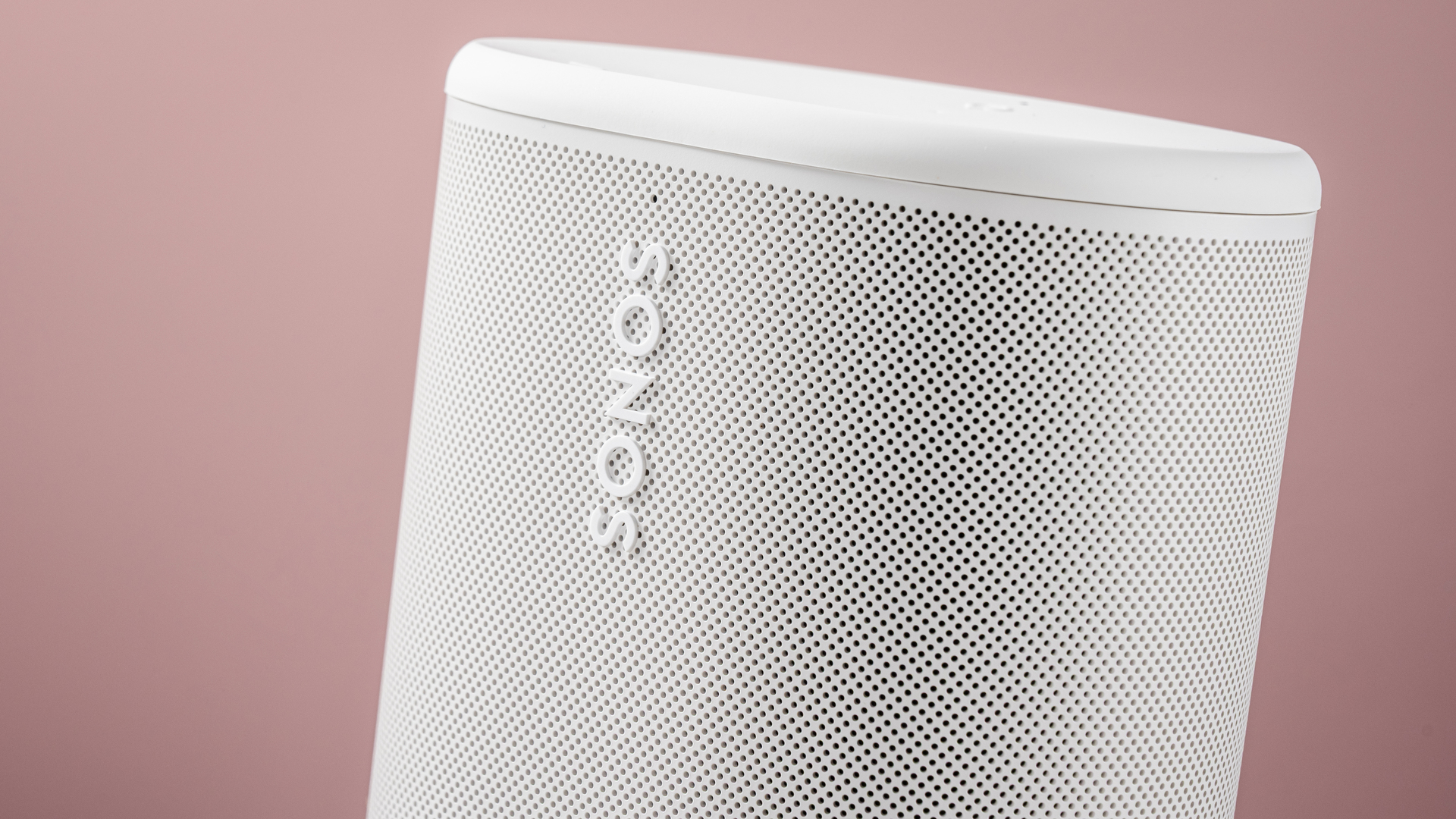
I spoke to Sonos CEO Tom Conrad recently, to discuss the launch of the company's new Sonos Play and Sonos Era 100 SL speakers, and how the company's big changes under his leadership influenced their development.
Naturally, we also discussed what really went wrong with the Sonos app disaster and how he's directing the team the fix it, and I also asked Conrad whether the launch of Dolby Atmos FlexConnect is a danger or an opportunity for Sonos.
But given the fact that Conrad's history includes 10 years at Pandora in the early days of music streaming — he was Chief Technology Officer when he left in 2024 — and that Sonos is so deeply connected to the music-streaming services, I wanted to ask what he thought about these services today, both in terms of working with them now on the Sonos app, and personally as a streaming pioneer.
Article continues below
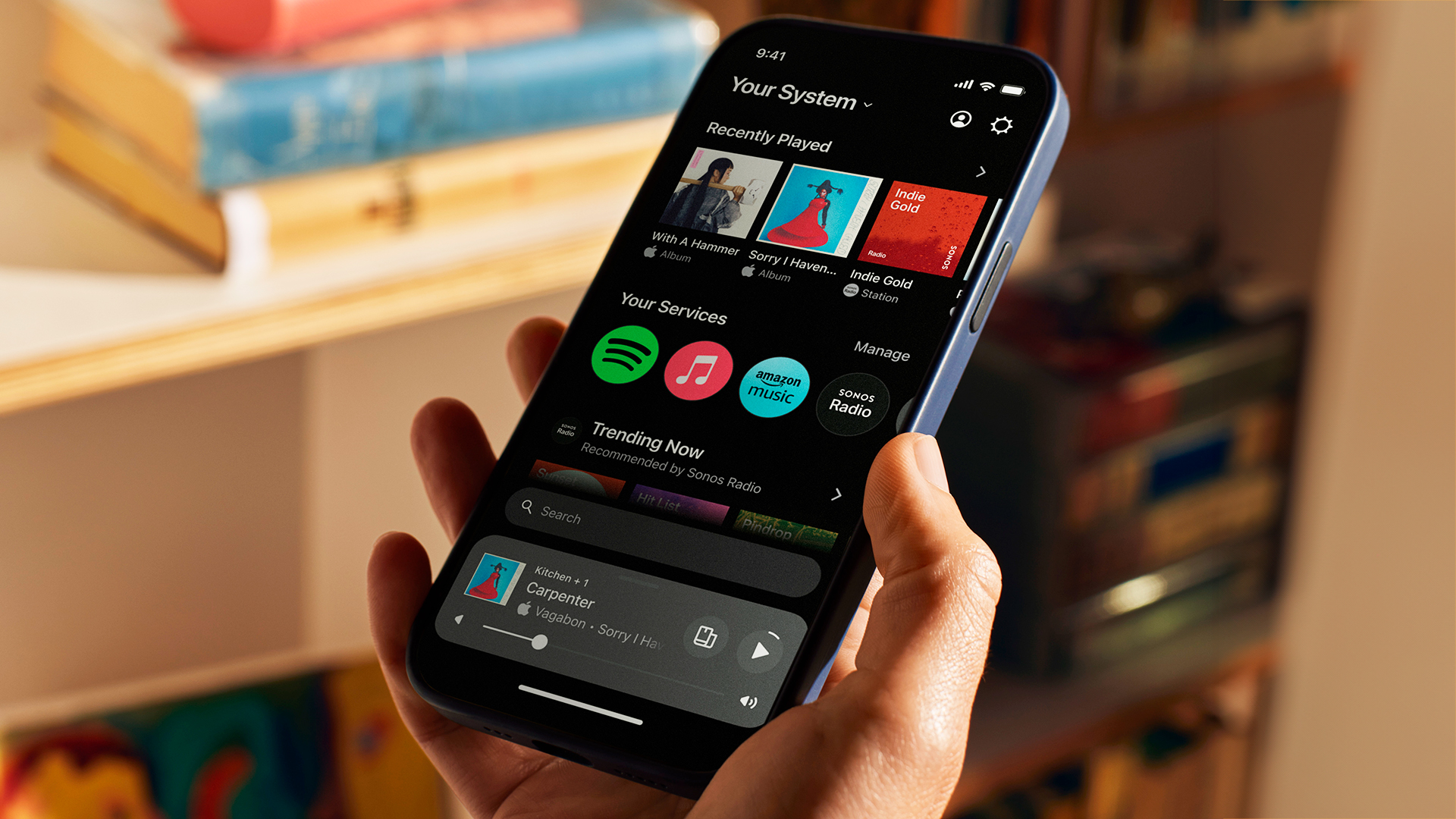
"One of the things I'm really excited about in terms of our software roadmap is working more closely with our music service partners," he begins. "All I really care about with with respect to listening to music on Sonos is getting the customer as quickly and seamlessly as possible to their outcome.
"If that means AirPlay or Bluetooth or Spotify Connect or experiences inside of Spotify versus experiences inside of our app… I don't care. I just want it to work every time, and have it be completely seamless. I feel like we have a better relationship with Apple, Amazon, Spotify than we have in years, and I'm really excited about the work we're driving together."
Apple is motivated by selling hardware, and Spotify is motivated by reducing licensing costs.
Tom Conrad, Sonos CEOI expect those who use the Sonos app instead of AirPlay or other direct streaming tech will be pleased with the idea of being able to get into music quicker and more easily, but it's the more personal insights I'm more interesting in, and Conrad shared some of those too.
"You know, the iPod invented the core conventions of modern digital music, and then in 2004, Pandora and Last FM, I suppose, kind of invented the modern conventions around personalized streaming audio," he told me. "And it's been 20 years, and it's surprising to me how little has changed in that experience.
"We've gone from a world where you had access to just the CDs you bought to a world where you have access to hundreds of millions of songs in your pocket, and yet the user interface of it all is kind of just some hierarchical browsing, and then a fullscreen audio player with skip buttons and things.
"I guess quietly, at night, I sort of imagine a future where there's more innovation and [questioning] what does it mean to navigate the whole entire world of music with something that wasn't designed for 1,000 songs in your pocket."
Motivational speaker
I asked if Conrad thinks the physically small size of phone screens is a restrictive element that holds us back from developing new ways of interacting with music.
"You know what I think is mostly holding us back in that regard? Apple is motivated by selling hardware, and Spotify is motivated by reducing licensing costs, and no one is motivated by: let's make a great and innovative music discovery experience for the consumer."
I point out that Qobuz and Tidal are more focused on music discovery, but don't have the bottomless resources that Spotify and Apple do, which Conrad agrees with — but overall, I agree with him.
I always say that the vinyl revival and the popularity of the best turntables here in the 2020s is in no small part because people want music to feel special, with the thrill of discovery. Physical media gives people the excitement of successfully finding something they didn't have before when they're looking through a record store's boxes — the power of a surprise.
Obviously, it would be foolish to replicate the scarcity element of physical media in a streaming app, but Conrad's suggestion of new ways to navigate and discover music seems like a way to scratch that same itch of making music apps exciting by providing more ways for you to find something you've never heard before, and to then explore that artist or genre.
The discovery features of music streaming services feel so narrow — they either replace radio or throw a pipeline of music at you without context, and with only the foggiest sense of why you'd be interested in it.
I'd like it to feel interactive, like by opening the correct door, searching in the correct box, or asking the correct source, I can find something new to experience. I hope we'll see more innovative interfaces to create the experience of being a smart record hunter in the future.
Follow TechRadar on Google News and add us as a preferred source to get our expert news, reviews, and opinion in your feeds. Make sure to click the Follow button!
And of course, you can also follow TechRadar on YouTube and TikTok for news, reviews, unboxings in video form, and get regular updates from us on WhatsApp too.




 English (US) ·