
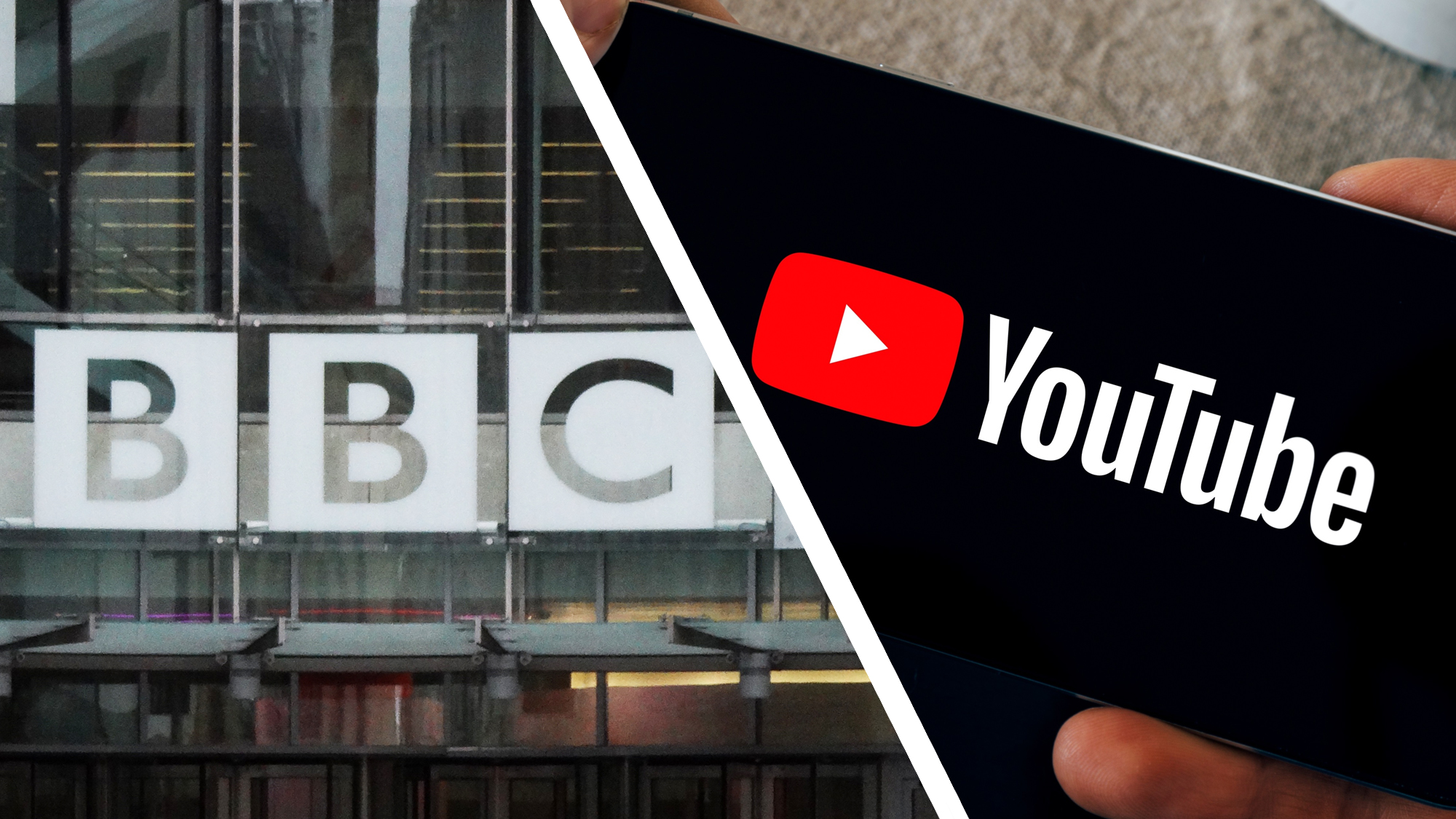
The TV licence fee in the UK has funded the BBC for over a century, though for the first 23 years it only covered radio. Currently costing £180 a year for a colour TV, it's required by law for watching and recording any live TV, using iPlayer, and watching live TV on any streaming service, with the money raised primarily going towards the television, radio, and online output of the Beeb.
In recent years though, this funding system has been showing serious signs of strain. Since 2010, licence fee funding has fallen by 28%, with the BBC managing 15% in cost cutting in response.
More money is needed from somewhere, and The Independent reports that the government will introduce a so-called 'YouTube tax' next year, when the rules around the BBC's funding are set to be renewed. A government white paper is expected to be published before Christmas.
Here's what could be happening to the license fee, and what it potentially means for anyone watching TV or streaming content in the UK from 2027.
What is the proposed 'YouTube tax'?
If you avoid watching live TV and using iPlayer, you can get around the TV licence fee under the current rules, while still benefiting from a lot of BBC-made content — content which often shows up on other platforms like YouTube and Netflix. The government wants that to change, and in a white paper due to be made public before the end of the year, it's expected to suggest the 'YouTube tax' as a way of keeping the BBC well funded.
Bringing streaming services into the scope of the licence fee is one of the 'least bad' options on the table.
Richard Broughton, Ampere AnalysisIt would mean using any streaming service in the UK, such as YouTube, Disney+, Amazon Prime, or Netflix, would require a £180 TV licence every year. Estimates suggest it could get the BBC an extra £1.6 billion in funding annually, even if the fee stayed at £180, because so many more people would have to pay.
While nothing is official yet, the government hasn't denied the report, saying only that a "range of options" are being assessed ahead of the renewal of the BBC's Royal Charter during 2027, which will come into effect on the 1st of January, 2028. Whatever happens, most people seem to be in agreement that the way the BBC is funded has to move with the times and match the way we all consume content now.
"The licence fee as it stands can’t sustain what the BBC has been spending," Nic Conner, from Parisi Consulting, told us. "We're already seeing large scale redundancies and cuts to the programs it makes. I wonder how much longer the BBC will be able to afford natural history series like David Attenborough's Planet Earth. Those crews spend years filming. It gets harder to justify that kind of cost."
What are the arguments in favour of it?

On the face of it, having to pay a licence fee to watch Netflix or YouTube seems unfair on those who don't watch BBC content. However, the idea's backers point out that the BBC does a lot more than just TV shows.
It does not make sense to link the BBC's funding to a declining legacy mode of consumption.
Niamh Burns, Enders AnalysisThey point to the wide range of services the Beeb provides (including news, current affairs coverage and educational projects), its ability to produce content that's less commercially viable, its important efforts in tackling misinformation, and its role in developing talent and investing in media. In short, more BBC funding cuts would mean the entire media ecosystem in the UK loses out more generally as well.
"The BBC is a universal service: it is available to all audiences, and its services are used by the vast majority," Niamh Burns from Enders Analysis told TechRadar. "Its funding model needs to be universal to ensure it can continue to provide for audiences in this way: it does not make sense to link the BBC's funding to a declining legacy mode of consumption."
"One key argument is the significance of the BBC for supporting the UK production industry," Ampere Analysis co-founder Richard Broughton told us. "This has both direct benefits with BBC funding flowing directly to UK producers, and indirect with BBC support effectively acting as a training ground for production talent, which has helped position the UK as a key destination for inward investment on film and TV."
"Ultimately the TV licence needs to be reformed to maintain a BBC which fulfils its public purpose. Bringing streaming services into the scope of the licence fee is one of the 'least bad' options on the table, and thus feels like a way forward for supporting a revitalised BBC without overly impacting the broader TV or communications market, or risking the BBC becoming reliant on central tax funding," he added.
What are the arguments against it?
There's also been a lot of pushback to the rumoured plans. Paying for the BBC if you're already paying for Netflix or Prime Video — and quite possibly avoiding BBC content altogether — seems like a hard sell, and it would also be difficult to enforce. According to a recent YouGov survey, 65% of the UK public are somewhat or strongly opposed to the idea.
It feels like a shakedown, effectively asking viewers to pay twice and subsidise a service they have actively opted out of.
Jon Manning, PMG"The BBC is a culturally vital part of UK life, and one of our greatest global exports," Jon Manning, a Converged Media Lead at PMG, told TechRadar. "But, as much as I want 'Auntie' to succeed, extending the licence fee to cover streaming services is not the answer... asking households to pay £180 a year for the BBC simply because they watch Netflix or YouTube feels like a shakedown, effectively asking viewers to pay twice and subsidise a service they have actively opted out of."
Not everyone agrees with this take. "Viewers wouldn't really be paying twice for streaming services, any more than they would have been paying twice if they took a Sky subscription historically," argues Richard Broughton from Ampere Analysis.
Perhaps the stronger argument against the idea is that younger people would be disproportionately penalised. "According to Barb's latest Q3 establishment survey, 10% of 16-34s have no TV, but a staggering 48% of 16-34s access exclusively via IP — in other words, no aerial, no set top box, no satellite dish," said Jon Manning. "A portion of this 48% won't be watching any live content and instead will be exclusively streaming — they will be unfairly penalised. Instead, Whitehall will eventually have to look at commercial alternatives rather than penalising viewers for going elsewhere, such as a capped, ad-supported iPlayer tier that remains licence-free," he added.
There are plenty of reactions on Reddit too, as there often are. The vast majority of commenters seem set against the idea, with some calling it "Orwellian" and "coercion", and suggesting it'll lead to a rise in piracy. "There is no justification for propping up an entity that can't compete in the contemporary landscape," is one of the comments that sums up the general mood.
What's going to happen next?

The UK government is going to publish its white paper on BBC funding before the year is out, and then we'll know for sure if any kind of streaming tax is included. Any new funding arrangements will come into force at the start of 2028. The licence fee will rise in line with inflation once more before the current charter expires, in April 2027.
When the white paper appears, it will act as an outline of what the government intends to do, with the process led by the culture secretary (currently Lisa Nandy) and their department. For the charter itself, it's negotiated between the BBC and the government, and the bottom line is that the government decides what will happen.
While MPs and peers should get a chance to debate any changes, there won't be a vote on it — it's up to the government to decide what should happen, and weigh up how well it will go down with voters. That might change if there's a substantial shift in how the funding model works, like a household levy, that needs new primary legislation.
"Fundamentally, this just comes back to the overarching question of a) what people believe the BBC should do, and b) in this context, what is the funding level which allows it to achieve the mission," Richard Broughton from Ampere told us. "If the conclusion from policy-makers is that the BBC is underfunded for this mission — and there is of course plenty of evidence to illustrate the decline in real-terms income of the BBC over the last 5-10 years — then the licence fee needs to be extended or replaced."
It won't be long until we find out which of those routes the government chooses, but what do you think? Let us know in the poll and comments below.
Follow TechRadar on Google News and add us as a preferred source to get our expert news, reviews, and opinion in your feeds.






 English (US) ·