
 3 weeks ago
35
3 weeks ago
35
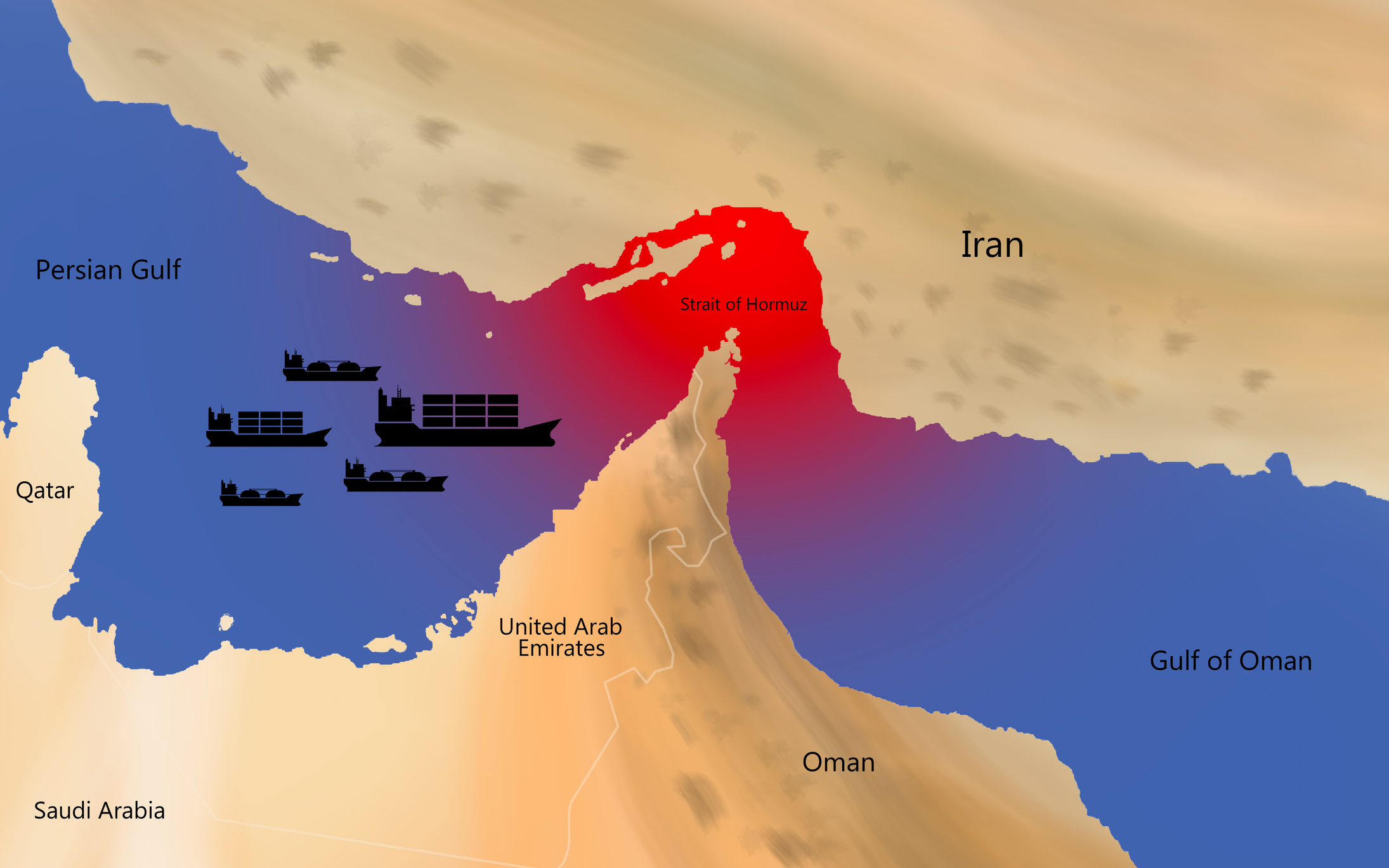
Iran is likely to study and attempt to reverse-engineer a U.S. Navy underwater drone captured by Iranian forces near the Strait of Hormuz, potentially handing Tehran useful technology while delivering a setback for the Pentagon. According to a Reuters report published September 9, the 19-foot Dive-LD autonomous underwater vehicle malfunctioned while surveying regional waters before Iran’s Islamic Revolutionary Guard Corps recovered it.
Both the U.S. military and the drone’s manufacturer Anduril quickly moved to downplay the significance of the loss. Analysts cited by Reuters also said the captured drone was unlikely to provide Iran with a decisive military advantage. At the very least, however, the vehicle gives Tehran a propaganda victory and an opportunity to examine American undersea technology as the U.S.-Iran war enters its seventh month.
Tehran already appears to be having a field day with the situation, with Iranian embassies around the world mocking the U.S. for losing the drone. In an X post, Iran’s embassy in Ghana compared its recovery to pulling a plastic bottle from a fishing net, adding that it was “still blinking like an idiot.” Iran's embassy in Hyderabad was even more direct about what might happen next, posting: “Unboxing ceremony by our reverse engineers, tomorrow morning!”
A noticeable gap has emerged between how Anduril markets the Dive-LD and how the U.S. military is now describing the captured vehicle. Anduril promotes the Dive-LD as a highly reliable and adaptable large autonomous underwater vehicle capable of operating for up to 10 days in demanding environments, previously calling the platform the most reliable and flexible autonomous underwater vehicle on the market. The Navy, meanwhile, described the lost vehicle as an older, defective model that “neither collected sensitive data nor carried any classified sonar or radar equipment.”
Despite attempts to downplay the incident, Washington has historically taken similar incidents seriously. After Iran recovered an RQ-170 Sentinel stealth reconnaissance drone in 2011, then-President Barack Obama publicly requested its return. Tehran subsequently claimed that it had reverse-engineered the aircraft and unveiled domestic drones apparently influenced by its design. In 2022, the U.S. Navy dispatched a patrol ship and an MH-60S Seahawk helicopter after an Iranian naval vessel attempted to tow away an American Saildrone surface vehicle in the Gulf.
Iran's comical commentary is backed by a genuine ability to extract useful information from captured hardware. Bryan Clark, director of the Center for Defense Concepts and Technology at the Hudson Institute, told Reuters that Iranian engineers “could definitely reverse-engineer the mechanical systems.” However, he was more skeptical about Tehran’s ability to penetrate the software, which reportedly includes defenses intended to frustrate exploitation attempts.
Regardless of any reverse engineering limitations, analysts say Iran will continue to present the incident as evidence of Iranian control around the Strait of Hormuz and U.S. vulnerability there. “This is something that Iran has proven very adept at exploiting for its own benefit in terms of seeking to frame the narrative as one of U.S., in this case, ineptitude and their ability to sort of retain control over the Strait of Hormuz,” said Mona Yacoubian, director of the Middle East program at the Center for Strategic and International Studies.
The United States and Iran have been at war since Washington launched Operation Epic Fury in late February, with the conflict repeatedly spilling into the technology industry and its supply chains. In April 2026, an Iranian strike halted production at Saudi Arabia’s Jubail petrochemical complex, disrupting supplies of a critical resin used in PCB laminates. Iranian cruise missiles also reportedly struck an Amazon data center in Bahrain in July.

Follow Tom's Hardware on Google News, or add us as a preferred source, to get our latest news, analysis, & reviews in your feeds.






 English (US) ·