
 2 weeks ago
36
2 weeks ago
36
Iran’s security apparatus is flatly rejecting US claims about the free flow of oil through the Strait of Hormuz, insisting the waterway remains closed on its terms.
Roughly 20% of the world’s petroleum passes through this 21-mile-wide channel on a normal day. These are not normal days.
Two governments, two realities
Daily shipping traffic through the strait has plummeted to under 20 vessels as of late August 2026, down from an average of around 130 before hostilities escalated. That is an 85% collapse in transit volume.
On the American side, US Central Command reported facilitating the passage of over 1,500 commercial vessels and the movement of 750 million barrels of oil in August 2026 alone. Iran’s security sources call those figures false, maintaining that Tehran continues to enforce its closure of the strait.
How we got here
The current standoff traces back to a broader US-Iran conflict that escalated sharply in February 2026. In May 2026, Tehran established the Persian Gulf Strait Authority, or PGSA, a new regulatory body that requires passage permits for any vessel transiting the strait.
A brief diplomatic window opened on June 17, 2026, when the two sides signed a memorandum of understanding allowing safe passage without fees for 60 days. A resurgence of hostilities in July derailed the fragile arrangement, and Iranian officials have since reiterated that the strait will remain closed until the US lifts what Tehran describes as a blockade.
What this means for oil markets
The Strait of Hormuz facilitates about one-fifth of global oil and LNG exports from Saudi Arabia, Iraq, Kuwait, the UAE, and Qatar. The ongoing disruption has resulted in increased insurance premiums and unconventional shipping practices such as operating under a shadow fleet, while the US has promoted a southern corridor alternative.
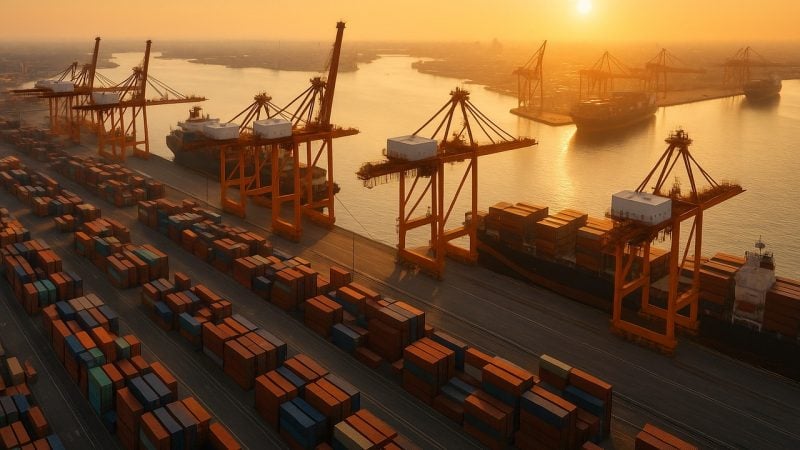
The ripple effects extend beyond crude oil. Natural gas shipments, petrochemical feedstocks, and container traffic all flow through the same waterway.
Disclosure: This article was edited by Editorial Team. For more information on how we create and review content, see our Editorial Policy.





 English (US) ·