
 3 hours ago
6
3 hours ago
6
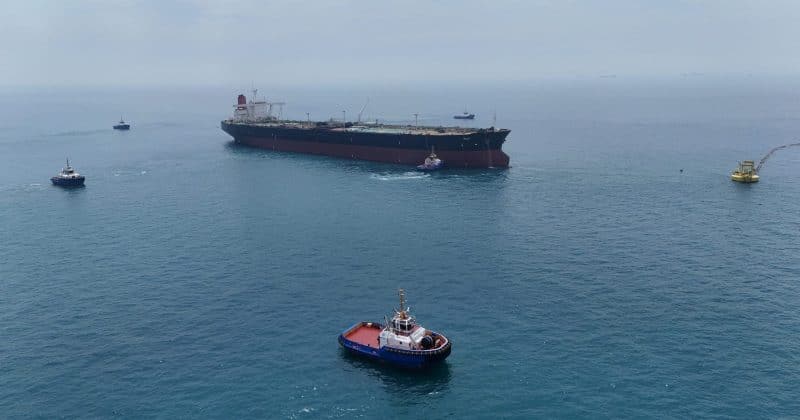
Iran has significantly increased the volume of crude oil being sent through the Strait of Hormuz, reaching the highest levels since the onset of the conflict with Israel and the United States earlier this year. This development comes amid ongoing tensions in the region, where the strait remains a critical chokepoint for global oil trade. The move suggests that Iran is attempting to maintain its oil exports and revenue streams despite the ongoing maritime confrontations. Market participants appear to interpret this as a potential indicator of traffic normalization, which could impact prediction markets concerned with the stability of shipping through this strategic passage.
Key Takeaways
- Iran’s increased crude oil shipments through the Strait of Hormuz appear consistent with scenarios where traffic normalization is possible.
- Market pricing suggests a notable shift in expectations, with participants viewing the rise in shipments as supportive of a potential resolution.
- The current market odds reflect skepticism about normalization by June 15, but increased confidence in the possibility by the end of June.
What to Watch
Observers are monitoring the situation closely for any indications of diplomatic progress or military de-escalation that could further support traffic normalization. Specific attention is on possible announcements from Iranian or U.S. officials regarding maritime operations in the strait. Additionally, any reports from the IMF PortWatch or shipping insurers about changes in operational status or risk premiums could significantly influence market expectations.
Get prediction market intelligence as a structured API feed. Early access waitlist.
Disclosure: This article was edited by Estefano Gomez. For more information on how we create and review content, see our Editorial Policy.







 English (US) ·