
 4 weeks ago
54
4 weeks ago
54
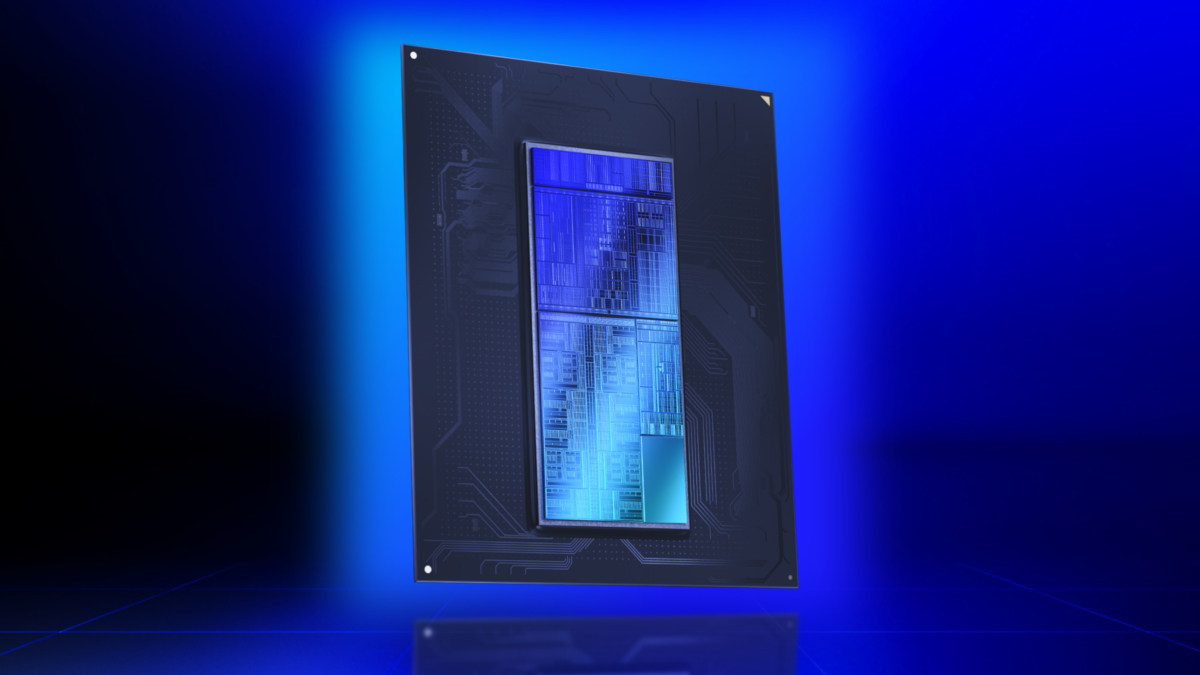
Intel's upcoming, next-gen Nova Lake CPUs are rumored to feature extra pools of L3 cache that the company is calling bLLC (Big Last Level Cache). It's Intel's answer to AMD's 3D V-Cache that has taken the gaming world by storm, but a new report from tipster Jaykihn implies that Nova Lake mobile chips will be skipping it entirely. Instead, the company is purportedly reserving bLLC's mobile debut for the generation after, codenamed Razor Lake.
That implies that only Nova Lake desktop processors will be the lucky recipients of bLLC, and even then, only a few higher-end SKUs are expected to feature it. Current rumors suggest a single NVL-S tile is said to house 144MB of bLLC when fully equipped, so dual-tile variants will double that to a whopping 288MB. But it seems like any laptop chip, or perhaps handheld, will be starved of this extra cache and rely on NVL-HX's native L3 cache.
In contrast, AMD first brought its 3D V-Cache over to laptops with the Ryzen 9 7945HX3D back in 2023, and has a Ryzen 9 9995HX3D chip today. Those two act as exceptions because, otherwise, the Red Team's additional cache is exclusive to desktops as well. AMD's flagship Strix Halo products aimed at gaming don't feature it either. Coincidentally, Intel's Halo-tier competitor is also said to debut with the Razor Lake family.
Earlier this year, rumors suggested that Intel is developing Nova Lake-AX to take on AMD's dominance in the high-end APU space, but the project was subsequently cancelled. New information said Intel decided to pivot to Razor Lake for an "AX" category instead, so it stands to reason we might see bLLC power Razor Lake-AX SKUs later as well, alongside the mainstream Razor Lake-HX chips.
In the same thread, Jaykihn also claimed that Razor Lake will be fabricated on TSMC's N2X node across mobile and desktop. On the other hand, it's still unclear whether Nova Lake would use the in-house 18A process or TSMC's N2P. Initial rumors pointed toward yield issues forcing Intel to leverage TSMC's technology, but more recent claims suggest the company is confident in its own 18A tech for most of Nova Lake's tiles.
It's likely that the Blue Team will utilize some combination of in-house and outsourced fabrication. Anyhow, for Razor Lake, TSMC's process technology roadmap from earlier this year puts N2X in 2027, so the timelines align. Razor Lake is expected to use the same Coyote Cove P-cores and Arctic Wolf E-cores that will be introduced on Nova Lake, while the generation after — Titan Lake — is rumored to finally unify the two.

Follow Tom's Hardware on Google News, or add us as a preferred source, to get our latest news, analysis, & reviews in your feeds.







 English (US) ·