
 7 hours ago
2
7 hours ago
2
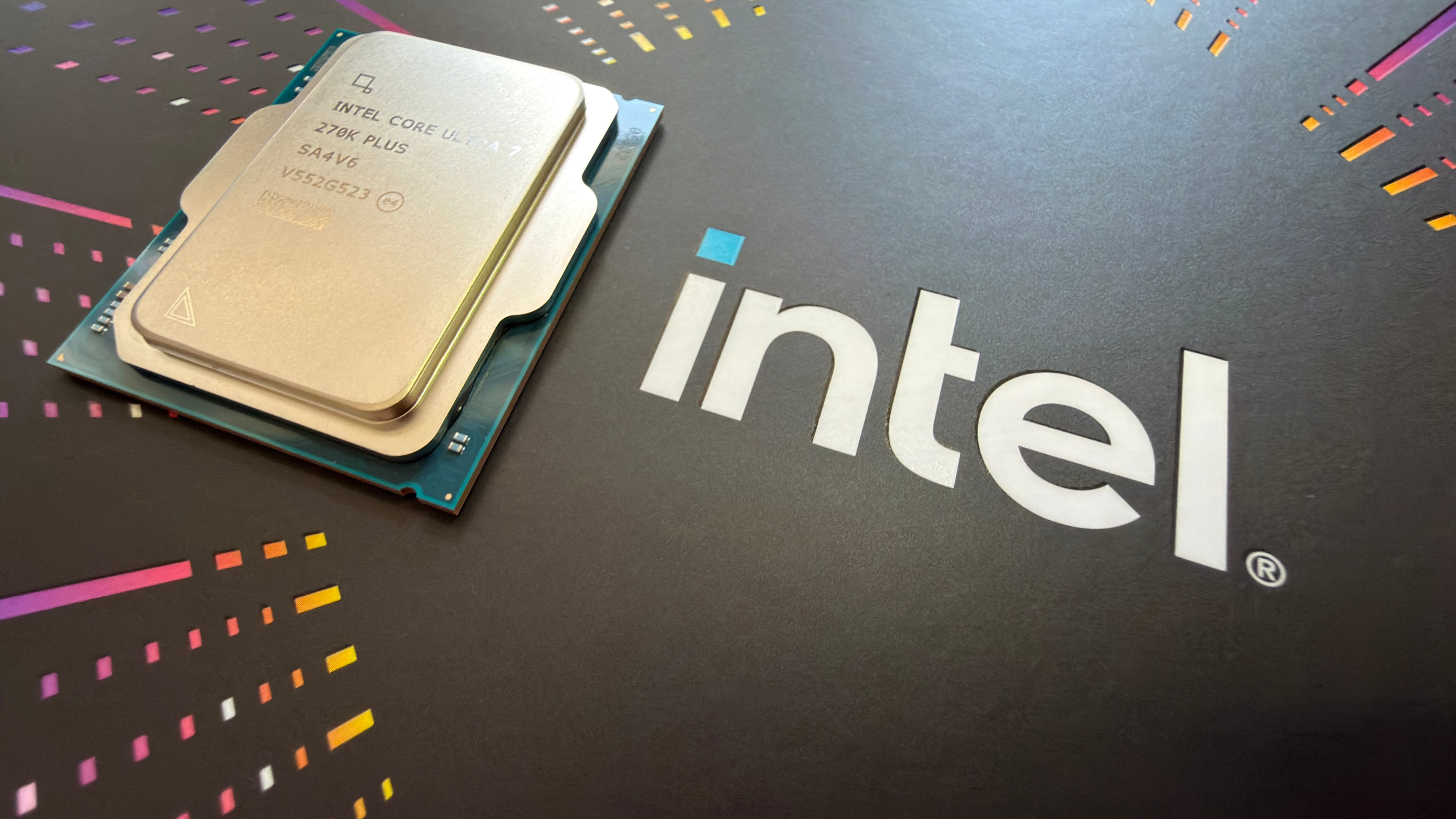
If you take a gander inside your gaming PC and randomly point at any component in there, you're almost certainly going to land on something that's noticeably more expensive than it was just 12 months ago. And if that so happens to be an Intel Core Ultra 200S Plus chip, then that's included too, as the recommended retail price has quietly jumped up.
As reported by HardwareLuxx, the Core Ultra 7 270K Plus and Core 5 250K Plus, as well as their iGPU-less F-variants, have gained tens of dollars on what Intel calls the 'Recommended Customer Price'. In the case of the 270K Plus, it's now $339 to $349, with its smaller sibling now $219 to $229.
That's a minimum increase of $40 and $20, respectively, and while it's not a huge leap in the grand scheme of things, a 13%/10% rise isn't merely pennies, either.
You can probably guess why the prices have risen, but HardwareLuxx contacted Intel anyway and received the following response: "The recent pricing updates reflect current market dynamics, including rising supply chain costs and strong demand for our Intel Core Ultra 200S Plus processors. These updates are in line with recent price increases for other Intel product families based on similar factors."
It's worth noting that while Intel itself makes the Foveros interposer base tile in the 200K Plus chips, and packages everything together, it's TSMC that makes everything else: the compute tile, the IO tile, and the graphics chiplet. That means if TSMC decides that all its nodes now cost a little more to run, it's Intel (well, us) that has to pay the extra.
Gaming performance
Cyberpunk 2077 (1080p RT Ultra + DLSS Balanced)
Intel Core Ultra 7 270K Plus
| Intel Core Ultra 7 270K Plus | 119 Avg FPS, 98 1% Low FPS |
| Intel Core Ultra 9 285K | 118 Avg FPS, 95 1% Low FPS |
| Intel Core Ultra 7 265K | 117 Avg FPS, 90 1% Low FPS |
| AMD Ryzen 9 9950X3D | 111 Avg FPS, 67 1% Low FPS |
| AMD Ryzen 7 9800X3D | 112 Avg FPS, 76 1% Low FPS |
| AMD Ryzen 7 9700X | 99 Avg FPS, 59 1% Low FPS |
1 of 6

The only bit of good news in all of this is that both CPUs are still well worth considering, even at their highest recommended consumer price. You can buy an AMD Ryzen 7 9700X for $305 at Amazon, but the 270K Plus is a superior product: faster in games, and much better for heavy multithreaded workloads.
Of course, the downside to buying any new Intel processor is that the LGA 1851 has already reached its end, and if you buy a 270K Plus, there's nothing better to replace it. Not now, not in the future. You'll need to buy a new motherboard if you want to upgrade to a Nova Lake chip.
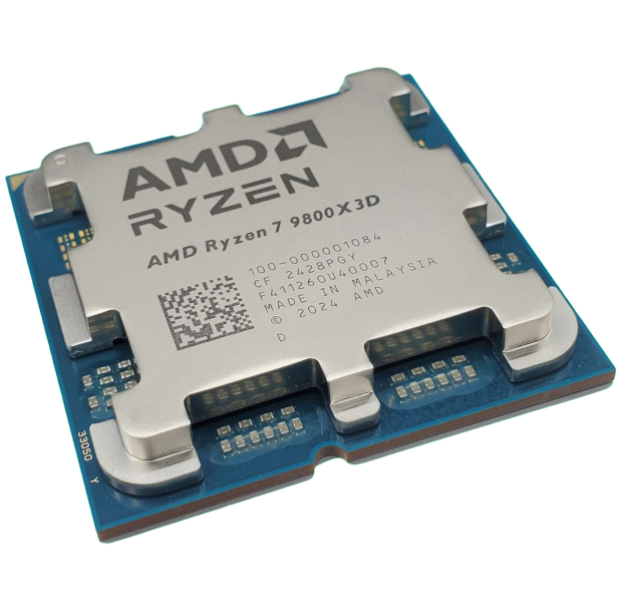
Whereas with an AM5 Ryzen chip, of course, whatever motherboard you've currently got will almost certainly take a Zen 6 processor, and perhaps even one more generation. At the very least, you can easily replace a Ryzen 5 7600X, for example, with a hot-snotting Ryzen 7 9800X3D.
Still, at least neither company has decided to go all DRAM on us and quadruple the price tag.






 English (US) ·