
 1 week ago
10
1 week ago
10
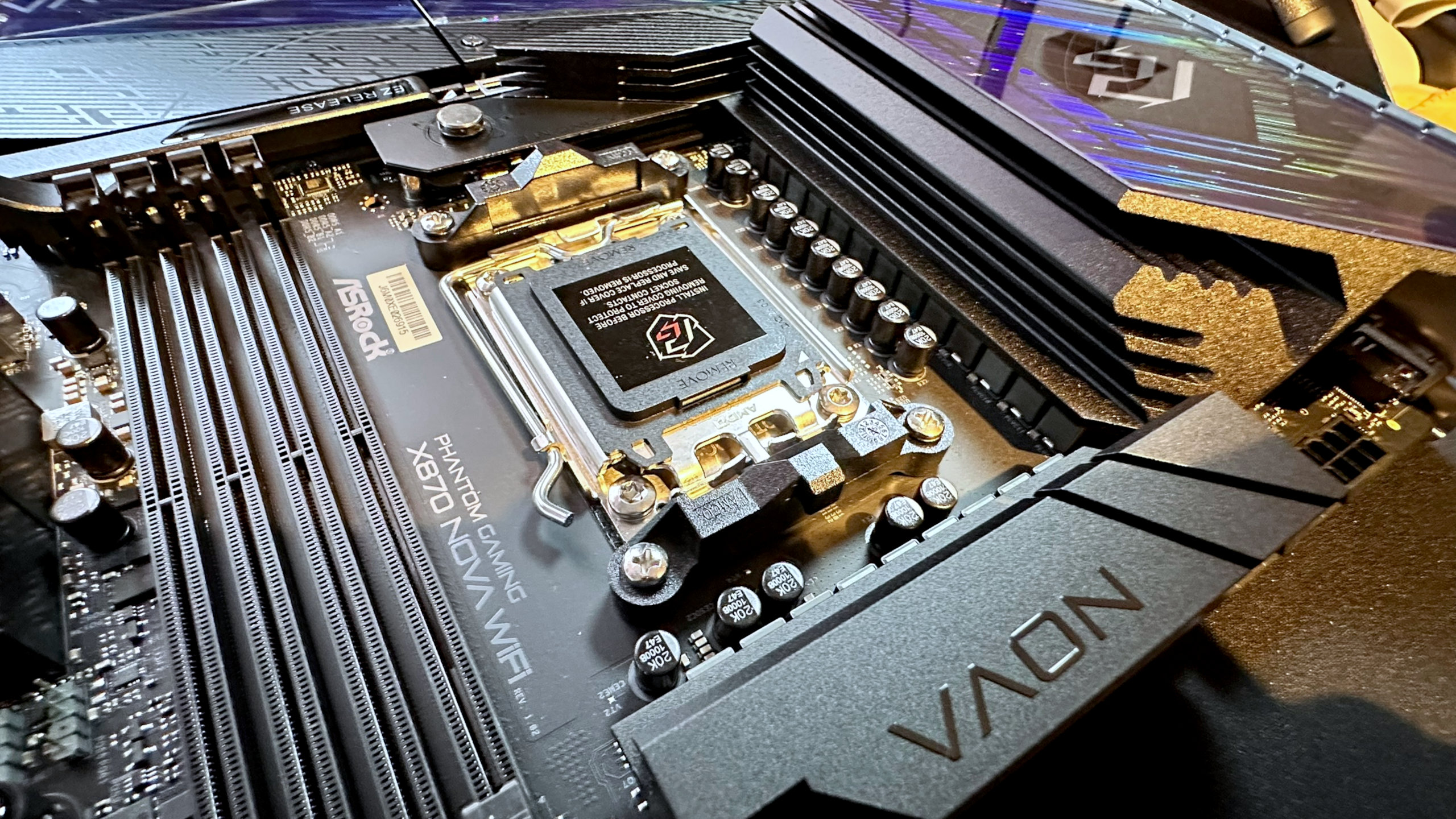
Modern gaming PCs are relatively easy to build and use, but underneath that friendly exterior, they're still incredibly complicated things. So when they start doing weird stuff like refusing to boot after being used for a while, it can be really hard to solve the issue. However, if your PC is doing precisely that and uses an AM5 Ryzen processor in an ASRock motherboard, then the fix is actually very simple.
Specifically, all you need to do is update the BIOS to ASRock's newly announced beta version 4.07.AS01, which incorporates AMD's latest AGESA ComboAM5 PI 1.3.0.0a (don't you just love short, snappy tech names?). Just head over to this list of all AM5 ASRock motherboards to the right update for your rig.
ASRock Motherboard BIOS Update Tutorial - YouTube

The same is true if your PC won't boot because your ASRock motherboard appears to have fried your AMD Ryzen processor. No amount of BIOS updates is ever going to solve that problem. I hasten to add that it's not just ASRock motherboards that have been giving PC gamers coniptions because there have reports of CPUs dying in Asus, Gigabyte, and MSI boards. However, when you collate all of these, ASRock does top the list and by no small margin.
Given that the company had worked really hard at overcoming its old reputation of 'cheap and cheerful', it's a shame that it's topping the news headlines for all the wrong reasons at the moment. Still, at least ASRock is releasing solutions to these various problems. Now it just needs to develop a fix for its reputation.








 English (US) ·