
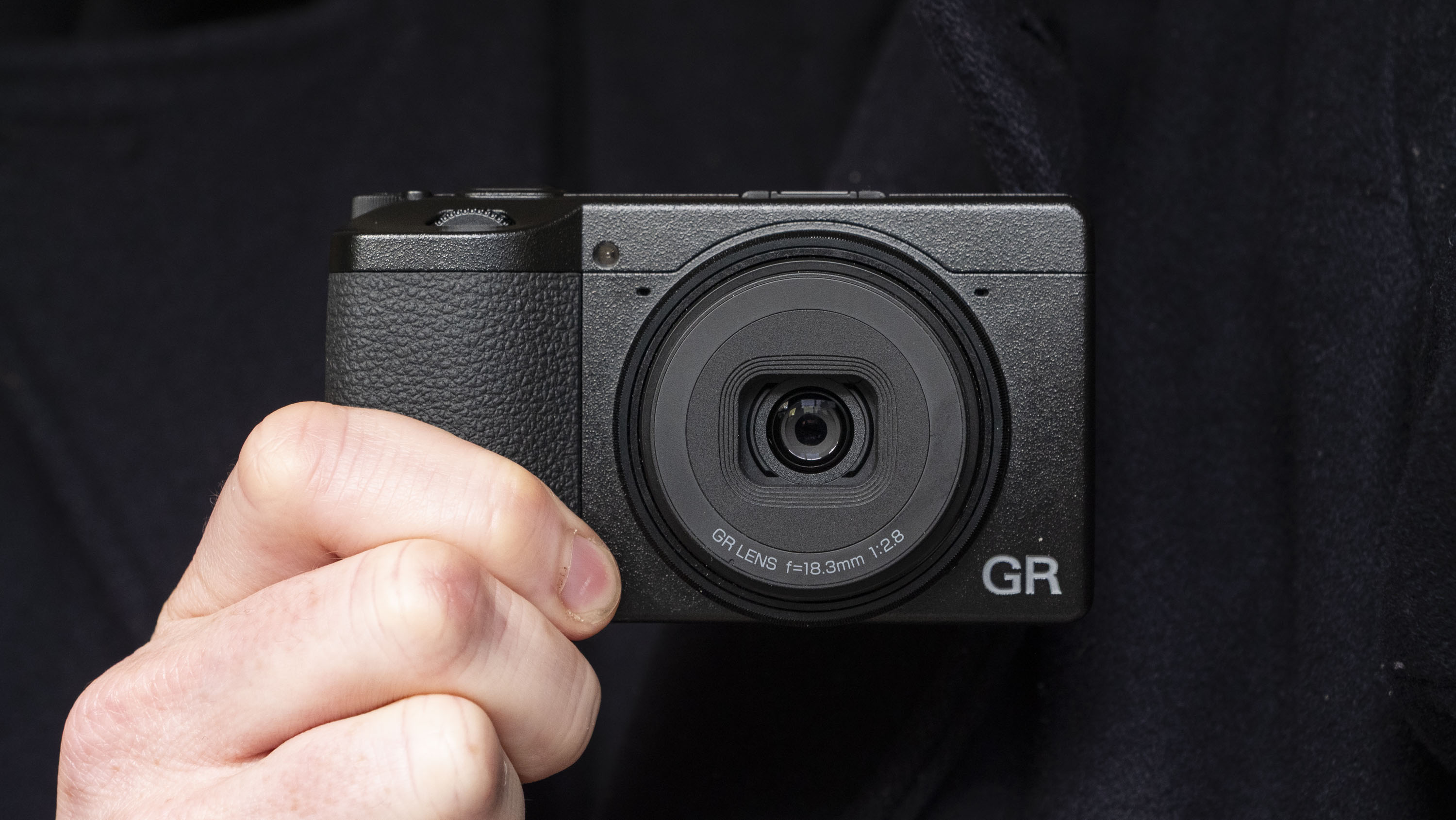
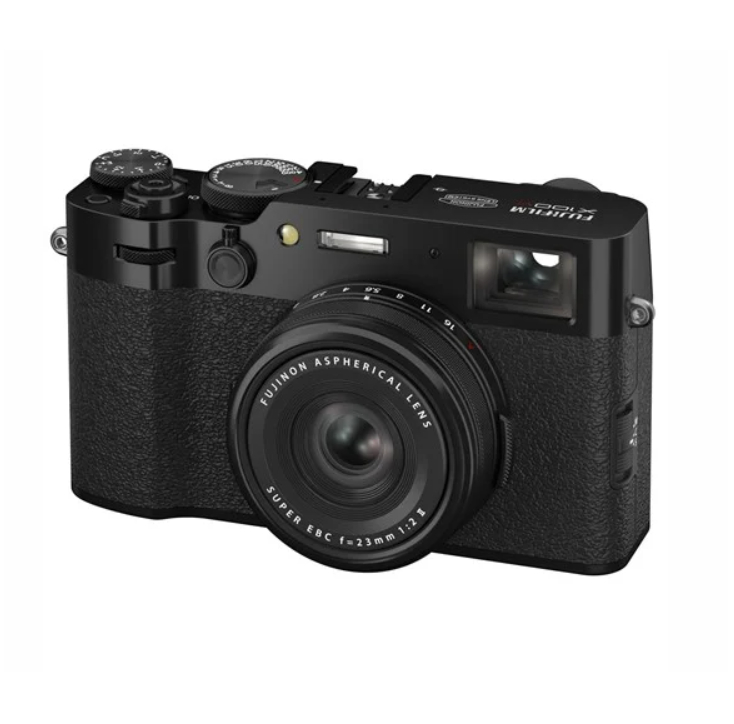
If there’s one camera that I’ve particularly looked forward to getting my hands on over the last couple of years, it has to be the recently announced Ricoh GR IV. After all, the Ricoh GR IIIx is my every day carry (an alternative version of the GR III with 40mm lens) and it was overdue a successor.
I’m familiar with the Ricoh GR series’ strengths and weaknesses, and there’s a reason why I’m one of many keen photographers who can look beyond its limitations, knowing how powerful and discreet a tool it can be in the right hands.
Besides my phone, my GR IIIx has been my choice tool for documenting life – I’ve become familiar with it and developed a way of seeing and shooting style that has become instinctive.
A step in the right direction
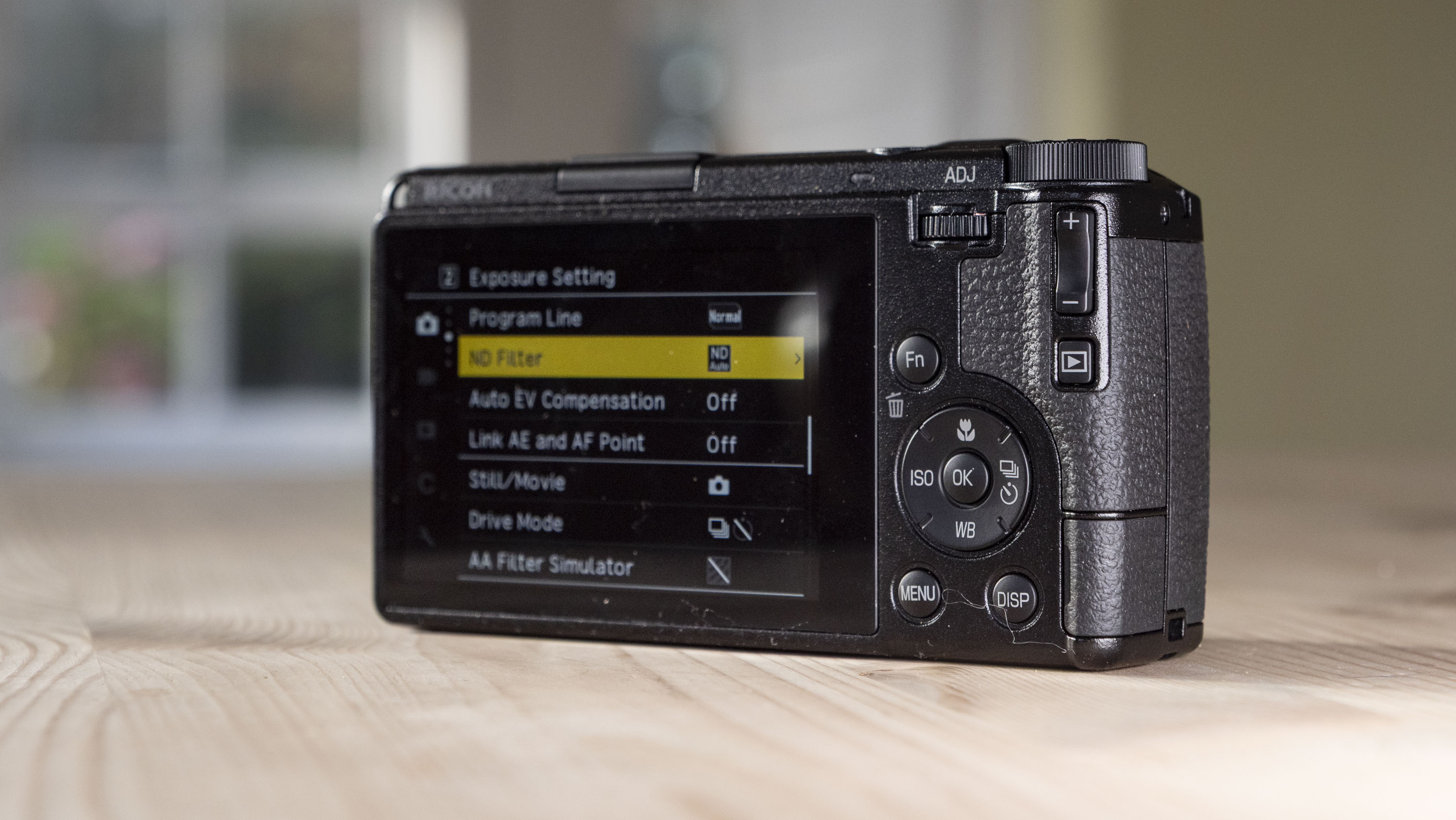
I can only speak for myself, but my wishlist for improvements comprised a tilt screen, built-in flash, better build quality and smarter autofocus. And I wanted all of those upgrades in an equally compact, pocketable body.
Besides slightly better autofocus – and emphasis on the slightly – the GR IV fails to deliver, and it’s significantly pricier. So surely it’s an upgrade to skip, right? Those were indeed my first thoughts, but after some use I have been pleasantly surprised in other ways.
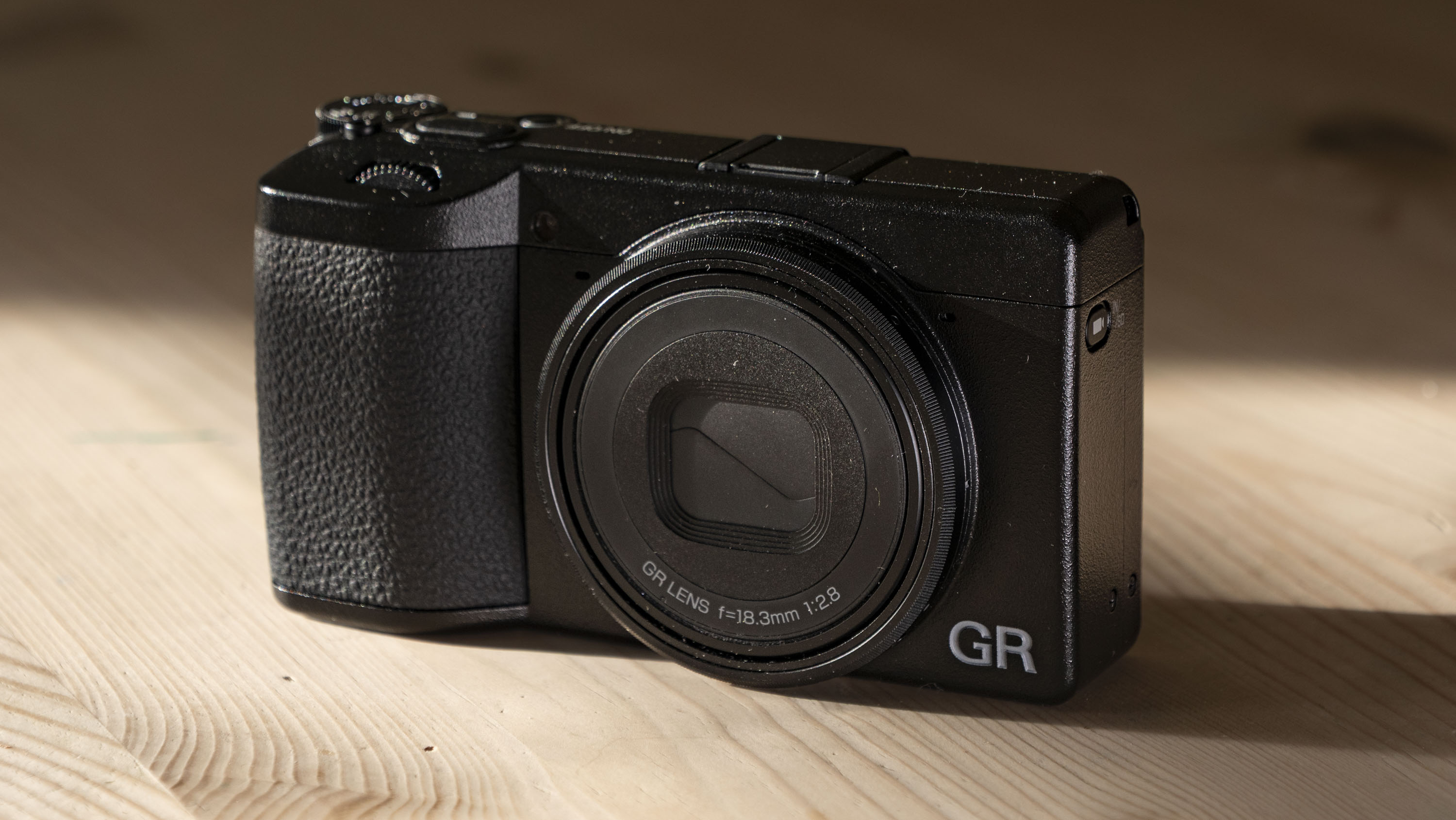
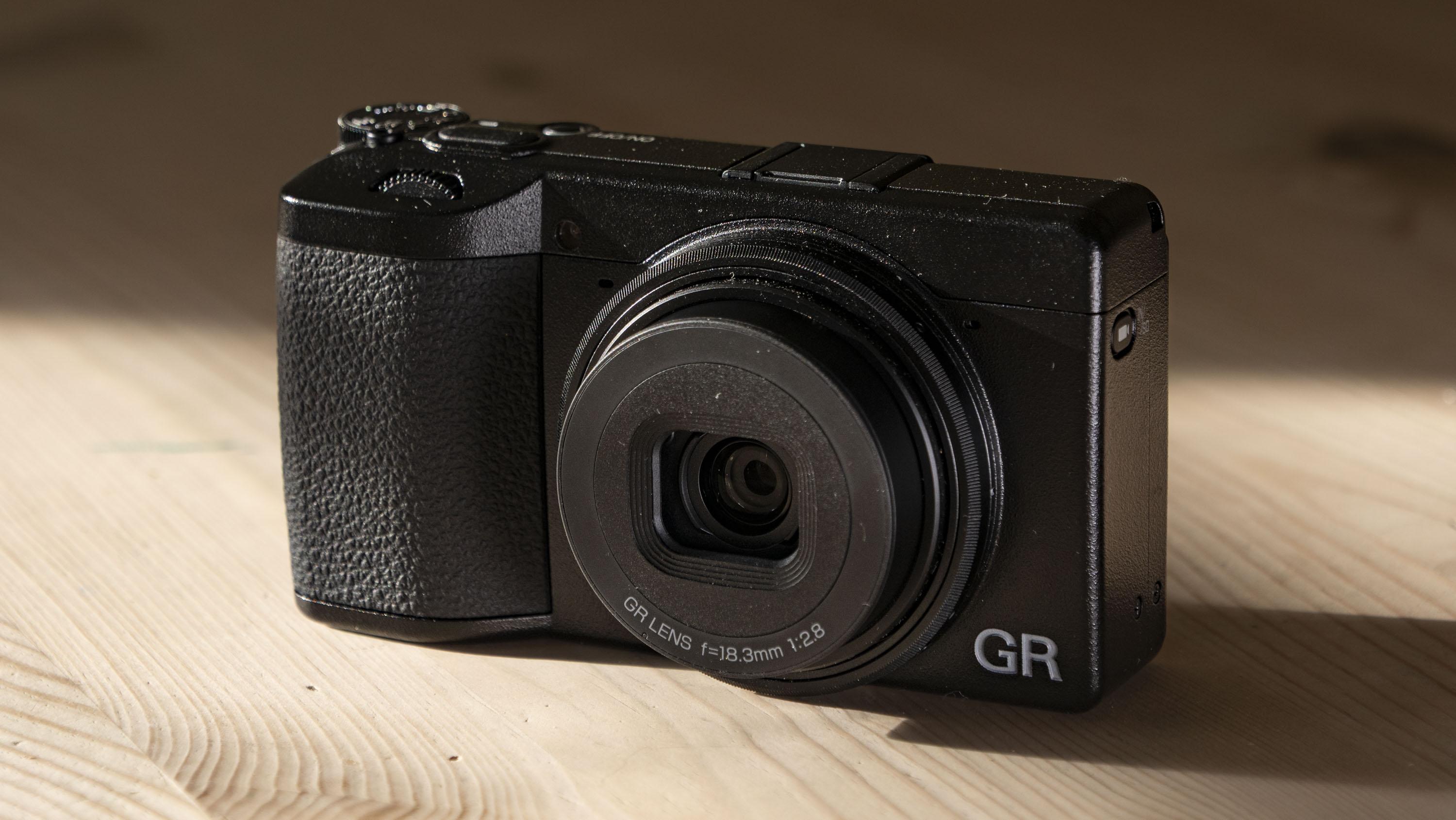
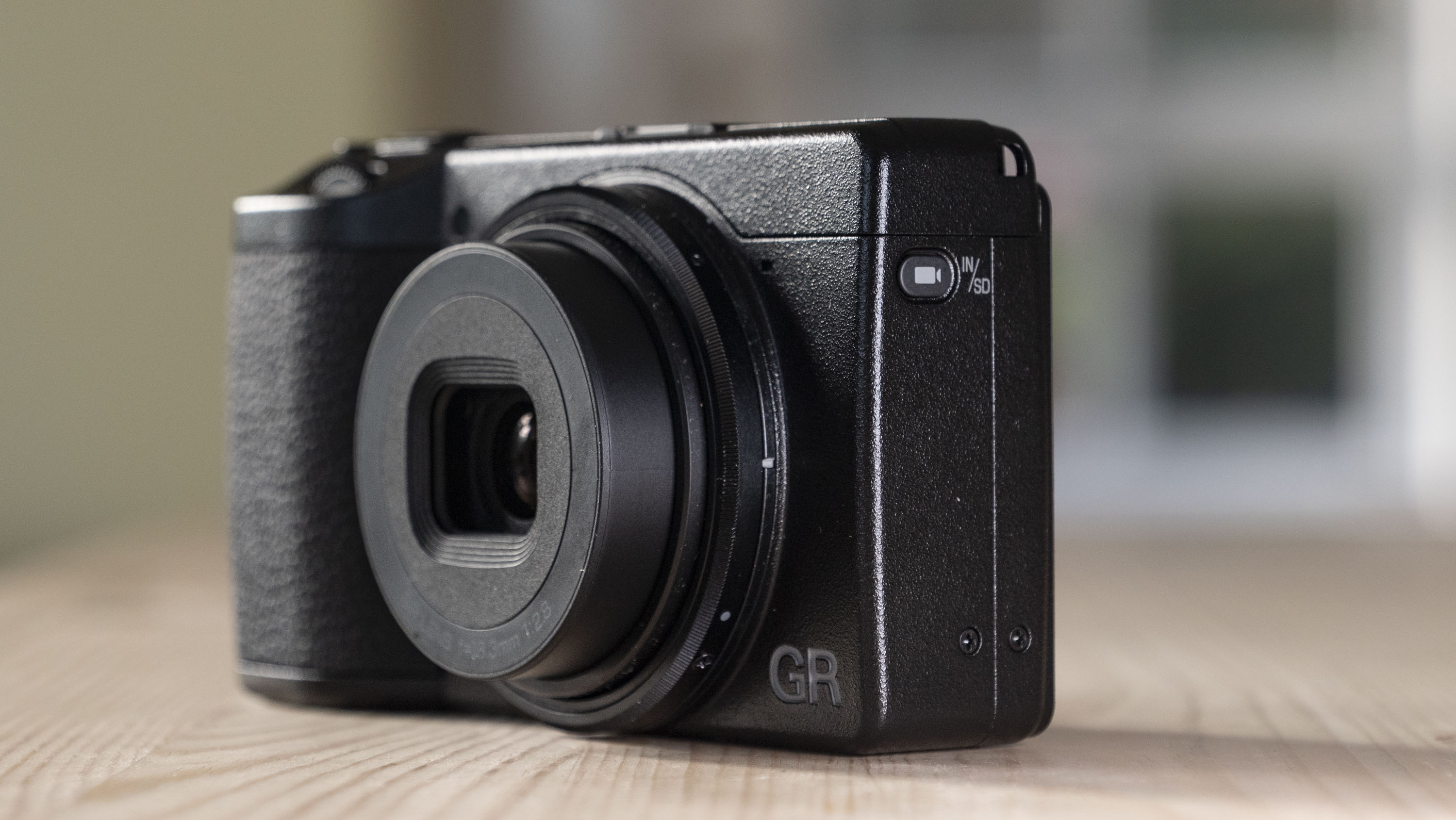
There are subtle design tweaks that make it a better camera to handle overall: a slimmer body combined with a larger grip make single hand use in horizontal and vertical formats a breeze. With my GR IIIx, I’ve added a thumb grip for a secure hold, but that’s not needed here.
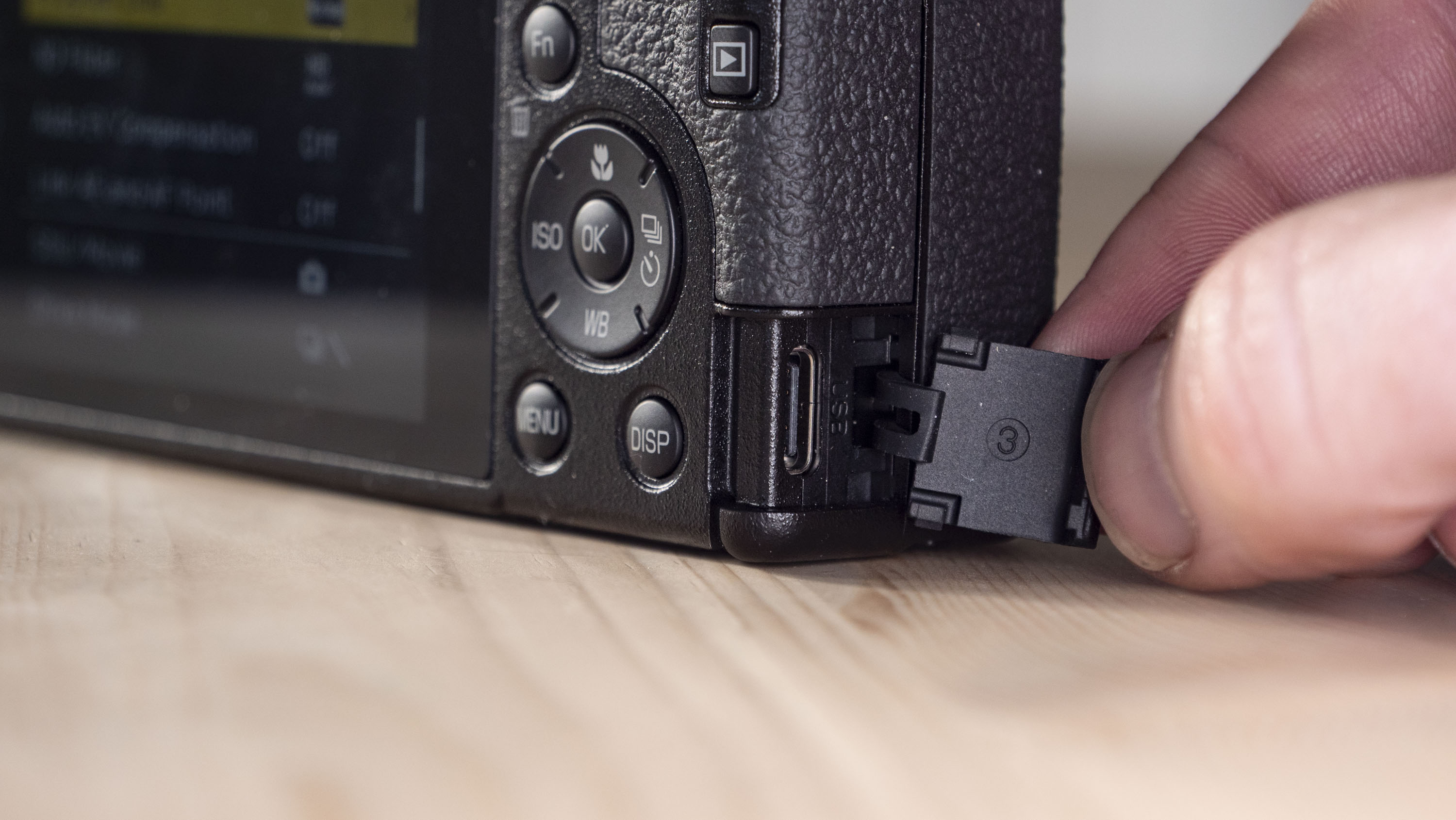
The USB-C door is much easier to open and close (see above), whereas the one in GR III cameras is frustratingly fiddly.
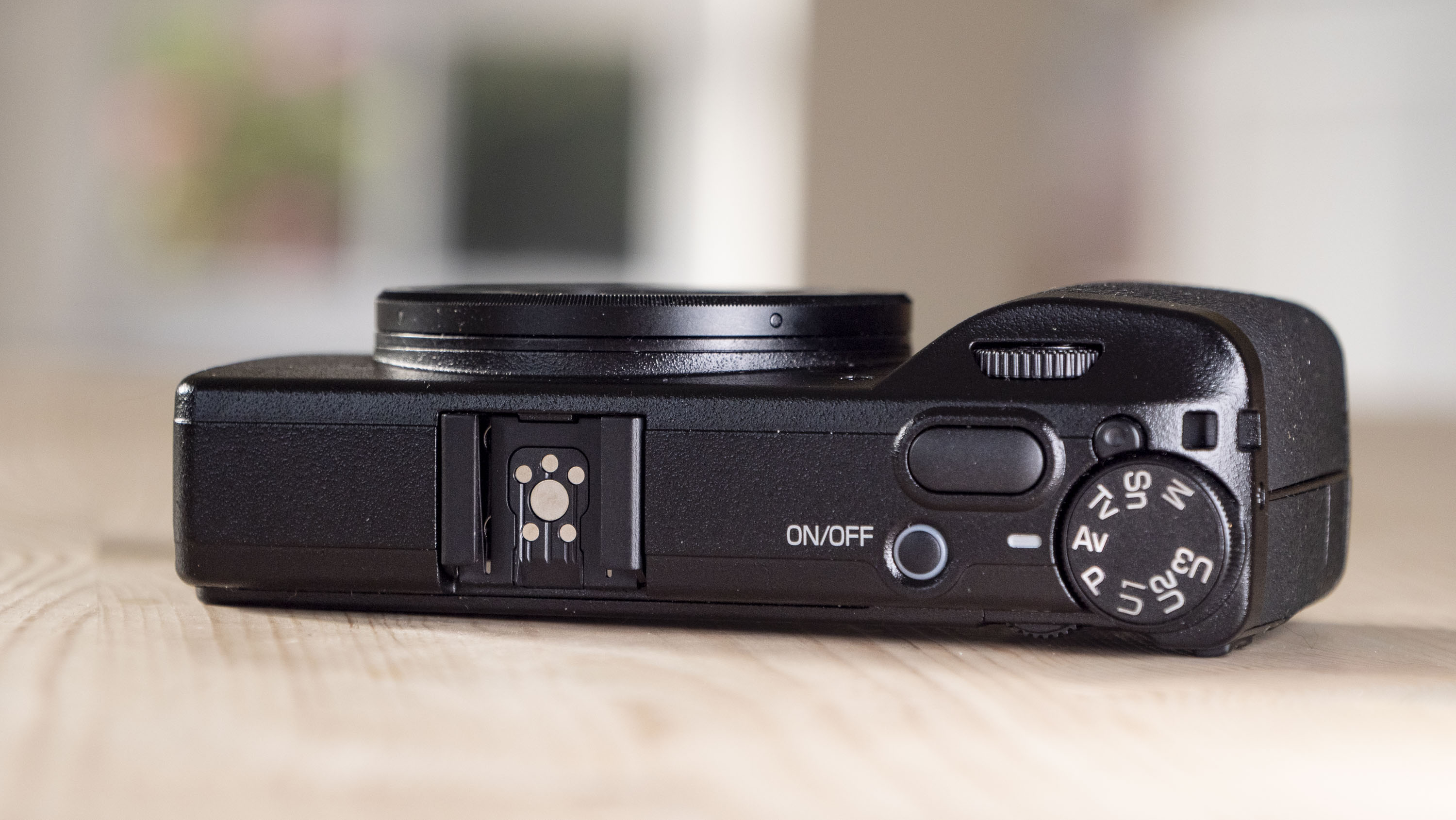
A rear rocker above where your thumb rests is now a full control wheel, which makes it infinitely more versatile, while the ± switch on the thumb grip – which was in the GR II and makes a return – makes exposure compensation adjustments a breeze (even if accidental pushes are common). Put simply, each component of the exposure triangle – shutter speed, aperture and ISO – can be controlled directly with assignable controls.
Yes, the even smaller dimensions (body depth) are an upgrade in my book. We also get a bigger and better battery with 20% improved CIPA rating, plus more internal storage, up from 2GB to 53GB. And there’s one upgrade to the internals that has me hooked if my photos taken are anything to go by.

A surprising and addictive new feature
Once again we get a large APS-C sensor squeezed into a genuinely tiny body, but the sensor is upgraded. Resolution gets a small bump from 24MP to 26MP – hardly enough to write about – but crucially its stabilization is now five-axis instead of three-axis, meaning the effectiveness of stabilization has been improved.
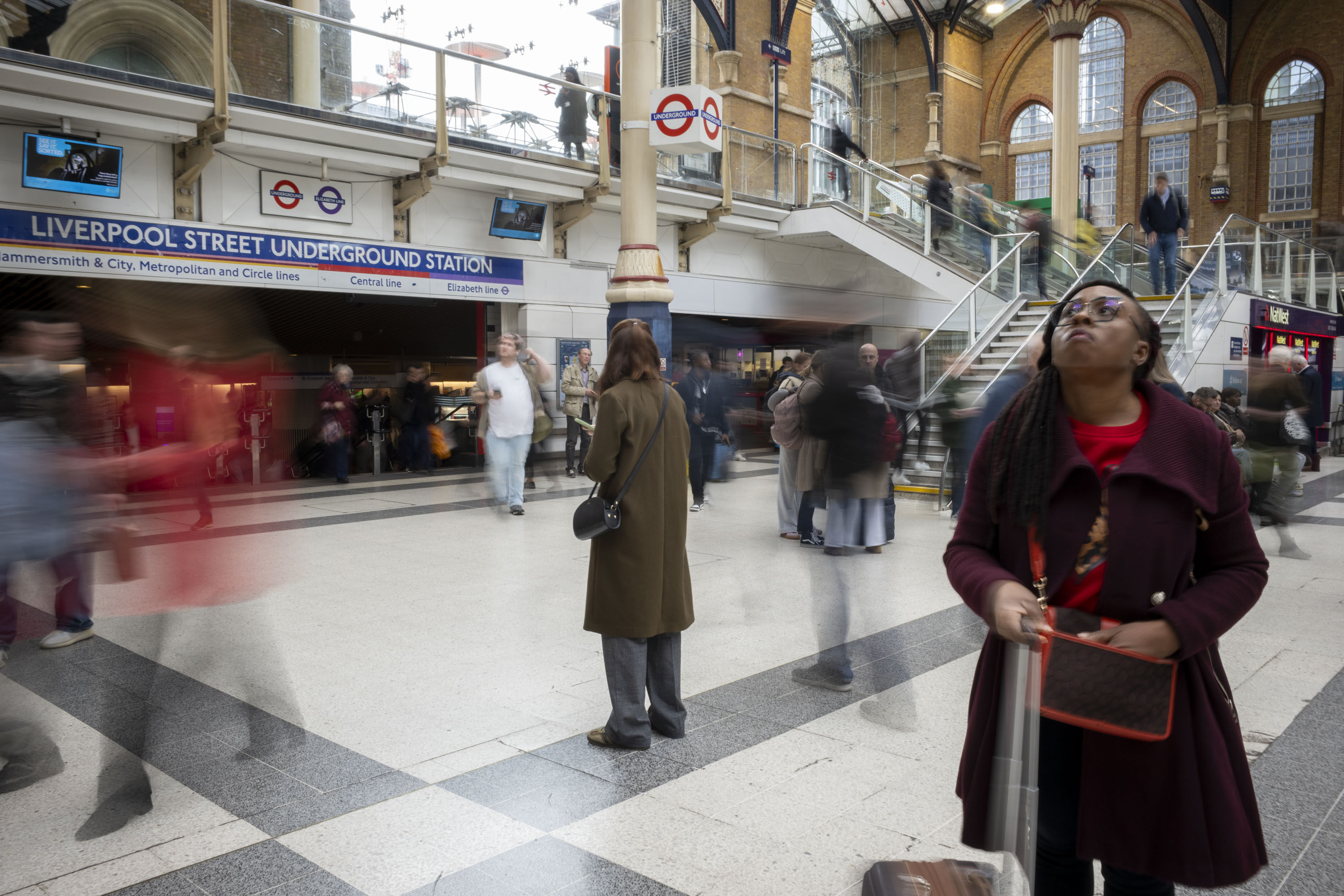
Put simply, image stabilization is better. Factoring the 28mm lens, I would expect that it’s possible to get sharp handheld shots with shutter speeds as slow as one second, and my repeated experiments with long exposure photography have proven it so.
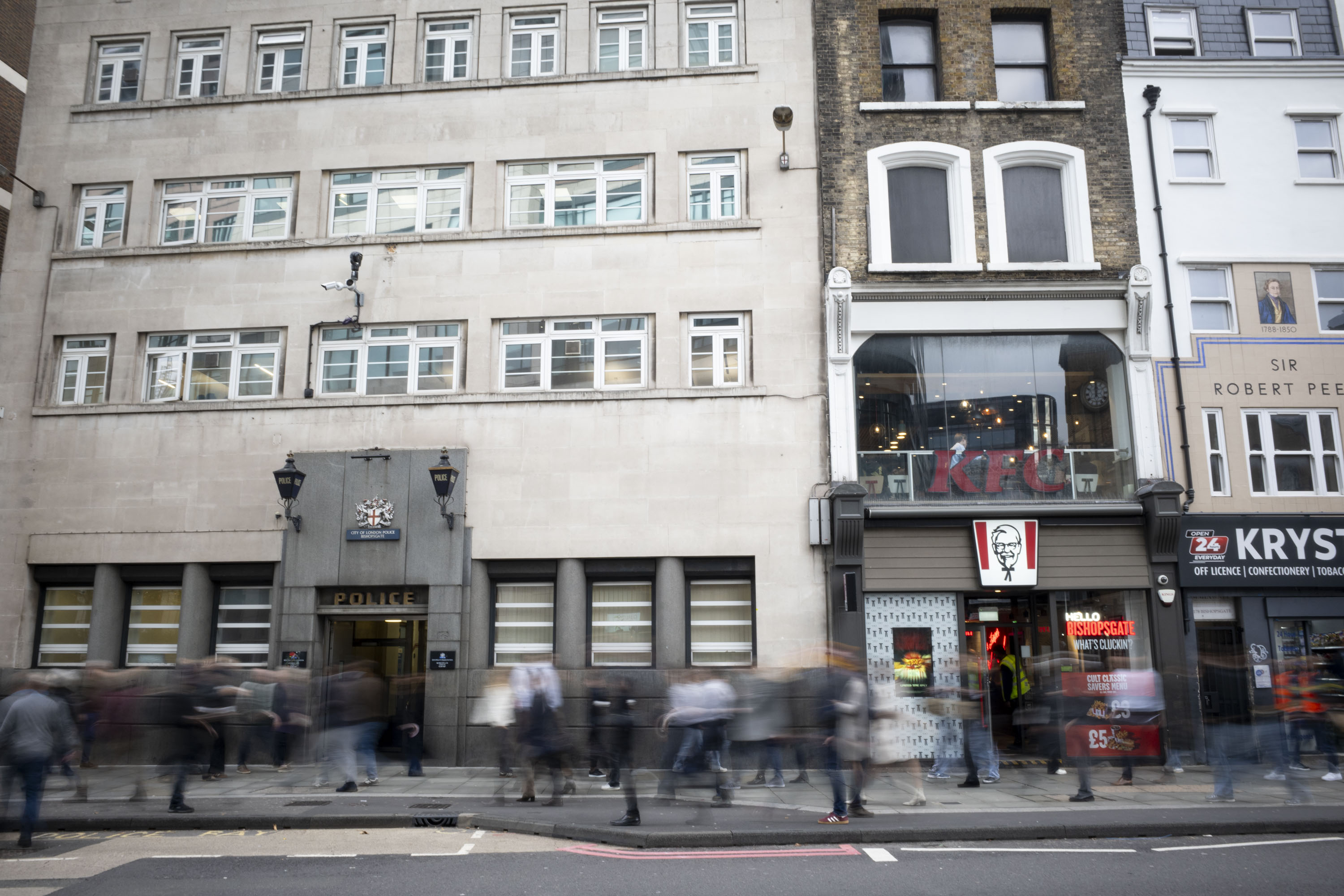
I have regularly got sharp handheld photos with a 0.5 second shutter speed, with creative motion blur effects such as moving traffic and people (see above). And given I commute to London – one of the busiest cities in the world – I have had plenty of chances to experiment with this technique.
In fact, if I’m to look over my image gallery – and I'm over 1,000 and counting – I can say I have been somewhat addicted to long exposure photography, which is now way more possible with the new sensor, as is shooting in low light.
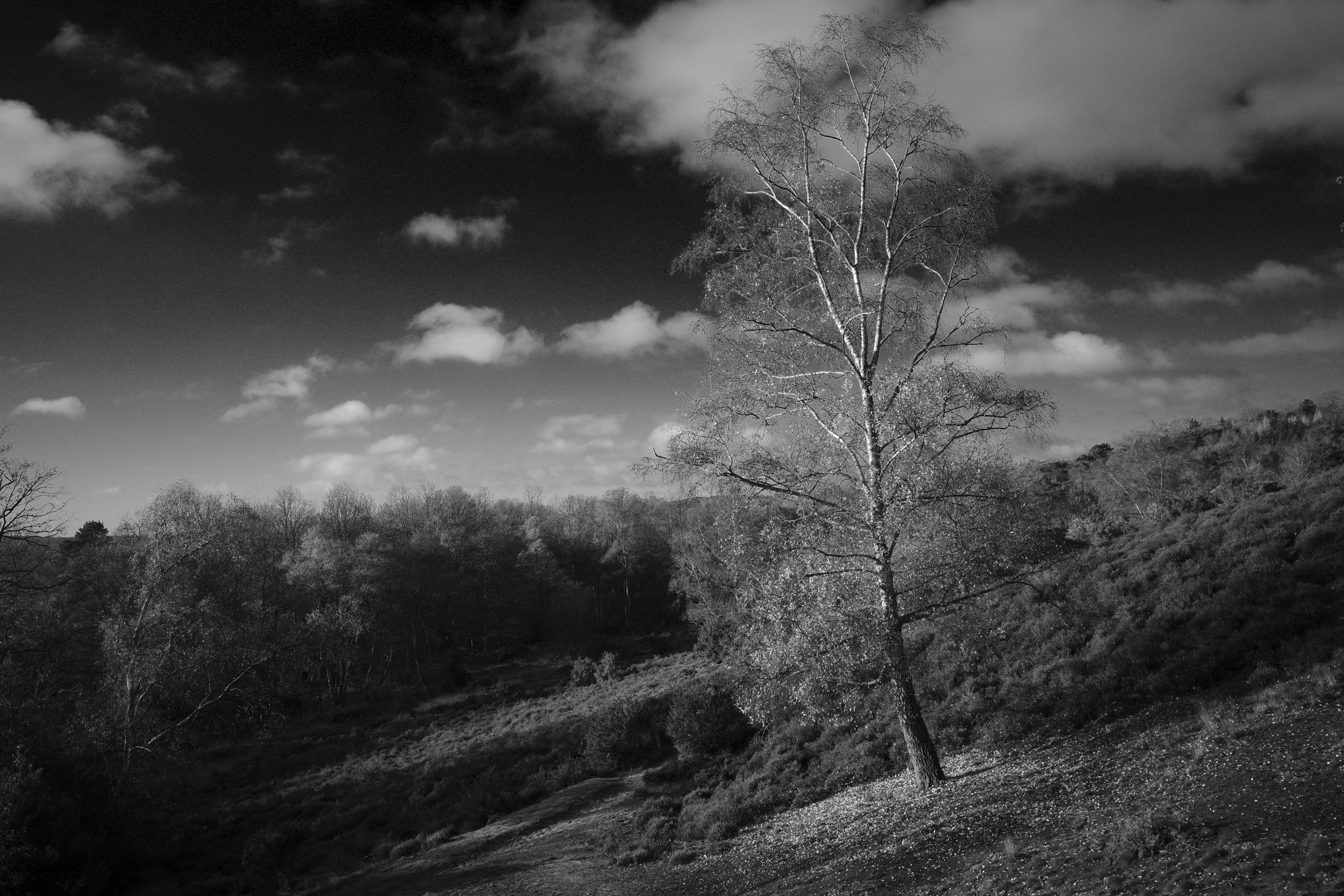
It’s also clear that I gravitate to black-and-white photography, often opting for the punchy, infrared-looking 'Hard Monotone' color profile. With that in mind, I’m especially interested in the recently teased GR IV Monochrome, which will supposedly launch next year.


Rioch GR IV – first impressions
I’m not about to upgrade to the GR IV from my GR IIIx – although having both would be nice!
Even within two weeks using the GR IV, I can already see that I will run into issues regarding its build quality, which feels practically the same as the previous model. The reality check is that I’ve had to take my GR IIIx in for a fix on two occasions – fortunately low-cost fixes to frozen buttons – and I expect the same will be true should I get prolonged use with the GR IV.
You might operate differently to me, but this is not a camera that I want to wrap in cotton wool. I want to slip it in my pocket without a bulky protective case, ready for action when called upon. Without a doubt, my top wish remains better build quality in a future version. However, I'm still tempted by the GR IV, and the upcoming monochrome version now tops my wishlist.
Sure the GR IV is seemingly not the upgrade I hoped for, but it is also a surprising improvement that unleashes new creative styles, in an even more compact body that’s easier to handle. Its a baby step in the right direction rather than one giant leap, but it might just be enough.
Follow TechRadar on Google News and add us as a preferred source to get our expert news, reviews, and opinion in your feeds. Make sure to click the Follow button!
And of course you can also follow TechRadar on TikTok for news, reviews, unboxings in video form, and get regular updates from us on WhatsApp too.


 English (US) ·