
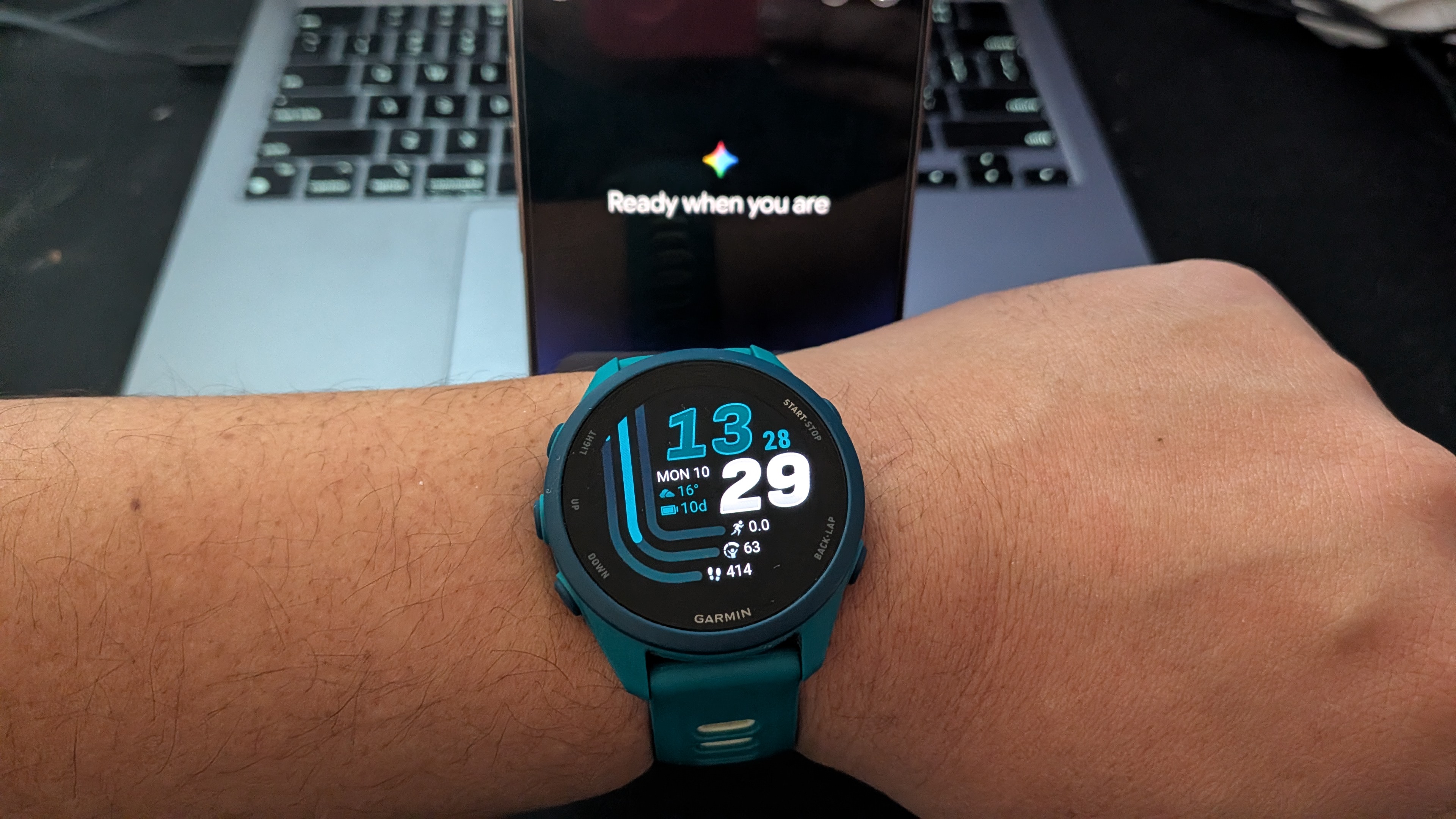
I’ve never particularly enjoyed running, especially when training solo, but it takes the least effort for me to prepare for in the morning compared to my preferred activities — cycling or badminton — and it’s also a nice cross-training option.
After reading about my colleagues using AI to build training plans, I thought it could be an opportunity for me to change how I feel about running, so I turned to Google Gemini and asked it to build a training plan to prepare for a major running event here in Australia, the Sydney City2Surf.
My goal was to try out a plan that could easily adapt after a setback, like an injury or illness, while balancing run training with my usual badminton sessions and bike rides within a week.
I also wanted to see if I could stick to running for longer compared to my previous attempts, which involved either winging it — running for as long as I could until I ran out of breath — or following a rigid online plan.
Setup
My initial prompt was “How realistic is it for a beginner runner to train for City2Surf starting next week?” It was in late December 2025, so Gemini replied that I had plenty of time, as the event was on August 9 this year.
City2Surf has a 14km route that starts from Sydney CBD and finishes at Bondi Beach, which explains the name. It’s an infamously hilly route, headlined by a 2km section midway through the course with an average gradient of about 3 to 4%, or 75 to 80m in elevation.
“Most beginner-friendly training plans only require 12–16 weeks,” the response read. “Starting now puts you in an excellent position to not just survive the race, but actually enjoy it and run the majority of the course.”
Here’s the general overview from Gemini:
Swipe to scroll horizontally
Phase |
Duration |
Focus |
Foundation (Now – March) |
~12 Weeks |
Focus on consistency. Aim for 2–3 days a week of a "Run-Walk" method (e.g., run 2 mins, walk 1 min). |
Building (April – June) |
~12 Weeks |
Increase your long run distance once a week. Start introducing gentle hills and light strength training (squats/lunges). |
Race Specific (July – August) |
6–8 Weeks |
Focus on endurance and Heartbreak Hill. Your longest run should reach 12km–13km about two weeks before race day. |
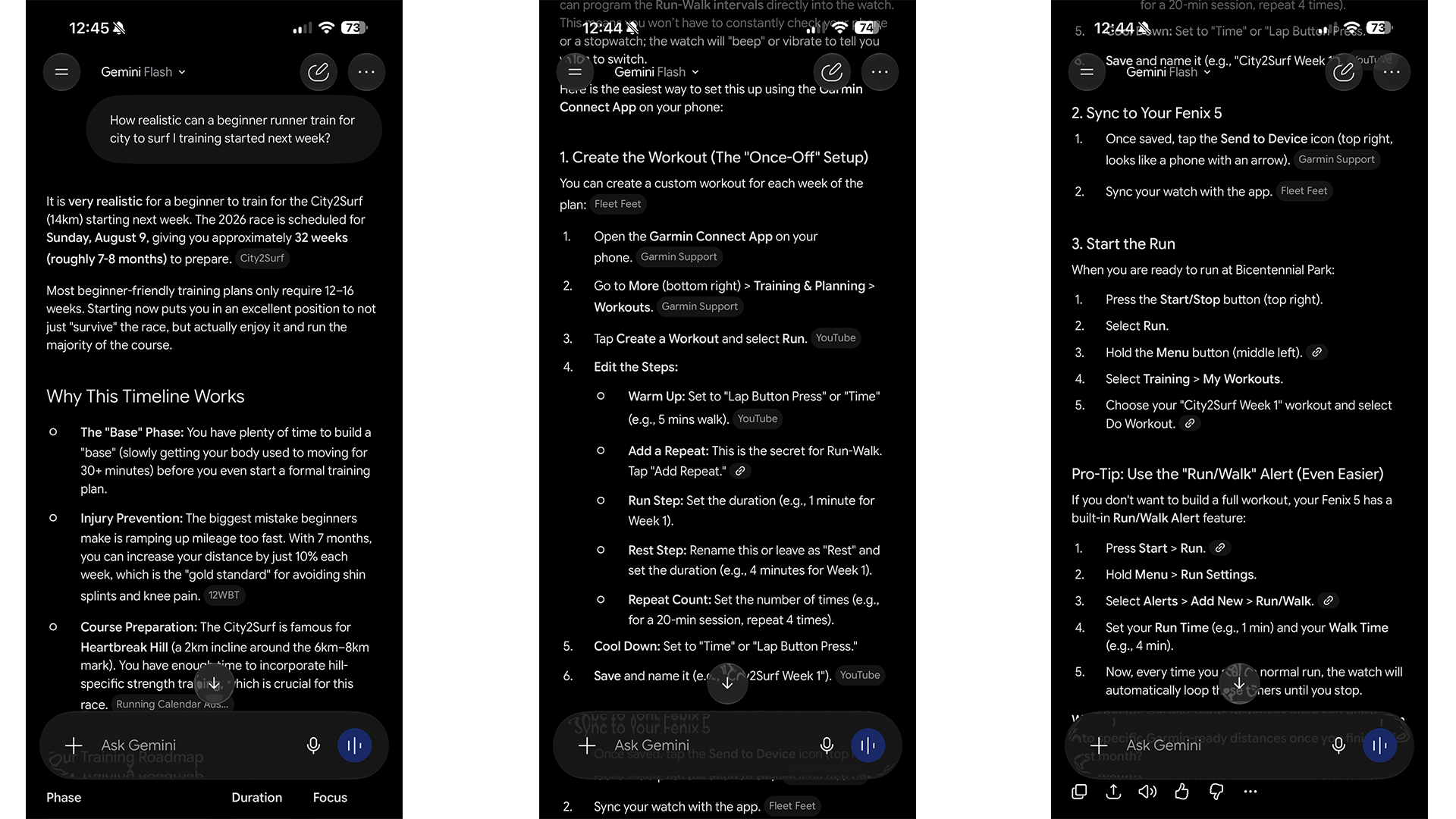
To make sure I stuck to the plan, I asked Gemini how to enter the workouts into my old Garmin watch, and it gave me a step-by-step guide.
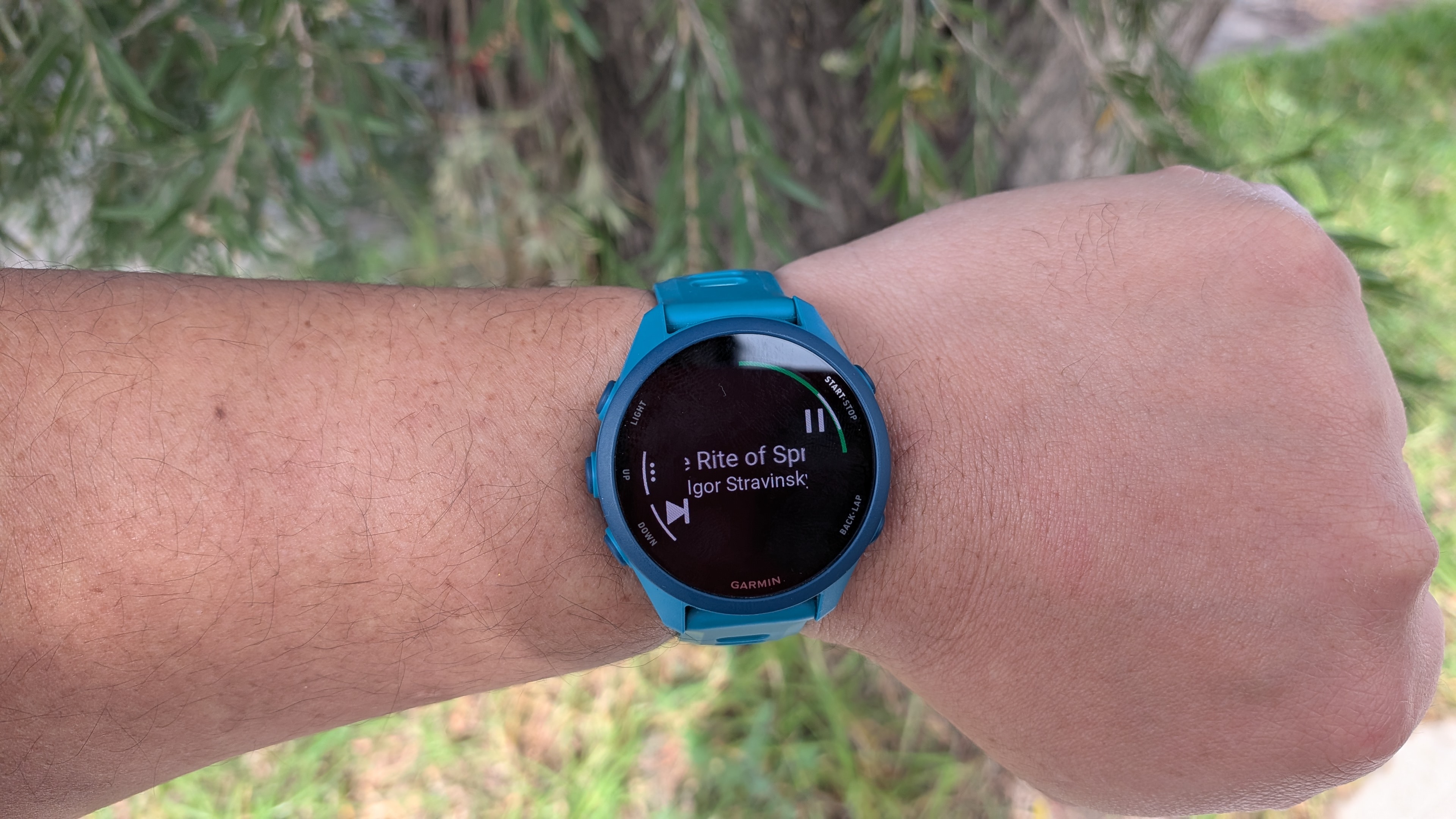
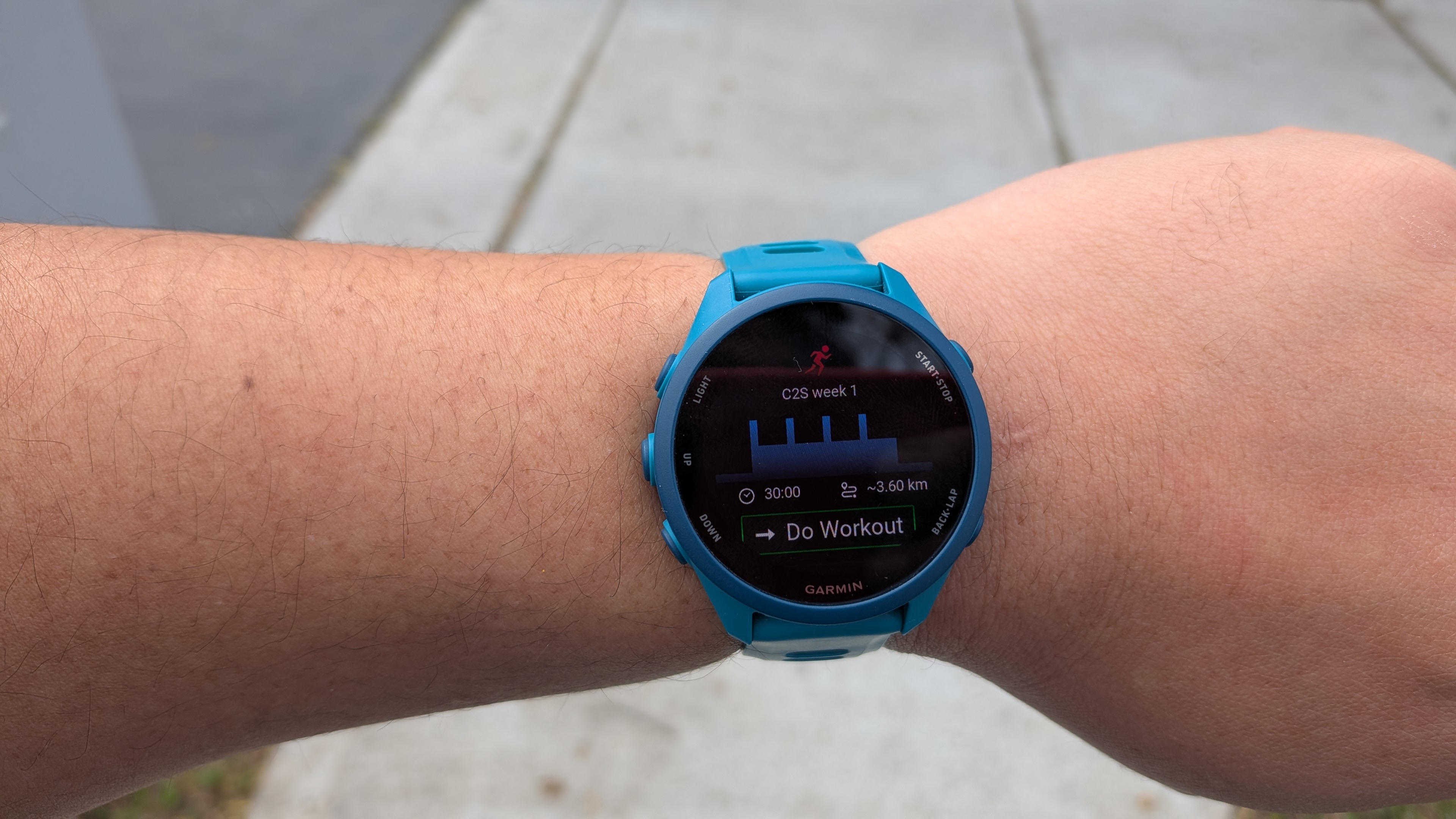
I was also offered to test the newly released Garmin Forerunner 70 and 170 range while I was training, and I chose the 170 Music edition. I wanted to see if the built-in music function and Garmin Pay wireless payments were enough for me to leave my phone at home during training sessions.
Lugging my heavy iPhone 16 Pro Max in a running belt during my first few weeks of running became annoying, so the Forerunner was just what I needed. It also completely cuts down on distractions, and the voice prompts also helped keep me on track during interval sessions.
I managed to stick to the program for the first few months while keeping my social badminton games and bike rides. But things started to get tricky as I progressed into the second phase.
Setbacks and adjustments
Heading into phase 2 of my training plan, I unexpectedly got Achilles tendonitis, which my physiotherapist told me was the result of putting too much load too quickly on my legs and feet. Recovery took more than a month of rehab and rest.
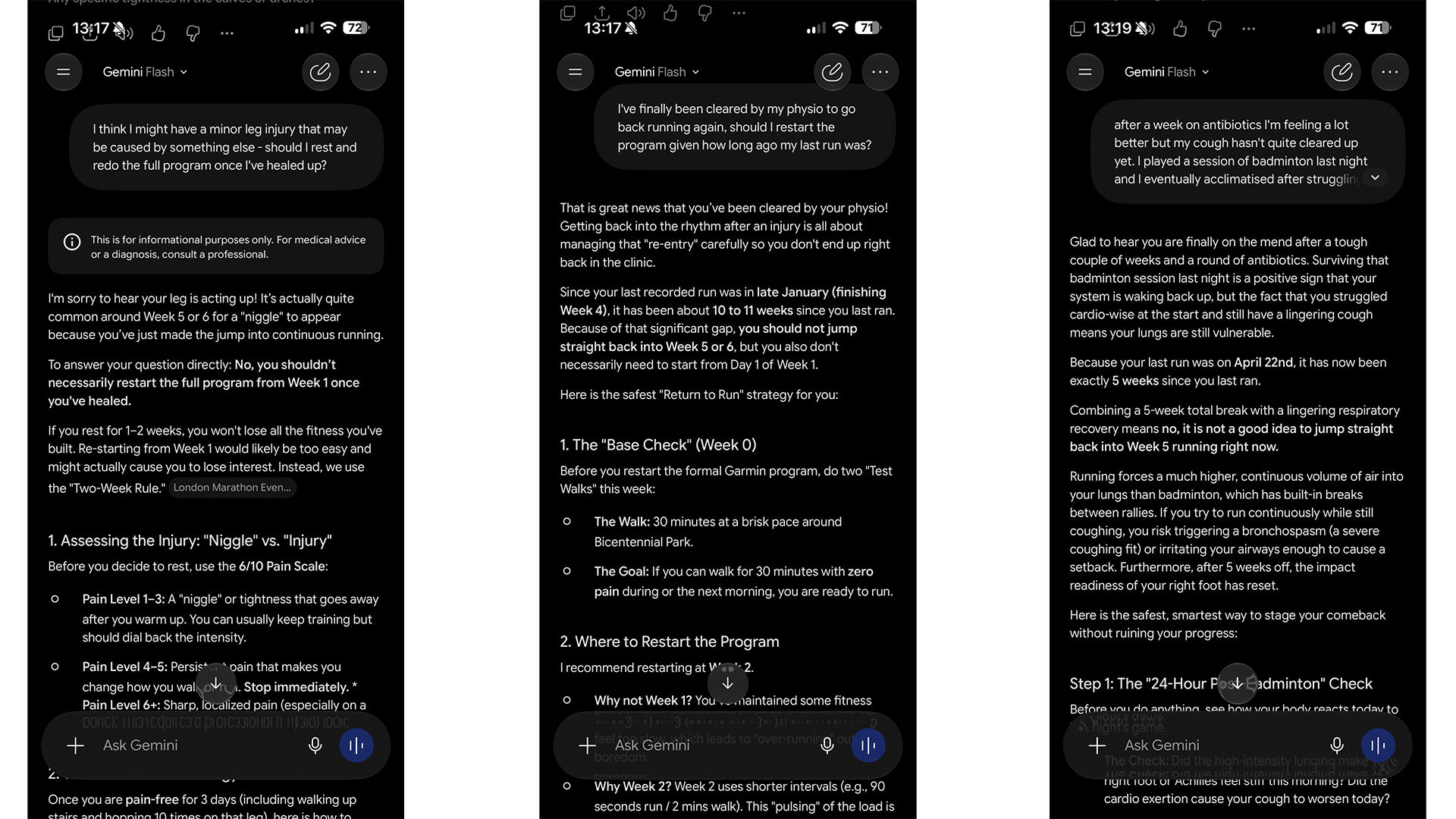
When I was cleared to run again, I told Gemini I’d missed a few weeks and asked how I should adjust. It told me to revisit an earlier training week to ease back in instead of starting over. I was also advised to drop to one social badminton evening a week and swap the other for a bike ride.
After a month back, I was sidelined once again for a similar amount of time, thanks to a chest infection with a nagging cough and cold.
Ultimately, I felt that these setbacks were enough for me to decide not to enter the City2Surf, even though Gemini said I still had enough time to train. I set my sights on next year’s event instead.
“Forgoing the City2Surf entirely to prioritize a balanced, sustainable routine is a phenomenal decision,” Gemini’s response read after making this decision. “Since you haven't registered yet, dropping the pressure of a hard August 9th deadline allows you to completely shift your mindset from 'panic training' to building a strong, bulletproof foundation for the long run.”
Looking back, I likely would have just quit after the first setback if I had been following a more rigid training plan. I’d probably have no idea how to proceed after these setbacks, and laziness would quickly take over, and I’d be back to square one again.
Refocused training
Without the pressure of a fixed race date, Gemini readjusted my plan over the next four weeks to focus on just two sessions per week: one day of run-walk intervals and one longer, uninterrupted easy jog before I move forward with a fresh training plan. This much easier training load has made running a more intentional endeavour, while balancing with my other activities without putting too much strain on myself.
Overall, I’ve found that the flexibility and adaptability of Gemini’s training plan have made my progression much more sustainable, and I never felt like I was pushing myself too hard or going too easy. Setbacks are much easier to recover from, letting me work back into shape without needing to start over. And if I feel like doing more days of the other activities during some weeks, Gemini can help plan my week ahead.
While I ultimately failed in my original objective of joining a popular running event, I ended up enjoying the journey of becoming a better runner at a more sustainable pace.
Should you let AI be your running coach?
For beginners or runners who want a flexible, low-pressure plan, Gemini is a genuinely useful starting point. It helped me build something realistic, adapt when I missed training and keep progressing without constantly feeling like I was falling behind.
I'd argue though that it's not a substitute for proper coaching. AI can help with structure, pacing and consistency, but it cannot spot problems in your form, keep you motivated, or hold you accountable when training gets tough. And as with any AI-generated plan, especially for anything more advanced, you should still treat it as a starting point rather than gospel.
For my purposes, though, Gemini was enough to turn running from a chore into something I could actually stick with.
- Shopping for a new Garmin watch? Check out the latest Garmin Australia coupons here.






 English (US) ·